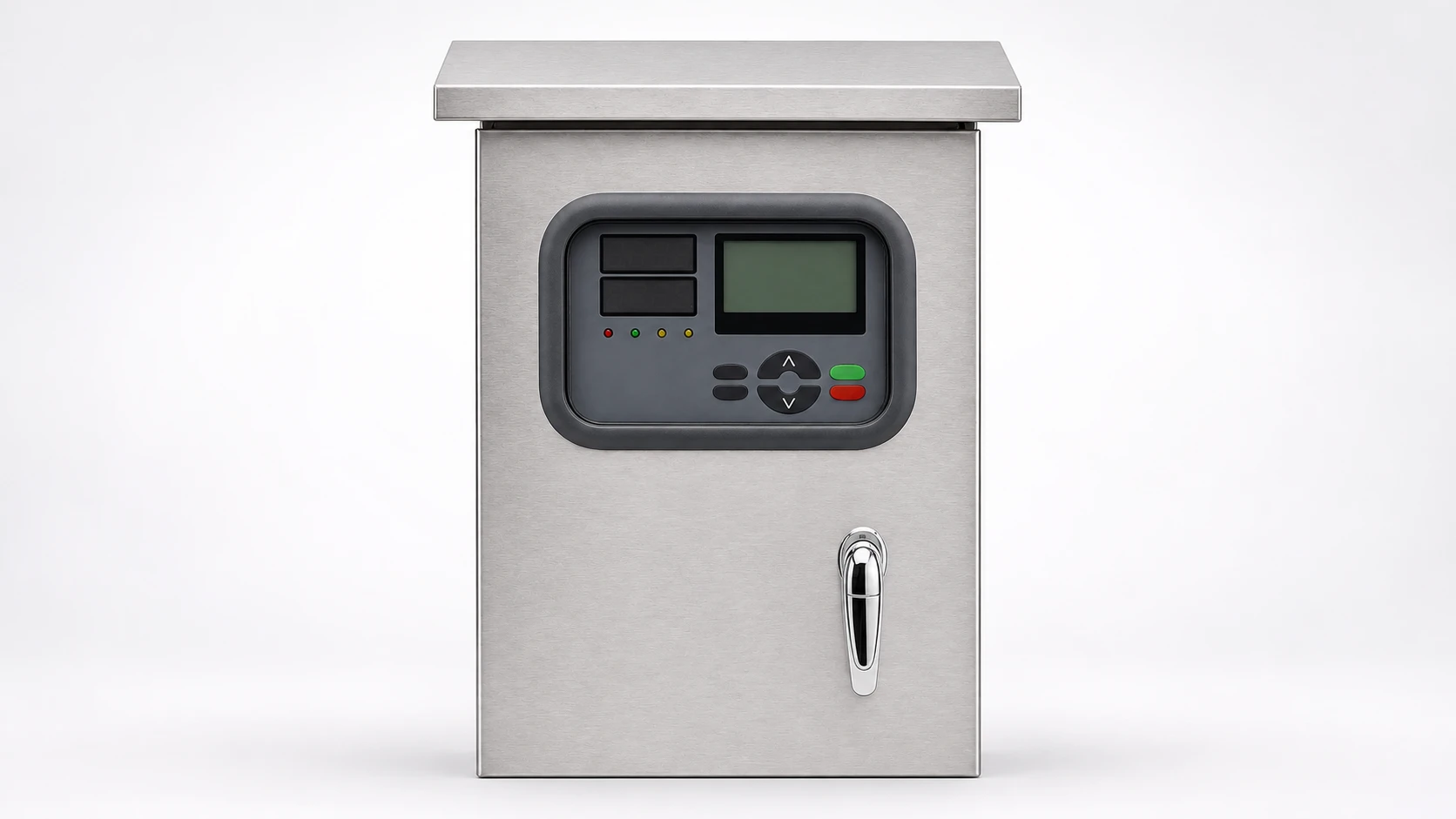
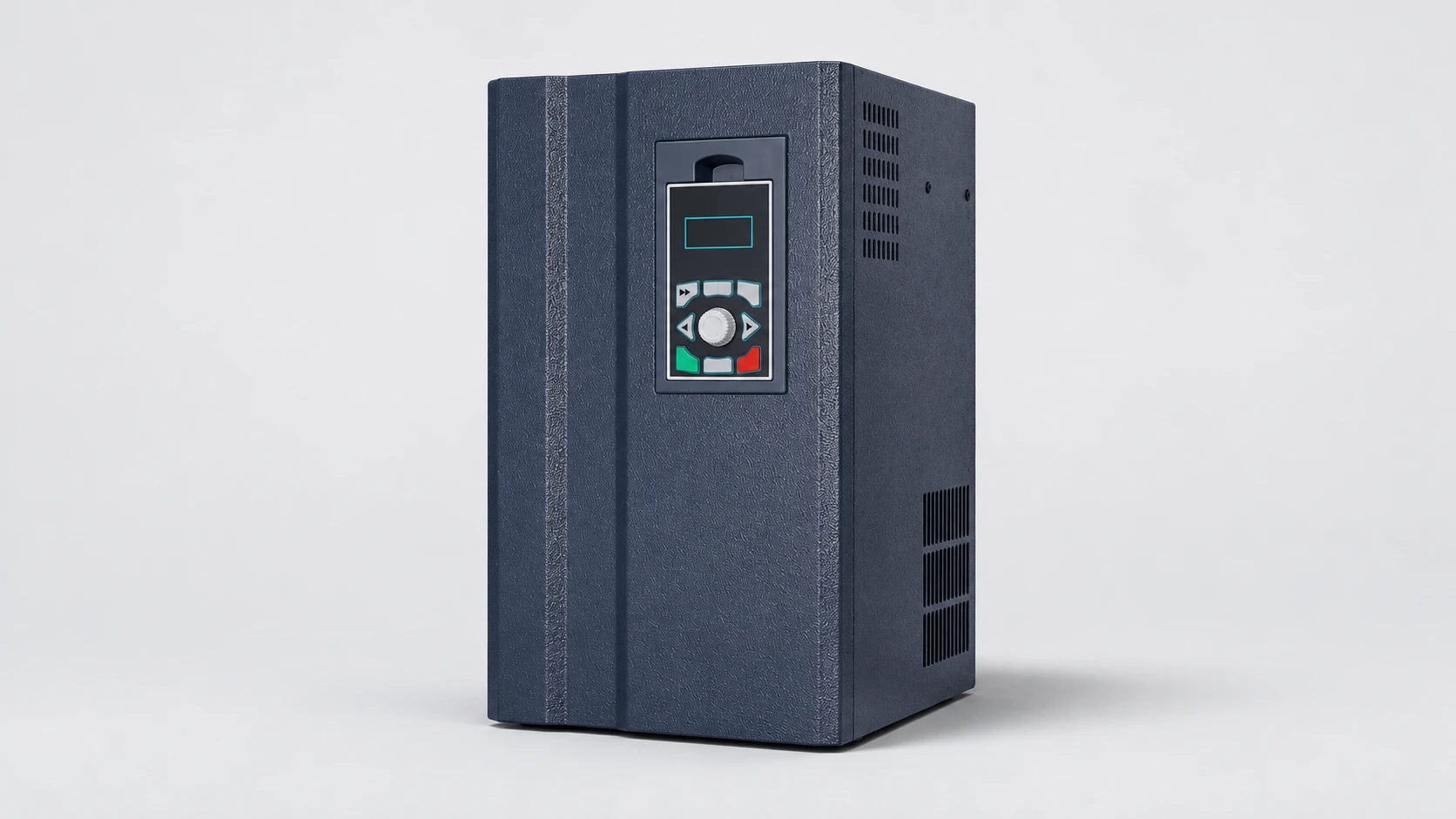
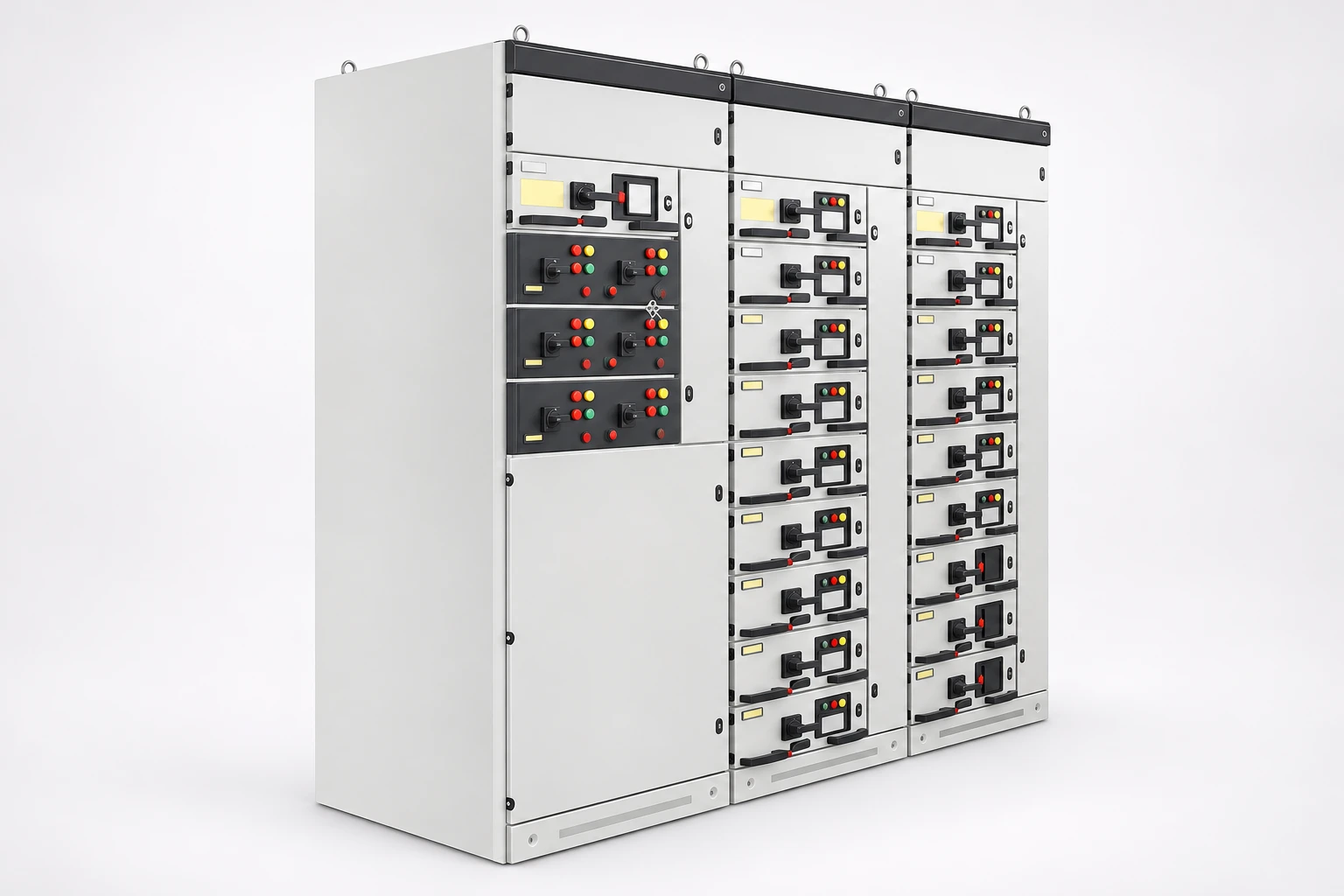
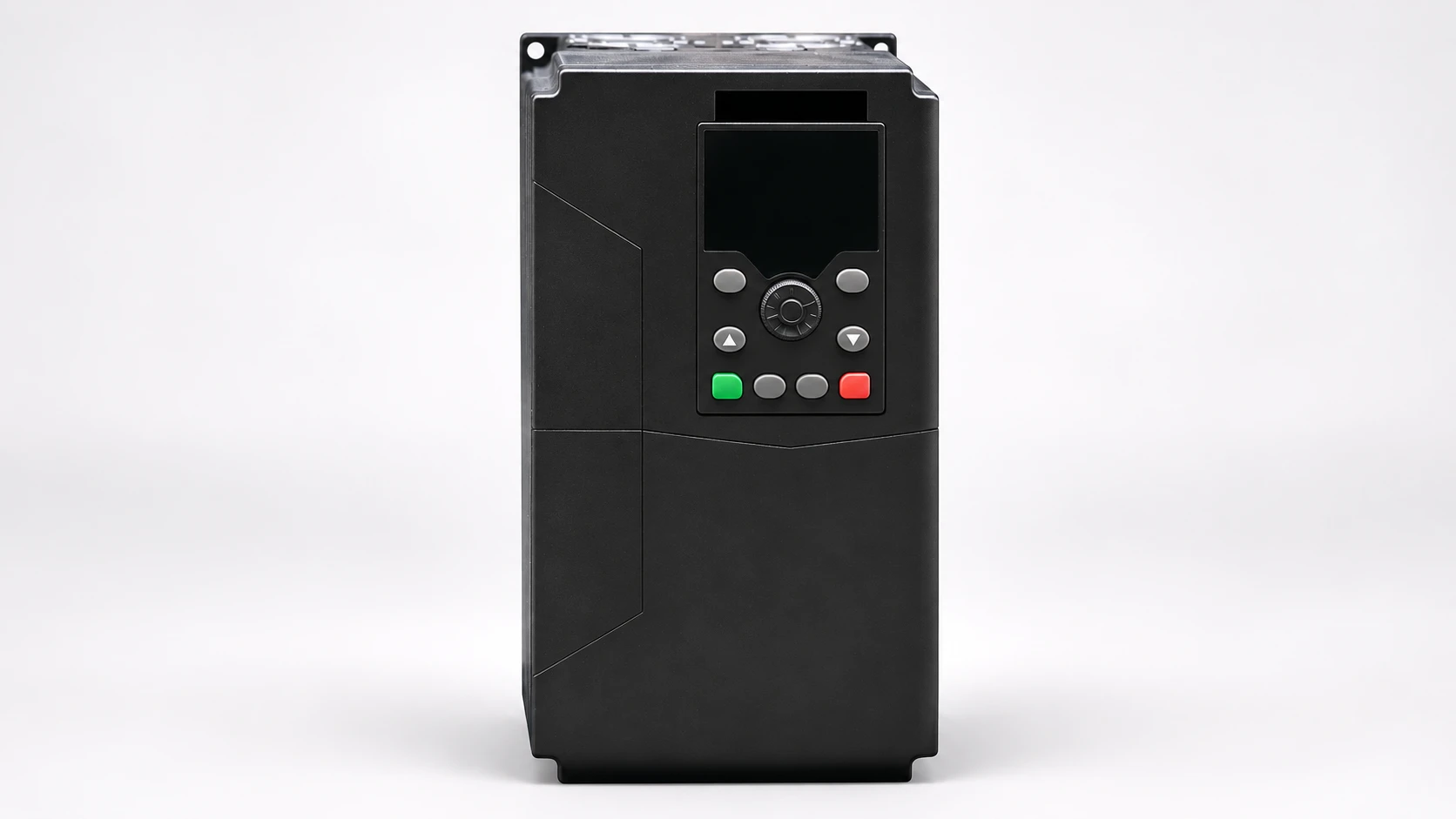
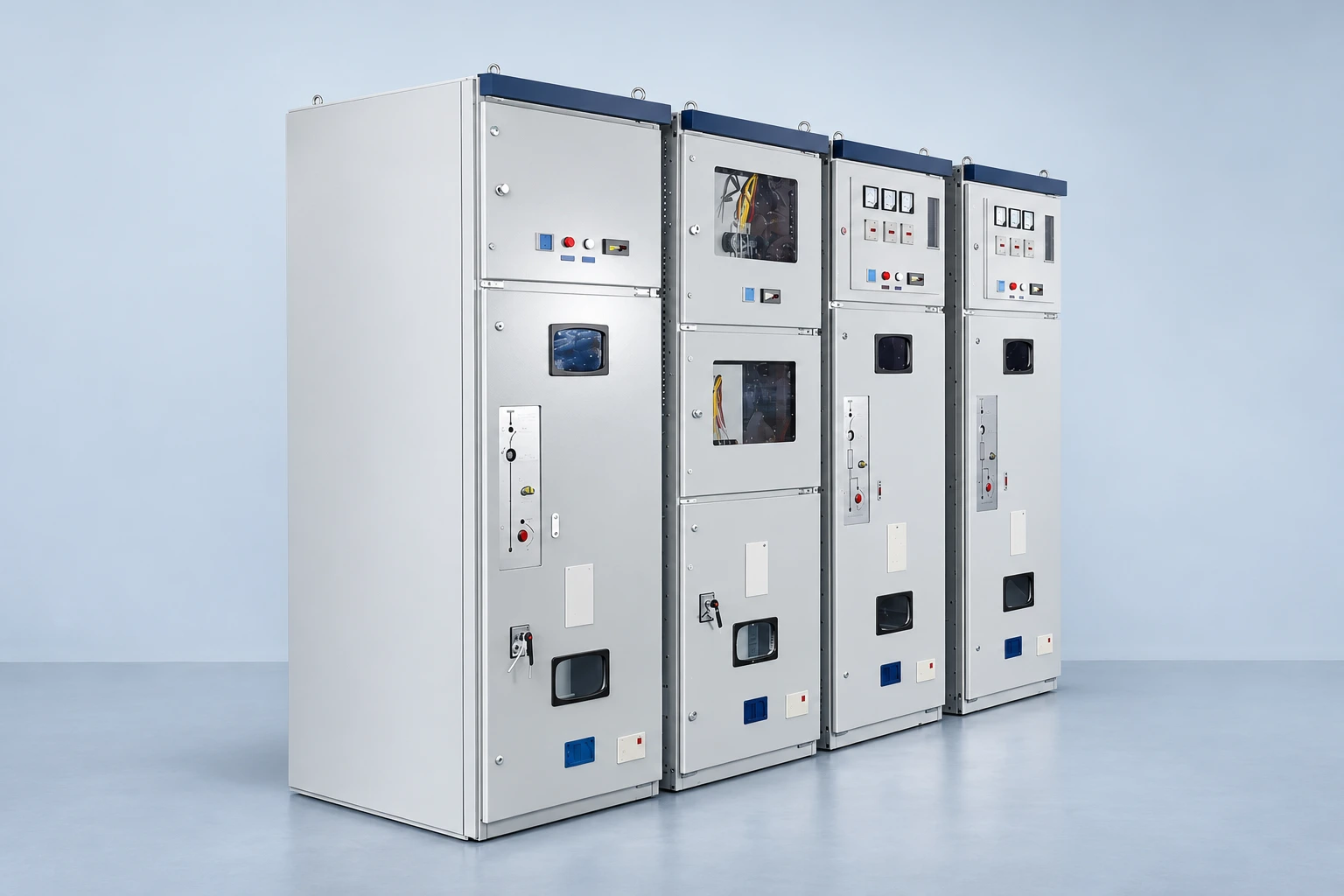
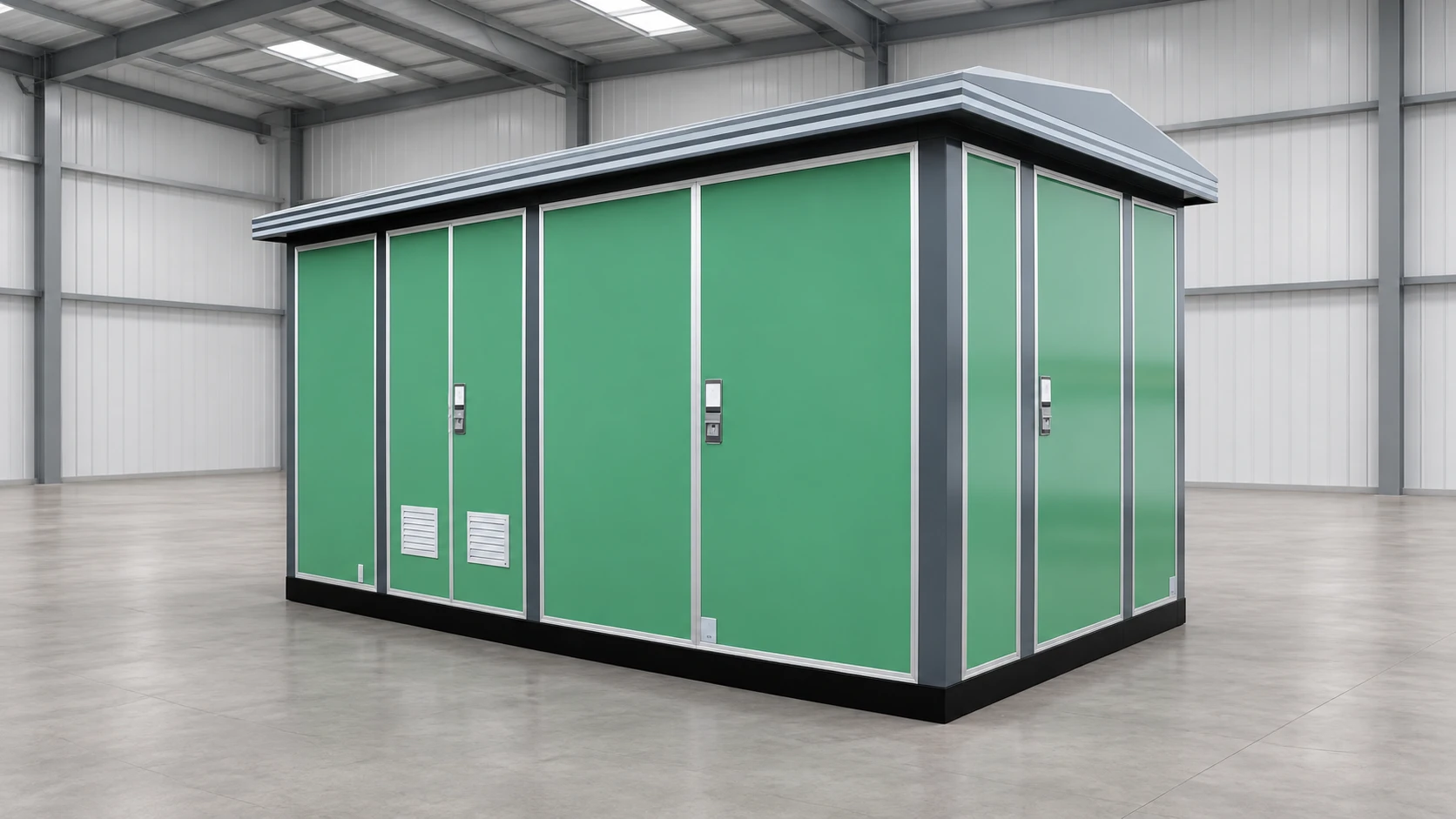
A substation flood damage assessment should begin with controlled access and confirmed electrical safety, followed by a component-by-component evaluation with the manufacturer and responsible electrical authority. A dry exterior or a satisfactory single test does not establish that submerged equipment is fit for service. Record the water level, exposure, contamination and affected compartments before making a replacement or reconditioning decision. A prefabricated substation contains several equipment categories, so the outcome may differ across its components. This guide explains how an owner can prepare a useful assessment package without turning cleanup into an unauthorized attempt to restore power.
Floodwater can change the safety of the entire site, including access routes, foundations and nearby electrical equipment. Keep unauthorized people away and coordinate with the utility or responsible switching authority. Do not enter water or approach a cabinet to operate controls when the electrical condition is uncertain. The first useful record identifies who controls the site and who can authorize the electrical work.
Separate the need to recover operations from the question of whether existing equipment can be used. A temporary supply, if needed, requires its own approved design and controls. It should not depend on energizing an uncertain flooded assembly. Keep recovery decisions in one register so that operational pressure does not quietly change the agreed isolation boundary.
El Texas Department of Insurance water-damaged equipment guidance explains why qualified evaluation and manufacturer consultation matter. Its jurisdictional requirements should not be treated as the local rules for every project. Confirm the applicable inspection and authorization requirements with the authority responsible for the installation.

Where safe and authorized, record the highest visible water level, estimated duration and the likely water source. Note whether the exposure involved freshwater, saltwater, sewage, sediment or industrial contamination. Photograph equipment identifiers and the affected areas without opening compartments outside the approved method. Preserve uncertainty: an estimated water level should remain labeled as an estimate.
Create an inventory by component, not only by enclosure. Include the transformer, switching devices, protection and control equipment, auxiliary supplies, cable terminations and any associated ventilation equipment. Record known exposure for each item. A part above the apparent waterline may still need evaluation if spray, condensation or contaminated deposits reached it.
El NEMA water-damaged equipment guidance hosted by New Jersey provides category-specific considerations. It does not override the original manufacturer’s recommendations. Use it to structure questions, then obtain a documented disposition for the actual equipment.
| Record item | Evidence to preserve | Decision it supports |
|---|---|---|
| Exposure | Water source, level, duration and uncertainty | Which components need assessment? |
| Identity | Model, serial number, age and drawings | Which manufacturer instructions apply? |
| Contamination | Visible sediment, salt or chemical exposure information | What specialist evaluation is required? |
| Component disposition | Written recommendation to replace, assess further or recondition | What work is authorized? |
| Restoration release | Completed work, specified tests and required approvals | Can the system enter the approved energization process? |
This register is an owner-side documentation framework based on the authority and industry guidance above. It supplies no universal test voltage, drying period or acceptance threshold. Those details must come from the equipment-specific assessment and applicable requirements.
Water can leave contamination or damage that is not obvious from a dry surface. Cleaning and drying also can alter equipment if unsuitable methods or chemicals are used. Before any attempt to recondition an item, obtain the manufacturer’s scope and restrictions. A general statement that a cabinet has been cleaned is not a technical release for every component inside it.
Ask whether the recommendation applies to the complete assembly or only specified parts. Distinguish replacement of vulnerable components from evaluation of larger equipment. Record who will perform the work, the required competence, inspection stages and acceptance evidence. If the manufacturer cannot support reconditioning, do not substitute an informal workshop judgment simply because replacement has a long lead time.
Keep contaminated equipment out of the serviceable-spares stock. Label its status and preserve the assessment record. Otherwise, a component removed during the flood response can later reappear as an apparently usable spare without anyone knowing its history. The recovery process should cover storage and disposition as well as installation.
A test plan should state the purpose of each test and how the result will be interpreted. A measurement can answer a limited question while leaving other failure mechanisms unresolved. Do not use one acceptable reading to overrule a replacement recommendation or to declare the complete substation ready for service.
Agree the testing method with the manufacturer before applying it to electronic, protection or control equipment. The plan should identify equipment that must be disconnected or treated separately, without relying on a generic internet sequence. Preserve the instrument details, conditions, results and acceptance basis in the final record. A bare pass mark is difficult to evaluate later.
El existente lista de verificación de mantenimiento de subestaciones prefabricadas covers routine inspection planning. A flood event requires a separate assessment because exposure can change the equipment’s condition and the scope of work. Do not simply resume the normal inspection cycle and treat the incident as closed.
cURL Too many subrequests by single Worker invocation. To configure this limit, refer to https://developers.cloudflare.com/workers/wrangler/configuration/#limits.
cURL Too many subrequests by single Worker invocation. To configure this limit, refer to https://developers.cloudflare.com/workers/wrangler/configuration/#limits cURL Too many subrequests by single Worker invocation. To configure this limit, refer to https://developers.cloudflare.com/workers/wrangler/configuration/#limits. cURL Too many subrequests by single Worker invocation. To configure this limit, refer to https://developers.cloudflare.com/workers/wrangler/configuration/#limits.
cURL Too many subrequests by single Worker invocation. To configure this limit, refer to https://developers.cloudflare.com/workers/wrangler/configuration/#limits cURL Too many subrequests by single Worker invocation. To configure this limit, refer to https://developers.cloudflare.com/workers/wrangler/configuration/#limits cURL Too many subrequests by single Worker invocation. To configure this limit, refer to https://developers.cloudflare.com/workers/wrangler/configuration/#limits.
Before the approved energization process starts, reconcile the component register with completed work. Every item should have a clear disposition, and unresolved items should remain visible. Record replacement identities, revised drawings, protection changes and the responsible release. The person authorizing restoration needs a complete system picture, not a folder of unrelated test reports.
Define the response if an unexpected indication, smell, noise or protective operation occurs during authorized restoration. The responsible team should know who can stop the process and how findings will be recorded. This article does not provide an energization sequence; the sequence belongs to the approved site procedure and switching authority.
After handover, review whether the event changed the maintenance plan or spare-parts strategy. The broader distribution switchgear overview can help organize equipment categories for discussion. It cannot determine whether a specific flooded device should be reused.
Provide the supplier with the approved electrical duty, physical interfaces, site conditions and required documentation. Do not order only by the damaged enclosure’s dimensions. Check whether the incident exposed limitations in access, cable routing or the original location that should be addressed in the replacement design.
Keep the reason for every change explicit. A higher mounting level, different component arrangement or new monitoring function should be linked to a defined project need and reviewed for its effects on the complete installation. This makes the replacement specification easier to verify and avoids treating an untested feature as flood protection.
Insurance, procurement and electrical release can involve different people. Record which decision each person is making. An insurer agreeing to fund work does not establish technical fitness, and a delivery date does not establish approval to energize. Keep the manufacturer recommendation with the component register so the reason for replacement remains clear.
If equipment is sent away for assessment, preserve its identity and exposure history through transport and storage. Ask for the assessment scope and final report to refer to the same identifiers. This avoids receiving a generic workshop certificate that cannot be tied confidently to the damaged item.
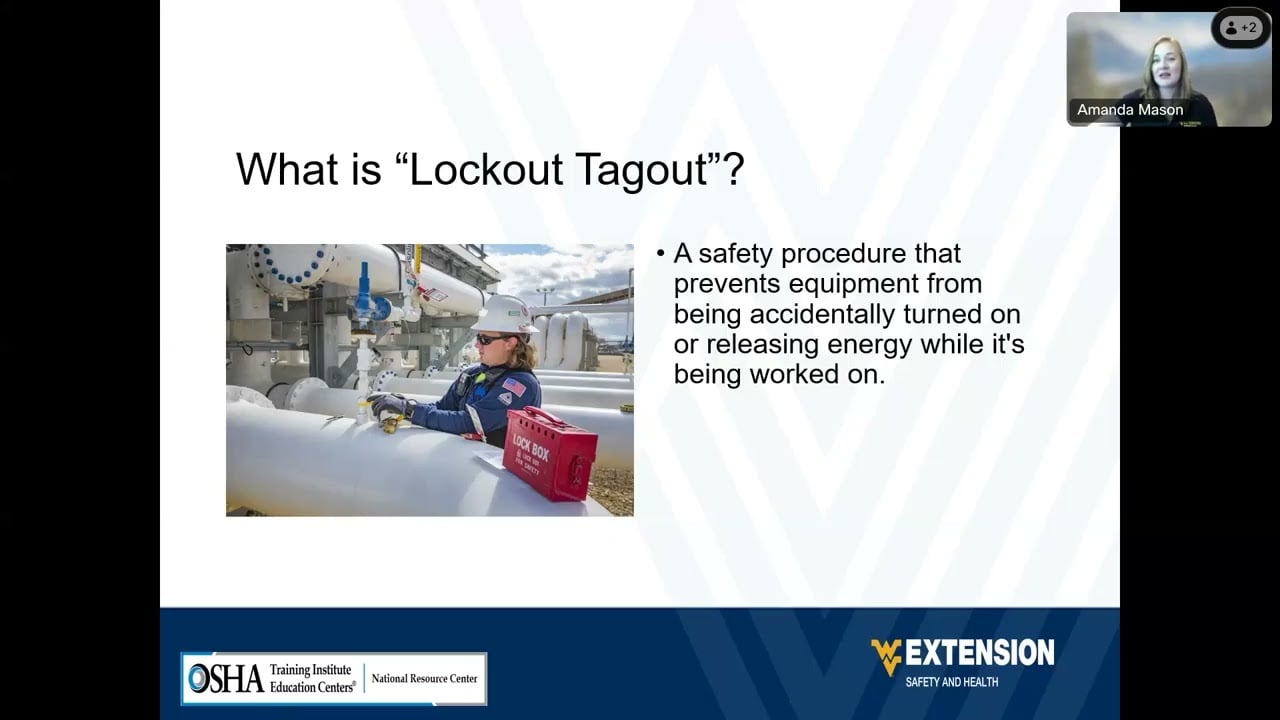
The Department of Labor video below explains hazardous-energy control. It supports the access and work-planning principles in this article; it does not authorize entry to flooded switchgear or replace a manufacturer-led damage assessment.
Watch on YouTube — USDepartmentofLabor
Dry appearance alone is insufficient. Obtain the required qualified assessment, component disposition, completed work and authorization before restoration.
No. Confirm the specified environmental conditions. Outdoor service does not establish an immersion capability.
No. Its meaning is limited by the method and equipment. The assessment must address the complete scope and manufacturer recommendations.
Provide component identities together with the water level, duration, contamination information, photographs and a clear statement of what remains uncertain.