Prefabricated substation corrosion inspection should identify where protective surfaces are failing, whether the enclosure still performs its mechanical and protective functions, and what exposure is driving the damage. A rust stain alone does not establish remaining metal thickness or justify repainting equipment in service. Start with the asset identity, safe access arrangements, repeatable photographs and the original enclosure specification. Escalate damage involving doors, supports, electrical bonding, oil containment or access security to the responsible engineer before authorizing cosmetic work.
This guide focuses on enclosure condition and repair planning. It complements a complete maintenance program; it does not provide live-work instructions, coating acceptance limits or permission to return damaged electrical equipment to service.
A compact substation can include several construction types. An outer sheet-metal enclosure, a transformer tank, a support frame and internal partitions may use different materials and coatings. Record which component has deteriorated before selecting a repair. Treating a weather cover like an oil-containing tank can lead to an unsuitable repair scope and an incomplete assessment.
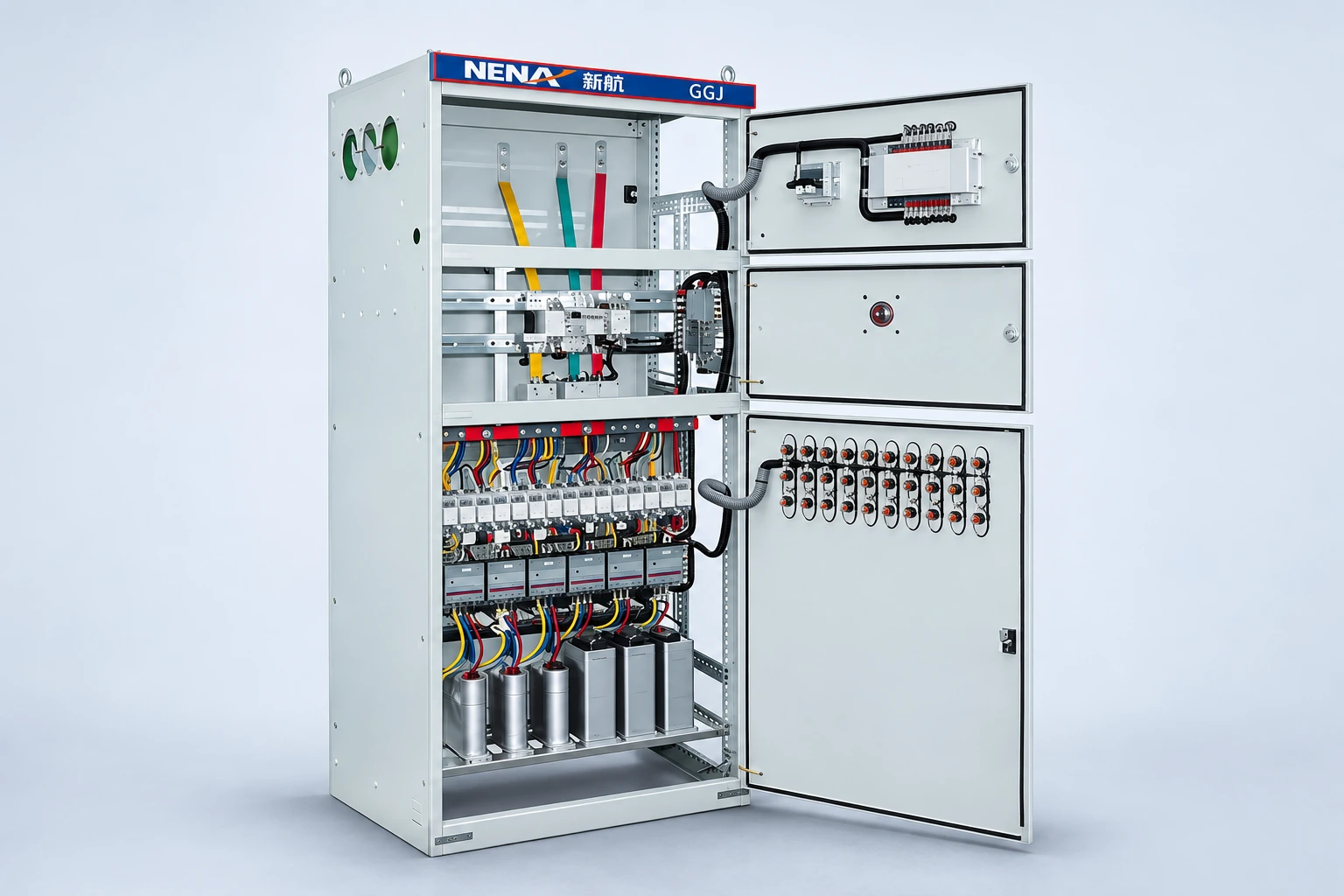
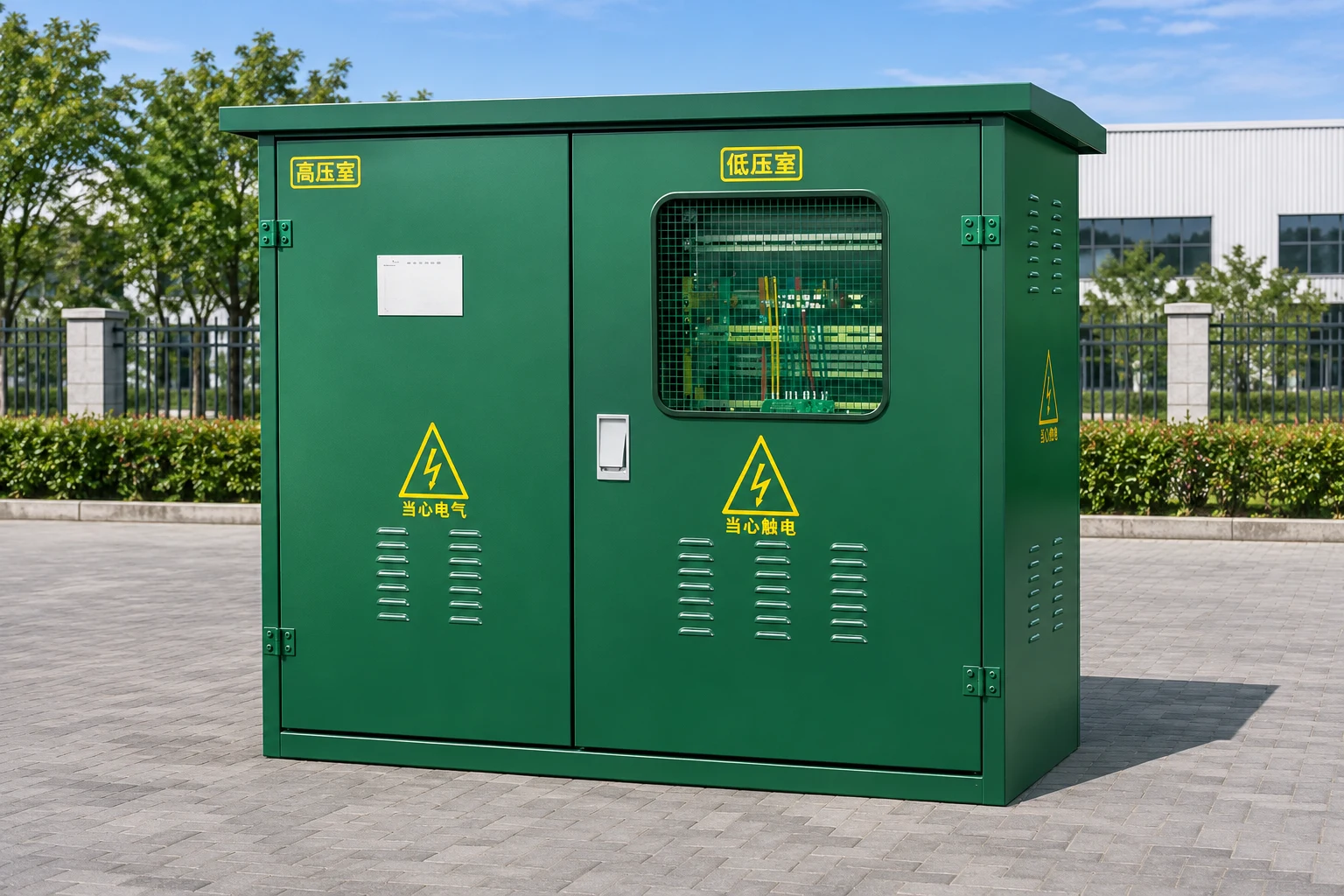
El NENA ZGS11-12 prefabricated substation is a relevant starting point for an equipment discussion. Its product photograph establishes the visible enclosure subject used in the illustrations, rather than proving a coastal coating classification or the material of every component. Request the project drawings, approved finish schedule and maintenance instructions for the actual supplied unit.
Separate an external walk-around from any activity requiring a compartment to be opened. Establish who owns the installation, who can grant access and who decides whether electrical isolation is necessary. Stop a routine visual visit if the enclosure condition creates an immediate access or electrical hazard.
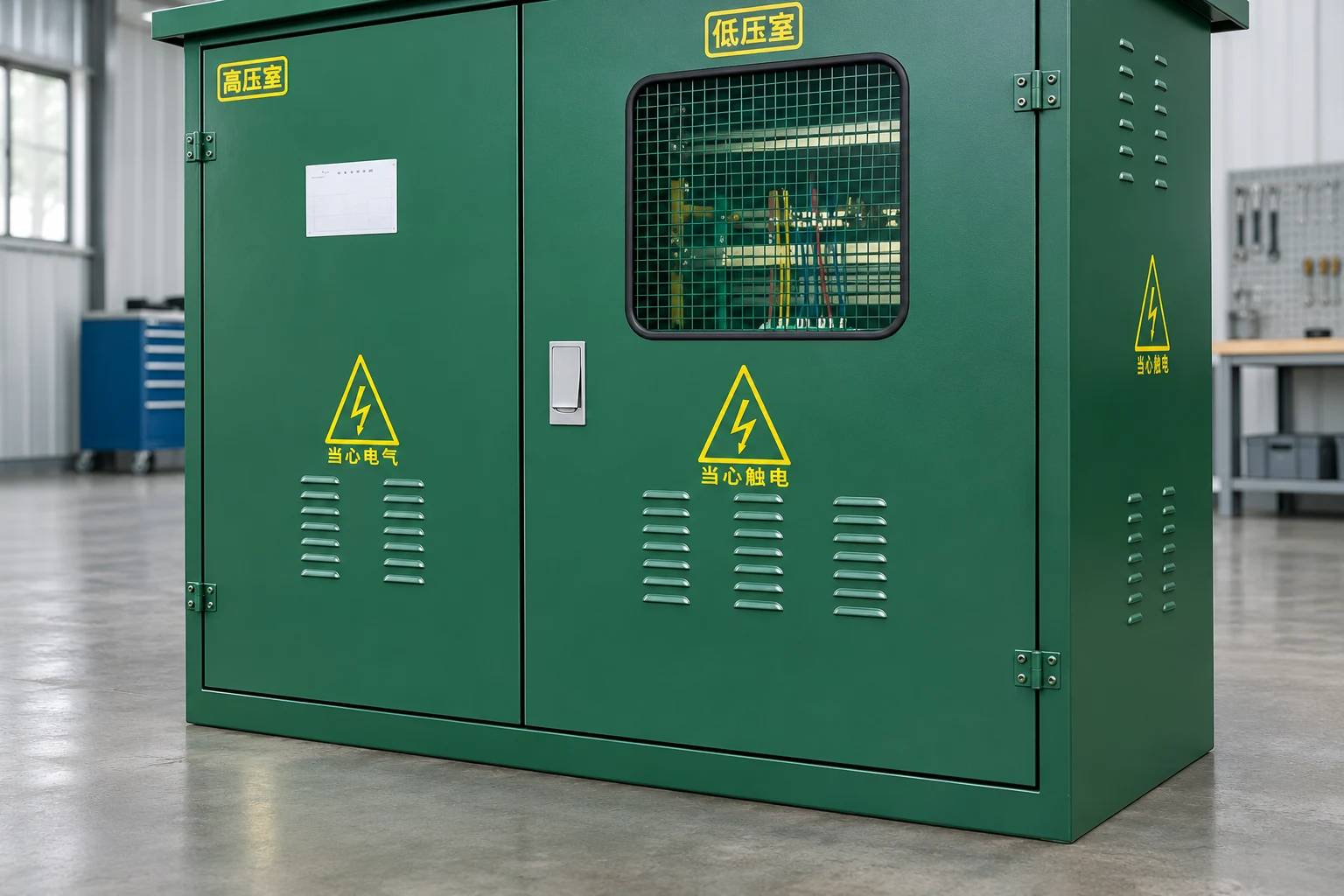
Document the surroundings: salt-bearing air, industrial deposits, irrigation spray, standing water, vehicle splash, damaged drainage and nearby chemical storage. Take an overall site photograph and a second image showing the equipment base. A close photograph of a brown patch without its surroundings cannot explain whether the problem is local mechanical damage or a recurring site condition.
Record the observation date and recent weather. Note whether the affected face receives direct rain or remains sheltered and damp. These are investigation inputs, not a corrosion-rate calculation. Do not infer a remaining service life from one visit or assume every unit near the coast needs the same coating system.
For context, Sydney Water’s kiosk-substation specification addresses enclosure materials, environmental conditions and maintainable construction. Its project requirements illustrate why exposure belongs in procurement documents; they are not universal specifications for every NENA installation.
Use a consistent route around the equipment. Identify the front, rear and sides on the record, then assign each observation a location that another inspector can find. Compare seams, corners, roof edges, fasteners, door bottoms and the base perimeter. Include any area repaired previously. Distinguish rust-colored runoff from corrosion originating in the underlying panel.
Photograph blistering, lifting finish, exposed metal and pitting separately. Include a scale where safe and permitted. A surface that looks small from a distance may extend under a coating edge, while a large stain may originate from a single fastener. Describe what is visible and list what remains concealed rather than recording an unsupported diagnosis.
El CPUC inspection best-practice report includes degradation, corrosion and enclosure-related observations among substation inspection items. A component-based record helps keep those findings separate from general appearance.
The following table is a planning aid, not a severity standard. The equipment owner must assign priorities using its approved condition criteria and the manufacturer’s instructions. Do not attach an arbitrary percentage of rusted surface to a return-to-service decision.
| Observation | Evidencias a retener | Decision to request |
|---|---|---|
| Finish damage with exposed metal | Location, close photograph, affected boundary and previous repairs | Confirm substrate condition and approved surface-repair system |
| Pitting or suspected metal loss | Unaltered photographs and engineer-approved assessment results | Decide whether thickness assessment or panel replacement is necessary |
| Door, hinge or latch deterioration | Alignment, security and permitted functional observations | Review safe access, enclosure integrity and replacement parts |
| Rust around base or supports | Drainage conditions, support arrangement and adjacent ground level | Assess structural involvement and correct the moisture source |
| Corrosion near a bonding connection | Exact connection identity and authorized inspection record | Arrange electrical assessment; paint appearance cannot confirm continuity |
A freshly painted cabinet can still contain damaged insulation, unreliable contacts or compromised bonding. Conversely, a visible coating defect does not quantify an internal electrical fault. Maintain separate findings for the enclosure, protective connections, switching equipment and transformer. Link them by asset number without merging their acceptance criteria.
El cURL Too many subrequests by single Worker invocation. To configure this limit, refer to https://developers.cloudflare.com/workers/wrangler/configuration/#limits cURL Too many subrequests by single Worker invocation. To configure this limit, refer to https://developers.cloudflare.com/workers/wrangler/configuration/#limits lista de verificación de mantenimiento de subestaciones prefabricadas. cURL Too many subrequests by single Worker invocation. To configure this limit, refer to https://developers.cloudflare.com/workers/wrangler/configuration/#limits.
cURL Too many subrequests by single Worker invocation. To configure this limit, refer to https://developers.cloudflare.com/workers/wrangler/configuration/#limits cURL Too many subrequests by single Worker invocation. To configure this limit, refer to https://developers.cloudflare.com/workers/wrangler/configuration/#limits cURL Too many subrequests by single Worker invocation. To configure this limit, refer to https://developers.cloudflare.com/workers/wrangler/configuration/#limits.
cURL Too many subrequests by single Worker invocation. To configure this limit, refer to https://developers.cloudflare.com/workers/wrangler/configuration/#limits.
Electrical work belongs to competent personnel using the applicable local procedures. HSE’s safe-working guidance provides a useful framework for planning electrical work, secure isolation and verification. It does not replace jurisdiction-specific requirements or the equipment owner’s switching and permit arrangements.
If the remaining section or support capacity is uncertain, obtain an engineering assessment. A visual blog checklist cannot supply a minimum acceptable thickness, a weld repair detail or a lifting authorization. Keep the equipment’s operating disposition separate from the decision to obtain a coating quotation.
A useful repair request identifies the substrate, existing finish if known, affected locations, environmental exposure and access restrictions. Ask the repair supplier to propose a compatible preparation method, coating system, application conditions, inspection stages and documented acceptance criteria. Include how adjacent electrical equipment will be protected from dust, solvent and overspray.
Decide which components require replacement rather than refinishing. A latch that no longer secures a door needs a mechanical solution; a coating cannot restore its geometry. A weakened support requires an assessment of its load-carrying function. An oil-containing component needs a repair process approved for that service, rather than an improvised enclosure patch.
Require a clear exclusion list. If the quotation covers external surfaces only, state that internal surfaces, hidden joints and electrical connections are outside the scope. This prevents a finished exterior from being mistaken for a comprehensive refurbishment certificate.
Review the cause alongside the repair. Consider drainage, vegetation, stored materials and the route of roof runoff. Check whether another contractor has raised the surrounding ground or directed irrigation toward the equipment. Any change to foundations, ventilation, cable entries or enclosure openings requires design review; do not seal or drill features based on appearance alone.
Document ownership of each correction. The coating contractor may not control civil drainage, and the electrical contractor may not control chemical storage. Assign a responsible person and completion evidence to every agreed action so that the same defect does not return while each supplier assumes another party solved it.
Retain photographs before preparation, after preparation where authorized, and after repair. Record the actual materials used, batch information, environmental conditions, inspection results and repaired locations. Keep the original deterioration finding in the asset history; a new finish should not erase evidence of earlier metal loss.
Set the next inspection using manufacturer instructions, site risk and the repair outcome. Avoid importing a generic monthly or annual interval without considering exposure and equipment importance. Revisit the same locations and camera angles so the next team can compare changes rather than relying on memory.
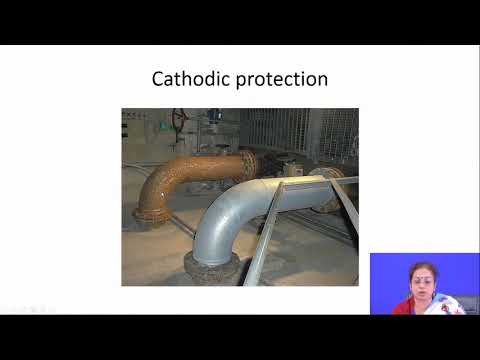
NPTEL IIT Kharagpur’s lecture explains corrosion prevention at a materials-engineering level. Use it to understand why protection involves more than a decorative finish. It is educational background and does not authorize a particular repair process on energized equipment.
Ver en YouTube — NPTEL IIT Kharagpur
No. Replacement depends on the affected component, remaining condition, protective function and approved assessment. Surface appearance alone cannot establish the repair scope.
Do not assume this is acceptable. The owner must assess the work, electrical hazards, access, preparation and contamination risks before authorizing a method.
No. Confirm the specified material and coating suitability separately. An enclosure designation alone does not establish the finish system for a particular atmosphere.
Provide the equipment identity, drawings, exposure description, location-based photographs, previous repair history and any authorized condition assessment, plus the required repair and documentation scope.