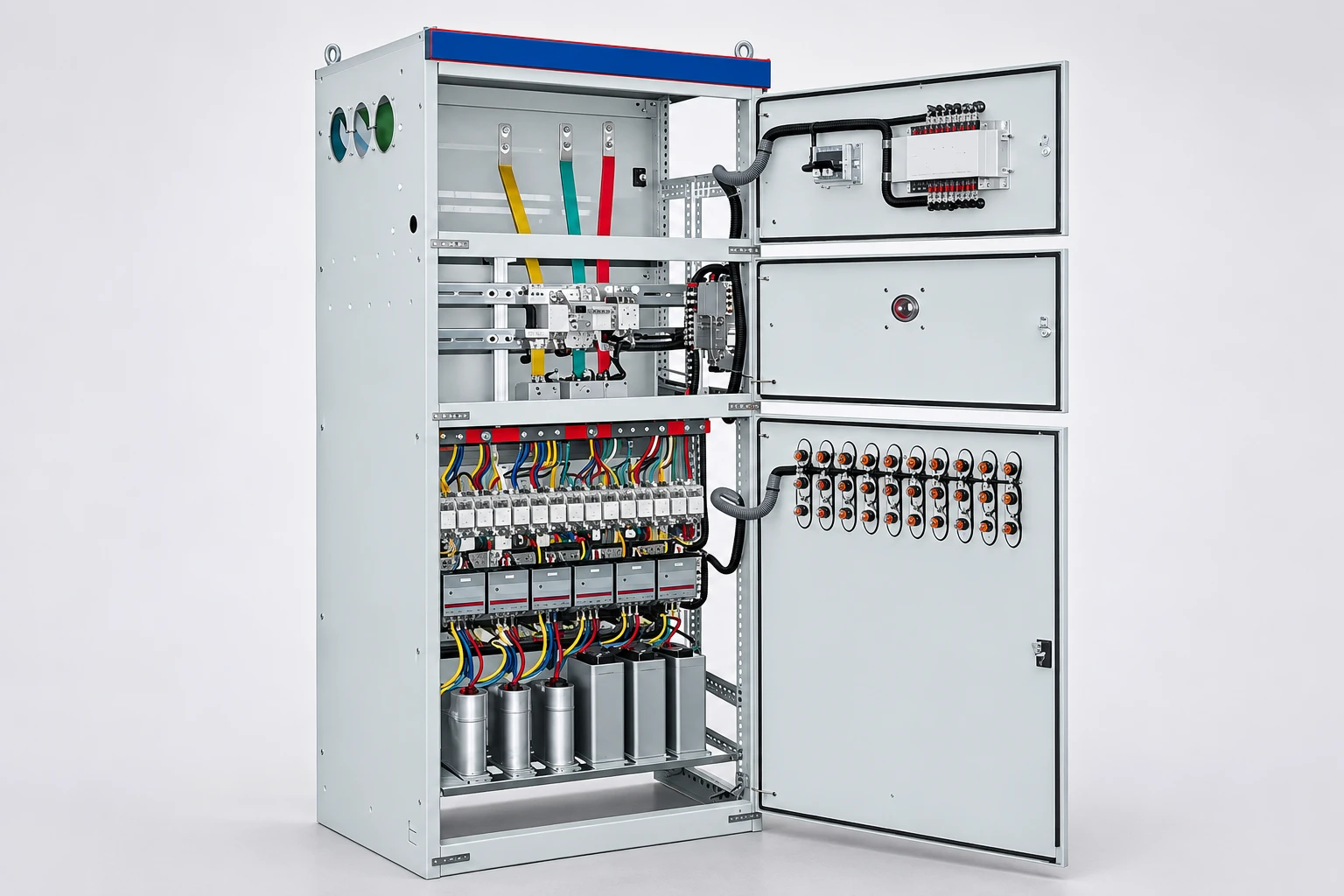
Power meter demand and a current power reading can both use kilowatts, yet they describe different time relationships. A displayed present-power value describes the meter’s current measurement or update period; demand usually describes power averaged over a defined interval. Maximum demand retains the highest qualifying demand value over a specified period. These numbers need not rise or fall together. Before comparing a cabinet meter with a utility bill, confirm the measurement boundary, units, interval method, timestamps and reset period. This guide explains those checks without assuming that every integrated meter supports demand logging or utility billing functions.
Begin with the exact screen label and the applicable manual. A value marked kW may be total active power, an individual phase value, an average or a stored maximum. The unit alone does not identify the register. A photograph that omits the page name or symbol may therefore be insufficient to explain the reading later.
Keep power and energy separate. Power describes the rate of energy use, while kilowatt-hours describe energy accumulated over time. Demand is normally expressed as a power quantity but adds a defined averaging interval. A cumulative kWh total should not be compared directly with a kW reading as if one instrument were inaccurate.
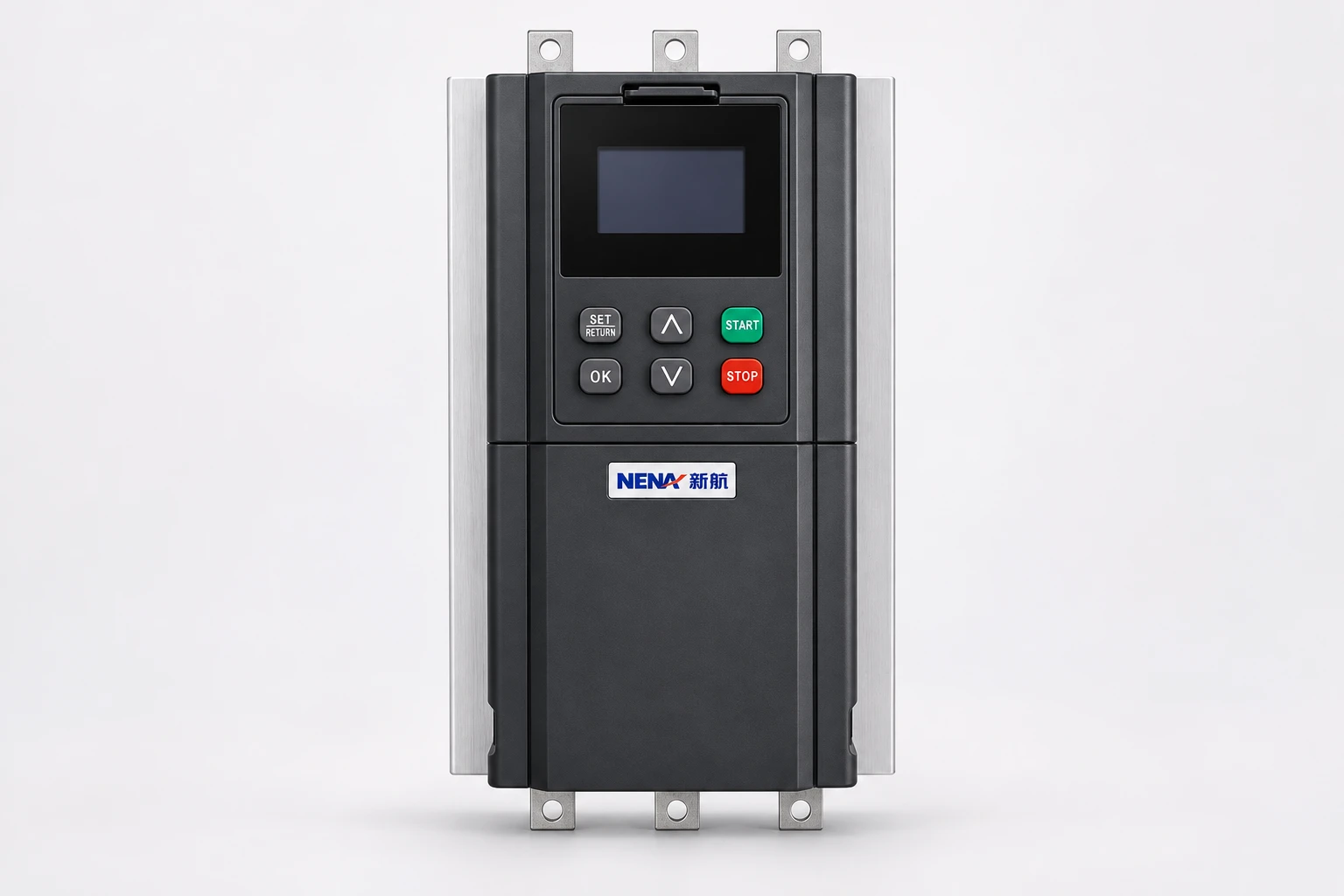
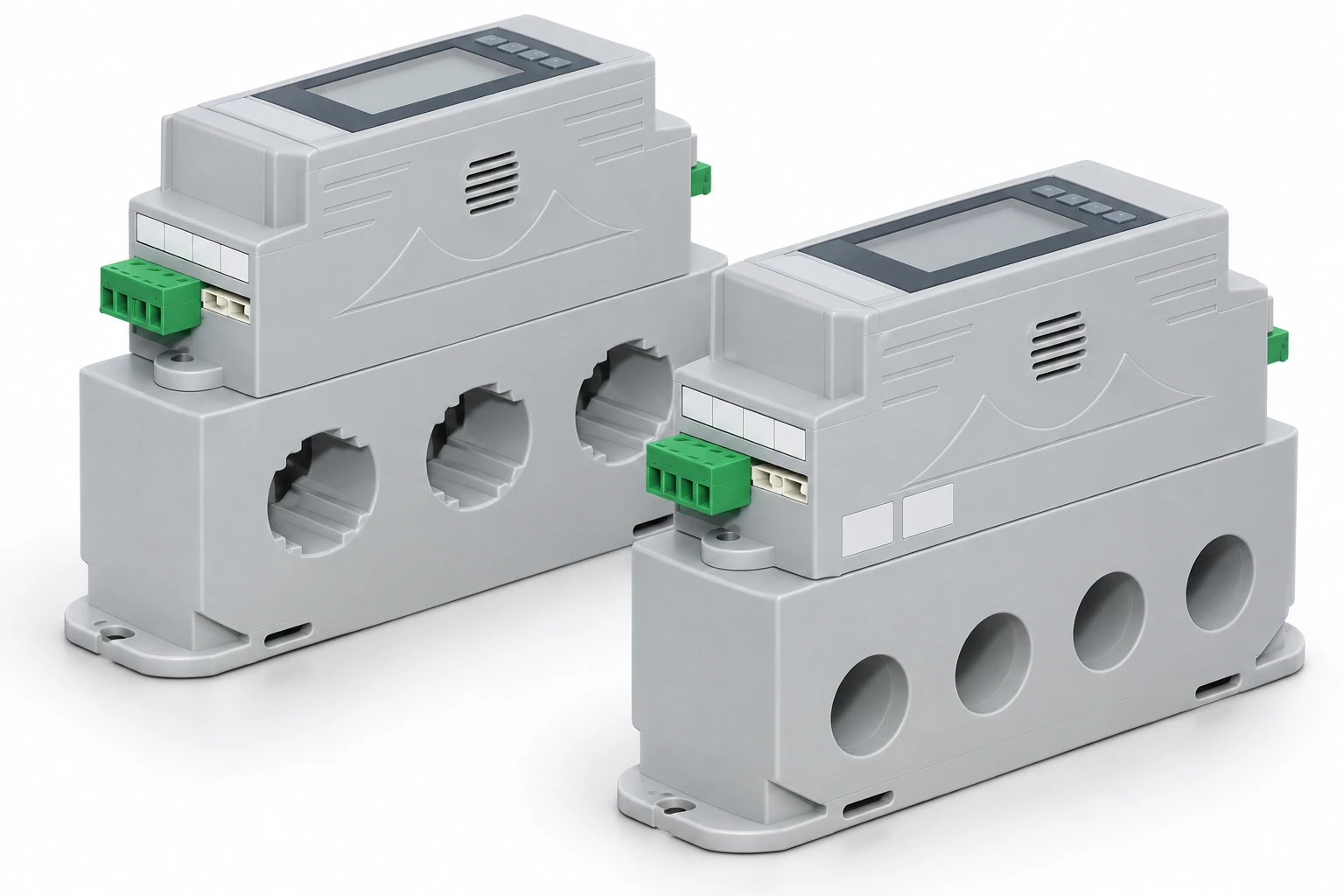
O NENA integrated power-meter product is the physical reference used here. Its conductor apertures, housing and display identify the product family. The website photograph does not establish a demand register, interval memory, communications interface or billing approval. Confirm any required function in the exact model documentation before purchasing it for the proposed task.
For a simple interval-average calculation, demand equals the energy used during the interval divided by its duration. Use consistent units: demand in kW equals energy in kWh divided by time in hours. This relationship is useful for understanding an interval record. It does not identify the utility’s particular meter method or every billing adjustment.
Consider an illustrative 20-minute interval. Suppose a defined load uses 8 kW for ten minutes and 2 kW for the next ten minutes. Its energy is 8 × 10/60 + 2 × 10/60 = 1.667 kWh, and its average demand is 1.667 ÷ (20/60) = 5 kW, subject to rounding. During the second segment, a present-power display can read 2 kW while the completed interval average remains 5 kW.
These are invented arithmetic inputs for an explanation, not measured product performance or a recommended billing interval. The example assumes constant power within each segment, complete coverage of one interval and the same measurement boundary throughout. It does not model short transients, missing samples, reactive demand or a different interval algorithm.
The Department of Energy’s guide to understanding electricity bills explains the distinction between energy consumption and demand charges. Use the current site tariff and utility data definition to establish the interval and billing treatment for the actual account.
| Quantidade | Time relationship | Question before comparison |
|---|---|---|
| Present active power | Current measurement or display update period | Is this total power at the required boundary? |
| Interval-average demand | Average over a defined interval | Which duration and averaging method apply? |
| Maximum demand | Highest qualifying demand retained for a period | When did the retention period begin or reset? |
| Accumulated energy | Total energy across elapsed time | Do the start and end timestamps match the comparison? |
| Billing demand | Quantity determined by the applicable tariff | Does the tariff add any specific treatment or condition? |
This qualitative table is a reading guide, not a claim about available registers in the NENA meter pictured. The simple arithmetic example applies only to interval-average active-power demand. Establish each actual register and definition independently. A stored maximum does not become incorrect merely because the load is low when someone reads the display.
A maximum value has meaning only with its retained period and reset history. It might describe a commissioning test, an operator-selected period or another configured record. Do not assume it matches the utility billing month. Obtain the relevant instructions and preserve the existing value and timestamp before any authorized reset.
Resetting a local maximum can remove evidence needed for investigation. It also does not necessarily change the utility’s independent record. If the purpose is bill reconciliation, request the accepted billing data rather than trying to make a cabinet display match by clearing it. Record who approved a reset and why it was appropriate.
For a replacement instrument, include the need to preserve historical information in the change plan. Photograph or export permitted records before removal, note the final reading time and retain the new instrument’s start time. A discontinuity in the record should be documented rather than smoothed over with an invented continuous trend.
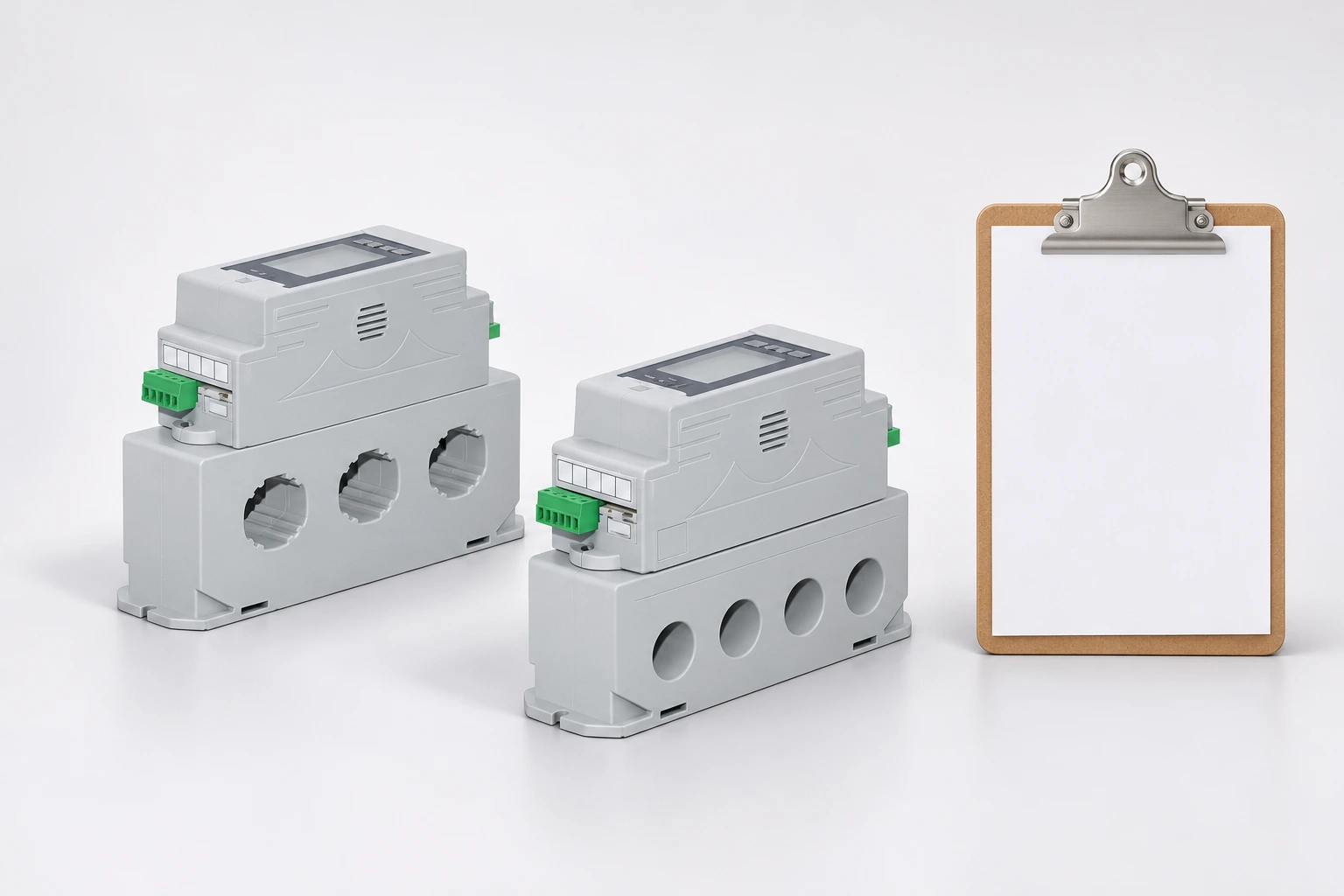
A utility meter may cover the whole site while a cabinet meter covers only one feeder. Their readings can differ for legitimate reasons. Draw the boundary of each measurement and list the equipment included. On-site generation, separate services and other supply paths can complicate that relationship. Do not assume a local meter represents the utility account because both displays use kW.
Also confirm whether the record concerns import, export or a defined net quantity. The negative-power reading guide addresses sign and direction as a separate investigation. Correctly identifying the time interval does not resolve an incorrect measurement direction, and a negative value alone does not define the utility’s billing treatment.
cURL Too many subrequests by single Worker invocation. To configure this limit, refer to https://developers.cloudflare.com/workers/wrangler/configuration/#limits cURL Too many subrequests by single Worker invocation. To configure this limit, refer to https://developers.cloudflare.com/workers/wrangler/configuration/#limits cURL Too many subrequests by single Worker invocation. To configure this limit, refer to https://developers.cloudflare.com/workers/wrangler/configuration/#limits.
cURL Too many subrequests by single Worker invocation. To configure this limit, refer to https://developers.cloudflare.com/workers/wrangler/configuration/#limits.
cURL Too many subrequests by single Worker invocation. To configure this limit, refer to https://developers.cloudflare.com/workers/wrangler/configuration/#limits.
cURL Too many subrequests by single Worker invocation. To configure this limit, refer to https://developers.cloudflare.com/workers/wrangler/configuration/#limits.
cURL Too many subrequests by single Worker invocation. To configure this limit, refer to https://developers.cloudflare.com/workers/wrangler/configuration/#limits demand glossary distinguishes a demand interval from the demand charge under the applicable rate schedule. It is a useful terminology source, not the tariff for a particular facility. The utility or contractual billing process determines the accepted charging quantity.
The Department of Energy’s utility-rate evaluation guidance recommends reviewing bills and available interval data together. This supports a practical evidence package: the relevant tariff, billing period, utility interval file, local measurement definition and production-event record. Preserve the original data before applying any transformations.
A lower present-power reading after a machine stops does not prove that the period’s maximum demand has been reduced. Conversely, one short visible peak does not establish the charge without the interval and tariff context. Use the accepted record to evaluate operational changes, and do not turn the illustrative calculation above into a forecast of a customer’s savings.
State the decision the meter must support: live equipment monitoring, energy allocation, interval analysis or another defined task. Request the available register list, units, update behavior, retention, reset permissions and export method where relevant. Ask the supplier to confirm the exact model offered and distinguish standard features from optional functions.
For a cabinet-level installation, the guia de seleção de armário de controlo de motor gives wider equipment context. Keep the metering requirement explicit within that specification. A panel can provide useful operating indications without being a substitute for the utility’s billing meter or a complete energy-management system.
Jim Pytel’s educational lecture below explains energy and power, providing background for the units used here. It does not specify a utility tariff or demonstrate the capabilities of the pictured NENA product. The article’s interval calculation and comparison checklist remain usable without watching the video.
Assista no YouTube — Jim Pytel
The demand value may describe an earlier or longer interval, while present power reflects the current measurement period. Confirm the register definition and timestamps before treating the difference as a fault.
No. Maximum demand is a retained power-related value, usually expressed in kW. Total energy accumulates over time and is commonly expressed in kWh.
No. Confirm the exact model's registers, averaging method, retention and export capabilities. Housing style and a visible display do not establish those functions.
A local reset does not establish any change to the utility's independent billing record. Preserve evidence and use the applicable tariff and accepted data process for billing questions.