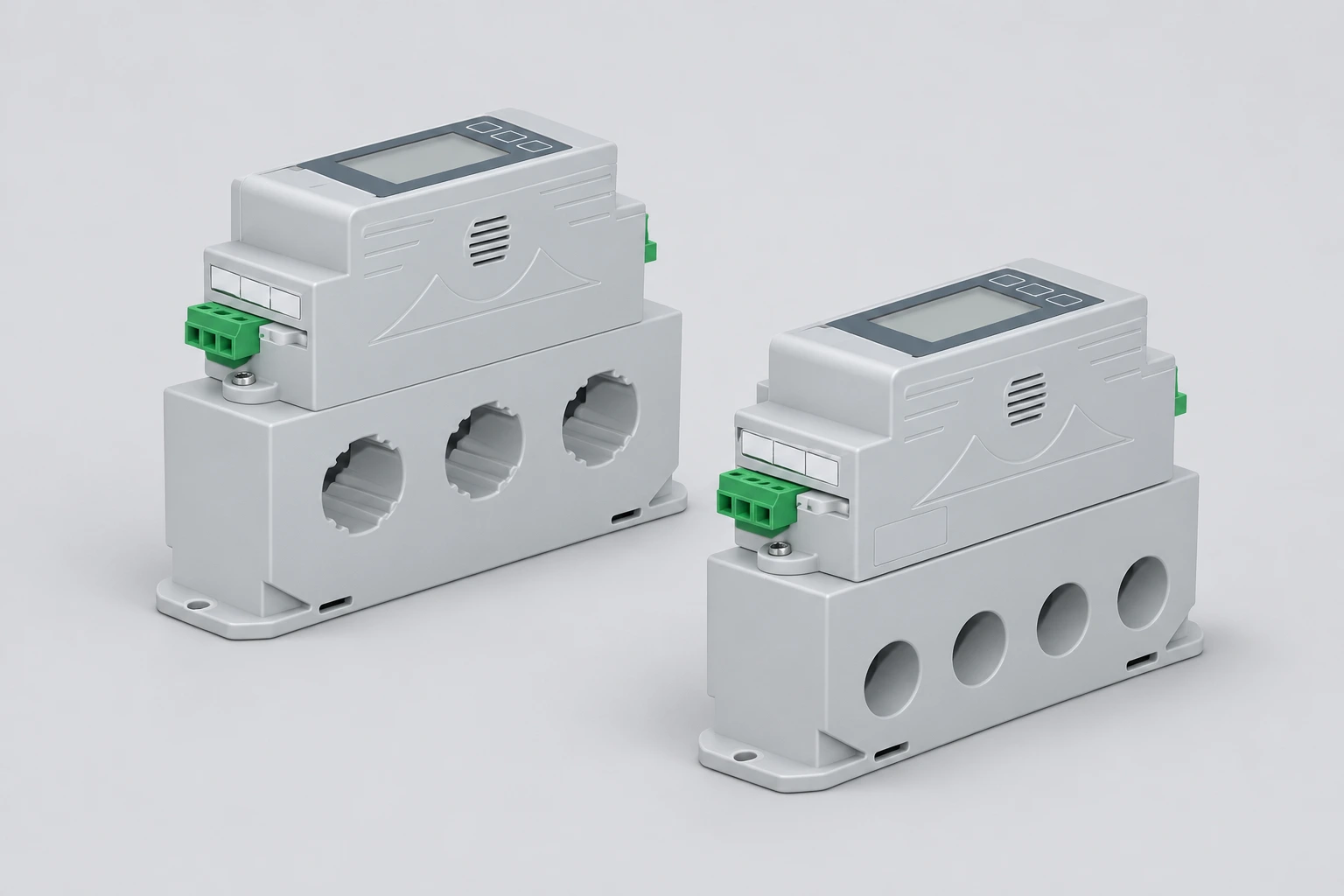
Prefabricated substation cable entry sealing should be specified as a set of interfaces: the duct or opening, the cable, the enclosure or foundation, and the environmental conditions each seal must resist. Filling a visible gap is not enough to establish a suitable installation. Identify possible water paths, obtain the approved entry detail and define inspection responsibilities before cable work begins. This guide helps project buyers and site teams prepare that scope. It does not prescribe a universal seal material, certify an enclosure’s protection level or authorize work inside an energized substation.
Draw the cable route from the external duct or trench to the intended termination compartment. Mark the foundation, any intermediate chamber, the enclosure boundary and each penetration. Water can follow a route that is not obvious from the outside appearance of the station. The civil and electrical drawings should describe the same arrangement.
For a station on a raised foundation, distinguish the external duct-to-foundation interface from the transition into the equipment space. For a below-ground route, establish the expected site conditions and how water in surrounding ground or chambers is addressed. These are questions for the project design, not dimensions to infer from a catalog image.
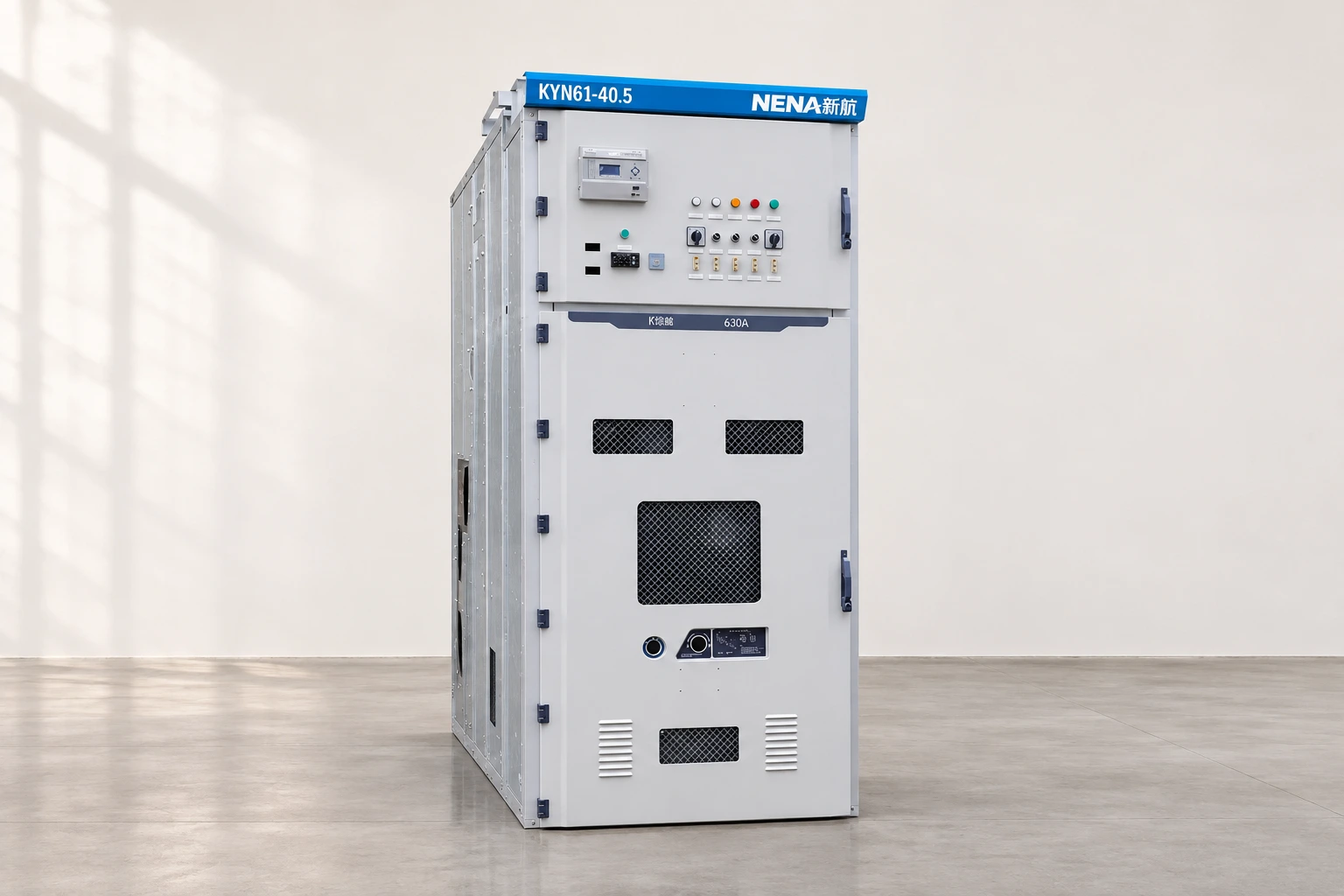
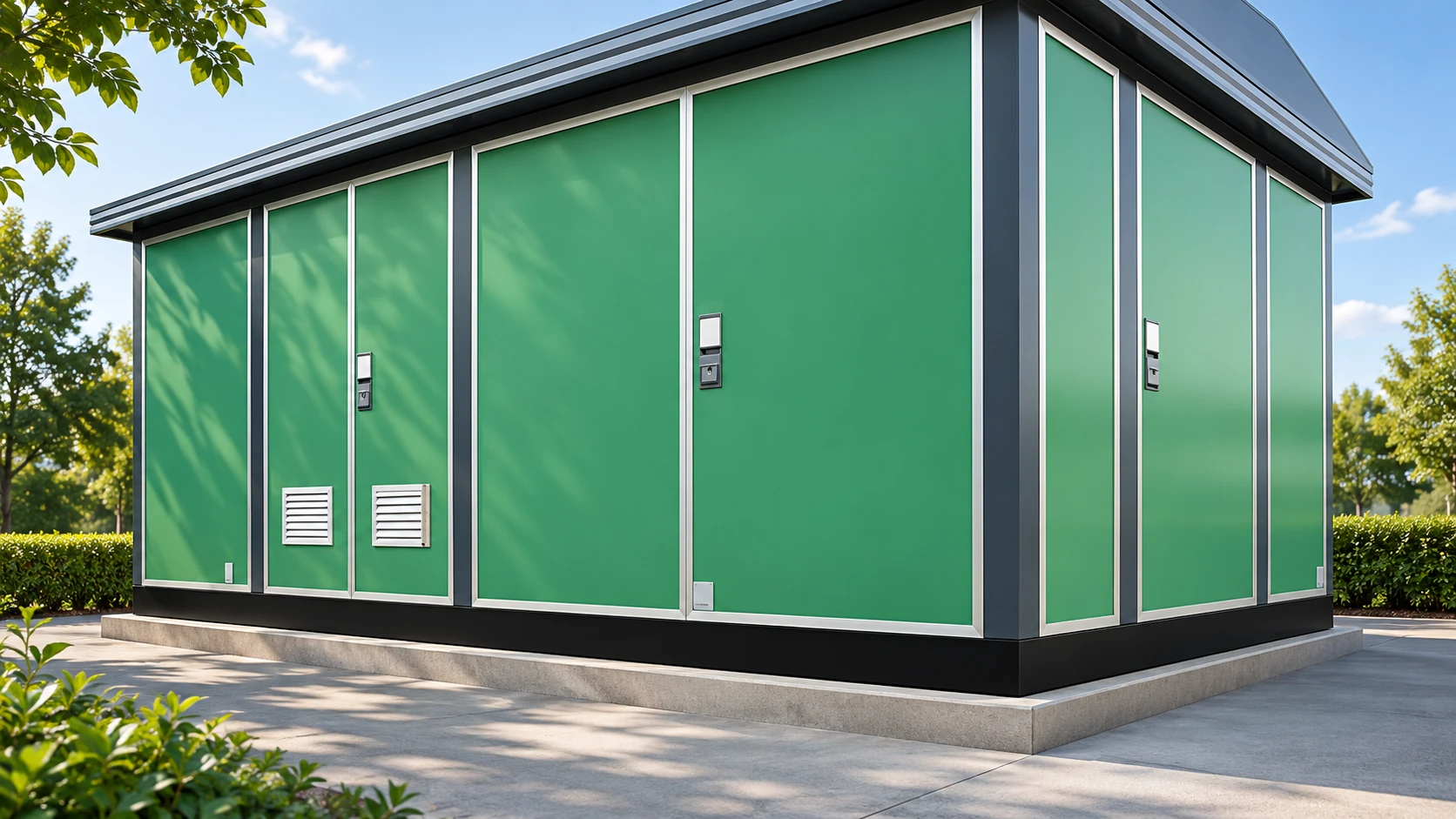
O Subestação pré-fabricada exterior europeia NENA illustrates the enclosure family discussed here. Its product photograph does not show the supplied cable entry arrangement. Request the actual foundation and entry drawings before selecting accessories or scheduling site work.
These functions should be listed individually. A product intended to limit water passage does not automatically establish a required fire performance. Likewise, a fire-stopping specification does not by itself demonstrate suitability for the expected water exposure, cable movement or entry geometry. Ask which requirement applies at each boundary and what evidence supports the proposed complete arrangement.
Cable support is another responsibility. Do not assume the seal is intended to carry cable weight, resist pulling loads or replace the approved cleating arrangement. The electrical designer and seal supplier should confirm their respective interfaces. Any movement allowance must fit the actual cable and installation rather than being copied from a different project.
Record the acceptance documents early. An isolated certificate may describe a tested product while leaving uncertainty about the opening size, substrate, cable grouping or installation method on this site. The review must connect the evidence to the proposed assembly. Do not claim a rating for the whole substation from a component’s description.
Make an entry schedule that includes used, spare and temporarily open routes. An unused duct can still provide a path into a chamber or equipment space. Labeling it as spare does not resolve how it is protected before and after commissioning. Define who maintains temporary protection while cable installation is incomplete.
| Interface or condition | Information to confirm | Record for acceptance |
|---|---|---|
| Used duct around installed cables | Cable dimensions, grouping, duct identity and selected assembly | Approved detail and installation inspection |
| Unused or future duct | Approved closure and future re-entry method | Opening identifier and closure status |
| Foundation-to-enclosure transition | Responsibility for each boundary and possible water paths | Coordinated civil and electrical drawing |
| Temporarily open route | Protection, owner and permitted duration | Work-stage inspection and final closure check |
| Existing entry after cable changes | Compatibility with revised cables and disturbance history | Updated schedule and reinstatement evidence |
As a utility-specific example, UK Power Networks’ secondary substation civil design document addresses waterproofing and sealing ducts before commissioning. Its requirements belong to its stated network and document revision. Use the applicable owner requirements for your project, rather than treating that example as a universal specification.
A seal may be installed by one contractor on a surface prepared by another. Agree who verifies the opening condition, access, cleanliness and dimensional information required by the selected system. Resolve damaged ducts or an unsuitable substrate before the installer is expected to complete the seal. Concealing a civil defect can make later diagnosis more difficult.
The installation sequence also matters. Pulling and supporting cables, completing terminations, inspecting entries and closing foundation access are related tasks. Set inspection hold points so that relevant surfaces and cable arrangements remain visible when checked. Closing a chamber before recording the entry can remove the evidence needed for acceptance.
Ask how temporary covers will be identified and removed or converted into final work. A construction-stage barrier should not silently become the permanent arrangement. The receiving team needs a clear list of remaining openings and outstanding tasks. Our lista de verificação de manutenção de subestação pré-fabricada connects these entry records with the wider operating and maintenance plan.
If moisture is found, record its location and timing before attributing it to cable entries. Compare recent rain, ground or chamber conditions, open construction routes and any known disturbance. Water on a floor does not alone identify where it entered. Internal condensation and external ingress require different investigations even when they produce similar visible dampness.
For that separate environmental question, see cURL Too many subrequests by single Worker invocation. To configure this limit, refer to https://developers.cloudflare.com/workers/wrangler/configuration/#limits. cURL Too many subrequests by single Worker invocation. To configure this limit, refer to https://developers.cloudflare.com/workers/wrangler/configuration/#limits.
cURL Too many subrequests by single Worker invocation. To configure this limit, refer to https://developers.cloudflare.com/workers/wrangler/configuration/#limits cURL Too many subrequests by single Worker invocation. To configure this limit, refer to https://developers.cloudflare.com/workers/wrangler/configuration/#limits cURL Too many subrequests by single Worker invocation. To configure this limit, refer to https://developers.cloudflare.com/workers/wrangler/configuration/#limits.
cURL Too many subrequests by single Worker invocation. To configure this limit, refer to https://developers.cloudflare.com/workers/wrangler/configuration/#limits.
cURL Too many subrequests by single Worker invocation. To configure this limit, refer to https://developers.cloudflare.com/workers/wrangler/configuration/#limits.
cURL Too many subrequests by single Worker invocation. To configure this limit, refer to https://developers.cloudflare.com/workers/wrangler/configuration/#limits cURL Too many subrequests by single Worker invocation. To configure this limit, refer to https://developers.cloudflare.com/workers/wrangler/configuration/#limits explains the need for a documented review before restoration.
Keep a register linking each entry identifier with its location, approved arrangement, installation date and inspection record. When cables are added or removed, review the affected entry rather than assuming the remaining seal still matches the approved configuration. Assign responsibility for reinstatement before the cable-change work begins.
HSE’s maintenance guidance supports planned work, competent people and the control of hazards. Include safe access and coordination with operations in the maintenance plan. Seal inspection must not be used as a reason for unplanned entry into electrical or confined spaces.
Set inspection opportunities around the site’s actual exposure and maintenance arrangements. A universal calendar interval would ignore site conditions, construction activity and the selected system’s instructions. Record observations consistently so that a changed condition can be recognized. Escalate new dampness or disturbed protection through the asset owner’s reporting process.
Provide the station identity, foundation and entry drawings, cable schedule, opening dimensions and environmental design information. State whether the inquiry covers a new installation, temporary construction protection, a spare duct or repair of an existing entry. Identify any applicable utility or project specifications and ask the supplier to list exclusions clearly.
The handover should name the parties responsible for the duct, foundation, enclosure boundary, seal assembly and cable support. Include approved deviations and the location of concealed-work records. This prevents a gap in ownership where each contractor assumes another has completed the final closure.
Finally, distinguish installation acceptance from long-term performance claims. A completed checklist confirms the agreed work and evidence at the inspection stage. It does not promise unlimited protection against every flooding condition or validate changes made later. Give the operating team enough information to preserve the accepted arrangement and to recognize when a fresh review is necessary.
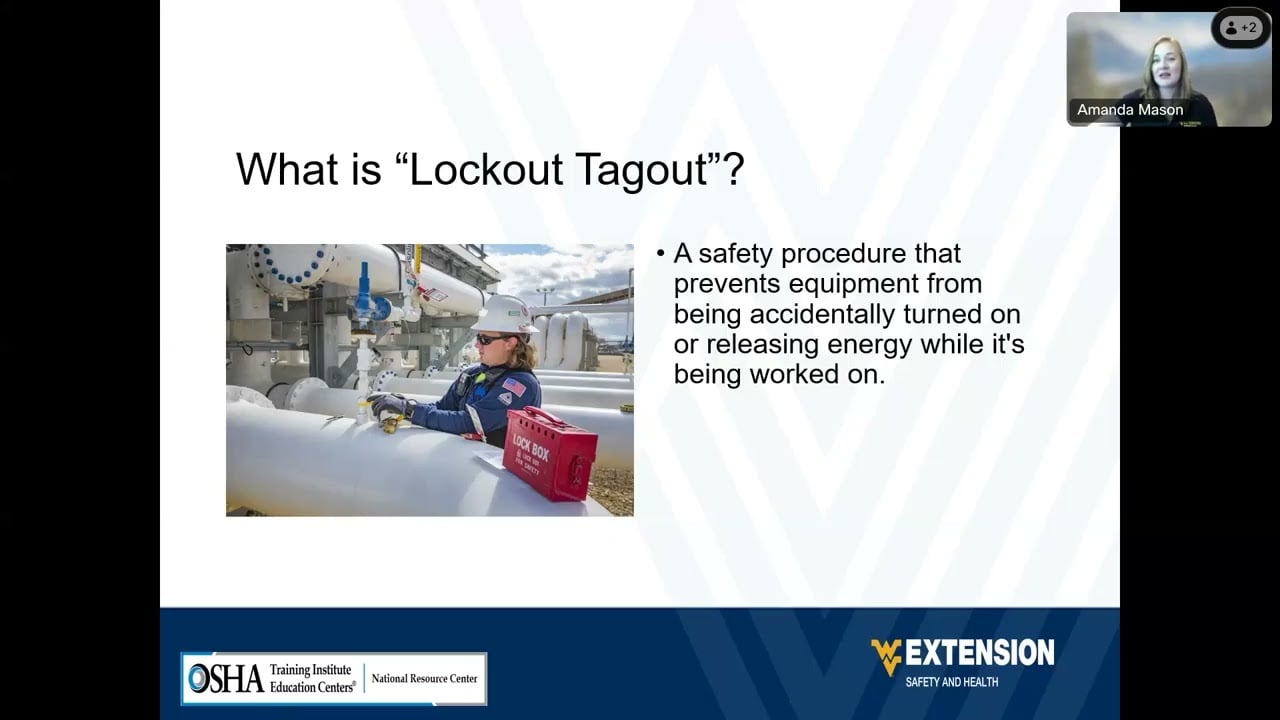
The Department of Labor video introduces lockout and tagout principles. It reinforces the safe work boundary; it is not a demonstration of cable sealing or a substitute for the substation owner’s access and isolation procedures.
Watch on YouTube — USDepartmentofLabor
Do not assume so. Match the complete proposed arrangement to the actual opening, cables, environment and applicable project requirements.
Yes. Record how unused routes are protected and how future access will be managed under the approved design.
No. Acceptance also needs the specified design and installation evidence. A dry observation describes conditions at that time.
No. Any affected equipment requires its own condition assessment and release under the asset owner's approved procedure.