Prefabricated substation relocation should begin with a decision on whether the existing assembly is suitable for another move and another site. A transportable appearance is not approval to lift an aged station as one unit. Obtain the original handling documents, assess its present condition, verify the new site’s electrical and civil requirements, and define responsibility for disconnection, transport and recommissioning. Only then can the owner compare reuse with replacement and commit to an outage or transport booking.
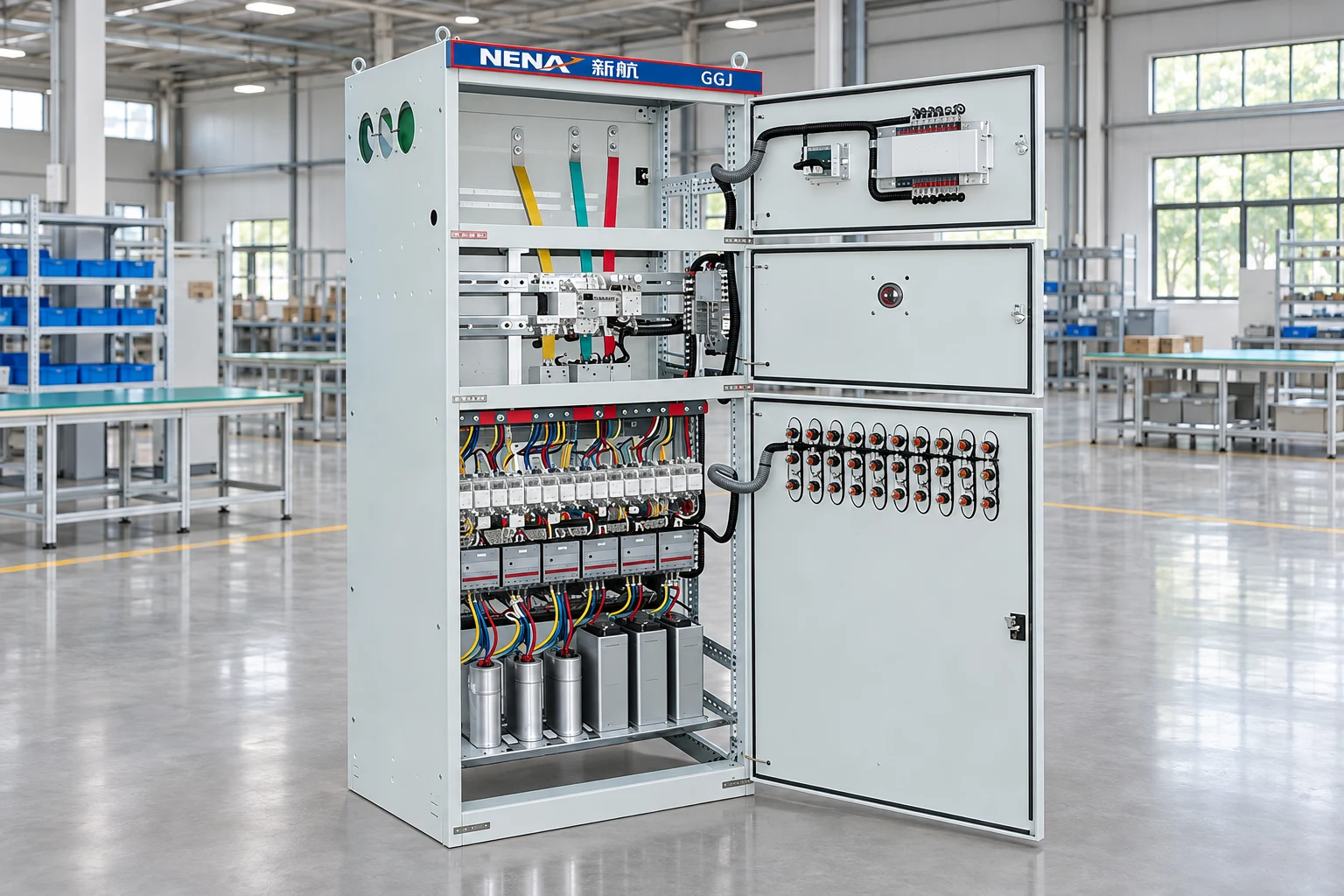
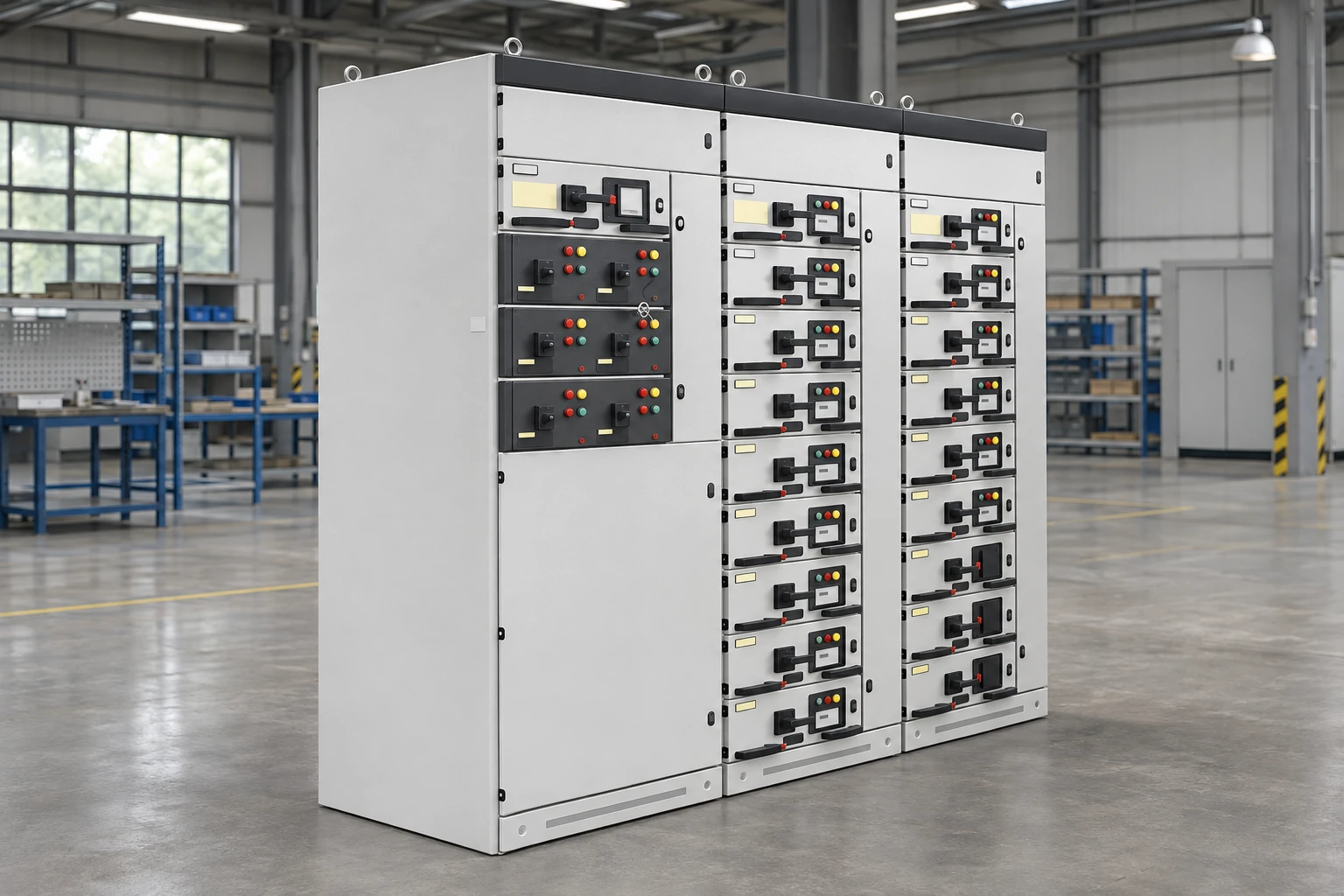
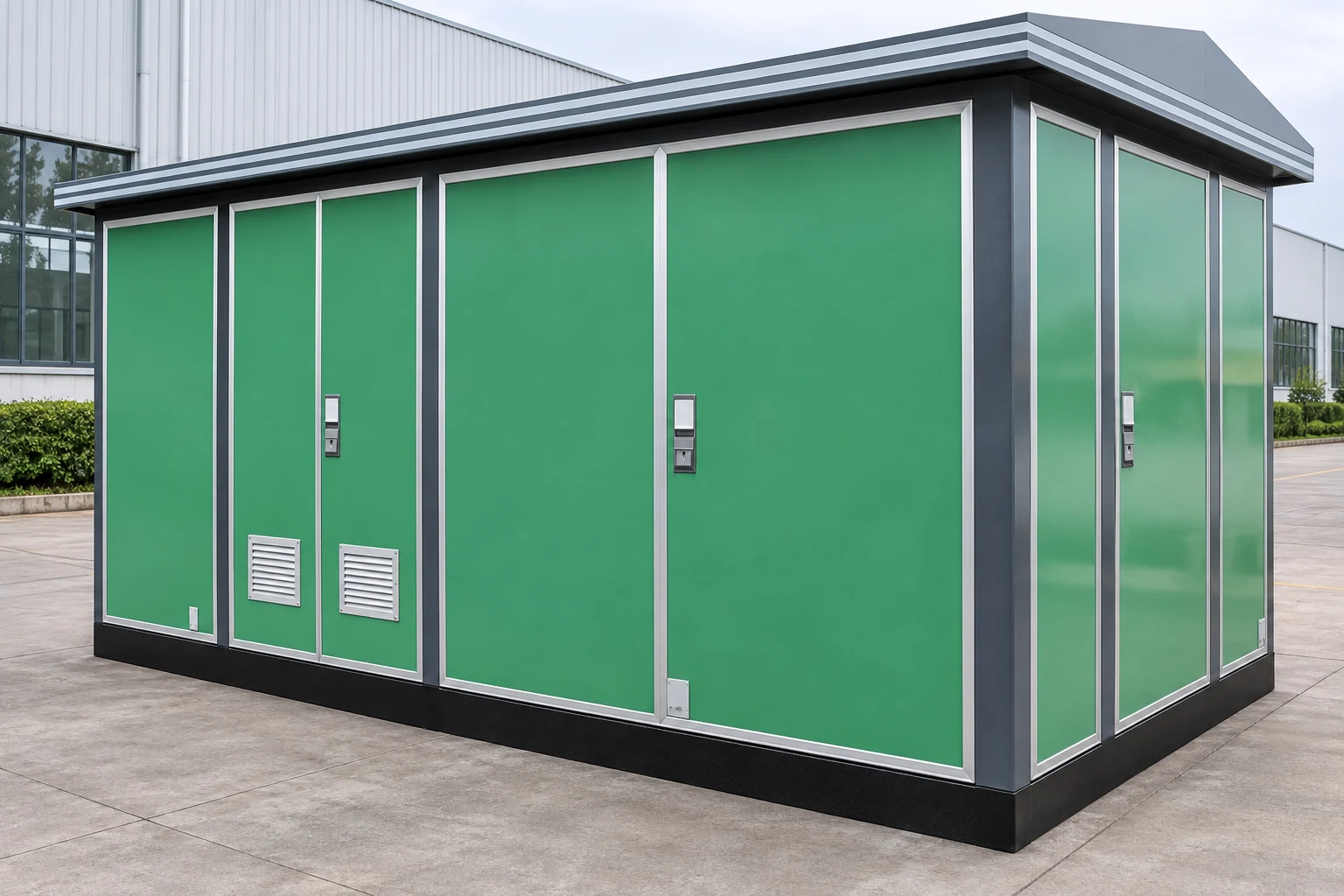
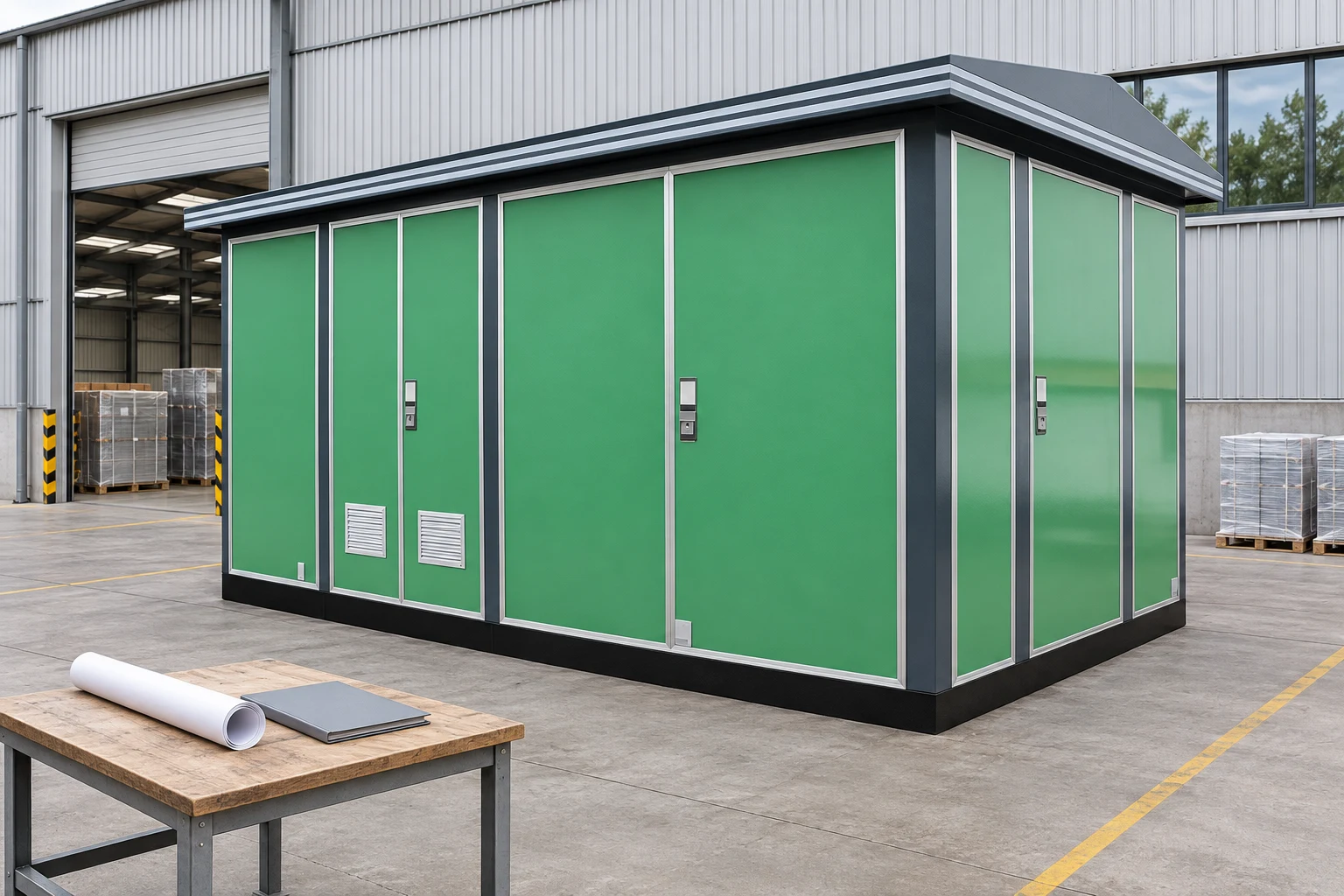
O NENA YB European outdoor prefabricated substation illustrates the relevant product category. Its enclosure photograph does not establish lifting points, transport mass, relocation suitability or commissioning limits for a particular station. Those details require the supplied documents and a review of the actual assembly.
Start with the business requirement: what load will the station supply, for how long, and by what required date? Compare that requirement with the existing transformer’s rating, distribution arrangement, condition and remaining support options. An available enclosure may still be unsuitable if the new supply, protection interface or environmental conditions differ materially from its original application.
Ask the original supplier or a competent engineering organization to review the proposed move. Provide the serial number, configuration, service history, alterations and photographs of the base and enclosure. A factory dispatch drawing may describe the original shipping condition rather than the assembly as it stands today. Missing records, undocumented modifications or deterioration should become explicit decision points.
Keep replacement in the comparison. A lower purchase cost for reused equipment can be offset by repairs, new cables, civil changes, outage risk and unavailable components. The purpose of the initial review is to decide whether further relocation design is justified, not to declare the old station fit for service from a photograph. Record unresolved items before awarding transport work.
Create a single controlled information pack. Include the single-line diagram, arrangement drawings, nameplates, component list, protection settings, earthing information and previous test records. Add the approved lifting and transport instructions if available. Identify which documents still match the installed equipment and which need revision following changes during service.
Record each proposed transport unit separately. A station may need partial dismantling, component removal or a different handling arrangement from its original delivery. Do not estimate a transport mass from the transformer rating alone. Obtain the confirmed mass, dimensions, center-of-gravity information and handling requirements for the actual shipping condition before choosing equipment or requesting a firm carrier price.
Photograph accessible condition details through an approved inspection process: doors, base, corrosion, water marks, seals and evidence of movement or impact. Connect each finding to an inspection action and responsible person. The guia de inspeção de receção is useful for structuring evidence, but relocation also needs an assessment of damage and changes accumulated during prior service.
| Área de revisão | Information to compare | Required project decision |
|---|---|---|
| Interface elétrica | Supply voltage, load, fault conditions and protection coordination | Confirm compatibility or specify approved changes |
| Earthing and connections | New site design, cable routes, termination interfaces and bonding provisions | Approve the connection design before disconnection |
| Civil installation | Foundation geometry, bearing conditions, drainage and service access | Accept the prepared site against the actual station drawings |
| Handling and transport | Actual shipping units, mass, approved attachments and route constraints | Release a competent handling and transport plan |
| Retornar ao serviço | Condition assessment, required tests and responsible approving parties | Define acceptance evidence and energization authority |
This is a project coordination table rather than a set of universal technical limits. Each row requires evidence specific to the station and destination. Mark assumptions clearly. An unanswered interface question should stay open until the responsible designer resolves it, even if a truck and crane are already available.
Map the loads affected by the old station’s removal and determine whether temporary arrangements are needed. Identify the utility or network operator’s involvement and any required approvals. Agree the switching boundary and handover responsibilities before setting an outage date. A relocation contractor should not discover an undocumented auxiliary supply or backfeed after arriving to disconnect equipment.
O HSE guidance for work on electrical installations emphasizes preparation and secure isolation of relevant energy sources. Apply the local rules and the installation’s approved procedures through qualified personnel. The work pack should specify who establishes, verifies and maintains the safe condition, and how that condition is transferred between electrical and transport teams.
Label and document interfaces before removal using the approved identification system. Capture cable destinations, termination details and items that will remain at the original site. Do not assume an old cable can be reused at a new length or route. Its suitability, condition and connection requirements need a separate design decision. Protect disconnected equipment against contamination and unintended access.
O HSE guidance on planning lifting operations links the level of planning and supervision to the risks involved. For a substation move, assign a competent planner and agree who controls each stage. The plan should address the actual load, site constraints, resources and responsibilities rather than relying on an informal promise that a larger crane will solve the problem.
Confirm whether the structure and approved attachments remain suitable after service exposure. Do not treat roof edges, door frames, ventilation openings or convenient steelwork as lifting points. The manufacturer’s instructions and the engineering assessment must determine the permitted handling method. A station that was once delivered intact may need a different approved arrangement after alterations or deterioration.
Crane selection depends on the planned configuration and working position as well as the load. The HSE safe-lifting overview identifies load mass, center of gravity, attachment and equipment limits as key questions. The lift planner must resolve those inputs; this article supplies no sling angles, attachment capacities or assumed lifting arrangement.
Keep the handling approval separate from electrical fitness. A structure may be mechanically suitable to move while its electrical components require repair, or electrically serviceable while its base needs a handling solution. Document both decisions. Any change in shipping condition should trigger a review of the information supplied to the carrier and lifting team.
Give the carrier the approved shipping-unit information, route constraints and required protection arrangements. Define who checks securing methods, packaging and delivery condition. Protect doors and vulnerable components according to the equipment instructions. Do not invent a restraint arrangement from the enclosure’s appearance or use undocumented lifting fittings as assumed transport tie-downs.
Set a destination readiness checkpoint before dispatch. Verify that the accepted foundation and cable entries match the correct drawing revision, that service access is available, and that drainage and environmental provisions are ready. Review the cable-entry sealing discussion for a related interface; it does not replace the civil designer’s requirements for the new site.
If storage is possible, specify its expected conditions and inspection ownership in advance. Record arrival condition, packaging damage, water exposure and any shock or handling concern. Preserve the equipment’s identity and document pack throughout the journey. A receiving signature should record what was actually inspected rather than imply that the electrical installation has already been accepted.
The responsible engineering team should establish the post-move inspection and test plan before equipment leaves the old site. It should account for disassembly, transport exposure, repaired defects, new connections and the destination’s requirements. Do not apply arbitrary test voltages or repeat a factory test without confirming compatibility with the installed components and their instructions.
Separate mechanical completion, electrical completion and energization authorization. Doors and interfaces may need inspection even when the enclosure looks undamaged. Protection, earthing, connections and operating arrangements must be reviewed against the accepted design. Record unresolved defects with their effect on acceptance and the person authorized to close them. A delivery receipt is not an energization permit.
Plan the initial operating observation and handover as part of the same project. Keep the revised drawings, test results, final settings, component changes and maintenance responsibilities together. Link the handover to the continuing substation maintenance plan so that post-move findings remain visible during later service. State the actual equipment configuration and limitations in the handover. If a required result is missing or unacceptable, preserve a safe state and resolve it before release.
A useful quotation request divides responsibilities without leaving interfaces unowned. Ask who provides the engineering suitability review, electrical work, handling design, carrier, civil works, inspections and return-to-service documentation. List exclusions and owner-supplied information. Make approval points visible so that a fixed delivery date does not silently become permission to proceed with unresolved technical questions.
Compare offers against the same accepted scope. A low transport-only price cannot be compared directly with a package that includes repairs and recommissioning. Request a list of assumptions, missing documents and conditions that could change price or schedule. The resulting decision should explain why reuse remains suitable and how the new installation will be accepted.
The Workplace Safety and Health Council video below introduces safe lifting-operation principles. It helps owners understand coordination and preparation; it does not show an approved method for lifting this NENA substation or replace a project-specific handling plan.
Watch on YouTube — Workplace Safety and Health Council
No. Confirm the original design, present condition and approved shipping arrangement. The actual assembly may need engineering review or partial dismantling before transport.
It is an input, not automatic approval. The designer must check the actual station configuration, ground conditions, drainage, access and connection interfaces at the destination.
No. Required inspections, connection checks, tests and approvals must be completed under the accepted recommissioning plan before energization is authorized.
Include equipment identity, drawings, service history, condition photographs, proposed destination, required load and schedule. Identify missing handling documents and any changes since installation.