When a pump overload keeps tripping, stop repeated resets and identify exactly which protective device operated. A motor overload, a circuit breaker and a residual-current device respond to different conditions, even if each leaves the pump stopped. Record the trip indication, operating time, motor details and process condition before changing anything. The investigation should separate supply problems, excessive mechanical load, thermal conditions and an unsuitable protection setup. Do not increase the setting or bypass protection to keep the pump running. Have qualified personnel establish the cause and authorize a controlled return to service.
An operator may describe any stopped pump as an overload trip. Start with the actual indicator, relay message or protection flag. A fault lamp on the door may combine several alarms and may not reveal which internal device initiated the stop. Compare the lamp with the approved circuit diagram and equipment documentation. Preserve the original indication before a reset clears it.
A motor overload function generally addresses excessive heating associated with the motor’s operating conditions. A breaker may instead be responding through a different protective function, and a residual-current device concerns current imbalance to earth rather than ordinary mechanical loading. Combined protective devices complicate the description further. Record the exact model and indication rather than assuming the cause from the size or position of a reset button.
В руководстве по эксплуатации ASHRAE chapter on motors and motor controls provides background on motor characteristics and protection. The final interpretation must use the installed device’s instructions and local electrical requirements. A general article cannot supply the correct trip curve or current setting for an unidentified motor circuit.
| Reported pattern | Полезные доказательства | Investigation focus |
|---|---|---|
| Trips during starting | Device indication, acceleration time and whether the shaft turns | Starting conditions, supply behavior, mechanical restraint and protection selection |
| Trips after sustained running | Three-phase current, process duty and temperature trend | Continuous load, voltage balance, cooling and thermal settings |
| Trips after repeated short runs | Start count, off time and level-control sequence | Accumulated heating and the cause of excessive cycling |
| Only one of two pumps trips | Comparable duty records and circuit identification | Differences between the individual motor, pump and feeder |
| Door fault lamp appears without a known trip flag | Alarm history and circuit drawing | Determine the actual initiating condition before adjusting protection |
This table organizes evidence rather than assigning a diagnosis. Motor behavior and protective functions depend on the installed equipment. Electrical access and testing must follow a suitable safe-working procedure, such as the principles described in Руководстве HSE по электричеству на рабочем месте: безопасные рабочие практики, with local requirements applied.
Collect a clear motor nameplate record, the connection arrangement, supply details, starter type and overload identification. Compare the approved design with what is installed. A motor replacement, changed connection or revised process duty can leave the original protection arrangement unsuitable. Ask who last changed the setting and whether the change was documented. An unexplained dial position is evidence to investigate, not a value to copy.
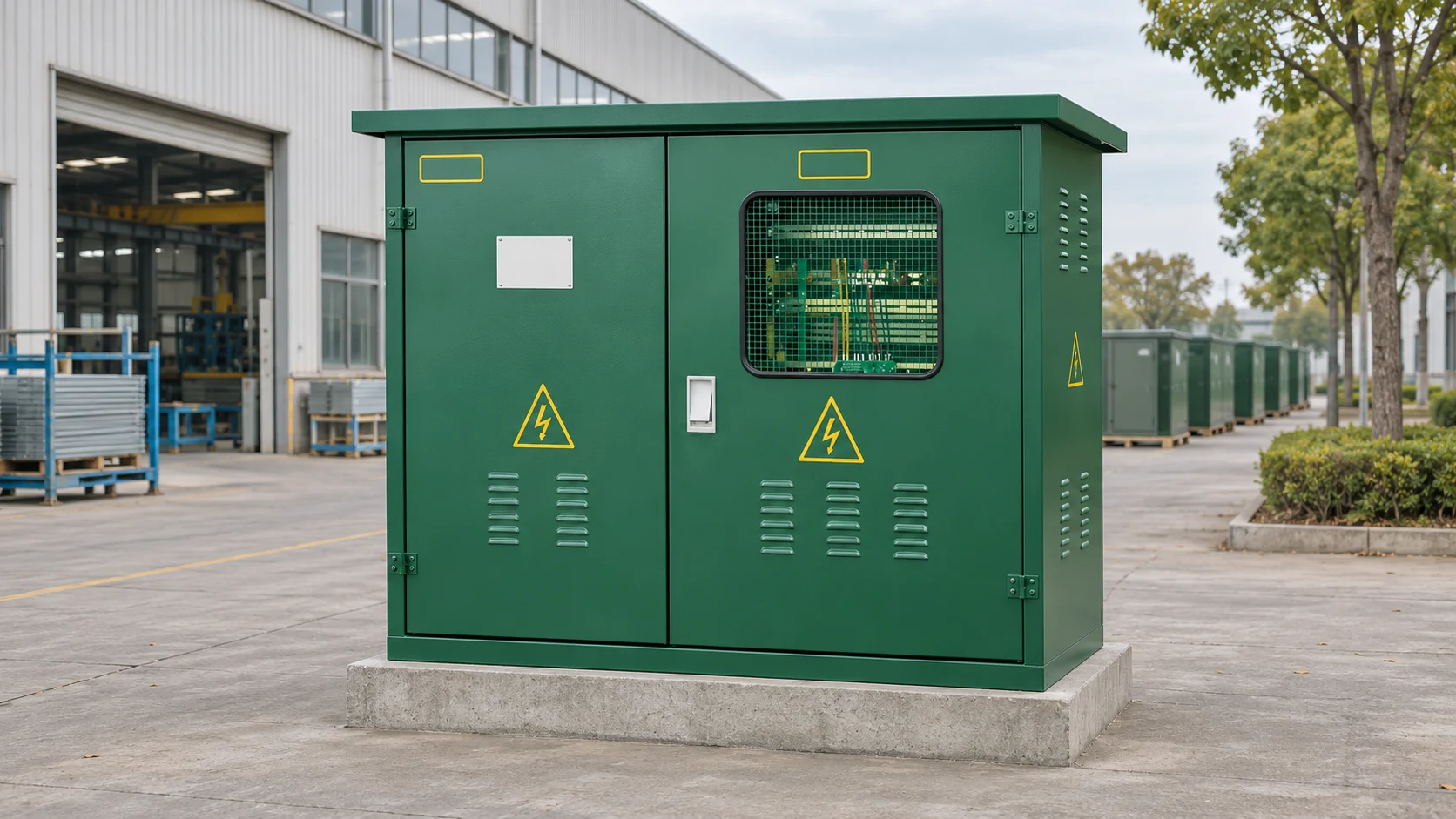
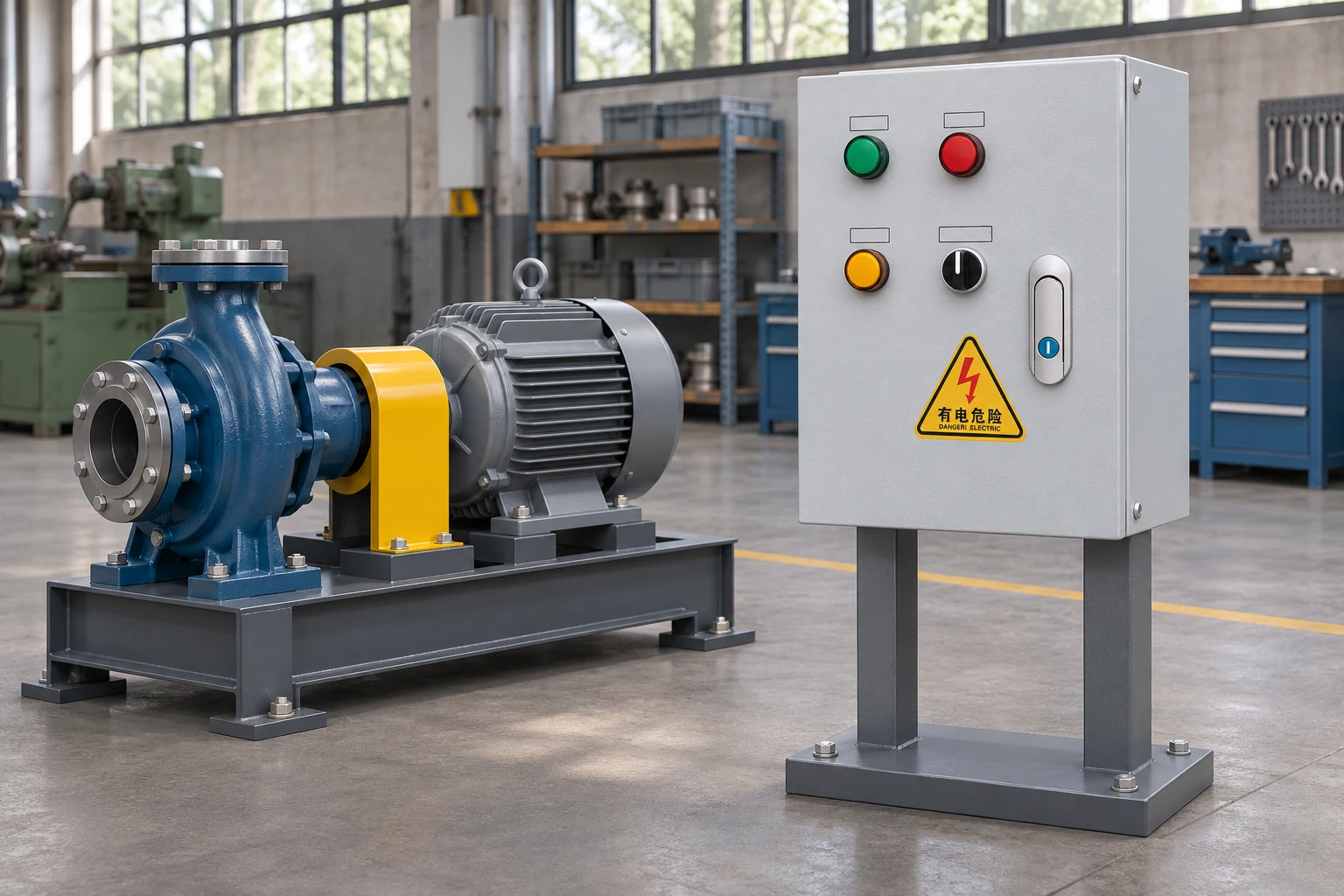
В руководстве по эксплуатации NENA one-to-one water pump control box is the product used as the visual reference. Its closed-door illustration does not confirm the internal relay, protection functions or motor rating of a quoted panel. For an enquiry or replacement, provide the actual motor and duty information and ask for the proposed protection arrangement in the project documentation.
Some starter circuits place current-sensing devices in positions that change how readings relate to motor line current. Reduced-voltage starting also changes the starting sequence. Therefore, neither the nameplate alone nor a generic percentage provides a universal overload setting. The qualified designer should confirm the circuit, sensing position, relay range and required coordination against the applicable documentation.
For a three-phase motor, supply balance is an important question. A modest voltage difference can produce a larger current imbalance and additional heating. The US Department of Energy’s Eliminate Voltage Unbalance tip sheet explains this relationship and gives a method for evaluating voltage unbalance. It does not establish a relay setting for a specific pump.
Measurements should be planned and performed by competent personnel using appropriate instruments and access controls. Record all relevant phases and the operating condition rather than one isolated current value. A measurement taken while the pump is stopped does not describe voltage behavior during starting. Similarly, a short observation may miss an intermittent feeder or connection problem. Determine whether event logging is justified before conducting repeated trials.
Compare current against the motor documentation and real duty, taking account of the installed starting method. If one phase behaves differently, investigate the circuit and supply rather than immediately replacing the pump. Keep observations separate from conclusions: a low voltage reading is not proof that the utility is responsible, and a high current reading is not proof of an obstructed impeller.
The motor can be electrically healthy while the driven equipment demands unsuitable duty. Review recent changes to the pumped liquid, operating level, valve arrangement and required flow. Check the pump manufacturer’s operating limits and approved curve for the installation. The effect of changing flow or discharge conditions depends on pump type and design; avoid assuming that closing a valve always reduces motor load safely.
A mechanical obstruction, damaged bearing or inappropriate operating condition may contribute to a difficult start or excessive running load. Any physical inspection requires control of electrical, pressure, fluid and movement hazards. Do not reach into the pump, remove a guard or attempt to turn the shaft while relying only on a selector switch. Use the established isolation and maintenance procedure for that machine.
If the trip follows many short runs, investigate the control sequence alongside the thermal record. The separate pump short-cycling guide covers level settings, system behavior and repeated starts. Correcting the cause of unnecessary cycling is more useful than repeatedly restoring the same overloaded duty.
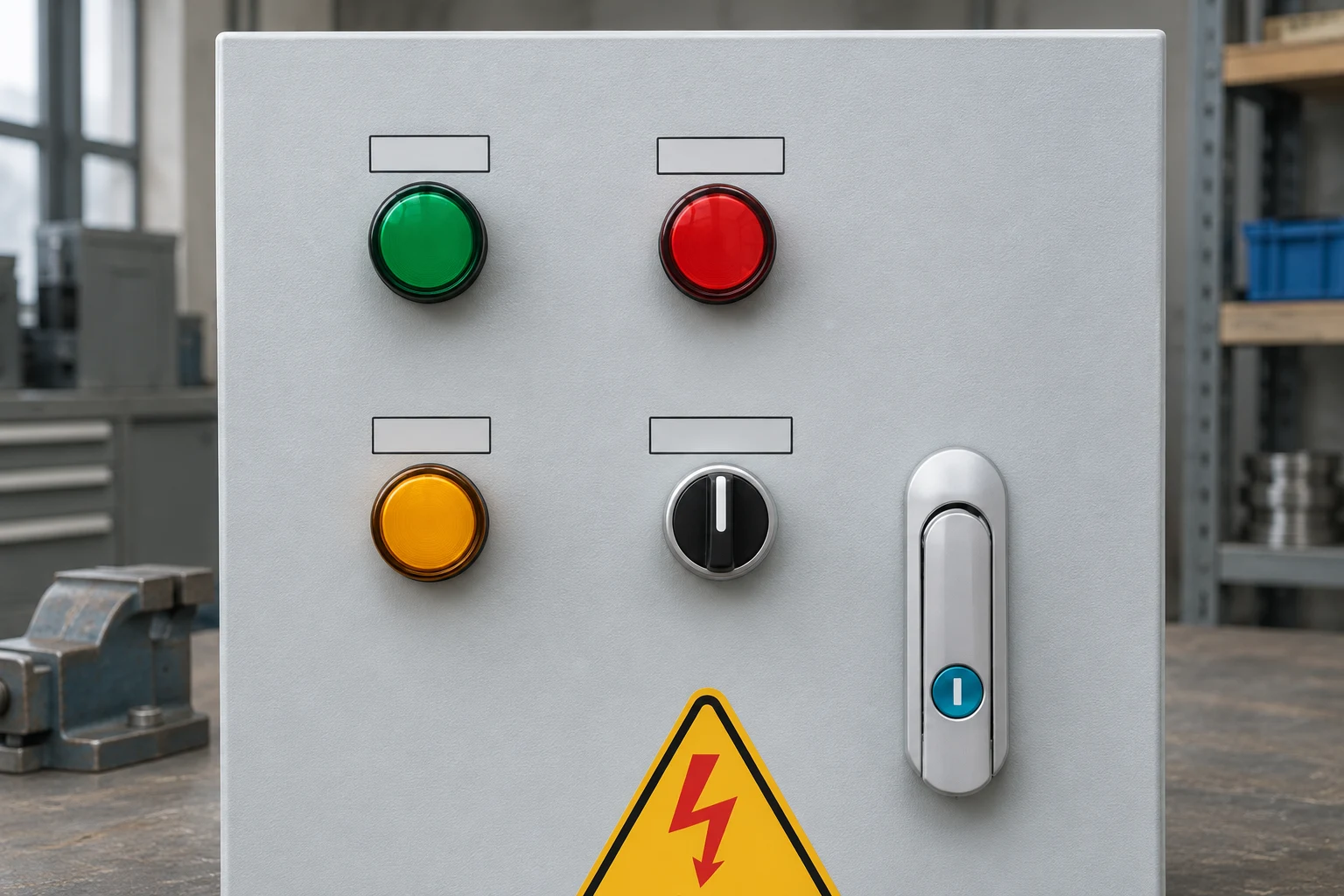
Record enclosure location, ambient conditions, motor cooling arrangement and recent operating history. A trip after an unusually hot afternoon may deserve a different review from a trip immediately after cold startup. Keep vents and cooling paths within the approved design. Do not remove covers or leave an enclosure door open as a permanent remedy, because that changes protection and can introduce other hazards.
A hot motor or protection device may not be ready for another attempt simply because the reset becomes available. Follow the equipment instructions for cooling, inspection and restart. Repeated resets without finding the cause can expose the motor to another damaging cycle and destroy useful diagnostic evidence. Escalate an unexplained recurring trip rather than treating reset time as the normal production schedule.
Confirm what happens after resetting: does the machine wait for a deliberate start, or is a maintained command still present? The broader руководства по выбору шкафа управления электродвигателями provides the system-level context. The related Hand-Off-Auto explanation clarifies command modes. Hand mode should not be assumed to bypass motor protection or prove isolation.
After corrective work, document the identified cause, parts or settings changed and authorization for the next run. A successful start is only one part of verification. The pump should operate through the agreed normal sequence without an unexplained alarm, unacceptable current behavior or repeated trip. Define the required observation period from the equipment and duty rather than inventing a universal test duration.
For a duplex installation, verify that standby behavior follows the approved design and does not mask a faulty duty pump. Keep the failed unit’s identity and trip history clear. A standby pump maintaining water level is useful operationally, but it does not prove that the original motor circuit has been repaired. Report service restoration and fault closure separately in the maintenance record.
For supplier support, send the exact device indication, motor plate, circuit drawing, trip timing, operating history and qualified measurement record. Include recent repairs and process changes. This is enough to guide a focused investigation without asking the supplier to guess from a photograph of the enclosure. Do not send a request to disable the protection as a substitute for resolving the recurring condition.
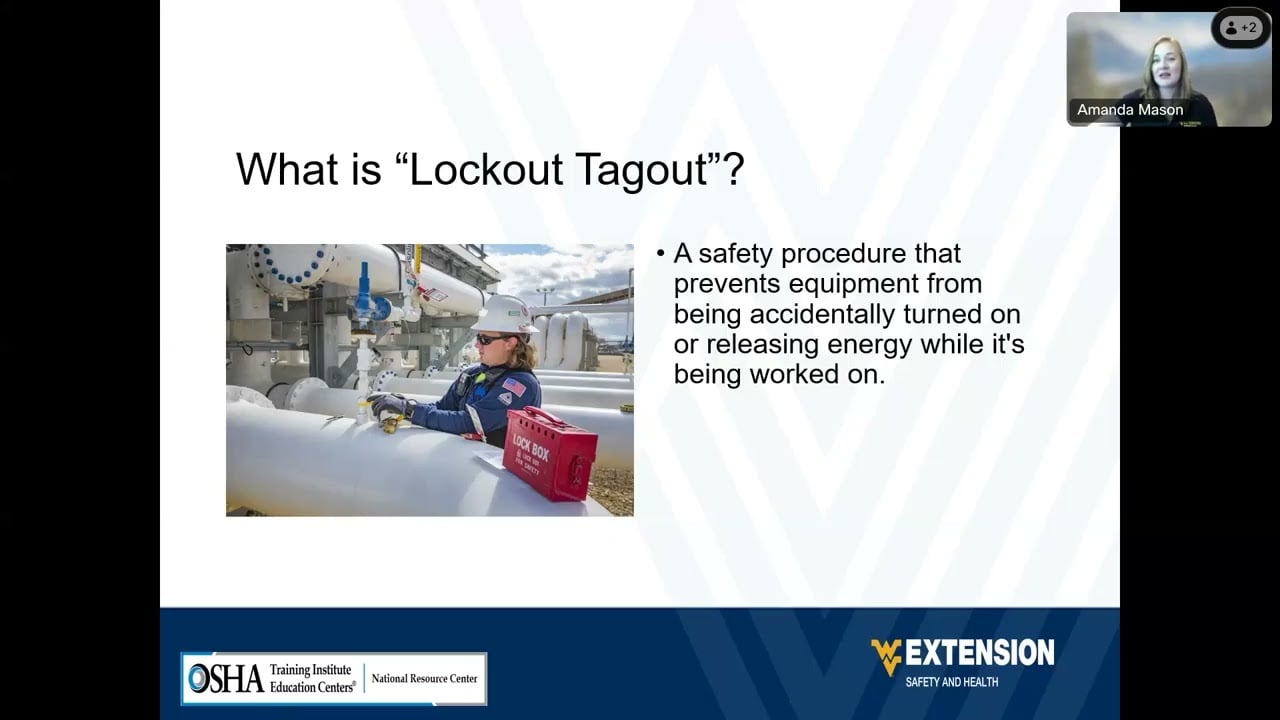
The US Department of Labor video below introduces lockout and tagout. It supports the maintenance-isolation discussion; it is not an instruction for setting a particular overload relay or working inside an energized pump panel.
Watch on YouTube — USDepartmentofLabor
Не повышайте её просто чтобы остановить срабатывания. Сначала проверьте двигатель, схему подключения, документацию по защите и фактические доказательства неисправности с квалифицированным персоналом.
Нет. Лампочка может указывать на несколько условий тревоги. Определите инициирующее защитное устройство или сообщение контроллера, используя схему цепи и сохраненное указание.
Повторные запуски могут способствовать нагреву, в зависимости от двигателя и нагрузки. Запишите последовательность и исправьте чрезмерное циклирование в пределах рабочих ограничений оборудования.
Нет. Резервная работа может восстановить обслуживание, пока оригинальная неисправность остается. Держите затронутый агрегат изолированным или ограниченным по мере необходимости, пока причина не будет устранена и подтверждена.