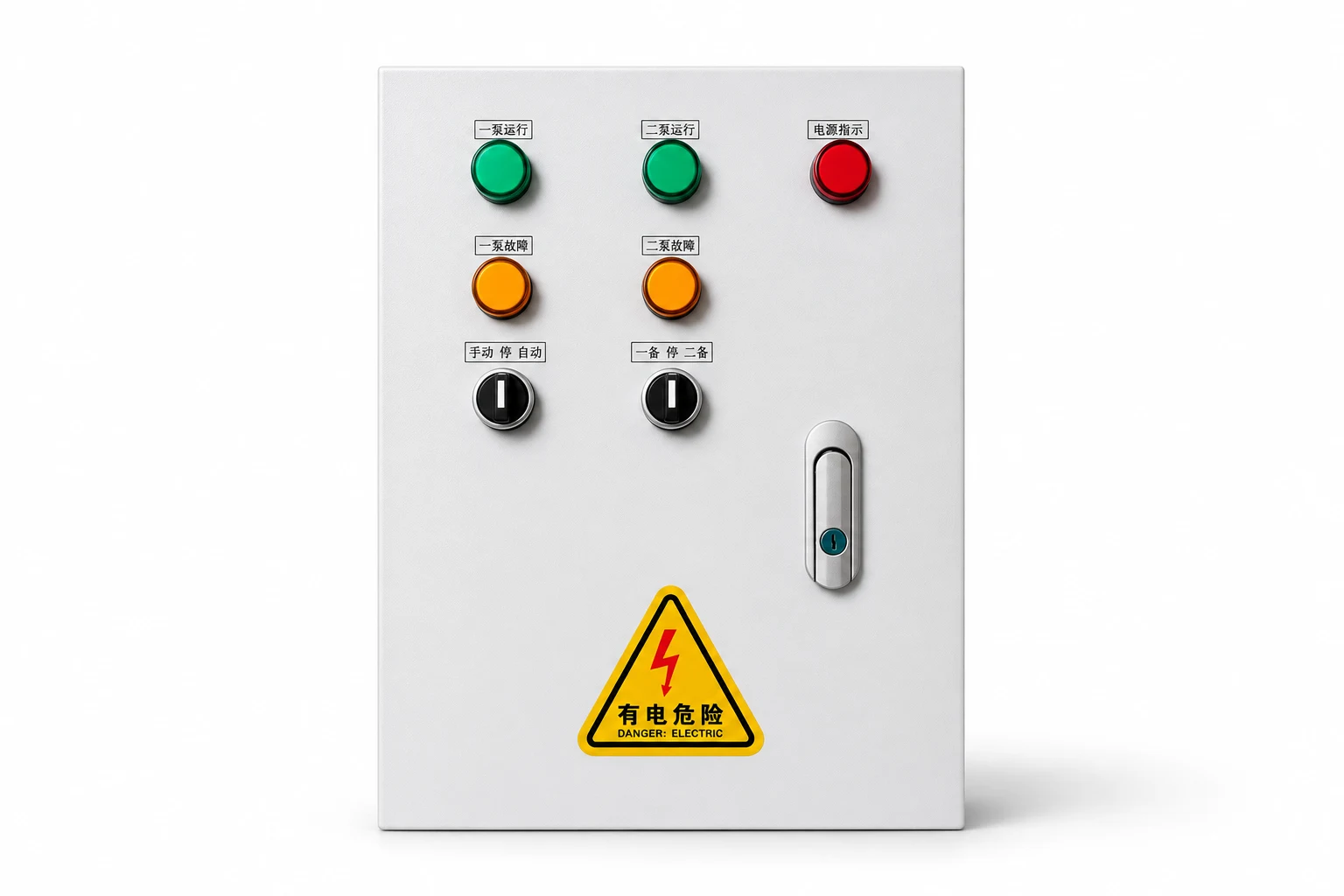
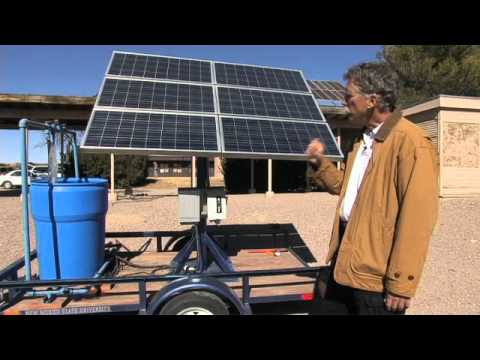
Solar pump dry run protection stops pumping when the water source can no longer supply the pump safely. It should be distinguished from a full storage tank, weak sunlight and a motor overload. Start with the pump and controller manuals, identify the supported detection method, then define a controlled restart after the source recovers. Do not assume every solar pump inverter includes the same sensors or settings. This guide provides a commissioning and purchasing checklist, not universal parameter values, wiring instructions or a claim about unverified features of a particular NENA model.
A water system can need two different level decisions. The source must contain enough water for pumping, while the destination must have room to receive it. A source-level protective input and a storage-tank stop input therefore serve different purposes. Calling both signals a float switch can hide the difference and lead to an incomplete control description.
Describe the source first: borehole, reservoir, pond or another supply. Then identify the destination and how water demand is determined. Record which signal asks the pump to run and which signal prevents it from running. The approved sequence should make the protective stop effective even while the destination still requests more water.
USDA NRCS describes storage-level control and low-water dry-run protection as distinct system considerations. That distinction is useful when preparing the input list and explaining the sequence to operators. The document is regional design guidance; apply local requirements and the equipment manufacturers' instructions to the actual project. USDA NRCS solar pumping guidance
Obtain the exact controller model, firmware information where relevant and the matching manual. Ask which inputs can be used for source-level protection and whether any sensorless function is available for the selected pump and operating mode. A feature listed for a different model or software version should not be assumed available on the unit being ordered.
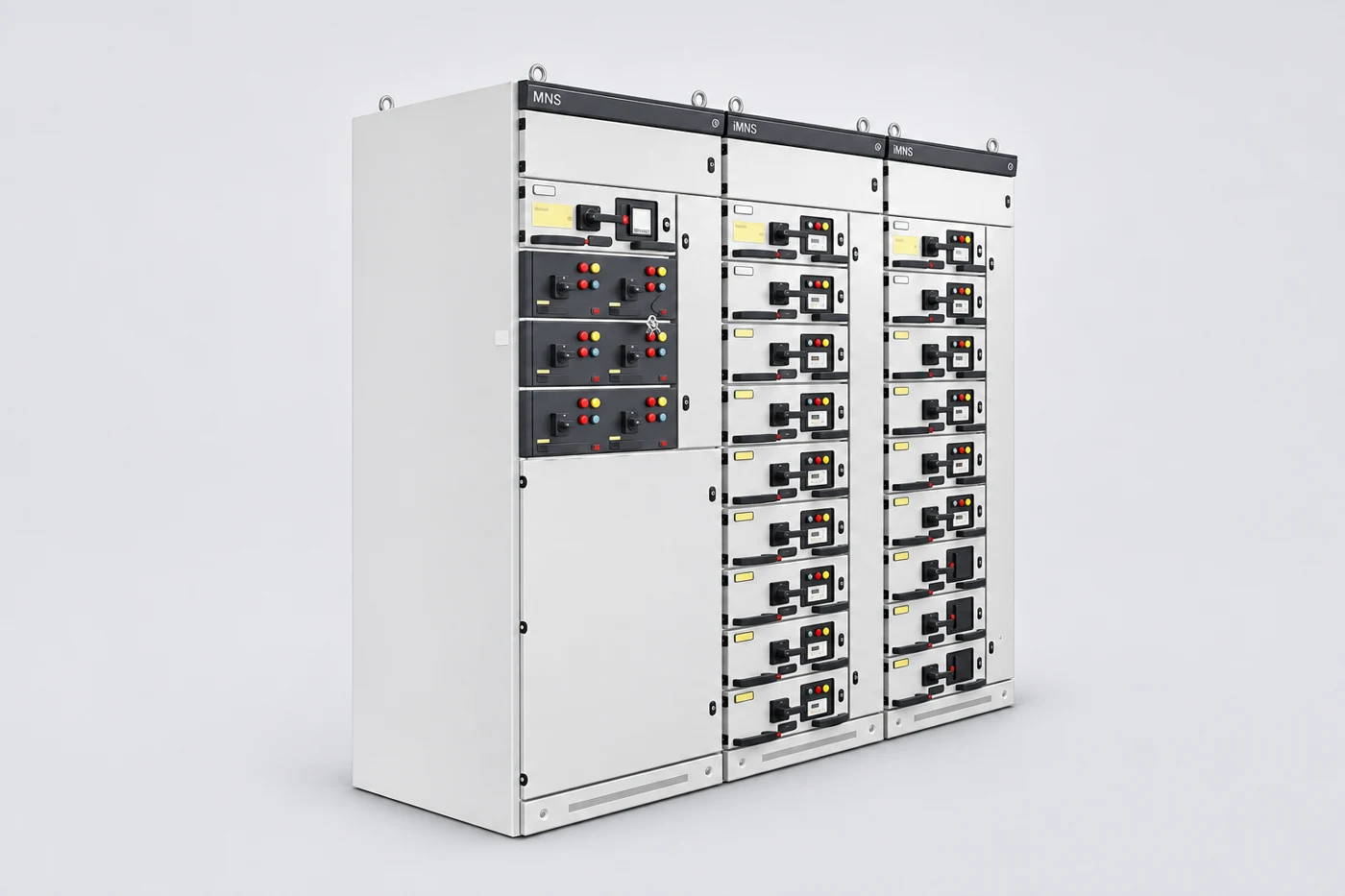
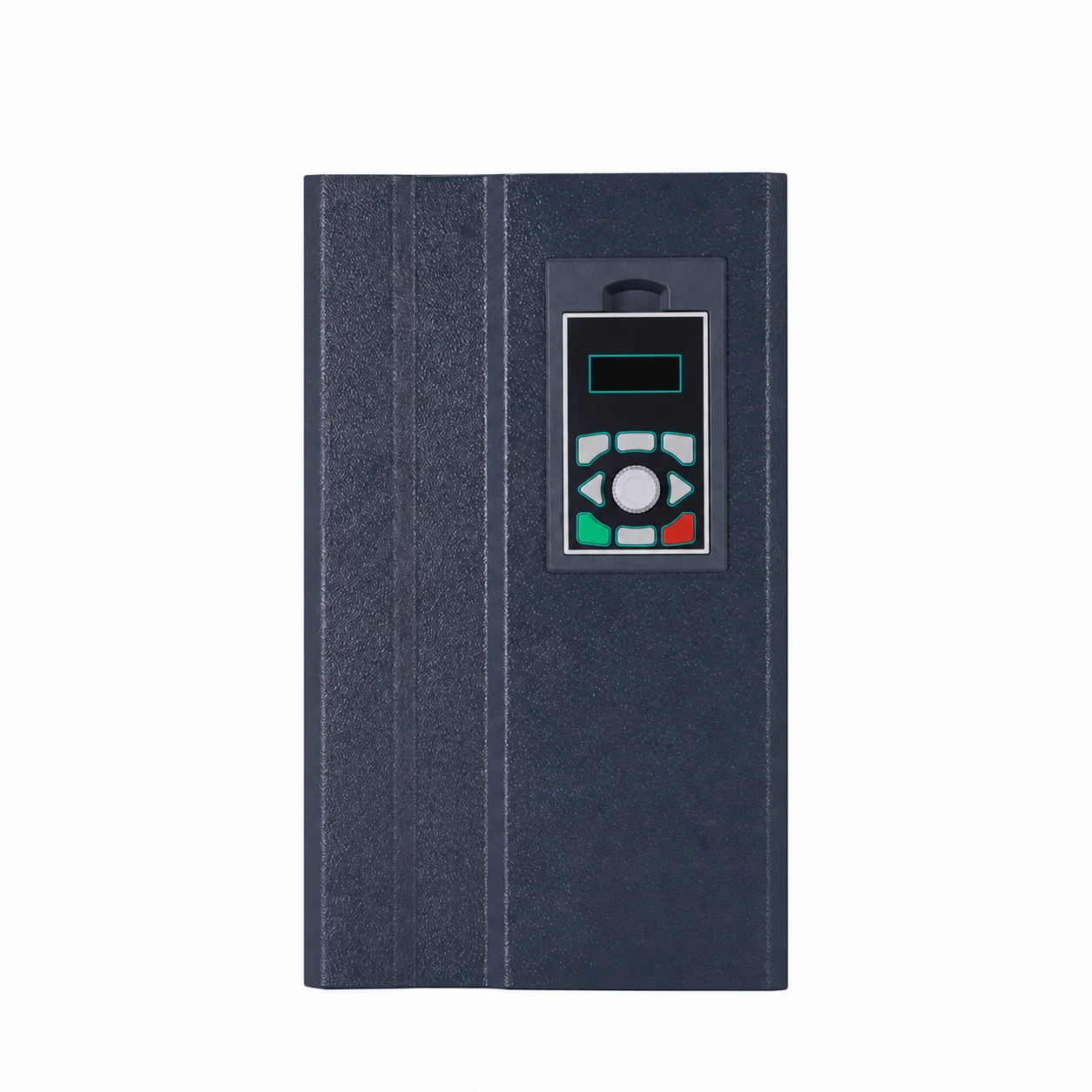
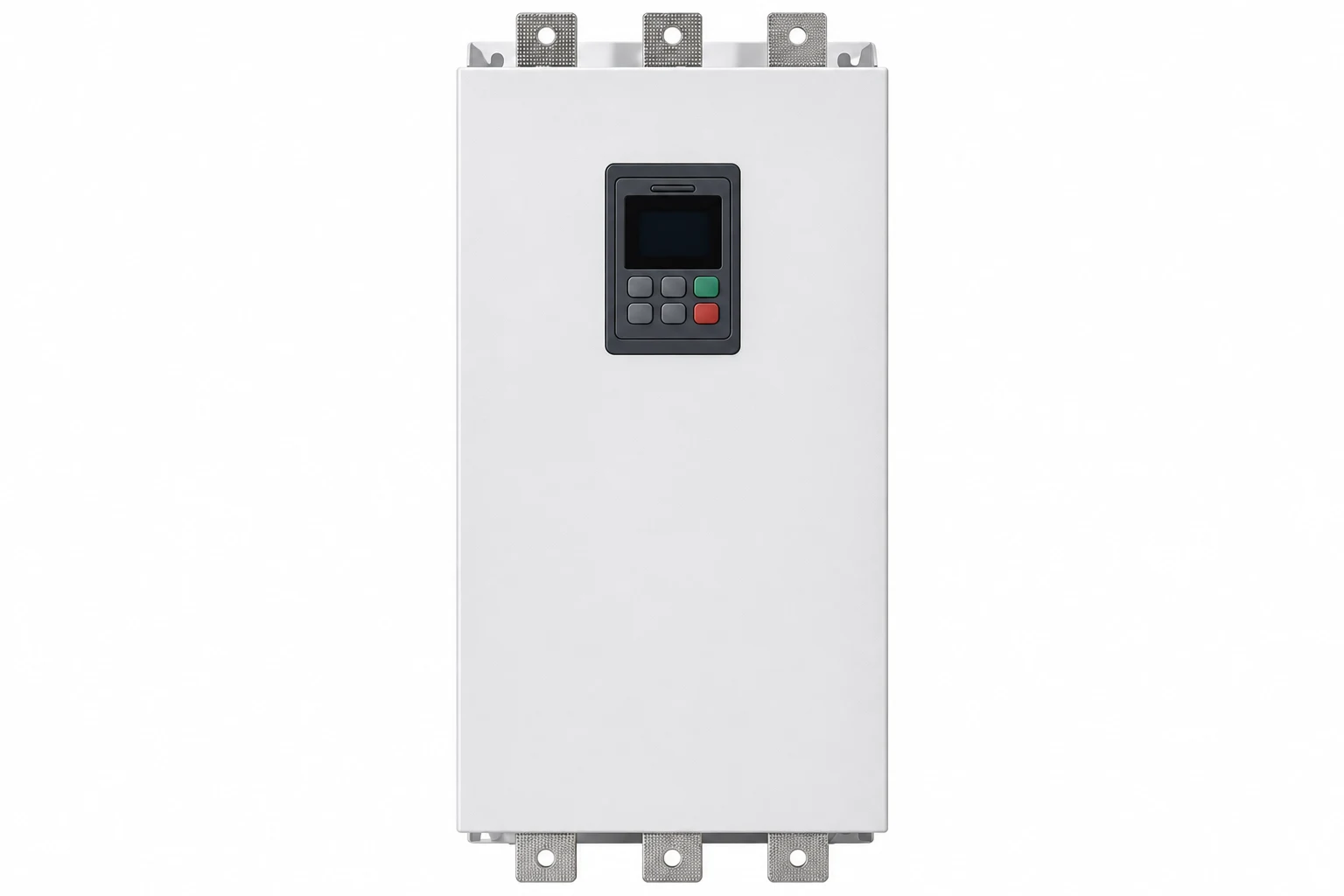
The NENA NH133 solar water pump inverter is a relevant product family for an enquiry. Request written confirmation of the supported protective functions, sensor interface and restart options for the particular unit. The product reference and generated photographs illustrate the external equipment; they do not demonstrate a tested dry-run sequence or verify a parameter menu. NENA NH133 solar pump inverter
Keep the pump manufacturer's requirements in the same enquiry. The controller and pump must be considered together, including any installation restrictions or required protective functions. If either manual is unavailable, record the missing document before selecting settings. An installer should not have to infer a protective sequence from button labels on the front panel.
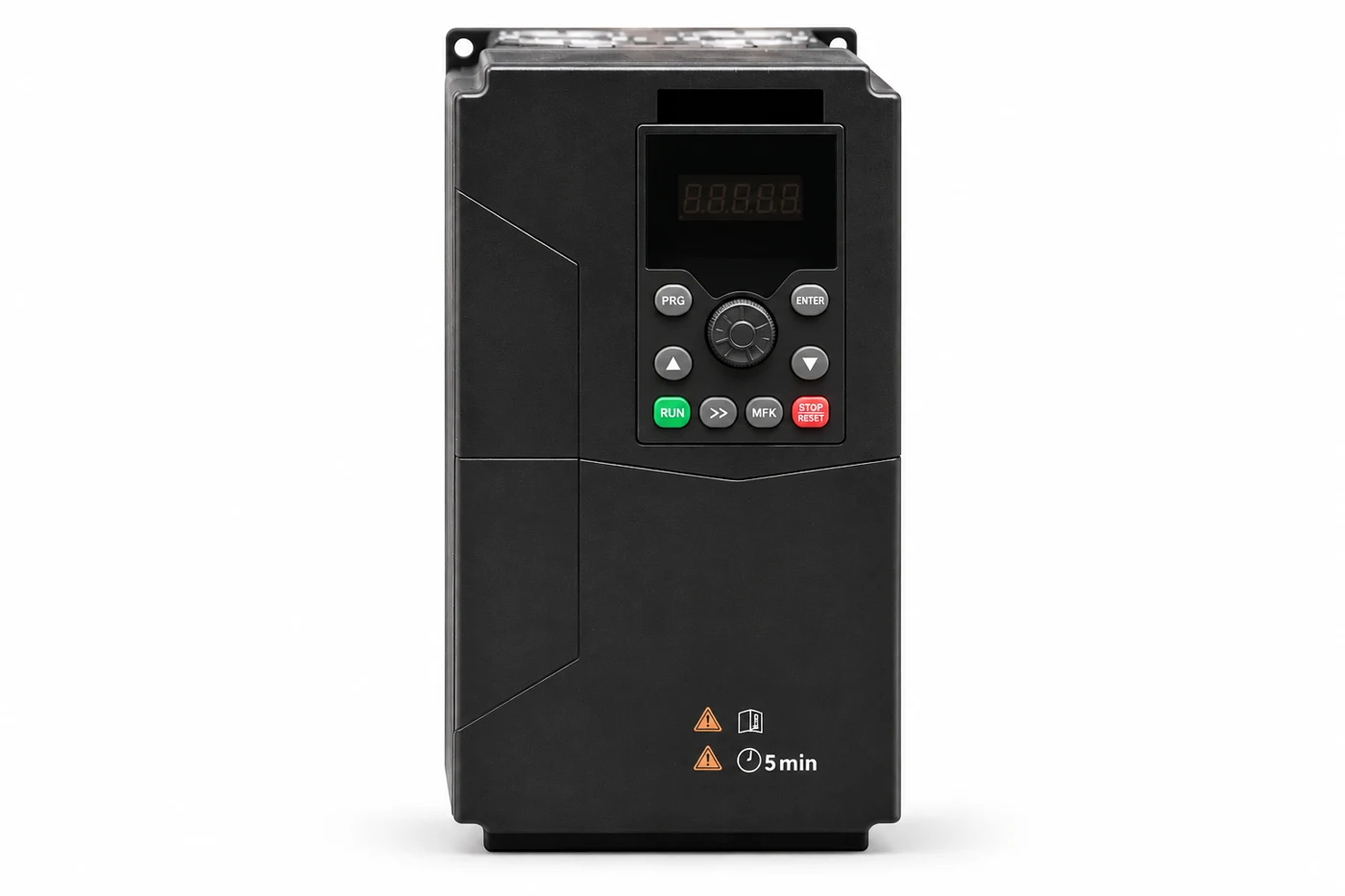
A direct method uses a suitable source-level device to indicate whether water is available at the required location. Selecting that device requires consideration of the source geometry, water characteristics, installation access and the controller interface. Ask the designer how the proposed position relates to the pump's required submergence or suction conditions. Do not choose a mounting height from a generic internet diagram.
Some controllers can infer a low-load condition from electrical measurements under specified operating conditions. That is not automatically a direct measurement of water level. Ask what the algorithm observes, how it is commissioned and what conditions could produce a similar electrical result. Confirm that the manufacturer supports its use with the chosen pump and the expected speed range.
MNRE's installation guidance discusses added level sensing where a pumping arrangement lacks dry-run protection. Its practical lesson for procurement is to identify a complete protective arrangement rather than assume that a solar-powered pump is inherently protected. Use the original equipment instructions to determine the actual devices and installation details. MNRE solar pump installation guidance
A stopped pump with no delivery can have several causes. Before changing a protective setting, identify the controller state, the time of the event and the measured water condition. A normal full-tank stop, inadequate solar input and a source-water alarm should appear as different conditions in the handover sequence. If the equipment cannot distinguish them clearly, ask the supplier how operators should investigate safely.
Record the circumstances rather than immediately resetting the drive. Useful observations include storage level, source recovery, recent flow, sunlight conditions and the displayed event history. Keep any electrical observations within the duties of qualified personnel using the approved procedure. The objective is to preserve enough evidence to identify a repeated pattern.
A parameter copied from another site can conceal the problem. A controller that no longer trips may simply have lost useful protection. Review the complete hydraulic and control situation with the supplier before changing sensitivity or disabling an input. Document why a change is proposed and how the revised behavior will be verified.
Define the condition that initiates a protective stop and the information that allows another start. Specify whether recovery uses a stable source-level signal, a manufacturer-supported delay, a manual reset or another approved condition. Assign responsibility for approving these choices. There is no universal restart delay suitable for every borehole or reservoir.
Include behavior after power returns and after an input fault is cleared. A system may be able to restart automatically, so maintenance planning must account for that possibility. The written sequence should identify any automatic action and the isolation arrangements needed before someone works on the pump, controller or water system.
Practical Action's solar pumping manual distinguishes source protection from destination-level automation. Use that functional distinction to structure the sequence, while retaining the actual controller's instructions for implementation. A generic example in an educational document is not a substitute for the selected equipment's supported input logic. Practical Action solar pumping manual
The following table is a suggested review worksheet rather than a manufacturer parameter table. It helps turn a broad request for dry-run protection into questions that can be answered and tested without inventing settings.
| Условие | Question for the supplier | Verification record |
|---|---|---|
| Source water unavailable | Which supported function initiates the stop? | Approved simulated-input or other supported test |
| Destination full | Is this a separate routine stop input? | Demand and storage-state sequence result |
| Weak sunlight | How is this state distinguished from source-water loss? | Actual controller indication and operating instruction |
| Water returns | What permits a controlled restart? | Recovery sequence and approved settings |
| Sensor or input fault | What response is defined by the selected design? | Supplier-approved fault simulation and observed response |
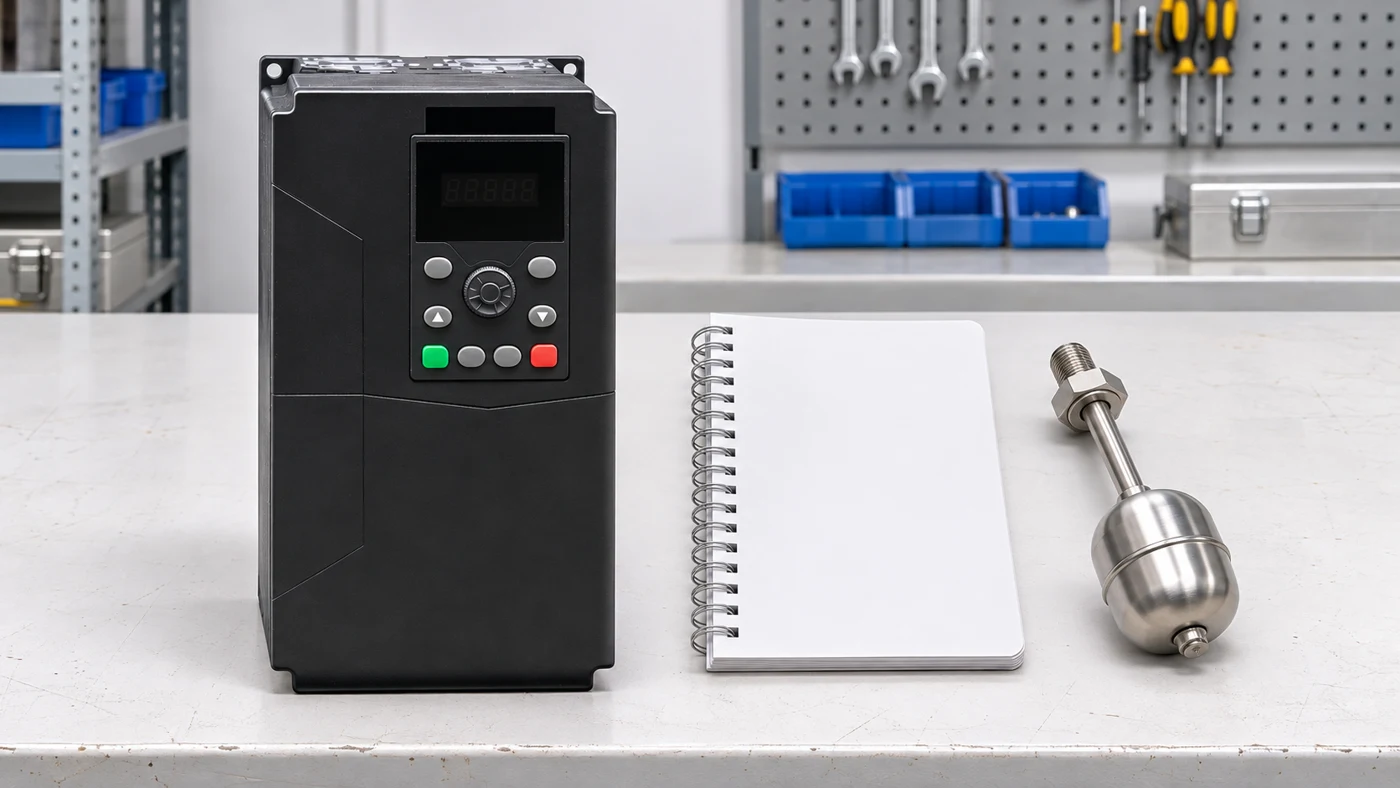
Prepare a test method with the supplier and responsible engineer. Where supported, use controlled simulation of the protective input rather than removing a running pump from water. Confirm that the test method is suitable for the exact equipment and does not bypass other protective functions. Agree on stop criteria before beginning, and retain safe isolation where required.
Observe the sequence from demand through stop, event indication and permitted recovery. A test that only illuminates an alarm lamp does not show that pumping has stopped or that restart is controlled. Record what was simulated, what the controller did and what was needed to return to service. Do not invent a passing stop time if it was not measured.
VeraSol publishes a laboratory protection-test procedure for solar water pumps. It demonstrates the value of recording the stop response, recovery and any damage. It is not an instruction for an owner to run an installed pump dry. Use a manufacturer-approved commissioning method appropriate to the site instead of transferring a laboratory stress test directly into field work. VeraSol laboratory protection-test procedure
Repeated source-water alarms may indicate a real mismatch between pumping demand and replenishment. Ask the water-system designer to review source yield, drawdown, recovery and the intended pumping schedule. Increasing controller power or repeatedly resetting an alarm does not establish that more water is available. The remedy may require a different operating plan rather than a protection adjustment.
Investigate installation and maintenance changes as well. A moved sensor, damaged cable, sediment accumulation or altered intake arrangement can change the observed behavior. Qualified personnel should compare the current installation with the approved record. Keep the investigation specific to the equipment instead of treating every low-flow event as an identical controller fault.
For system sizing, use the solar pump inverter sizing guide to review water duty, head and electrical matching. That article addresses capacity planning; this one addresses the protective sequence after water becomes unavailable. The two decisions should support each other without sharing a single unverified assumption about source capacity. solar pump inverter sizing
Provide a short sequence description that identifies normal running, full storage, weak sunlight, source-water stop and reset conditions. Use the actual display terminology from the selected controller. If the site uses translated labels, check that the wording still distinguishes a protective event from a routine stop. Operators need a reliable interpretation, not a list copied from a different drive.
Include the approved input schedule, sensor location, settings record and test results in the handover pack. Photograph accessible external locations where useful, while respecting safe access boundaries. Identify who may alter settings and how changes are approved. Keep the original accepted configuration available so later troubleshooting has a known reference.
If the installation includes another pump control assembly, the duplex pump alternation article explains lead-lag sequencing as a separate task. Alternation does not replace protection against an unavailable water source. Likewise, the VFD pump introduction explains the drive's operating role without establishing source-water availability. duplex pump alternation VFD pump operating principles
Tell the supplier the water source, expected seasonal behavior, pump details, destination control and intended operating schedule. Ask for the exact supported dry-run method and any required accessories. Request the relevant manual pages, an approved sequence description and a proposed commissioning method. A response tied to a model and revision is more useful than a general claim of intelligent protection.
Clarify what is included in the supply and what the installer must provide. A sensor, interposing device, cable or enclosure may fall outside the controller quotation. Assign responsibility for interface compatibility and final verification. Closing these scope gaps before ordering helps avoid a system that arrives with individually suitable components but no agreed protective sequence.
New Mexico State University's educational video explains a solar-powered water-pumping demonstration. It provides context for the roles of the array, controller and pump. It does not specify the protection settings for the NH133 or replace the commissioning documents for your installation.
Смотреть на YouTube — nmsuaces
Нет. Сигнал полного бака ограничивает заполнение на месте назначения. Защита от сухого хода реагирует на недостаточную воду на источнике или на индикацию этого состояния, поддерживаемую производителем. Определите обе функции там, где они необходимы системе.
Используйте утвержденную последовательность для фактического источника воды, насоса и контроллера. Условие восстановления должно отражать источник воды и поддерживаемые функции управления; универсальной задержки для всех систем солнечного водоотлива не существует.
Не обходите защиту в качестве обходного пути при устранении неисправностей. Запишите событие и привлеките квалифицированный персонал для расследования источника воды, системы обнаружения, конфигурации и информации о контроллере перед одобрением изменений.
Используйте утвержденный поставщиком план испытаний, предпочтительно моделирование входных данных под контролем, где это поддерживается. Проверьте поведение при остановке, индикацию события и восстановление без намеренного воздействия на насос в условиях, способных его повредить.