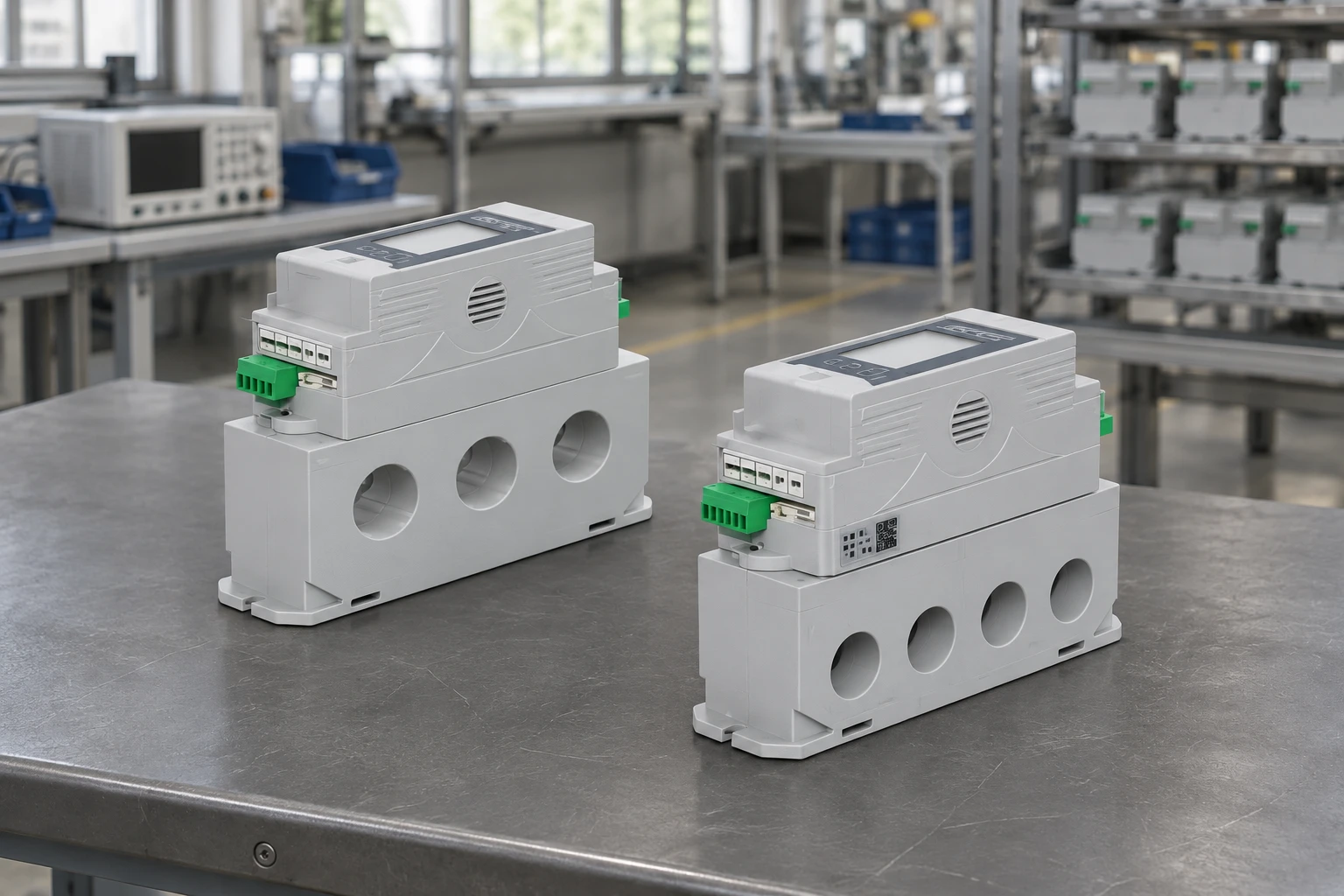
Switchgear maintenance records should connect each cabinet or functional unit to its identity, approved documents, completed work, measurements, unresolved defects and return-to-service decision. A form marked “checked” is insufficient when the next engineer cannot tell what was inspected or whether a reported problem was closed. Start with an asset register, attach a separate event record for each intervention and preserve the evidence behind every accepted repair.
For a factory operating several distribution assemblies, the purpose is practical: find the right equipment history before planning work, compare genuinely comparable results and prevent important recommendations from disappearing between contractors. A large file archive becomes useful only when its records support those decisions.
Use a stable site asset number linked to location, manufacturer, model and serial number where available. Identify the assembly and the specific compartment, feeder or removable unit involved. “Production switchboard” may describe several cabinets, while a drawer moved during repairs can invalidate a history based only on its former physical position.
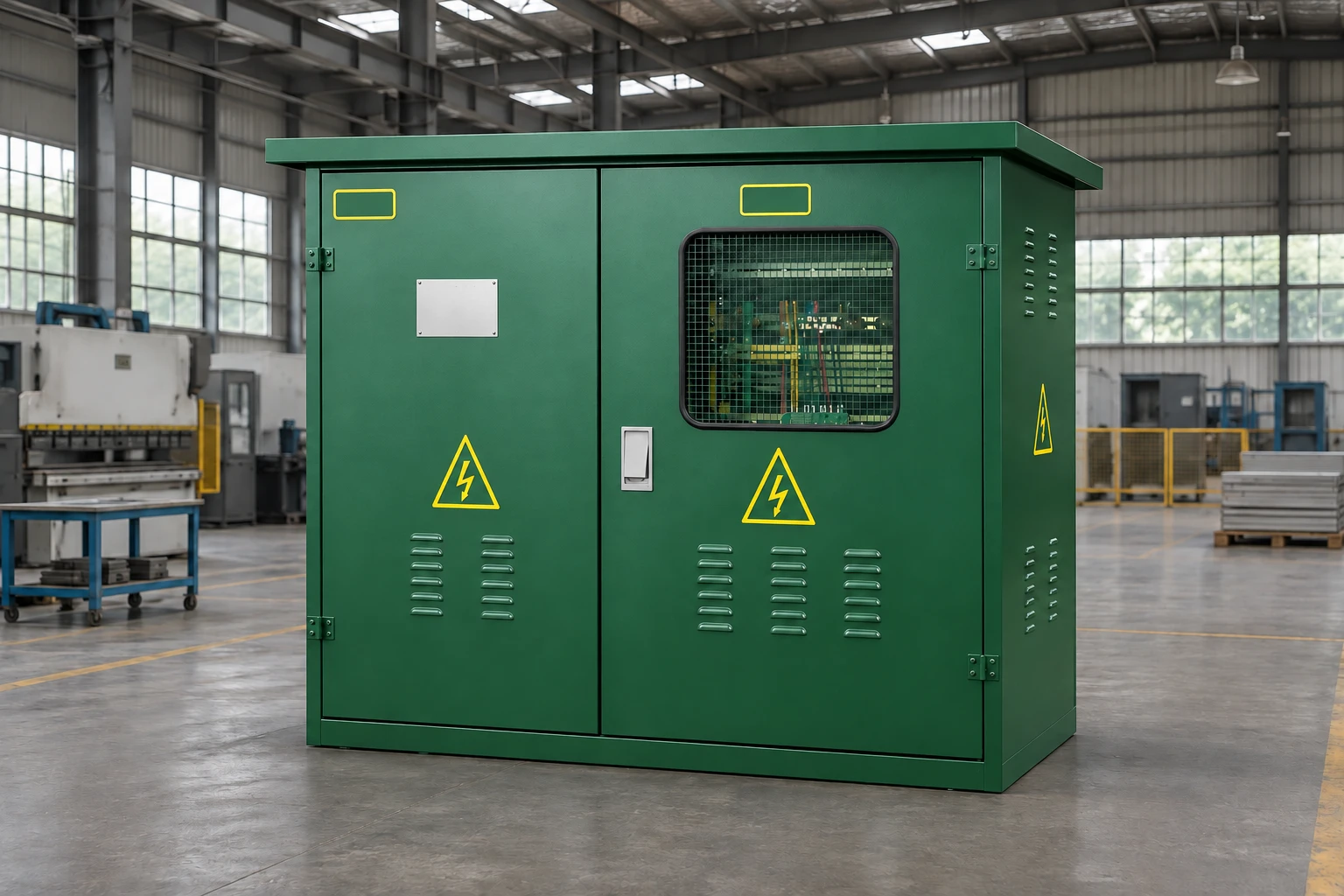
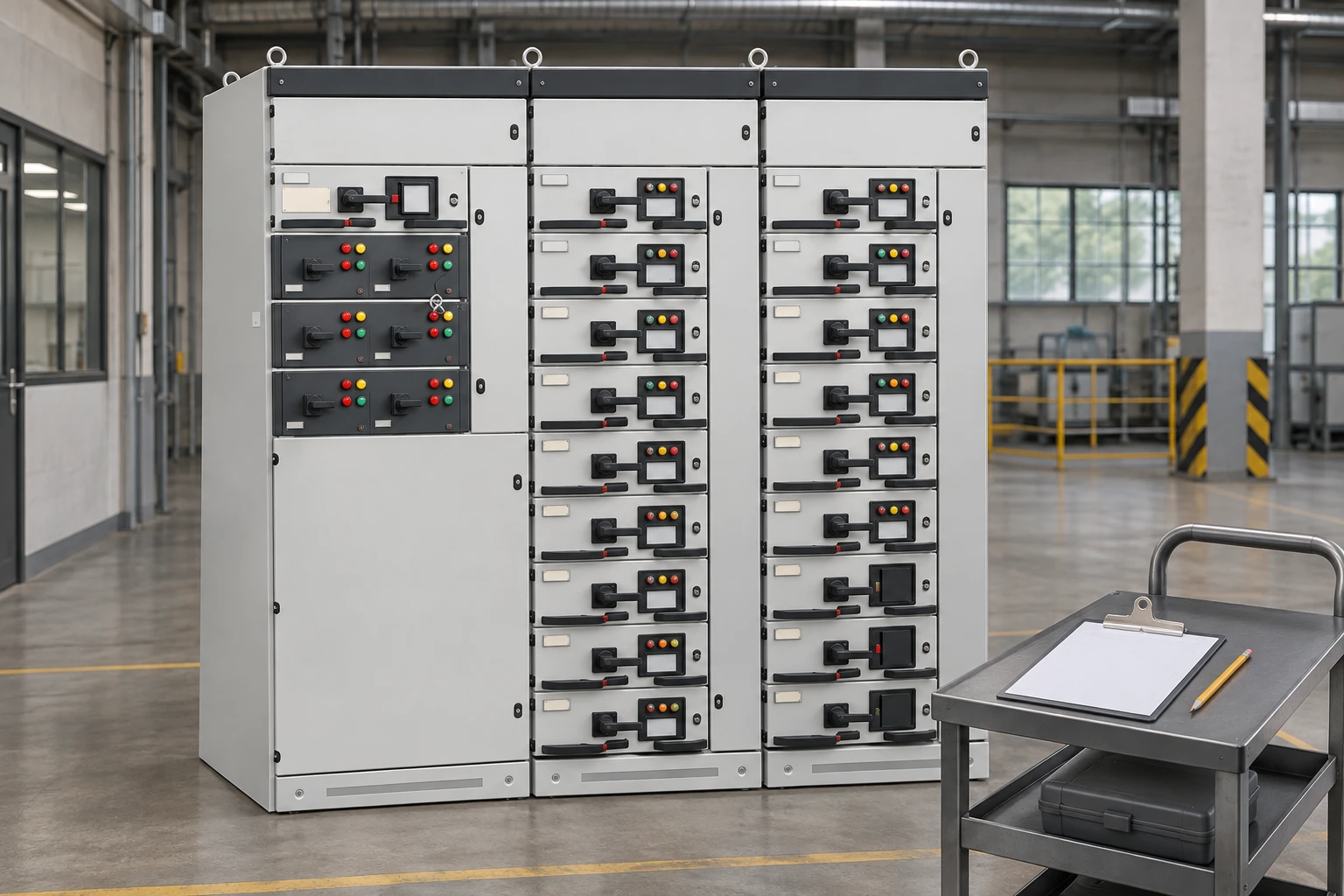
NENA’s MNS low-voltage withdrawable switch cabinet illustrates why that distinction matters. The complete assembly and its individual functional units need traceable identities. The pictured exterior establishes the product category and visible arrangement; the installed drawings and manufacturer’s documentation establish the actual circuits, unit ratings and maintenance requirements.
Record parent and child relationships when a unit is replaced or transferred. Preserve the identity of the removed item and the destination of any reused item. Do not silently overwrite the old serial number with the replacement number, because doing so makes earlier test results appear to belong to equipment that was not present.

The equipment history should point to the current single-line diagram, assembly documentation, operating instructions, maintenance requirements and approved protection settings where applicable. Include commissioning records and relevant factory documents supplied for the exact equipment. Store a document revision and approval date rather than relying on a filename such as “final-new”.
В руководстве по эксплуатации EMSD electrical-installation O&M guidance discusses asset information, maintenance-record management and document control. Its useful principle is that equipment information must remain valid through the asset’s life. Site procedures and applicable local rules determine the detailed obligations; a generic form does not certify an installation.
Where an older installation lacks records, identify the gap explicitly. Mark a drawing “unverified” until competent personnel have reconciled it with the installation through an approved process. Record the source of recovered information and the date it was confirmed. An honest unknown is safer for planning than an invented commissioning value copied from another feeder.
| Record section | Information to capture | Decision it supports |
|---|---|---|
| Identity and scope | Asset, compartment, work order, date and equipment condition | Confirm exactly what the work covered |
| Work completed | Approved procedure revision, actual tasks and personnel | Separate completed work from planned or excluded work |
| Measurements | Method, instrument identity, units and relevant conditions | Assess results and whether later comparisons are meaningful |
| Defects and restrictions | Location, observed evidence, responsible owner and operating restrictions | Escalate findings and control outstanding risk |
| Repair verification | Parts identity, corrective action and applicable post-work checks | Demonstrate what changed and how it was verified |
| Release and follow-up | Authorized decision, limitations, next action and due date | Keep an unresolved recommendation visible after handover |
This proposed structure organizes records; it does not prescribe electrical tests. Select tasks and acceptance criteria from the manufacturer’s instructions and the site’s engineering requirements. The DOE operations and maintenance guide provides broader maintenance-management background, including the role of organized maintenance information.
A measurement without context may be impossible to interpret later. Record what was measured, the connection or observation location, units, method, instrument identification and relevant operating conditions. Retain the original report or data file alongside the summary. If a value was transcribed, keep a link to its source so a reviewer can investigate a transcription or unit error.
For thermal surveys, retain load and environmental context rather than comparing images by color alone. For other tests, document the conditions required by the approved method. Do not place unrelated measurements in one trend simply because their spreadsheet column names match. A changed method or instrument can require a separate baseline or a qualified explanation.
The guide to switchgear infrared inspection addresses the survey itself. The record system should connect that report to the correct asset, observed condition and resulting action. It should not convert a general thermal observation into a numerical pass limit that the engineering team never approved.
Write the observation first, then the assessment and recommendation. For example, state where discoloration was found and attach an identified photograph; record the competent assessor’s interpretation separately. This allows a later reviewer to understand the evidence even if the initial diagnosis changes. Avoid replacing the original observation with a revised conclusion.
Assign each finding an identifier, equipment location, description and responsible owner. Include the immediate operating decision, escalation route and due date. Where restrictions apply, state how operators receive that information. A recommendation buried on page twelve of a contractor’s report is not an effective work instruction or notification.
Use clear stages such as reported, assessed, corrective work planned, work completed and verification accepted. These stages describe different facts. Replacing a component does not automatically establish that the original problem has been resolved, and receiving a quotation does not close an engineering recommendation.
Close the action only when the authorized reviewer accepts the required evidence. Record the repair details, relevant checks, updated documents and any remaining limitations. If an action is deferred, retain the reason, responsible approval and review date. Keep temporary restrictions visible until formally removed through the site’s process.
A replacement unit, protection-setting change or revised control circuit can change the information needed for the next maintenance visit. Link the change request to the affected assets, approved drawing revision and post-change verification. Keep the superseded version available as history while making the current approved version easy to identify.
For withdrawable assemblies, record the documented unit compatibility and the identities involved rather than assuming visually similar drawers are interchangeable. The article on withdrawable switchgear positions covers operating-position distinctions. A maintenance record should reference the applicable procedure and results, not attempt to replace the unit’s interlocking instructions.
If a safety notice or manufacturer modification applies, record how applicability was assessed against the exact equipment identity. HSE’s Обеспечение безопасности электрического коммутационного оборудования explains the value of equipment registers and maintenance history for its high-voltage scope. Its voltage-specific procedures are not an MNS low-voltage maintenance specification.
Specify the required record package before the outage. Give the contractor the asset list, document revisions and reporting format, then agree how exceptions will be recorded. Require the report to distinguish completed work, inaccessible items, tests not performed and recommendations requiring further approval. This prevents a tidy summary from concealing incomplete scope.
At handover, reconcile the completed tasks against the work order. Confirm that attachments open, photographs carry asset references and measurement units are clear. Check that recommended actions have owners in the site’s own tracking system. Store an accessible copy with suitable permissions; a report that only one departing employee can retrieve is a continuity problem.
Paper and digital systems can both work. The important controls are traceability, version management, readable evidence and reliable retrieval. Protect original files from accidental replacement and maintain appropriate backups. A simple organized register can be more useful than complex software whose asset names do not match the equipment labels.
Review recurring defects, environmental changes and overdue actions before setting the next work scope. Consider manufacturer recommendations and the installation’s duty. Do not turn one satisfactory measurement into an automatic extension of the maintenance interval. Conversely, repeated findings should prompt investigation into causes rather than repeated closure with the same wording.
Более широкий industrial control-cabinet planning guide provides an upstream project perspective. When buying replacement equipment, include document deliverables, asset identification and maintenance-support requirements in the inquiry. Request these alongside electrical and mechanical requirements so usable records begin at handover.
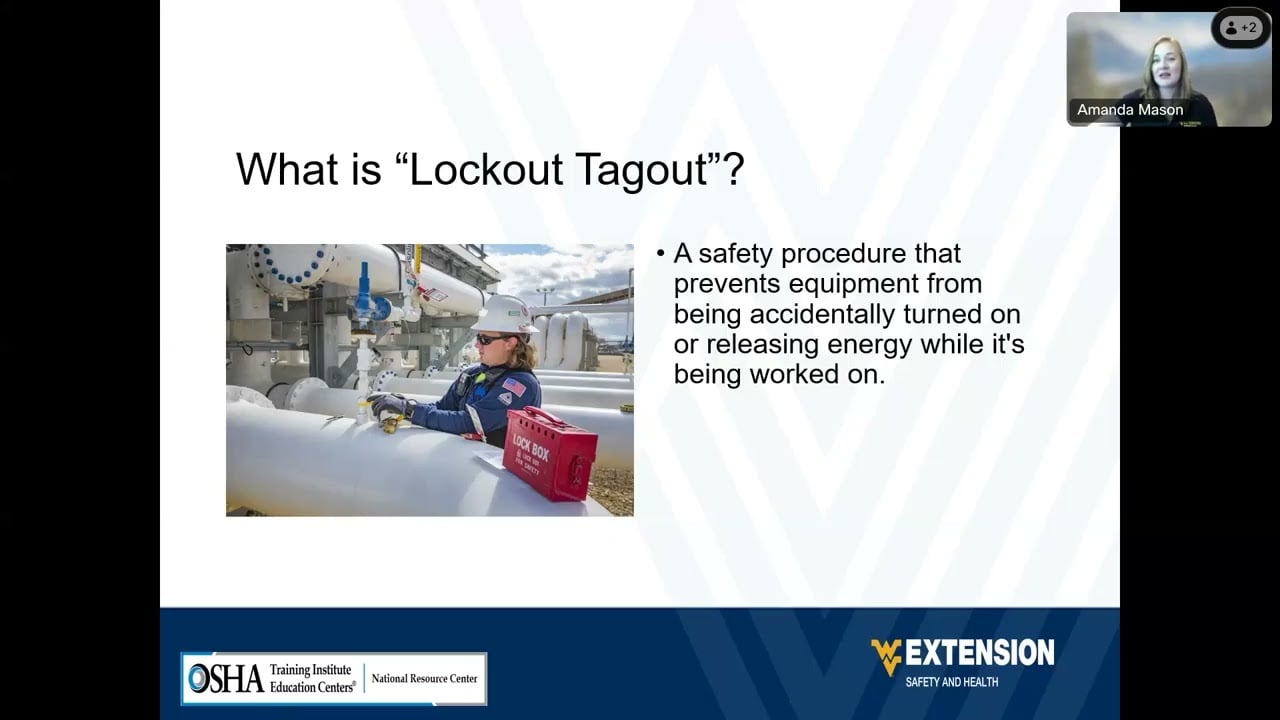
The Department of Labor video below explains lockout/tagout principles relevant to maintenance planning. The equipment record should reference the site’s authorized safe-work process. Neither the video nor an inspection form authorizes switching, isolation or live electrical work.
Watch on YouTube — USDepartmentofLabor
Включайте идентификацию оборудования, объем работ, дату, персонал, ссылку на процедуру, наблюдения, измерения с условиями, корректирующие действия и разрешение на выпуск или решение о дальнейшем обслуживании.
Свяжите каждую соответствующую единицу с родительской сборкой, сохраняя ее собственную идентичность. Записывайте передачи и замены, чтобы результаты оставались привязанными к оборудованию, которое действительно тестировалось.
Not automatically. Close it after the authorized reviewer accepts the required verification evidence and records any remaining restrictions or follow-up work.
No particular software is required by this article. Choose a controlled system that makes approved documents, equipment history and outstanding actions reliably accessible to authorized personnel.