A VFD motor overheating problem requires evidence about the motor, its load and its cooling arrangement before anyone changes protection settings. First identify whether the alarm concerns the motor or the drive itself. Then compare the operating event with the approved motor data, duty and ventilation requirements. A motor can run slowly while still carrying substantial torque-producing current, and a shaft-mounted fan delivers less cooling as speed falls. Conversely, a hot drive enclosure does not prove that the motor is overheating. Treat repeated thermal trips as a reason to investigate, rather than a reason to increase the overload setting.
Record the exact alarm text, code and reporting device. A drive may use a calculated motor thermal model, a connected temperature sensor, its own heatsink sensor or several independent protections. These signals describe different conditions. The words “overload” and “overtemperature” should therefore lead to the appropriate manual section, rather than an assumed diagnosis based on a familiar fault from another installation.
Write down the time from starting to the alarm, commanded frequency, displayed current and process condition. Note whether the event appears during acceleration, prolonged operation at reduced speed or a change in production demand. Preserve the fault history before resetting it. Photographs of the motor nameplate and the drive identification label help prevent troubleshooting the wrong equipment revision.
A surface temperature reading is useful as a trend when the measuring location and conditions are consistent. It does not establish winding temperature or an acceptable operating limit by itself. Obtain the motor manufacturer’s limits and measuring method. Do not turn a general online temperature value into an acceptance criterion for an unidentified motor.
Stop the equipment when required by the site procedure and apply the authorized isolation process before inspection. A stop command at the keypad does not disconnect electrical energy. The drive’s DC link may retain charge, and other control supplies or mechanically driven motion may remain present. Follow the equipment instructions for discharge, isolation and verification, using qualified personnel and suitable instruments.
В руководстве по эксплуатации HSE guidance on electrical work explains the importance of planned safe working methods. This article provides a diagnostic framework, not a live-testing procedure. Do not open energized equipment to take photographs or remove a fan guard to check airflow. If electrical measurements are necessary, the responsible person must first approve the method, instruments and precautions.
Begin with the cooling design shown in the motor documentation. A shaft-mounted fan slows with the motor. A separately powered blower can maintain airflow independently, but its presence alone is insufficient: verify that it is supplied, operating correctly and included in the approved protection arrangement. Check for blocked external passages, contaminated surfaces and changes that obstruct the intended air path.
Руководство по ВФД от Natural Resources Canada describes the reduced cooling available at reduced speed and distinguishes variable-torque loads from constant-torque duties. This distinction matters more than frequency alone. A centrifugal application may require less torque as speed falls, whereas another process can continue demanding substantial torque throughout a slow production cycle.
Separate brief low-speed positioning from continuous low-speed production. Record the duration of each duty segment, the load during that segment and the recovery period. A system that worked through short commissioning checks may still be unsuitable for an extended operating schedule. There is no universal minimum frequency that proves every motor, cooling arrangement and process safe.
The following qualitative checks organize the investigation; they are not universal trip limits. Cooling and duty considerations follow the NRCan guide above. Isolation remains subject to the HSE guidance and equipment instructions.
| Наблюдаемый паттерн | Доказательства для сбора | Decision to resolve |
|---|---|---|
| Motor alarm after sustained slow operation | Cooling arrangement, operating duration, speed and current trend | Does the approved motor duty cover this load at this speed? |
| Drive heatsink alarm with a cooler motor | Enclosure temperature, drive fan condition and permitted clearances | Is the drive’s own cooling path or installation condition unsuitable? |
| Heating after a motor replacement | New nameplate, connection record and parameter comparison | Do the saved settings match the installed motor? |
| Current changes with process demand | Production state, mechanical inspection and load history | Has the driven machine’s required torque changed? |
| Thermal indication conflicts with other observations | Sensor identity, input configuration and approved inspection results | Is the indication valid, correctly configured and assigned to this motor? |
Ask what changed at the process. A new material, altered conveyor tension, restricted mechanism, pump operating condition or damaged bearing can change the load. Compare the current event with a documented healthy operating state under comparable demand. A comparison taken at a different production rate or ambient condition can hide the important difference.
Mechanical inspection must follow the relevant isolation and stored-energy controls. Where the system includes belts, couplings, brakes or lubrication requirements, use the driven-equipment instructions. Do not disconnect a load or run equipment in an improvised configuration simply to see whether the fault disappears. Some machines require a minimum process condition or a defined starting arrangement.
Consider who can verify the load explanation. An operator can describe when production demand changed; maintenance can identify mechanical deterioration; the motor supplier can confirm duty suitability. Bringing these records together is usually more useful than collecting an unexplained current value without the operating context.
Compare the installed nameplate with the saved drive configuration. Relevant information can include motor rated voltage, current, frequency, speed and connection, subject to the specific control mode and manual. Do not copy parameters from a neighboring drive merely because the enclosures look alike. Confirm the model, firmware and motor identity before treating a parameter list as applicable.
Review changes made during motor replacement, commissioning or troubleshooting. Incorrect motor data can affect control behavior and the calculated thermal model. Protection settings must reflect the approved motor and application requirements; increasing a thermal limit to suppress an alarm can remove useful protection without resolving the source of heat.
If identification or tuning is required, follow the manufacturer’s procedure and its movement restrictions. Our motor autotune guide cURL Too many subrequests by single Worker invocation. To configure this limit, refer to https://developers.cloudflare.com/workers/wrangler/configuration/#limits.
cURL Too many subrequests by single Worker invocation. To configure this limit, refer to https://developers.cloudflare.com/workers/wrangler/configuration/#limits cURL Too many subrequests by single Worker invocation. To configure this limit, refer to https://developers.cloudflare.com/workers/wrangler/configuration/#limits cURL Too many subrequests by single Worker invocation. To configure this limit, refer to https://developers.cloudflare.com/workers/wrangler/configuration/#limits.
cURL Too many subrequests by single Worker invocation. To configure this limit, refer to https://developers.cloudflare.com/workers/wrangler/configuration/#limits.
cURL Too many subrequests by single Worker invocation. To configure this limit, refer to https://developers.cloudflare.com/workers/wrangler/configuration/#limits cURL Too many subrequests by single Worker invocation. To configure this limit, refer to https://developers.cloudflare.com/workers/wrangler/configuration/#limits cURL Too many subrequests by single Worker invocation. To configure this limit, refer to https://developers.cloudflare.com/workers/wrangler/configuration/#limits.
Choose a corrective action that addresses the supported cause. Cleaning an approved external air path, repairing a failed blower, correcting verified motor data or revising an unsuitable duty are different actions with different acceptance conditions. Record who approved the change and what evidence should demonstrate improvement.
Plan the observation period around the event that caused the problem. If the alarm previously followed a long slow-speed production segment, a short unloaded run is insufficient. Define the operating demand, monitored values, stop criteria and responsible observer before restarting. Retain protection rather than disabling it for the comparison.
Record the outcome even if the alarm does not recur. Include operating duration, process demand, current and temperature indications, together with any remaining uncertainty. A single uneventful run supports only the conditions actually observed. It does not prove suitability for a hotter enclosure, a heavier batch or an extended shift.
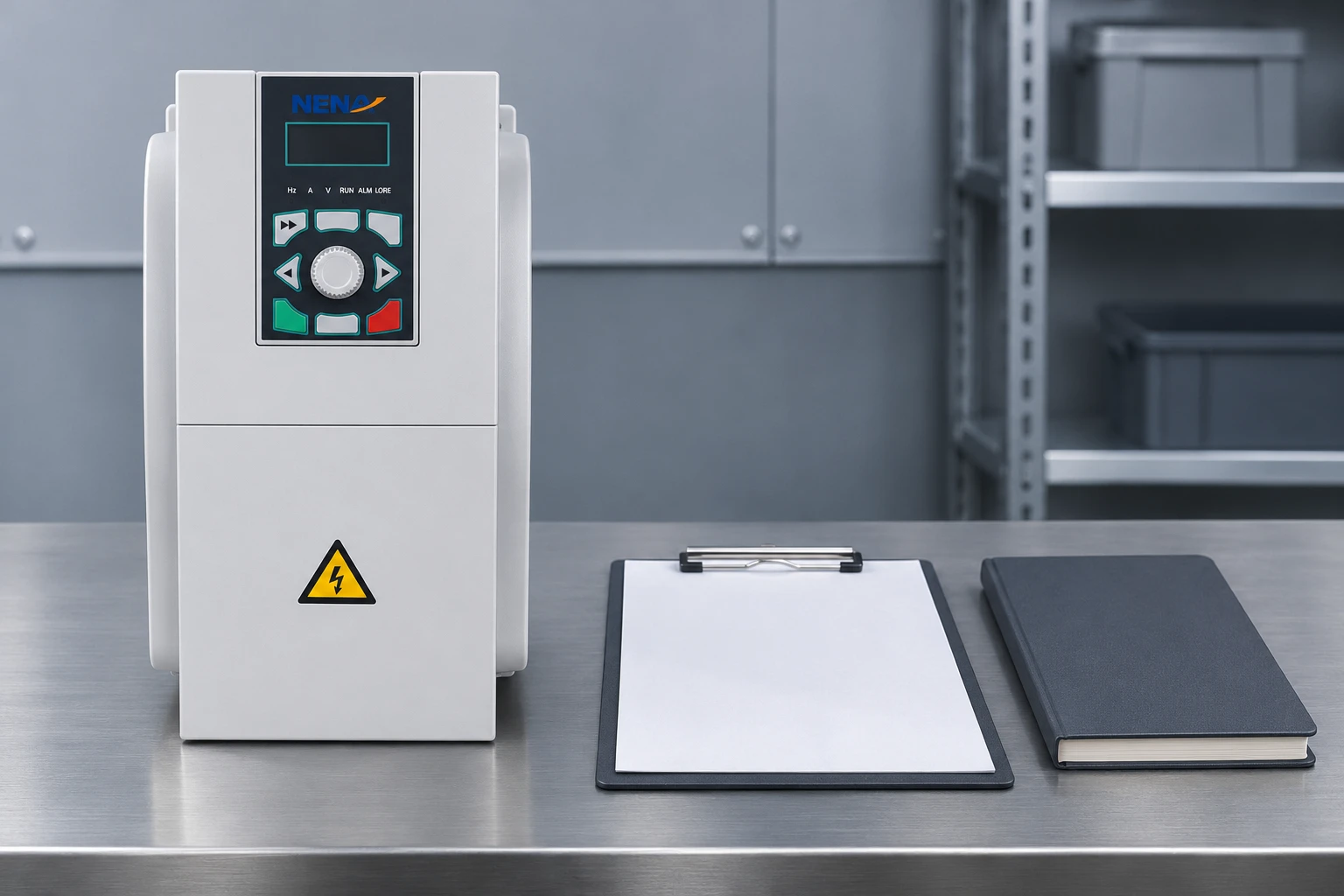
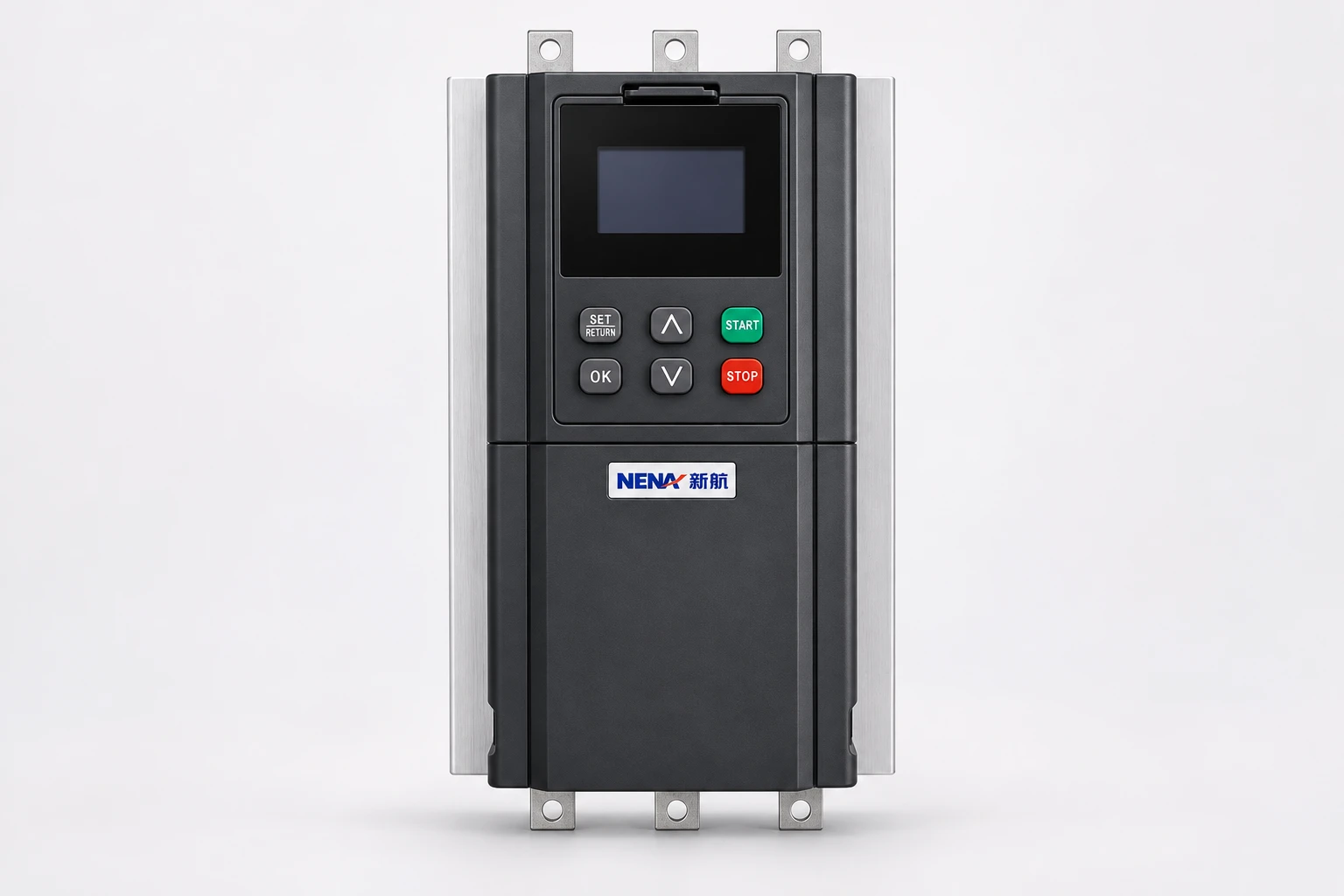
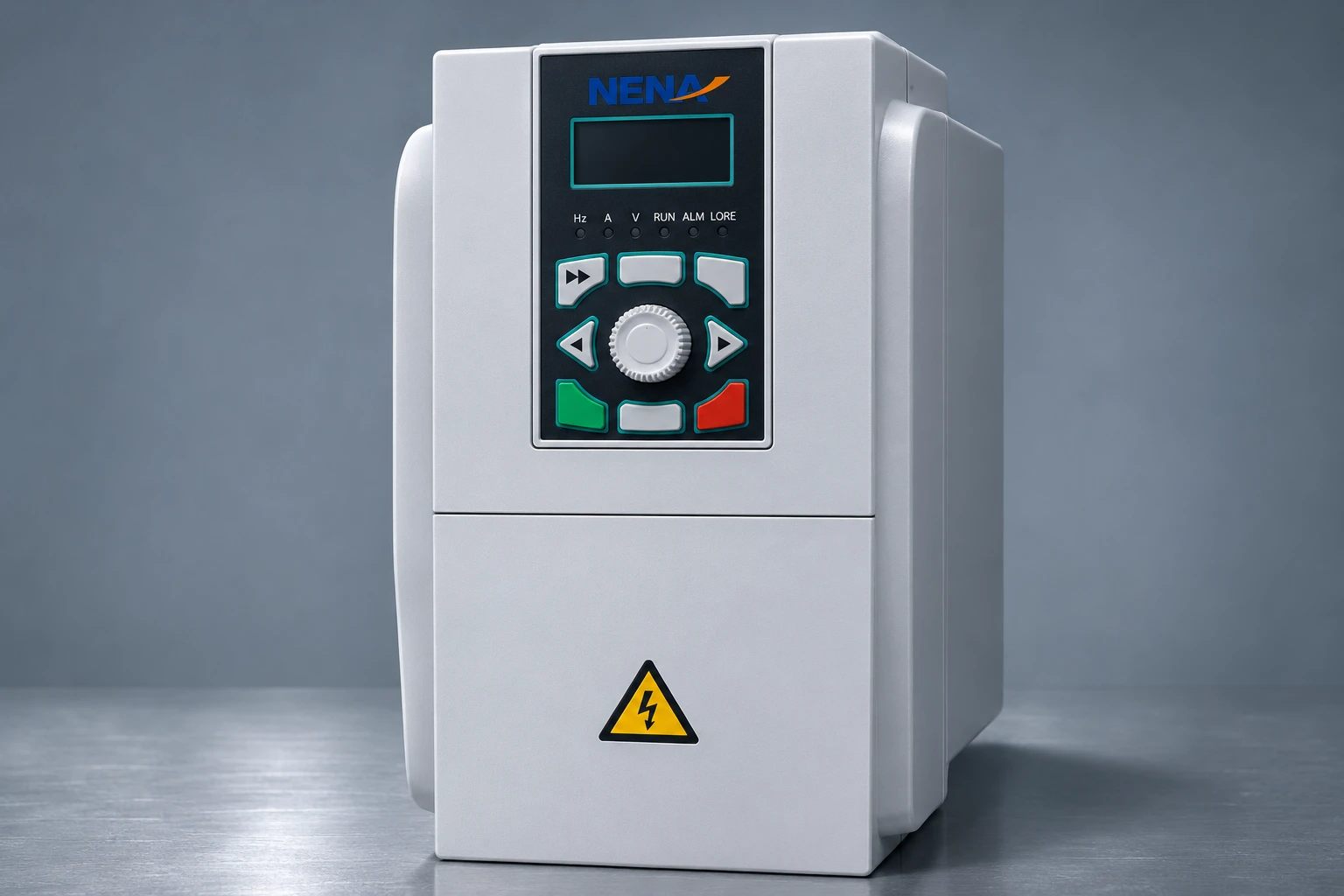
For a NENA 820 general-purpose inverter enquiry, send the exact product identification rather than relying on a photograph of a similar keypad. Include the motor nameplate, cooling arrangement, supply details, fault history, operating trend, load description and the required duty. Confirm functions and limits from the applicable documentation; the product illustration does not establish a particular installed configuration.
State the practical decision you need: whether the existing motor is suitable, what investigation remains, or which documented modification would support the required production cycle. For broader system context, see motor inverter selection. A complete evidence package helps distinguish replacement needs from settings, cooling and process corrections.
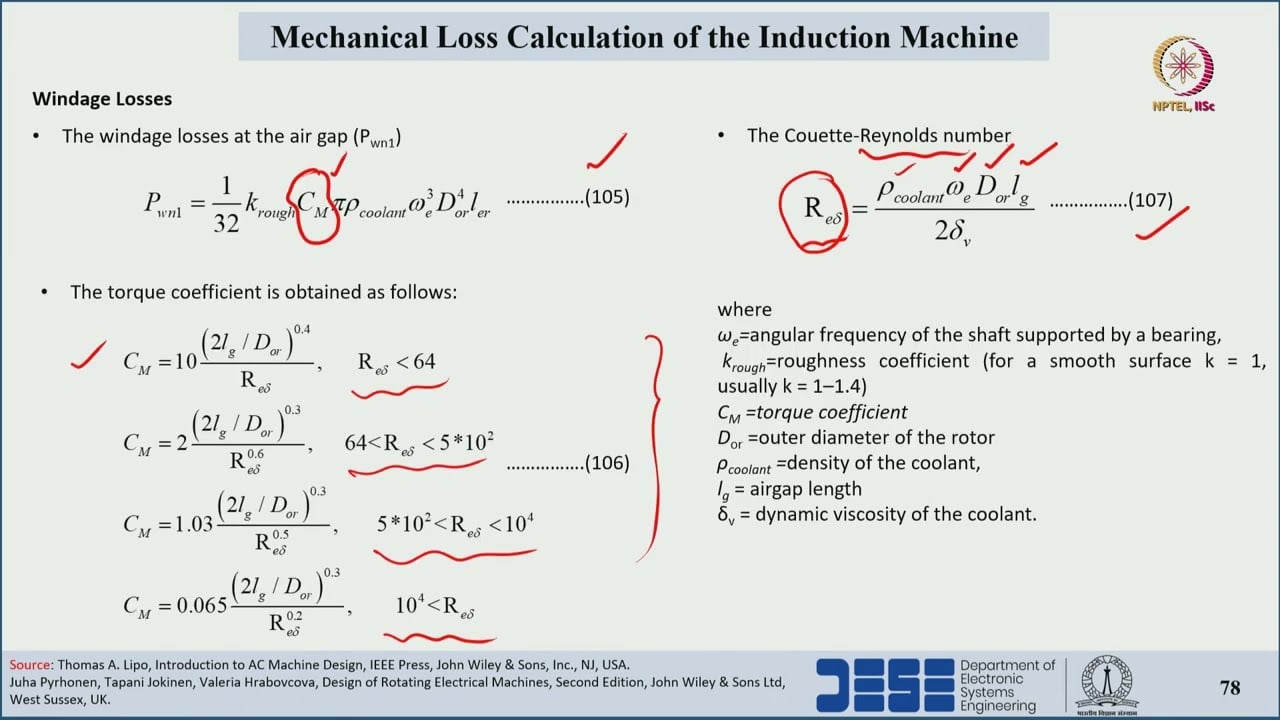
The NPTEL Indian Institute of Science lecture below explains induction-machine losses and performance. It supports the physical background to heat generation; it is not a procedure for testing an energized drive.
Watch on YouTube — NPTEL – Indian Institute of Science, Bengaluru
Yes. Current alone does not establish thermal suitability. Cooling, duty duration, ambient conditions and motor design also matter. Use the approved motor limits and an appropriate temperature assessment.
No. Identify the reporting protection and review load, cooling and motor data first. Drive sizing is one assessment, but an oversized drive does not correct an unsuitable motor duty.
Do not increase it simply to suppress trips. Confirm the motor data, protection requirements and cause of heating before any authorized setting change.
No. The permissible range depends on the motor, cooling, torque demand and duration. Obtain application-specific guidance from the motor and drive manufacturers.