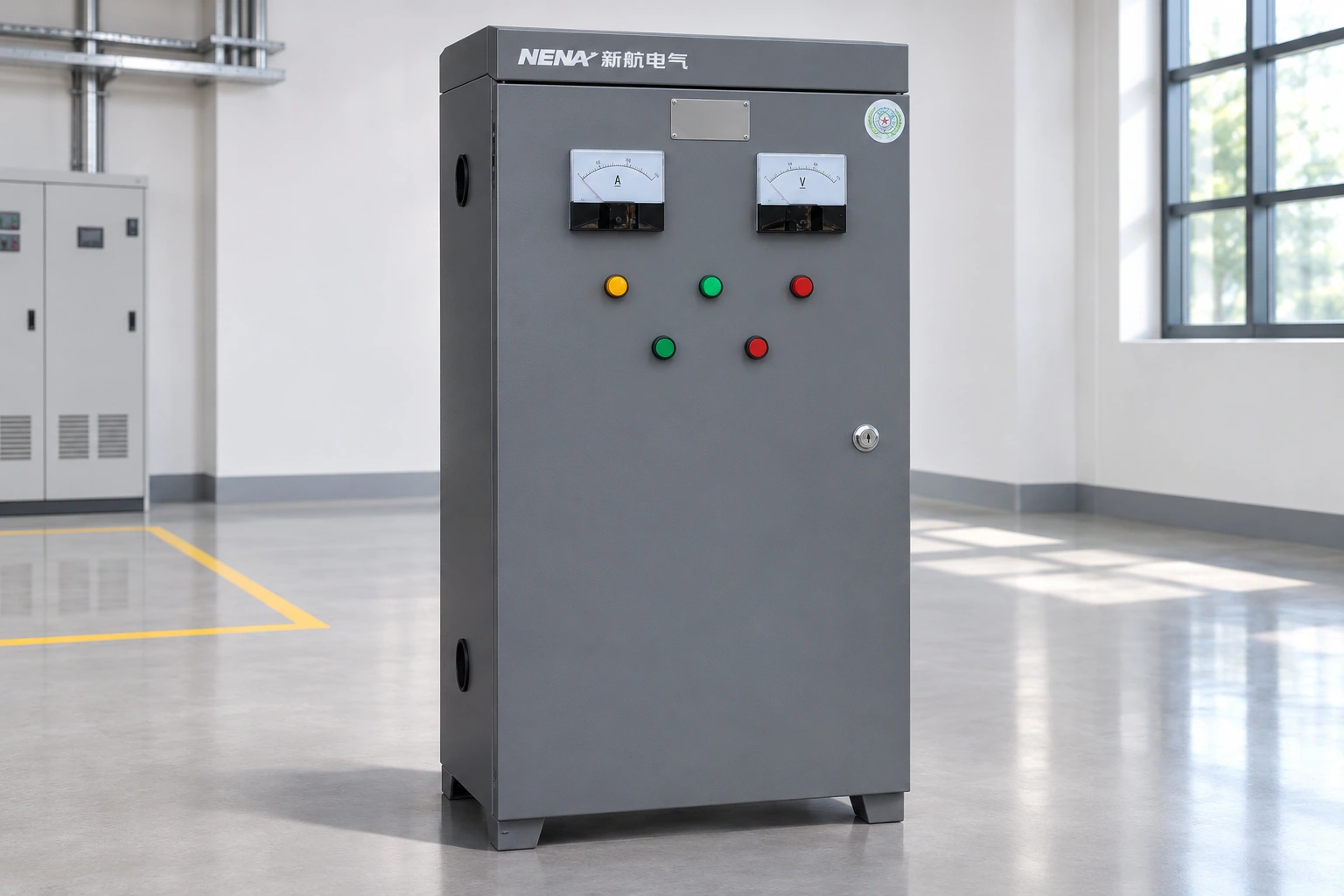
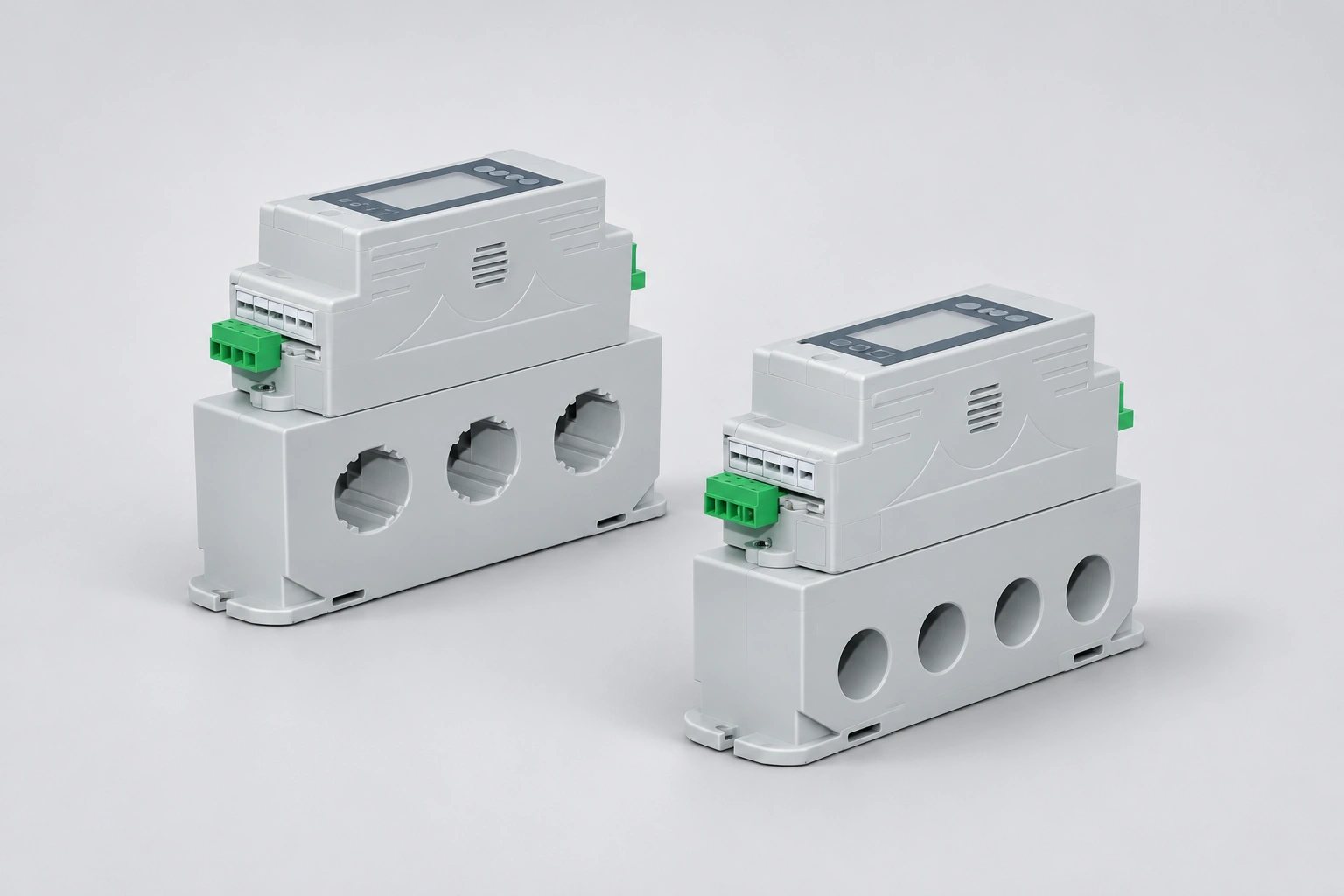
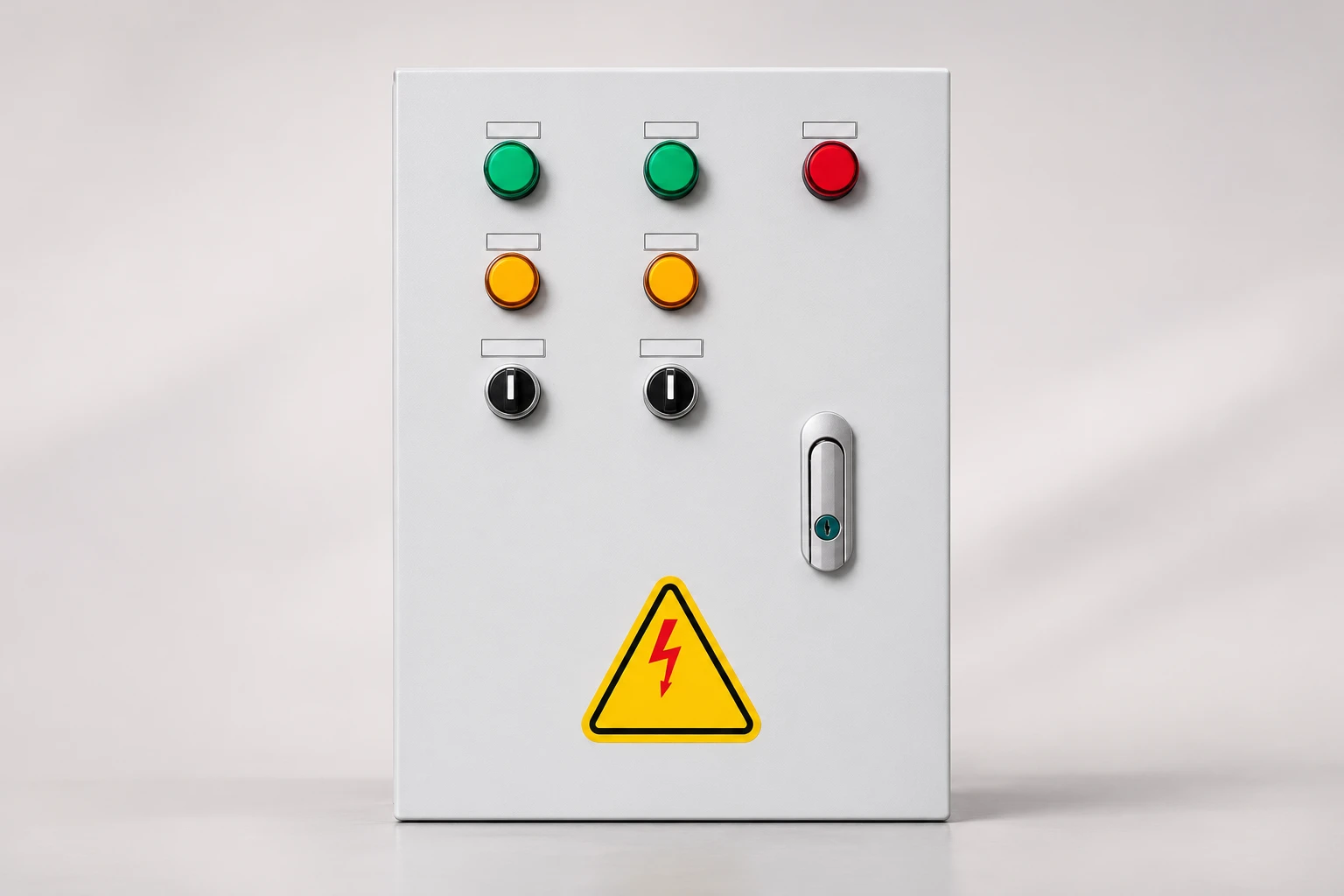
A cable branch box inspection checklist should identify the asset, define the permitted access, record enclosure and cable-interface condition, and assign action to every significant defect. Begin with an external observation from an authorized position. Internal inspection, connector work and electrical testing require a separate approved work scope and competent personnel. A clean exterior does not prove that the insulation or connections are sound, while a photograph of moisture or corrosion needs a clear location and operating context before it can support a maintenance decision.
Record the asset number, location, owner, drawing reference, nominal system information and connected circuits from approved records. Confirm whether the equipment is a passive cable junction arrangement, a distribution box containing switching functions, or another assembly. The name “cable branch box” is used for different products, so an inspection form must match the installed design rather than a generic photograph.
Separate an external condition check from an internal isolated inspection and from diagnostic testing. Each has different access requirements and produces different evidence. State which panels remained closed, which areas could not be seen and whether any records were unavailable. A checklist marked complete without those boundaries can mislead the next person into assuming that concealed parts were examined.
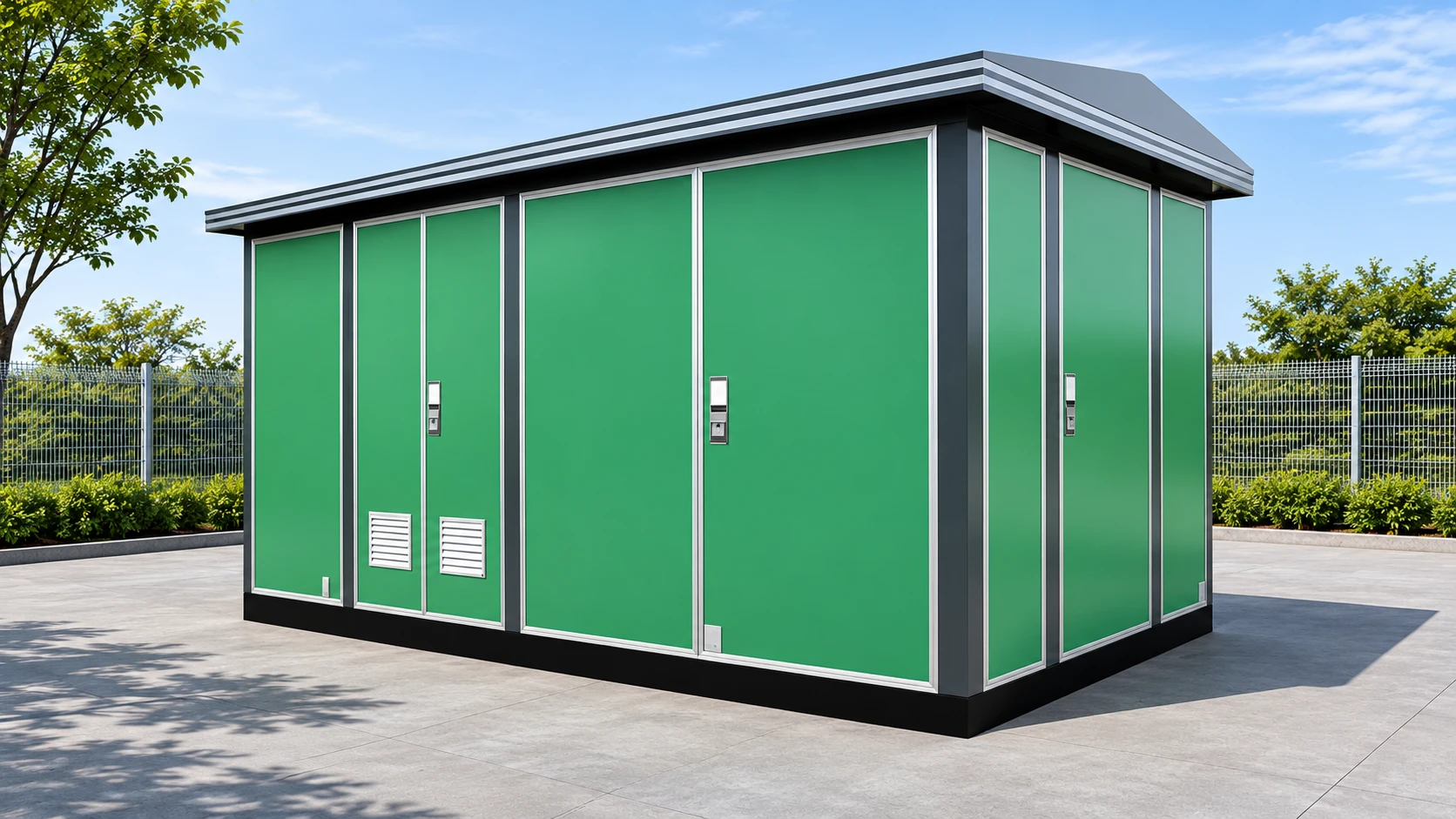
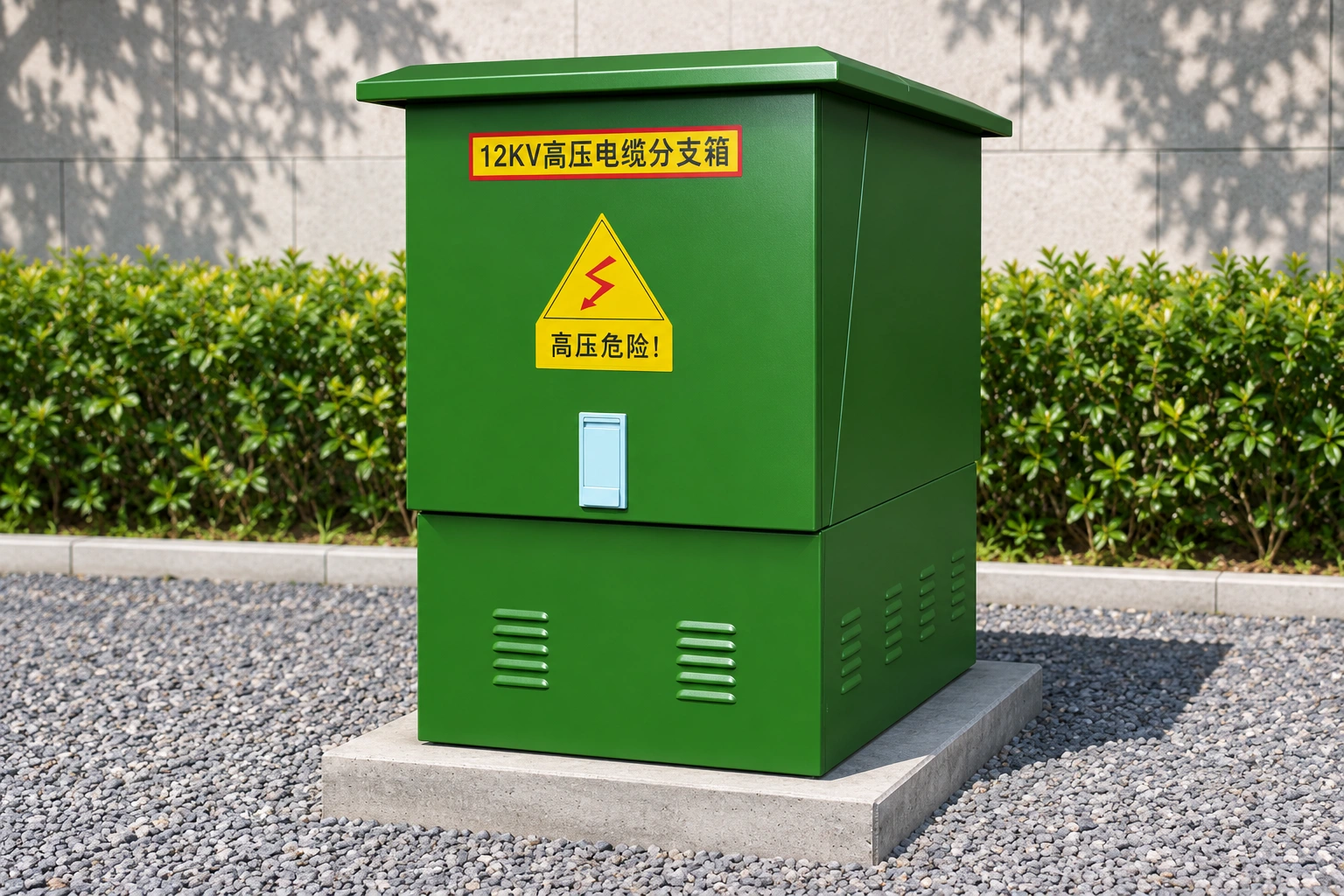
The NENA DFW cable distribution box product page provides the product context for this article. The pictured green enclosure illustrates an outdoor cabinet form. Its external appearance does not establish connector type, load-switching capability, ingress rating or the test method for a particular supplied assembly. Obtain the project drawing and manufacturer instructions for those decisions.
Check who controls the installation and who can authorize access. Confirm safe approach arrangements, site traffic, vegetation, weather conditions and any signs of damage before starting. Where the asset is within a controlled electrical area, follow its access rules even for a short visit. Do not assume an unlocked door permits inspection or that an external metal enclosure is safe to touch after a fault.
El HSE safe electrical working guide explains the planning and controls required for work on or near electrical equipment. A condition checklist does not replace isolation, proving dead, control of stored energy or any other measures specified for the installation. Only the authorized work procedure can determine when opening the enclosure is appropriate.
If the box is associated with an underground chamber, add the relevant access assessment rather than treating it as ordinary outdoor cabinet work. Water, restricted escape and atmospheric hazards can change the task substantially. Stop and obtain the appropriate work plan when the inspection would cross into an area or activity outside the original authorization.
Use the same route around the asset on each visit. Record the overall view, asset label, enclosure condition, door and roof edges, foundation and accessible cable-entry surroundings. Photographs should show both a close view of the defect and a wider view that identifies its position. Preserve the date, weather and recent event history, especially after flooding, construction or vehicle impact.
The following qualitative checklist organizes observations; it is not a set of pass limits for every product. The manufacturer’s assembly details and the owner’s maintenance plan define acceptance and repair requirements. The HSE maintenance guidance supports planned maintenance and safe management of maintenance tasks.
| Inspection area | Observation to record | Follow-up question |
|---|---|---|
| Identity and access | Readable asset information, access restriction and warning condition | Can the operator identify and control the correct equipment? |
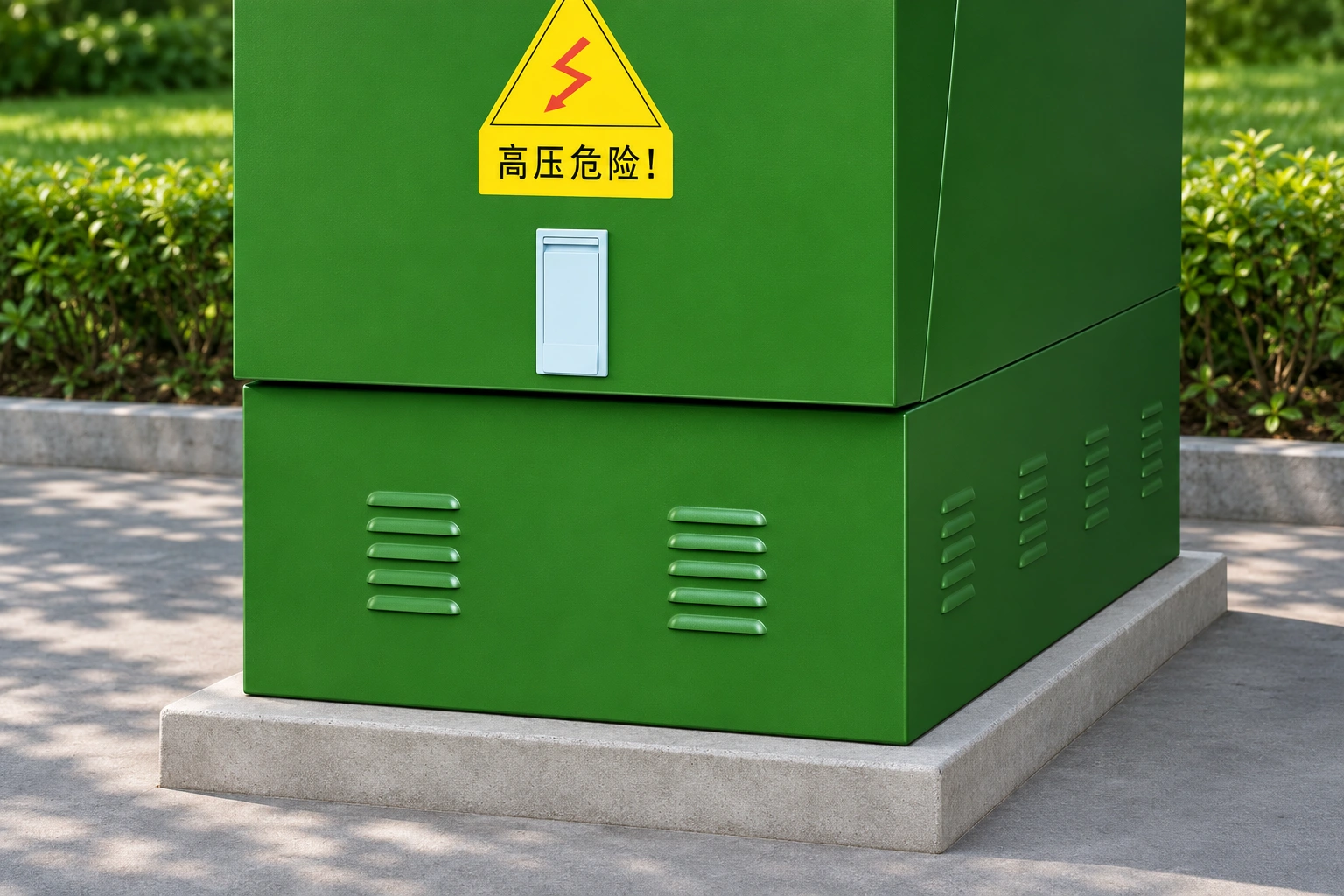
| Roof, doors and joints | Impact damage, open gaps, distorted panels or failed closures | Has the intended enclosure protection been compromised? |
| Foundation and surroundings | Movement, erosion, ponding, excavation or obstructed access | Is the asset supported and accessible as designed? |
| Cable-entry surroundings | Visible seal condition, debris, displacement or water paths | Does the interface need an approved isolated investigation? |
| Accessible bonding records | Documented condition and previous test results | Is specialist verification needed beyond visual observation? |
| Defect closeout | Severity, interim control, owner and target action | Who decides whether continued service is acceptable? |
Note where moisture is found and how it may reach that location. Roof joints, door seals, cable ducts, surrounding ground and condensation can produce different patterns. Photograph the condition before cleaning where it is safe and permitted. Record whether the evidence followed rain, flooding or a temperature change, and whether the problem has appeared at the same location before.
Do not apply sealant across drainage or ventilation openings simply because water is present nearby. The opening may form part of the approved enclosure arrangement. Confirm the intended function and repair detail first. The same caution applies to filling cable ducts or modifying the foundation: a local change can divert water elsewhere or prevent later cable maintenance.
For related equipment interfaces, the lista de verificación de mantenimiento de subestaciones prefabricadas provides an upper-level maintenance context. Keep the findings specific to the branch box, however. A satisfactory substation inspection does not automatically cover a separate outdoor cable enclosure or its underground interfaces.
For an authorized internal isolated inspection, compare the installed arrangement with the assembly drawing and connector instructions. Record accessible cable support, strain, displacement, surface damage and contamination without moving parts beyond the work scope. An unsupported cable or disturbed entry can place mechanical stress on an interface, but the repair method depends on the actual cable and connector design.
Do not pull on connectors, remove caps or disconnect a cable to improve a photograph. A separable interface is not necessarily designed to interrupt load, and an apparently insulated surface does not authorize handling. Confirm the exact connector system, its permitted operations and the installation’s safety procedure before any intervention. Keep covers and barriers in their intended positions until the work plan requires their removal.
If the inspection identifies a cable-testing need, treat that as a separate planned activity. The guide to planning cable tests at ring main units explains why test boundaries and connected equipment matter. A test selected for a cable cannot automatically be applied across every attached device or interface.
Record the visible condition of accessible bonding provisions only where the work scope permits. A conductor that appears connected does not establish electrical continuity or prove the adequacy of the earthing system. Compare observations with approved drawings and previous records, then assign any required verification to a competent person using an appropriate method.
Check circuit labels against the controlled asset information. Faded, contradictory or missing labels need correction through the owner’s identification process. Do not guess which cable supplies a circuit from its position alone. Where records conflict, preserve the discrepancy and escalate it before any switching, testing or maintenance depends on the identification.
El HSE guide to keeping electrical switchgear safe provides a management framework for high-voltage equipment selection, operation and maintenance. Its relevance here is the need for competent control and reliable asset information; it does not supply a connector-specific tightening value or authorize a generic branch-box maintenance procedure.
Unexpected noise, burning odor, smoke, significant damage, suspected tracking, evidence of flooding or an unsecured access point should trigger the site’s escalation procedure. Describe the observation without claiming a confirmed internal failure that has not been established. Keep people away as directed by the responsible operator and avoid further examination that increases exposure.
Less urgent defects still need ownership. A corroded latch, deteriorated warning label or developing foundation issue may become more serious if repeatedly copied into inspection records without action. Assign a responsible person, decision date and planned remedy. Keep “monitor” meaningful by stating the condition being watched and what change would require a different response.
After water exposure, do not interpret a dry exterior as permission to re-energize. The flood-damage assessment guide addresses the broader need for assessment and recovery decisions. Equipment-specific inspection and test requirements remain necessary before a return-to-service decision.
There is no single interval suitable for every cable branch box. Consider the owner’s maintenance policy, manufacturer recommendations, environment, public access, previous defects and consequences of failure. Coastal exposure, recurring water entry or nearby construction may justify different attention from a sheltered site with a stable history. Event-driven checks can supplement the planned schedule.
Compare successive reports using consistent descriptions and photograph locations. A small change in corrosion or foundation movement is easier to assess when the previous view can be repeated. Record unchanged conditions as well as new defects, but do not copy old statements without checking them. Inspection history should help an engineer understand progression rather than merely show that visits occurred.
Close the report with the inspected scope, inaccessible areas, defects, interim restrictions and outstanding decisions. Attach the drawing revision and relevant photographs. Separate observed facts from suspected causes and proposed remedies. A repair quotation needs enough information to identify the actual assembly and interfaces, not just the phrase “replace cable box.”
For replacement planning, provide circuit arrangement, cable details, interface requirements, environmental conditions, foundation information and access constraints. Request approved drawings, instructions and acceptance requirements for the proposed assembly. Verify that any replacement resolves the recorded problem while remaining compatible with the wider installation.
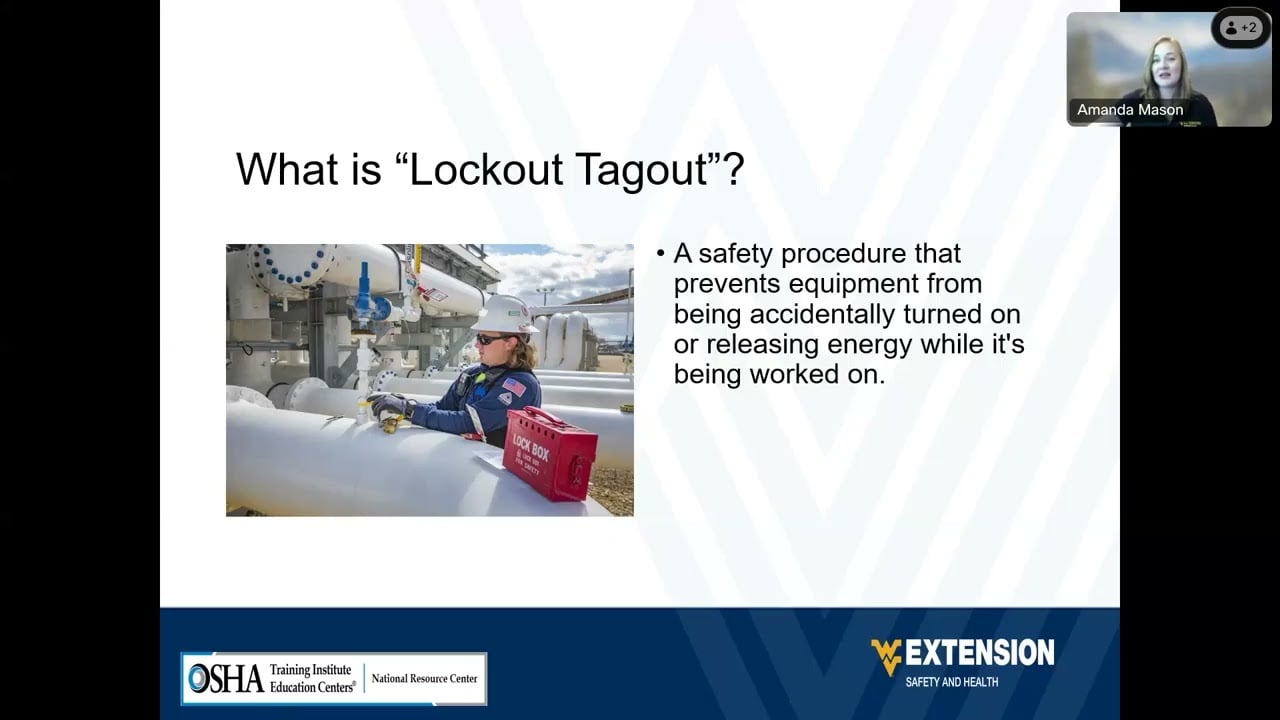
The US Department of Labor video introduces lockout and tagout principles relevant to planning electrical maintenance. It does not demonstrate medium-voltage cable connector operations or replace the installation’s authorized safety procedure.
Watch on YouTube — USDepartmentofLabor
No. Registra la condición accesible y puede identificar razones para una investigación adicional. El aislamiento oculto, las conexiones y el rendimiento eléctrico requieren una evaluación separada adecuada.
No. Identifique primero el camino del agua y el diseño de la envoltura previsto. Bloquear el drenaje o la ventilación aprobados puede crear problemas adicionales; utilice los detalles de reparación del fabricante.
Solo si un procedimiento de trabajo autorizado por separado cubre esa operación para el equipo exacto. Una lista de verificación visual de rutina no autoriza la desconexión, la interrupción de carga o el manejo de interfaces de cable.
Establezca el intervalo utilizando las recomendaciones del fabricante, el plan de mantenimiento del propietario, la exposición del sitio, el historial de defectos y las consecuencias de la falla. Agregue verificaciones impulsadas por eventos donde las condiciones lo justifiquen.