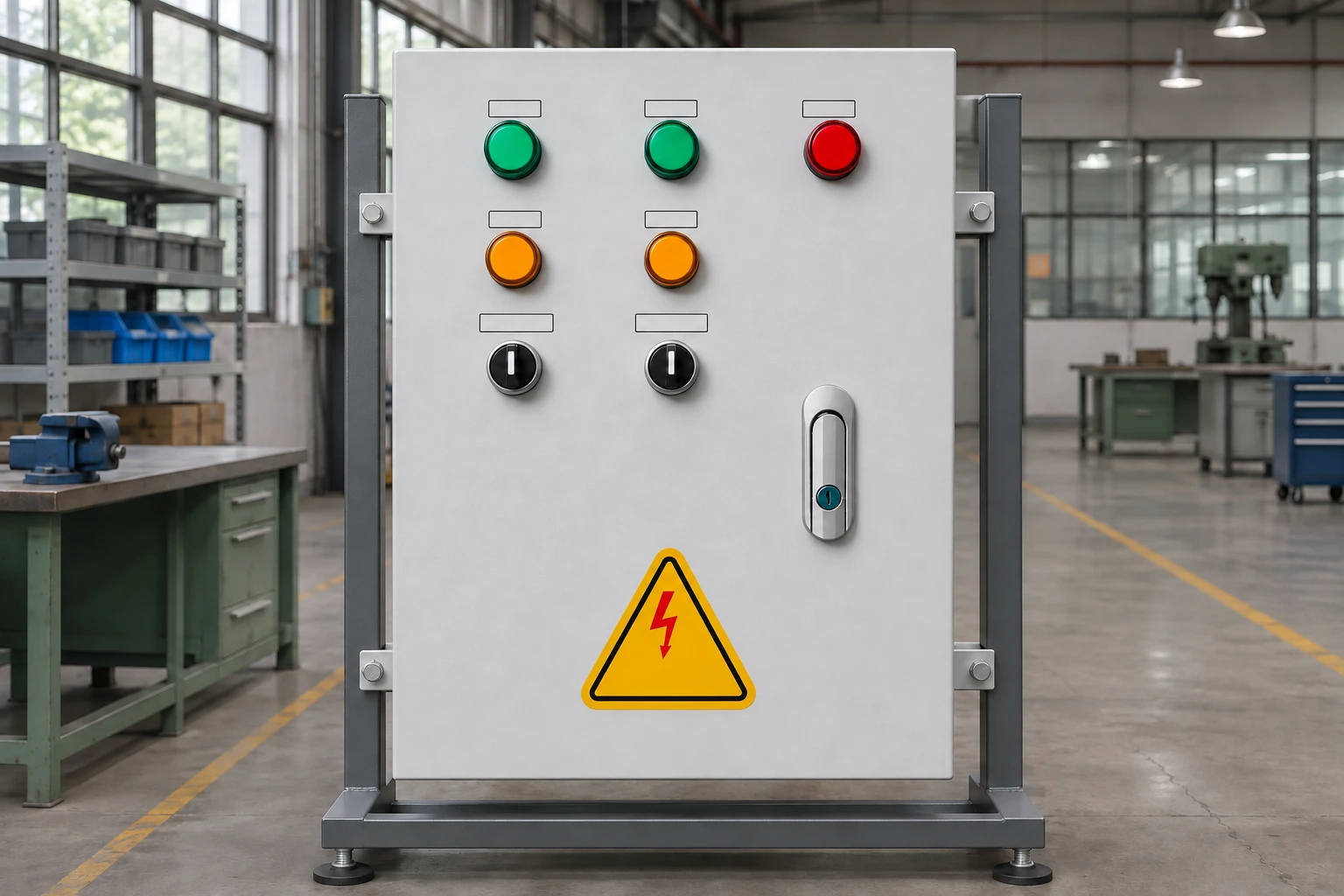
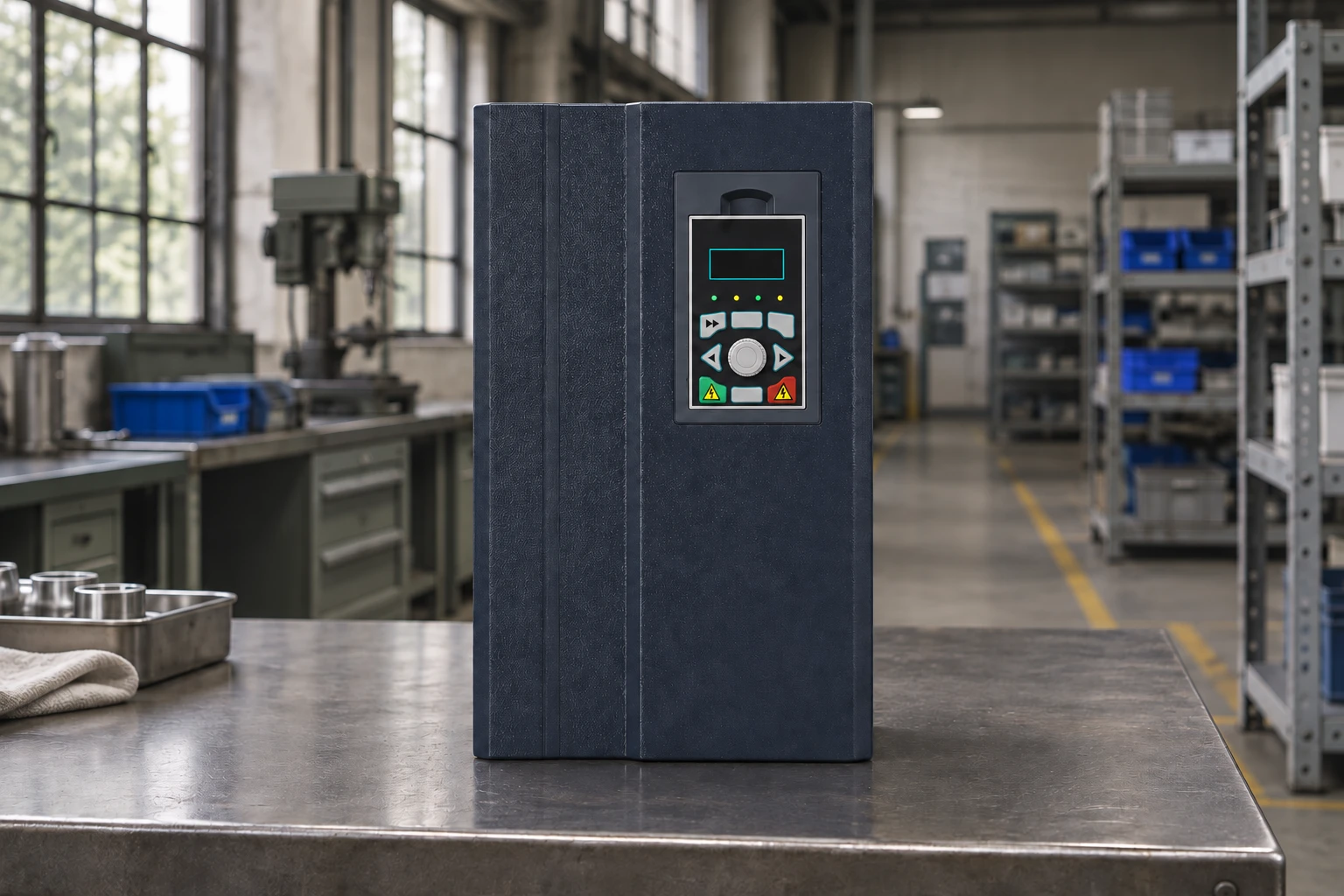
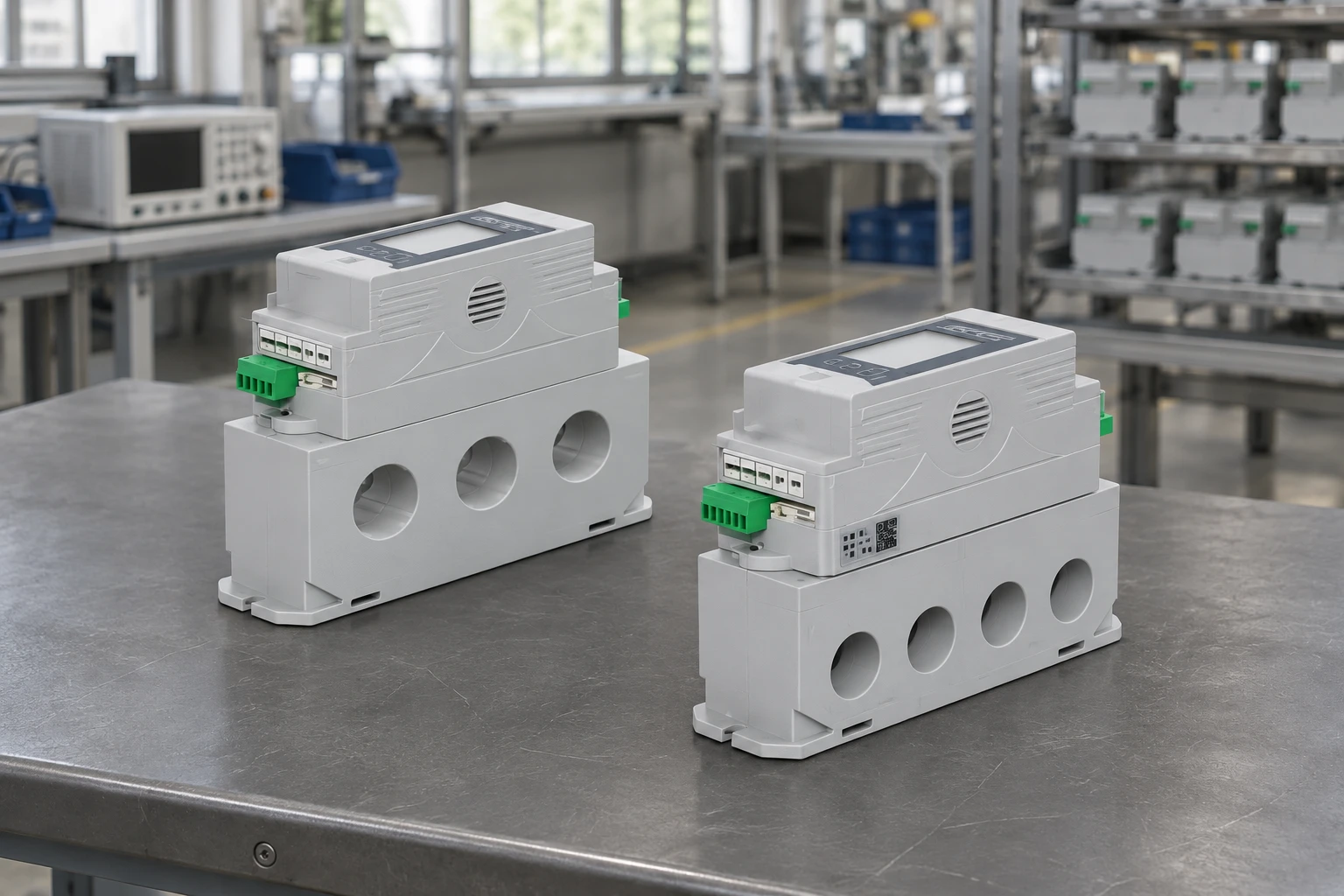
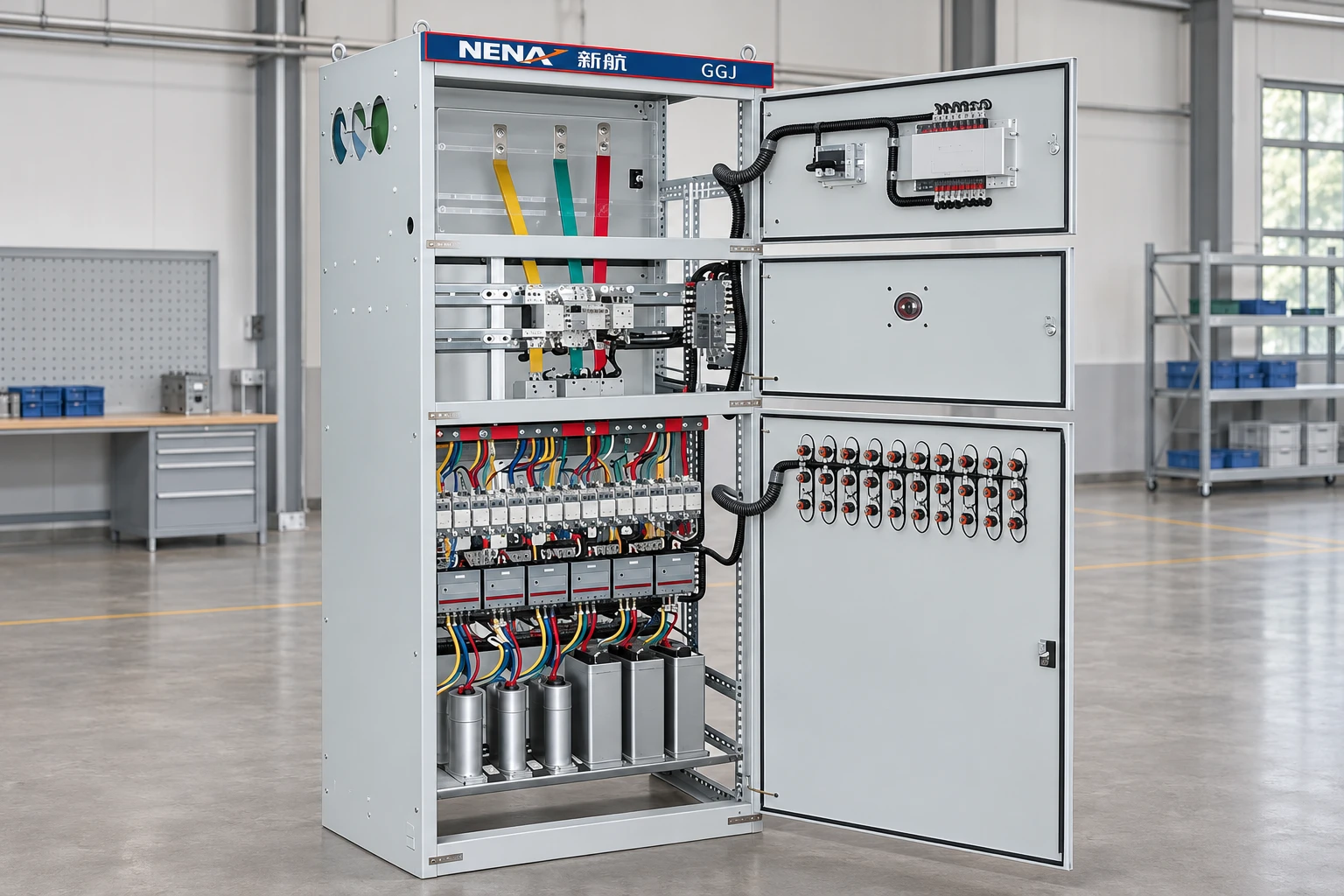
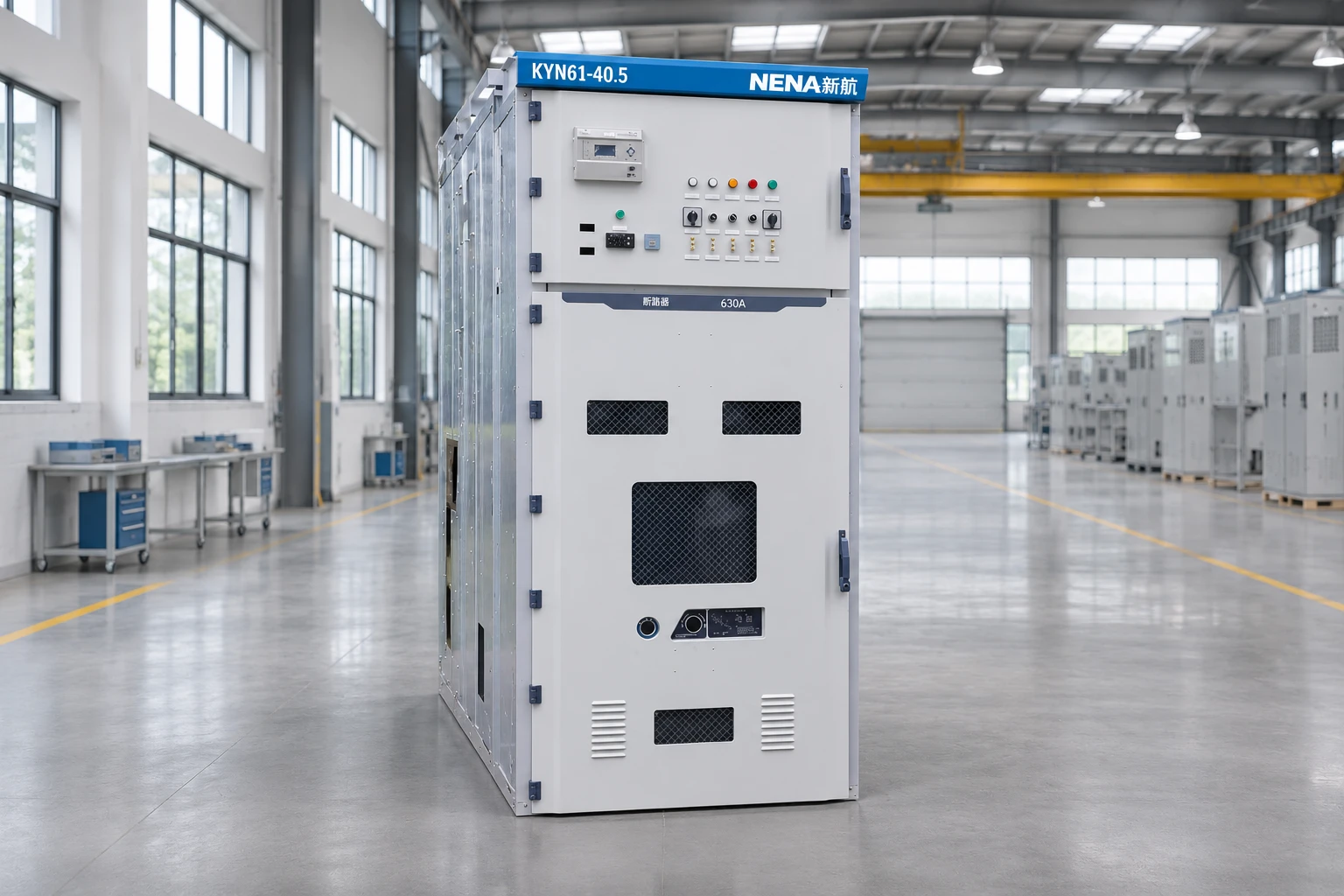
Prefabricated substation spare parts should be selected from the actual installed equipment list, then ranked by failure consequence, replenishment time and the work needed to restore service. A generic box of fuses and lamps is not a complete recovery plan. The useful result is a controlled stock list linking each spare to a specific asset, approved part number, storage requirement and replacement procedure. This guide explains how buyers and maintenance teams can build that list without assuming that every kiosk contains the same transformer, switchgear or auxiliary equipment.
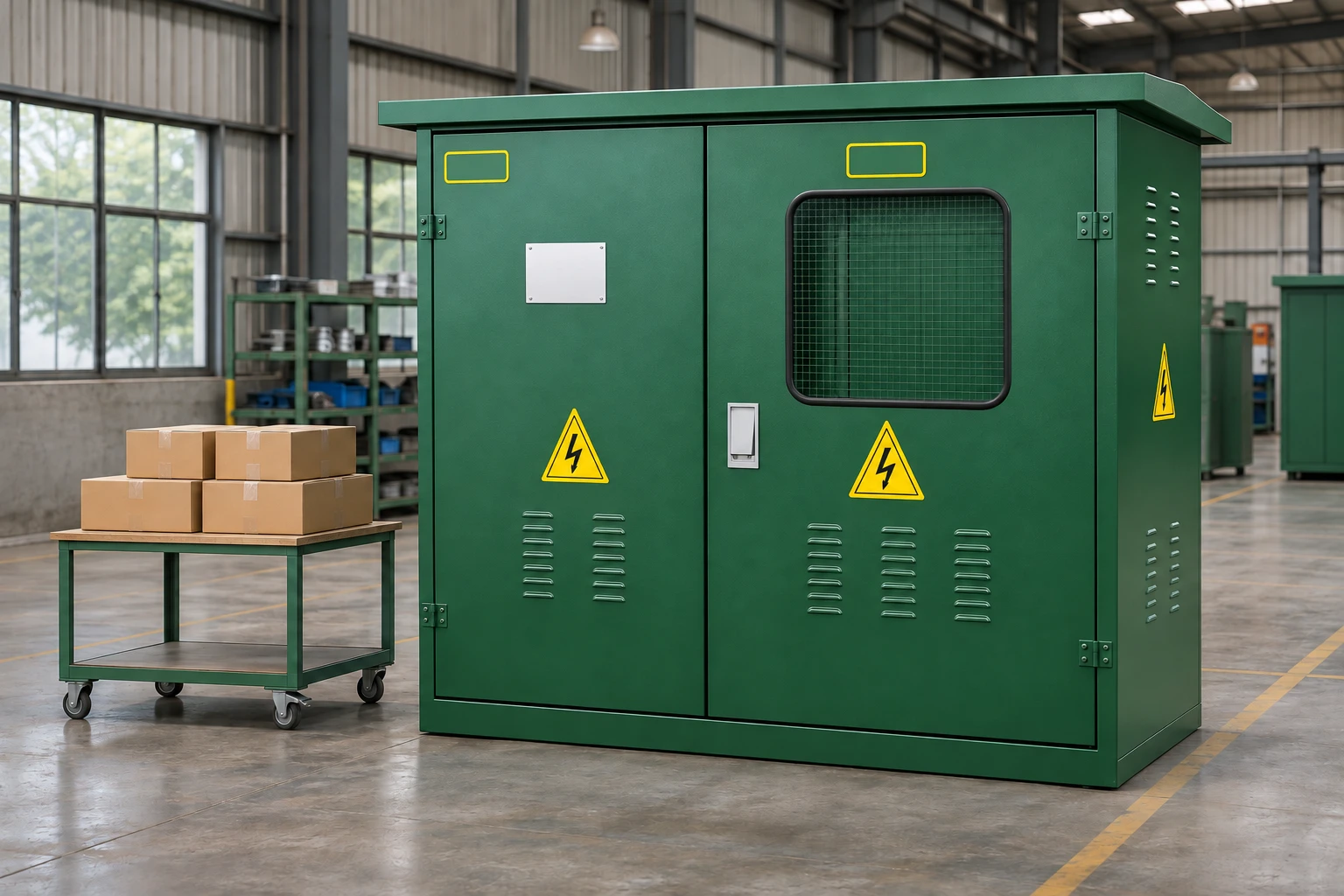
La ilustración NENA American prefabricated substation is a product reference. Its green enclosure does not identify the internal bill of materials for an individual order. Confirm the supplied configuration and approved documents before applying any example in this article.
Collect the final single-line diagram, assembly drawings, component register, operating manuals and equipment serial numbers. Resolve differences between tender descriptions and the equipment actually delivered. A spare recommended for an alternative component in an early proposal can be useless for the final assembly. Record the document revision beside the relevant asset rather than relying on the file name alone.
Ask the supplier for a recommended spare-parts schedule that identifies the parent assembly, manufacturer reference, quantity installed, recommended quantity and reason for holding it. Include special tools and any service access requirements. An item that requires a proprietary setting tool or an approved contractor is not immediately usable simply because it is sitting in the storeroom.
Sydney Water’s kiosk-substation specification separates consumables, routine maintenance spares and optional strategic spares, and requests equipment-specific documentation. This is a useful organisational example, not a universal requirement for every NENA order or a claim that the pictured product meets that utility’s specification.
A consumable supports planned work and can usually be forecast from the maintenance programme. A recovery spare is held because an unexpected failure would otherwise interrupt service for an unacceptable period. A strategic spare may be expensive and rarely used, but its absence can dominate the recovery time. Keeping these purposes separate helps explain why some inexpensive items need several units while a larger assembly may be shared across sites.
Do not classify by price alone. An inexpensive control component with a long approval or delivery process can be more urgent than a costly item available locally. Equally, stocking an expensive component provides little value if its replacement needs a major outage that cannot be arranged, or if the site has no authorised means to install and test it.
Link the list to the broader substation maintenance programme. Inspection findings should update the demand forecast. Repeated damage to a seal, heater or other auxiliary item should trigger investigation of the underlying environment rather than an automatic increase in stock. Only include those component categories when they are actually installed.
The table below provides planning questions, not a standard bill of materials. The responsible engineer should identify applicable components and decide whether to hold them locally, share them, arrange supplier support or manage the risk another way. Record the decision even when the approved quantity is zero.
| Candidate category | Question before stocking | Required supporting record |
|---|---|---|
| Routine consumable | Will planned work use it before it expires? | Applicable maintenance task, storage limits and reorder trigger |
| Auxiliary control component | Would its loss prevent an essential function? | Exact electrical and mechanical identity, drawing reference and approved replacement |
| Protection or switching assembly | Can the installed assembly be replaced and verified within the recovery window? | Supplier confirmation, configuration record, service scope and test requirements |
| Major transformer or complete station unit | Does the consequence justify dedicated or shared strategic cover? | Engineering compatibility, transport route, site access and restoration plan |
El guía de operaciones y mantenimiento del Departamento de Energía de España discusses inventory information as part of maintenance management. For this stock list, the practical implication is that quantities need to follow work demand and replenishment arrangements. A catalogue spreadsheet without issue records or reorder responsibility will become unreliable.
Two parts with the same short description are not necessarily interchangeable. Record the full manufacturer code and applicable revision. Confirm ratings, mounting, environmental suitability and connection details through the equipment supplier. For a configured device, the hardware may also depend on an approved software version, settings file or communication arrangement.
Replacement fuses, where fitted, need the specified type and characteristics, not merely a matching current number. Switching assemblies and protective devices need their own engineering verification. Do not select a substitute by cabinet colour, door layout or a photograph of an apparently similar station. Enclosure resemblance provides no evidence about the fault-duty capability or internal interfaces.
Use an explicit approval field for substitute parts. Identify who approved the substitution, the supporting document and the assets to which it applies. When a supplier announces a superseding part, update the cross-reference after confirmation and retain the old identity for tracing historical issues. Avoid silently replacing the stock description and losing the relationship to installed equipment.
Start with the time to diagnose the failure and identify the required assembly. Add supplier confirmation, procurement, transport, site access, outage approval, replacement, testing and return to service. The longest stage may not be manufacturing. A part delivered overnight can still leave a station unavailable if specialist personnel or a required test arrangement are not ready.
As a planning example, compare a locally held spare with a supplier-held spare using the same restoration steps. Do not promise an outage reduction based only on shipping time. Record assumptions and identify the party responsible for each stage. If the station serves an essential process, also assess temporary supply or load-transfer arrangements through the site’s engineering process.
Large assemblies require transport and handling planning. Confirm dimensions, mass, access, lifting arrangements and connection compatibility for the approved replacement. A shared strategic unit needs a documented allocation process so that two sites do not both assume it is exclusively available to them. These questions should be settled before an emergency occurs.
Assign a stock location and follow the manufacturer’s packaging, environmental and shelf-life requirements. Keep identification readable without unnecessarily opening protective packaging. Separate accepted stock from damaged, returned or quarantined material. Record inspection dates and any required preservation activity. A spare exposed to moisture or contamination may be unavailable even if the inventory system still counts it.
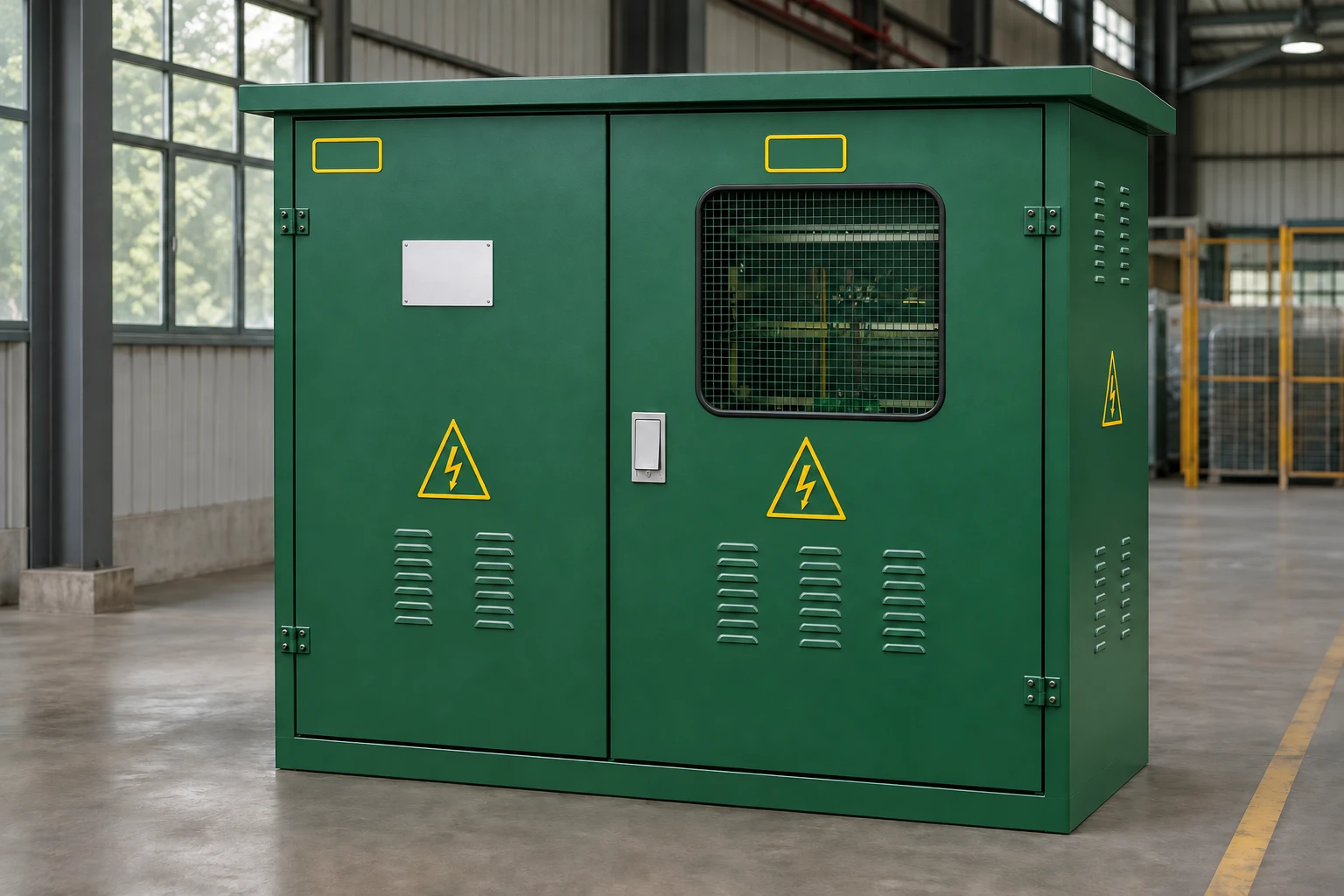
Enclosure-related spares need particular attention to profile and material compatibility. A replacement gasket that appears similar can affect closure or protection if its section is wrong. A door mechanism needs to match the actual assembly and any interlocking arrangement. The photograph below illustrates external identification points; it does not show an approved replacement kit.
Utilice el receiving-inspection guide when establishing the original asset record, and the corrosion-inspection guide when evaluating environmental findings. The stock list should refer to the resulting repair decision rather than treating all visible deterioration as a reason to fit the same generic spare.
Issue a spare against a work order that identifies the failed asset and the reason for replacement. Record the removed and fitted identities, condition found, authorised work and required tests. Update the installed-equipment register when an approved revision changes. Return unused parts through an inspection process instead of placing opened packages directly back into accepted stock.
Electrical replacement work needs an approved isolation and access plan. The HSE electrical safe-working guidance provides general background on that boundary. Having a spare in stock does not authorise access to high-voltage equipment or establish that the replacement can be completed without specialist testing.
Review holdings after actual failures, changes to the station and supplier support changes. Track issues, replenishment times, unused stock approaching its storage limit and components whose approved replacements are becoming unavailable. Assign an owner and review date. The objective is a stock position that supports the current installation rather than preserving yesterday’s procurement assumptions.
For procurement review, keep the spare schedule separate from the base equipment quotation. State which items are included, optional or excluded, and obtain written confirmation of ownership and storage responsibility before accepting delivery.
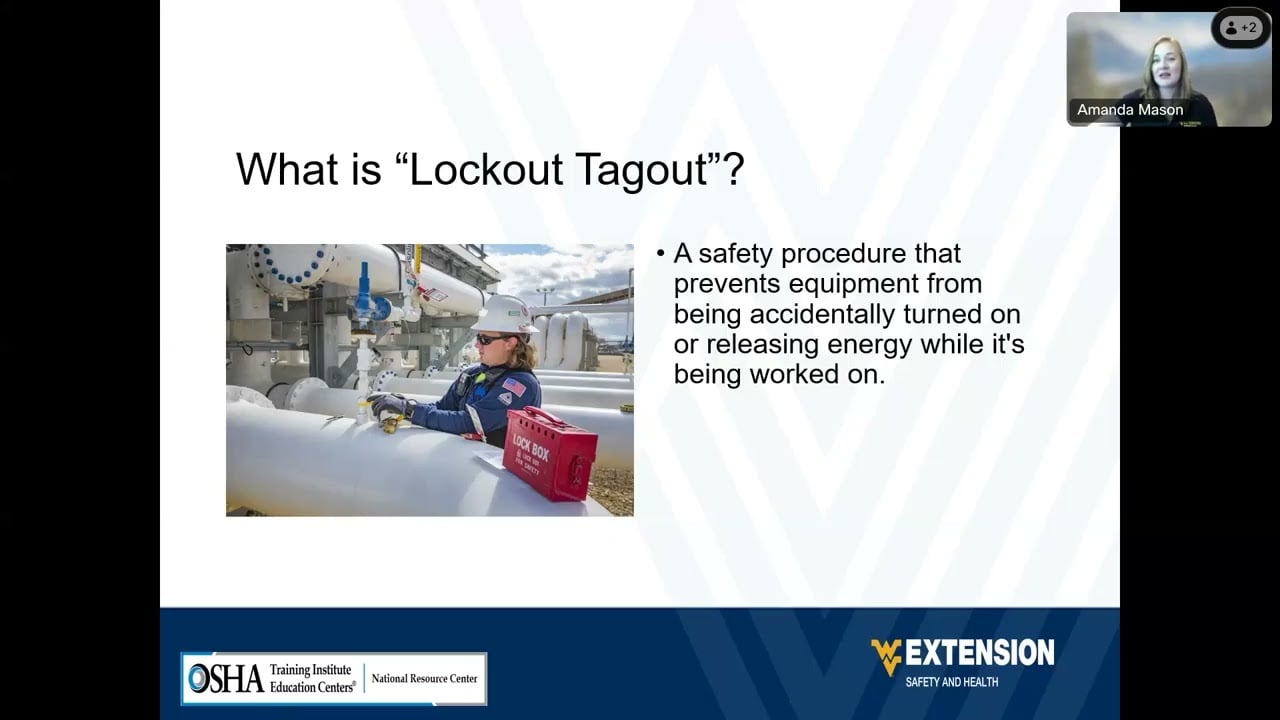
The US Department of Labor lockout and tagout video below supports the work-planning boundary between possession of a spare and authorisation to install it. It is general educational material, not a substation switching programme or a replacement instruction.
Watch on YouTube — USDepartmentofLabor
No. Construya la lista a partir de los componentes instalados, las consecuencias del sitio, los arreglos de reabastecimiento y los requisitos de mantenimiento aprobados.
Eso requiere una decisión de ingeniería y operativa. Considera las consecuencias de la falla, el equipo compartido compatible, el tiempo de entrega de reemplazo, el transporte y los arreglos de suministro alternativos.
Registre el activo principal, el número de parte completo aprobado, la revisión relevante, el dibujo aplicable y cualquier requisito de sustitución o configuración confirmado.
Revísela después de fallos significativos, cambios en el equipo, cambios en el soporte del proveedor y revisiones programadas de inventario, con un responsable nombrado encargado de las decisiones.