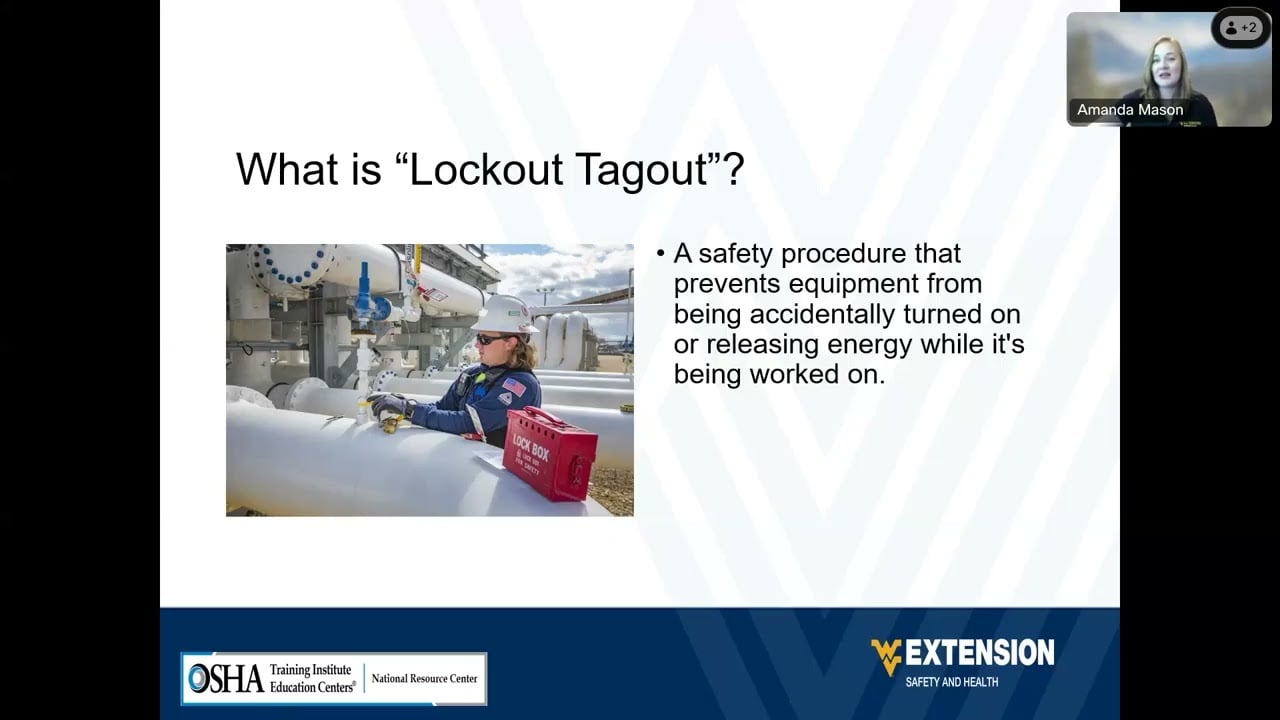
Switchgear storage before installation needs an agreed preservation plan, a suitable location and a recorded release check. A cabinet that has never carried load can still deteriorate while a building project is delayed. Keep the equipment within its own manufacturer’s storage requirements, protect it from contamination and document changes in condition. Do not treat shipping wrap, an outdoor enclosure rating or a successful factory test as proof that an assembly can wait anywhere until commissioning. This guide helps project buyers and site teams define the storage scope; it does not replace the order-specific instructions or authorize electrical work.
The storage period begins when the delivery enters the site’s custody, even if installation was originally planned for the same week. A cabinet standing in an unfinished switchroom remains exposed to building conditions. A roof may be complete while plastering, pipe testing and concrete cutting continue nearby. The first decision is therefore whether the actual location meets the preservation requirements, rather than whether the project schedule calls the equipment installed.
Record the assembly identification, shipping section, arrival condition, intended storage location and responsible person. Agree who inspects the equipment, maintains any approved environmental controls and reports interruptions. Split responsibility is a common weakness: the logistics contractor assumes the electrical contractor is checking the cabinet, while the electrical contractor assumes responsibility begins after positioning. Assign ownership explicitly in the delivery and installation scope.
For an assembly such as the KYN61 armored metal-enclosed switchgear, request the storage instructions supplied for the actual order. A product description establishes the equipment family; it does not establish the permitted storage duration, heater supply arrangement or acceptance test values for a particular delivery.
Assess water entry, drainage, building dust, chemical exposure, temperature changes, unauthorized access and the route for later removal. Consider foreseeable work as well as present conditions. A dry corner beneath an unfinished roof may become unsuitable when roof drainage is connected. A clean room can become dusty when an adjacent wall is drilled. Protecting the cabinet requires coordination with the construction sequence.
The floor and supports must suit the equipment and handling plan. Keep the assembly stable and preserve access for inspection without improvising lifting or stacking arrangements. Do not select support points from a photograph. Use the approved drawings and handling information, and have the logistics team verify the travel route before moving the cabinet into a temporary position that will be difficult to leave.
Label stored sections so they remain identifiable when several orders share a room. Keep loose accessories and documentation associated with their parent assembly. Missing keys, joining hardware or operating instructions may not visibly damage the cabinet, but they can prevent a controlled installation later. Store paperwork separately from surfaces that may become damp, while retaining a clear link to the equipment record.
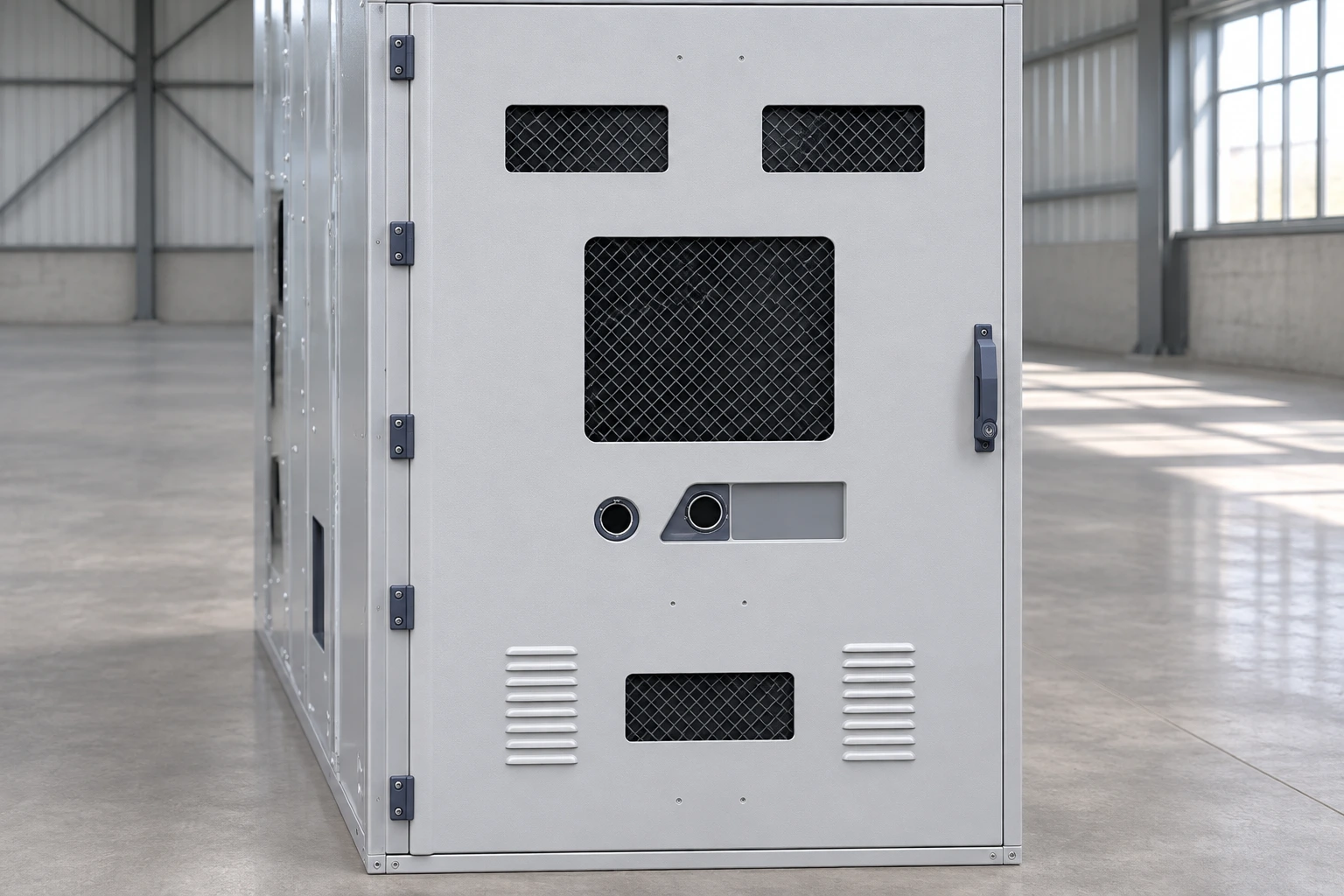
Moisture prevention is more than looking for rain. Surface temperatures can change when equipment moves between environments, and room conditions can change while a project waits. The preservation plan should explain how the actual environment will be monitored and how the manufacturer wants the assembly protected. Do not transfer a humidity limit, heater wattage or thermostat setting from another switchgear family.
Independent equipment manuals illustrate why this matters: Eaton and Schneider Electric both discuss contamination control and storage precautions, but their detailed packaging and environmental instructions differ. Those manuals inform the questions to ask; their numerical values and connection procedures are not NENA specifications. Obtain written instructions for this order whenever the site conditions or delay differ from the agreed delivery assumptions.
If the approved plan calls for internal heaters, qualified electrical personnel must establish the supply, isolation, protective measures and supervision from the actual diagrams. Temporary power can introduce a hazard into equipment otherwise regarded as disconnected. Never assume that energizing a convenient terminal affects only a heater. Keep the temporary circuit identified and include its removal and restoration requirements in the later handover.
Do not use makeshift heat sources, open flames or a method that adds fumes and contamination. If the specified environmental control cannot be maintained, notify the responsible engineer and supplier rather than compensating with an undocumented substitute. The useful record includes the time of the interruption, the affected sections, observed conditions and the disposition agreed afterward.
A record should distinguish observations from acceptance decisions. “Checked” alone says little. Identify what was accessible, what was seen and whether any part of the inspection was deferred. Set the inspection interval using the supplied instructions and assessed site risk. Also trigger a review after relocation, a water incident, loss of environmental control or a significant construction change.
| Check area | Useful observation | Next decision |
|---|---|---|
| Room and route | Leak paths, dust-producing work, access obstruction or a changed storage position | Restore protection or agree an alternative location before exposure continues |
| Accessible cabinet surfaces | New corrosion, staining, damaged seals or changed door alignment | Record photographs and seek assessment of the affected section |
| Approved environmental controls | Documented supply interruption, alarm or unavailable monitoring record | Assess the exposure period against the order-specific instructions |
| Accessories and identification | Missing labels, keys, loose parts or unmatched documentation | Resolve the inventory before installation release |
| Custody transfer | Storage duration, unresolved observations and responsible signatories | Accept the transfer only with clear outstanding actions |
This is a planning table, not a substitute for a manufacturer’s inspection checklist. The HSE maintenance guidance supports planned work, competent personnel and clear communication. Apply those principles through a site-specific procedure with defined authority to stop and escalate an unsuitable condition.
cURL Too many subrequests by single Worker invocation. To configure this limit, refer to https://developers.cloudflare.com/workers/wrangler/configuration/#limits.
cURL Too many subrequests by single Worker invocation. To configure this limit, refer to https://developers.cloudflare.com/workers/wrangler/configuration/#limits cURL Too many subrequests by single Worker invocation. To configure this limit, refer to https://developers.cloudflare.com/workers/wrangler/configuration/#limits.
cURL Too many subrequests by single Worker invocation. To configure this limit, refer to https://developers.cloudflare.com/workers/wrangler/configuration/#limits.
cURL Too many subrequests by single Worker invocation. To configure this limit, refer to https://developers.cloudflare.com/workers/wrangler/configuration/#limits.
cURL Too many subrequests by single Worker invocation. To configure this limit, refer to https://developers.cloudflare.com/workers/wrangler/configuration/#limits.
Para la propiedad continua, cURL Too many subrequests by single Worker invocation. To configure this limit, refer to https://developers.cloudflare.com/workers/wrangler/configuration/#limits explains the wider management responsibilities. Connect the storage record to the asset file so a later engineer can understand the equipment’s pre-service history. This helps separate transport damage, storage deterioration and installation issues when investigating an unexpected result.
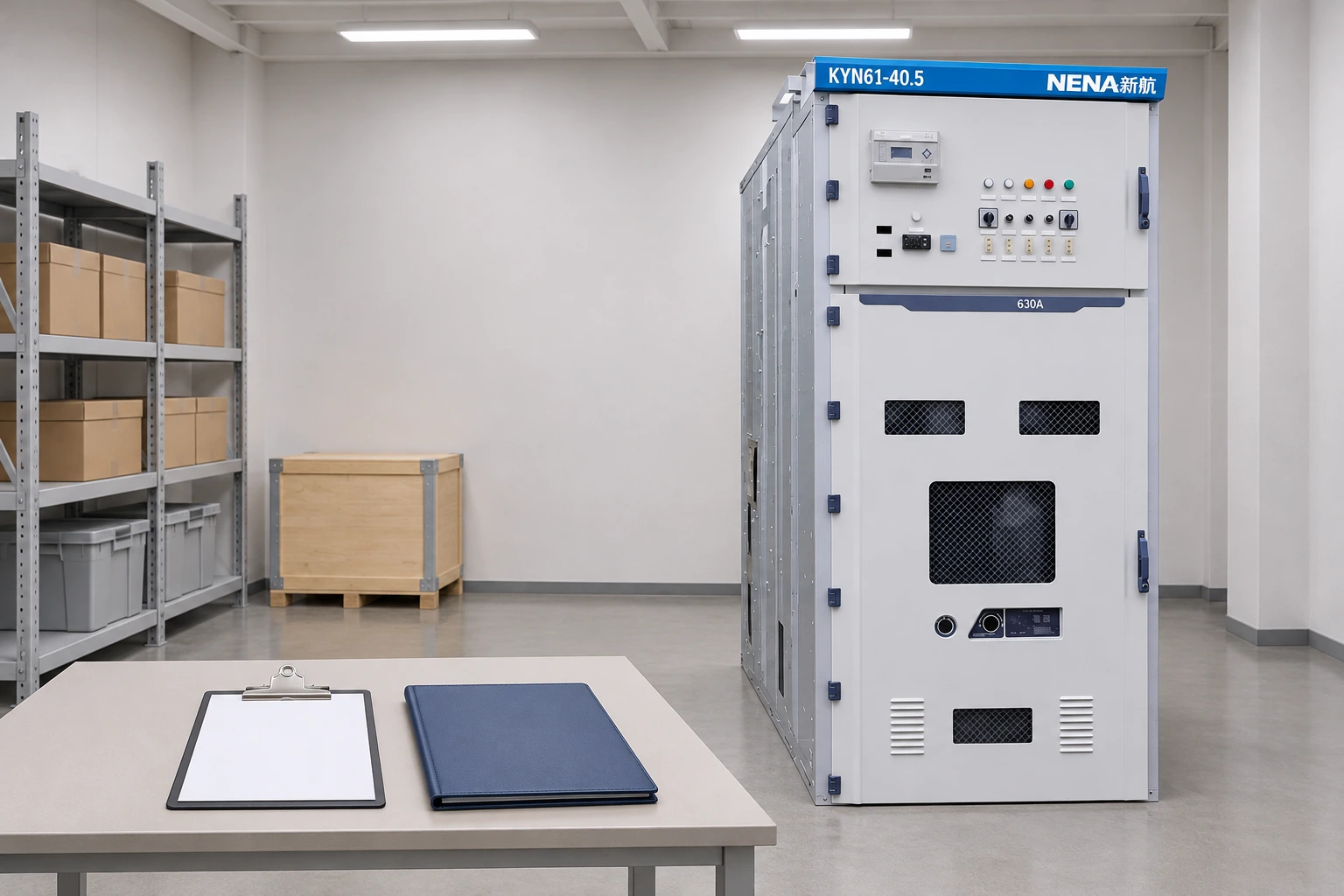
Send the equipment identification, order reference, expected delay, proposed location, photographs and environmental information. Ask whether the preservation plan remains suitable for the extended period, what inspections are required, and whether any special release checks apply. Include the available temporary supply only as a design input; ask for the approved connection requirements rather than proposing a connection from memory.
Where the project is still selecting the equipment family, the ring main unit and switchgear comparison helps frame the broader distribution arrangement. Once equipment is delivered, use the switchgear infrared inspection guide for a different, operational inspection context. A stored, disconnected cabinet cannot be assessed as though it were carrying its normal load.
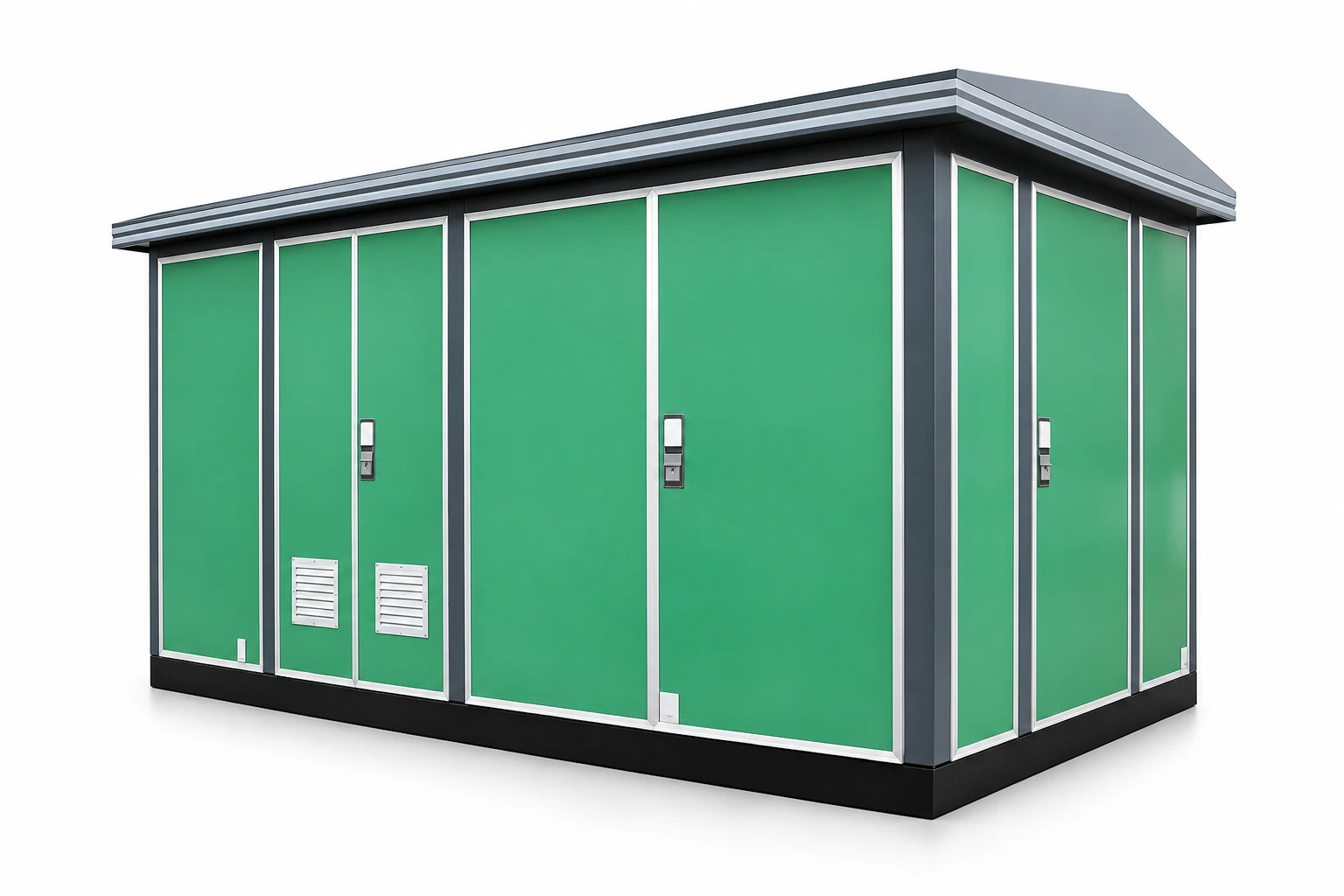
For projects with several packaged distribution assemblies, keep the prefabricated substation receiving inspection as a separate delivery workflow. Shared logistics do not make the preservation requirements identical. Each assembly needs its own identification, instructions and release evidence.
The US Department of Labor’s educational video introduces lockout and tagout. It reinforces the need to control energy sources when temporary supplies or later installation work are involved. It does not provide the switching procedure for this cabinet or replace the site’s qualified-person requirements.
Watch on YouTube — USDepartmentofLabor
Use the instructions for the actual equipment and packaging. Shipping protection is not automatically suitable for an extended delay. Confirm how and when it must be inspected, removed or supplemented.
No. Storage arrangements must be confirmed separately against the order instructions, exposure conditions and preservation plan. Do not infer permission from the enclosure description alone.
Only qualified personnel working to approved equipment diagrams and site procedures should establish an electrical supply. Identify every source and prevent unintended energization or backfeed.
No. Suspected water exposure requires a documented assessment of the actual equipment and affected components. Keep it outside the energization process until the responsible specialists approve the disposition.