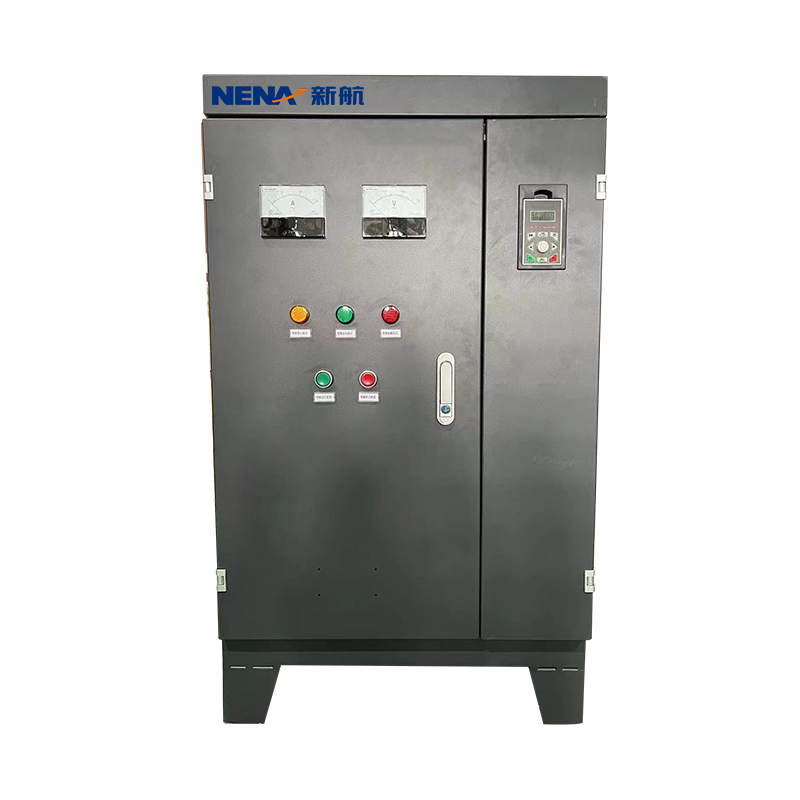
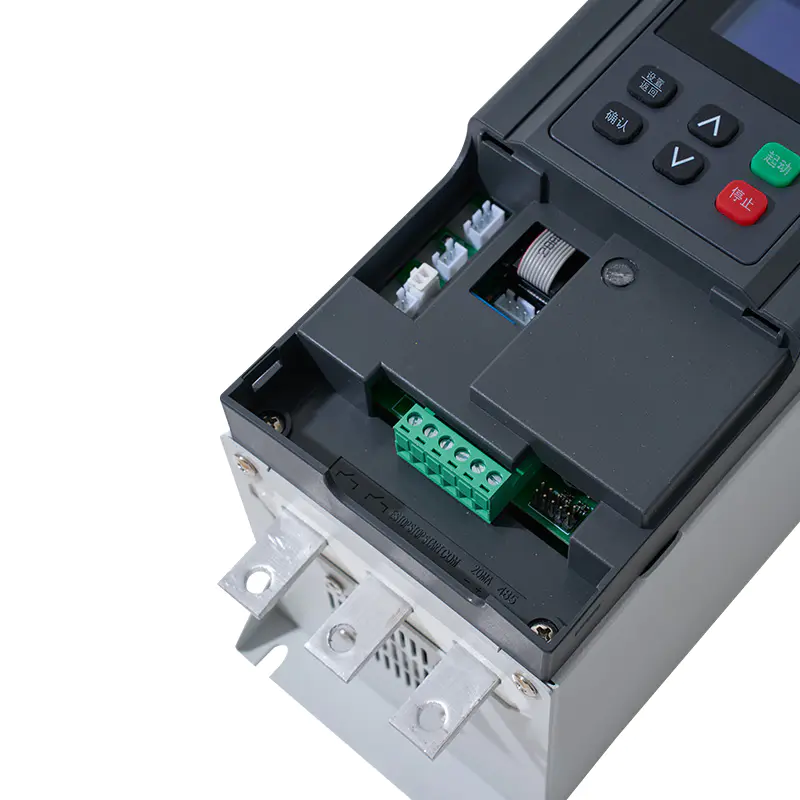
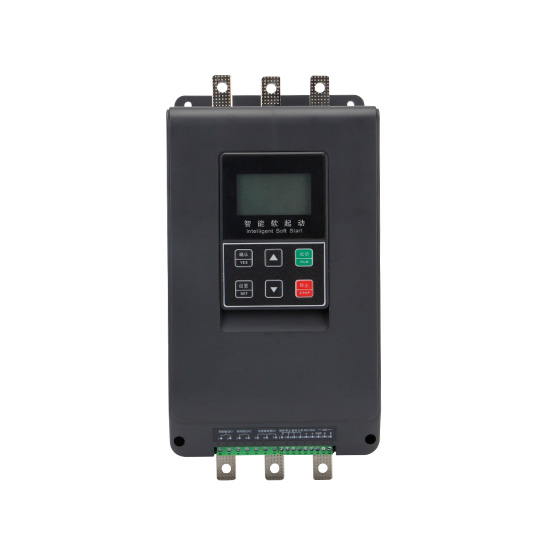
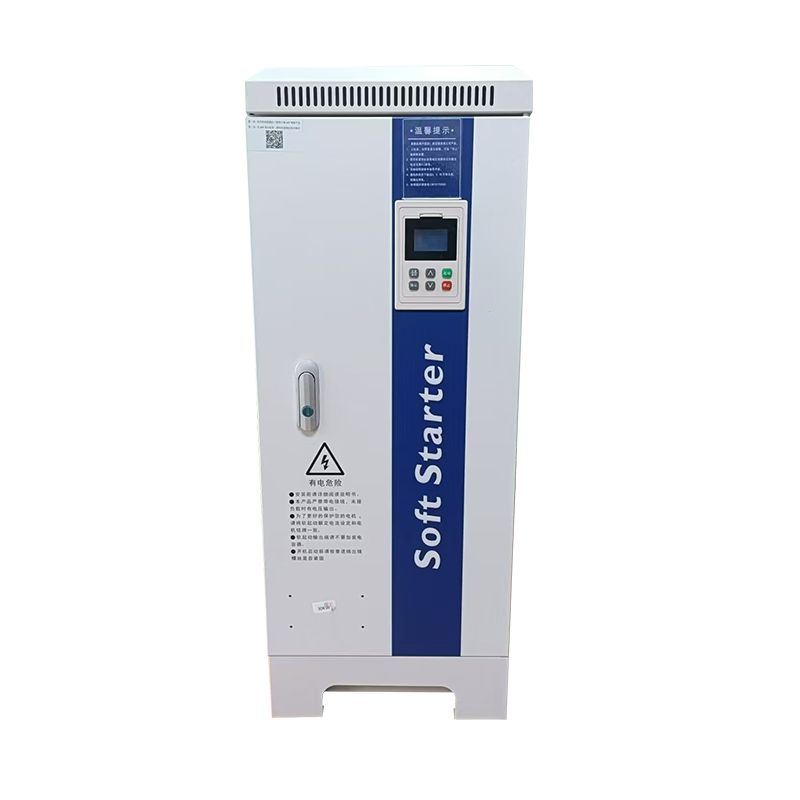
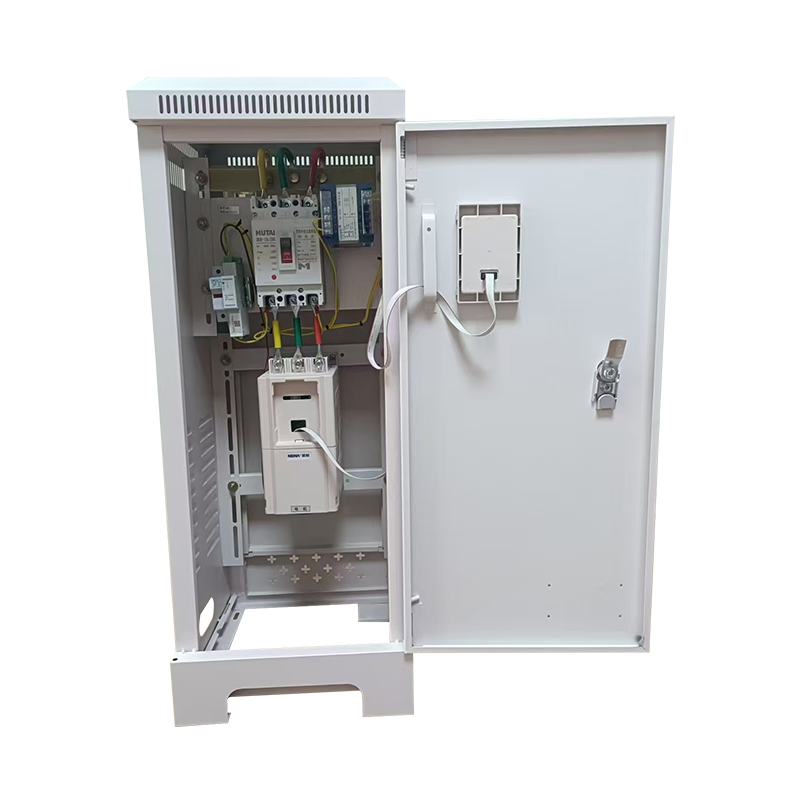
What an IoT Soft Starter Cabinet Can Tell You (and Why Plants Are Adding Remote Monitoring)
Most motor issues don't start as a major failure—they start as small warnings that get missed. That's where an IoT soft starter cabinet earns its keep. You still get the core value of a soft starter—controlled ramping that reduces inrush current and softens mechanical stress—but you also gain visibility that helps teams reduce downtime.
The practical value: faster troubleshooting
Remote monitoring can surface:
- Run/stop state, start success/failure, and trip history
- Fault types (overload, phase loss, under/overvoltage, stall/jam)
- Motor current snapshots and event logs for root-cause analysis
Instead of sending someone to "go look at the cabinet," the first diagnosis can happen from the control room—or even off site.
Typical integration in US/EU plants
Most projects connect the cabinet to a PLC/SCADA system using common industrial communications (often Modbus RTU/TCP via an Ethernet/serial gateway). The key is deciding what you need: basic alarms only, or deeper data such as start counts, thermal capacity, and time-stamped events.
What to specify to avoid surprises
Before ordering, confirm:
- Motor nameplate (voltage, frequency, FLA) and load type
- Starts/hour and ambient temperature inside the enclosure
- Remote signals required (status, alarms, current, event log) and protocol
- Enclosure expectations (IP/NEMA, indoor/outdoor) and cable entry
- Access and cybersecurity rules for remote connectivity
An IoT soft starter cabinet is less about "smart features" and more about making motor starting systems easier to maintain. Better visibility means quicker decisions, fewer unnecessary callouts, and more predictable operations—especially across multiple sites.