Built-In Bypass Soft Starters vs. Traditional Reduced-Voltage Starters: What Modern Panels Prefer
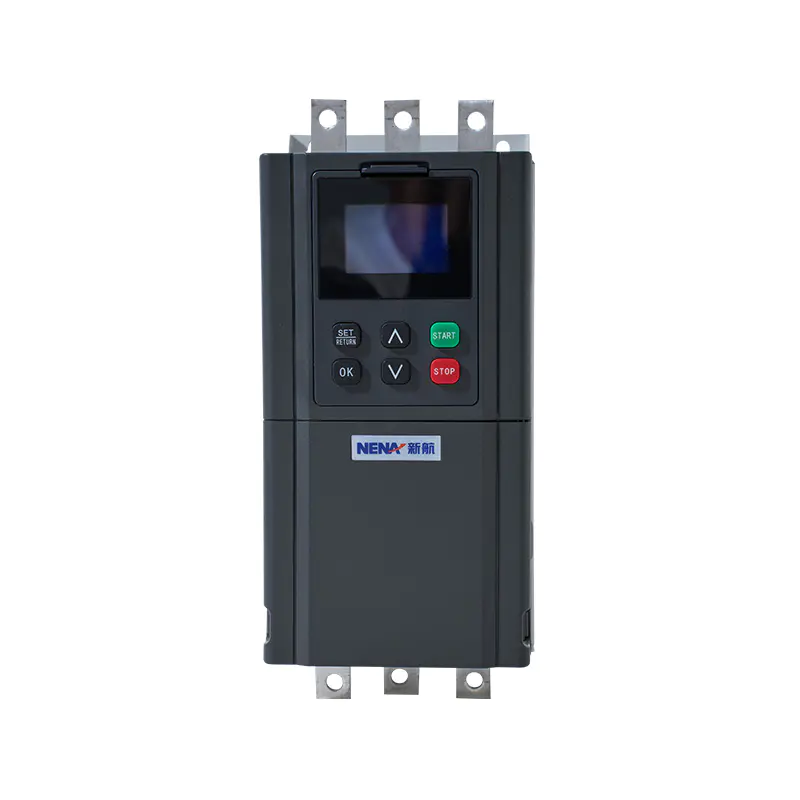
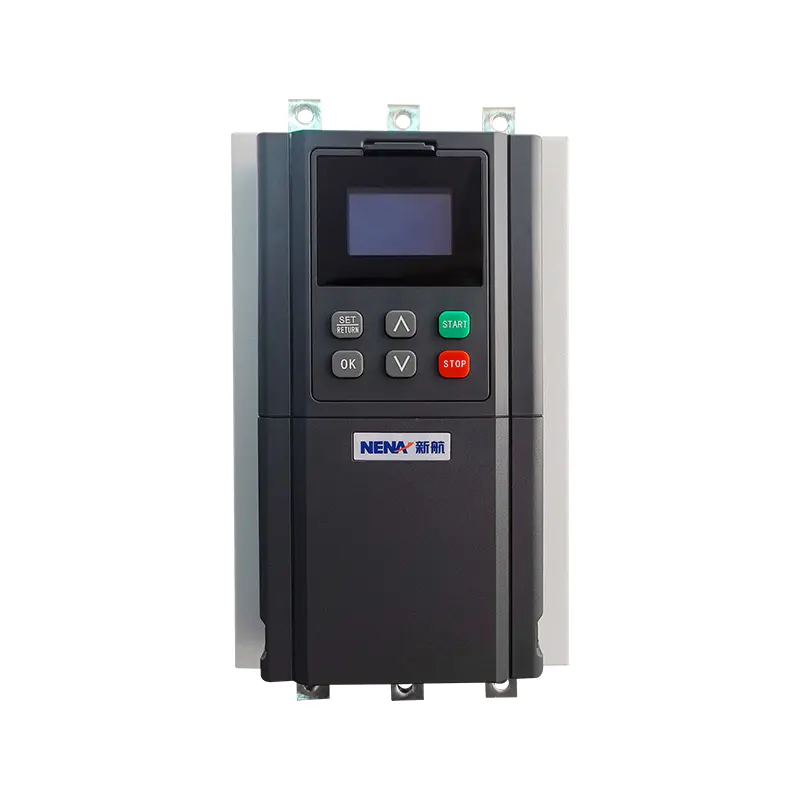
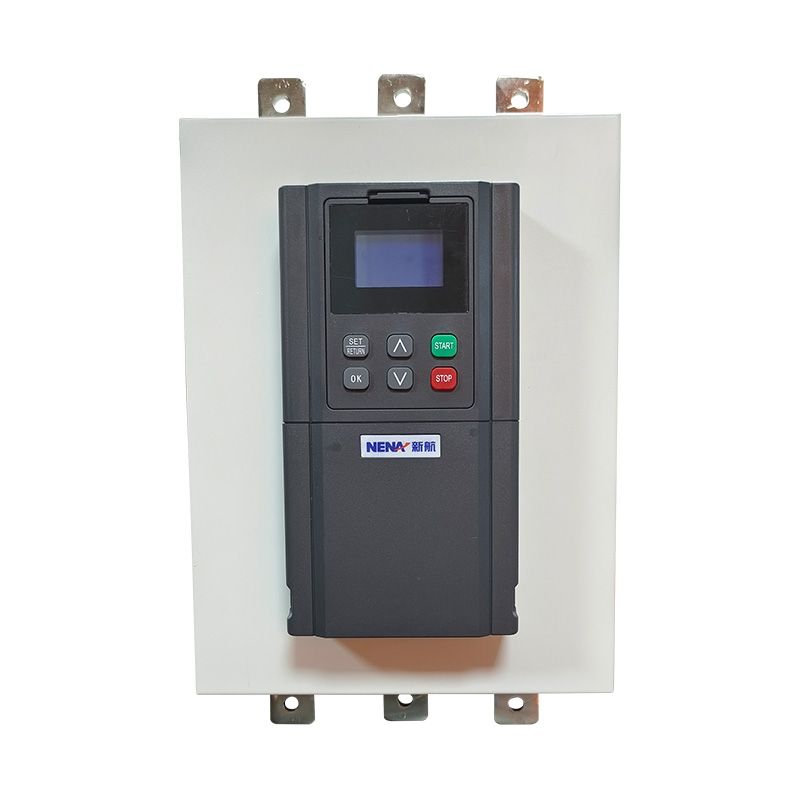
In many plants, the "old standards" for reduced-voltage starting—star-delta, autotransformer starting, or magnetically controlled step-down methods—are still familiar choices. But as panels get tighter, motors get more protected, and uptime expectations rise, more buyers are switching to the thyristor-based built-in bypass soft starter for one simple reason: it starts smoother, protects better, and is easier to standardize.
Why thyristor soft starting feels different on site
A thyristor soft starter ramps motor voltage smoothly rather than switching between fixed steps. In real installations, that usually means:
- Less visible voltage dip on the line during acceleration
- Reduced torque shock on couplings, pipes, and driven equipment
- More consistent starts across varying loads and supply conditions
Compared with step-down methods, the improvement is often most noticeable on pumps and fans where the process is sensitive to mechanical stress.
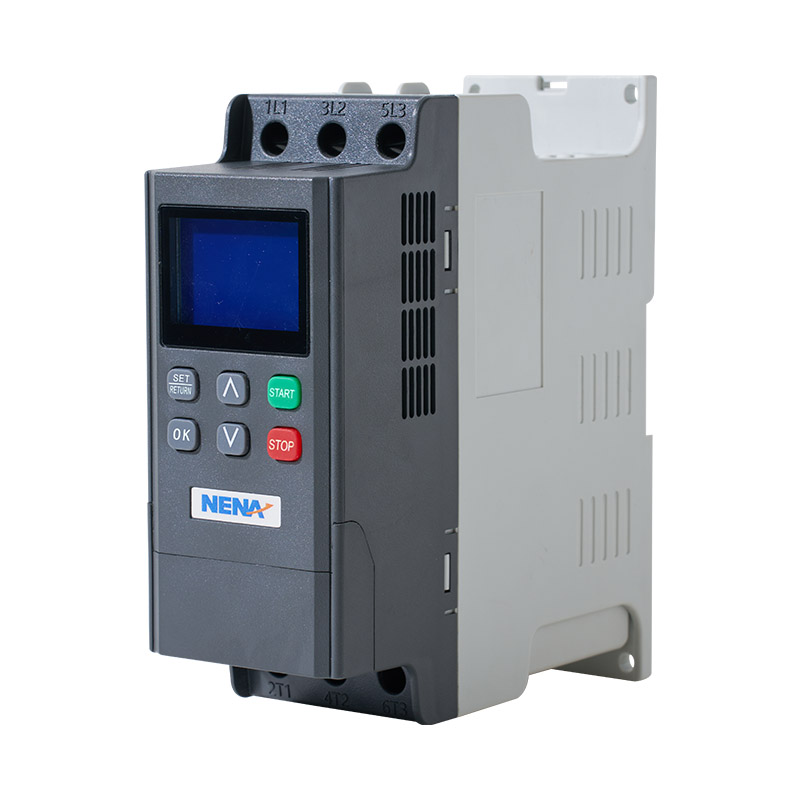
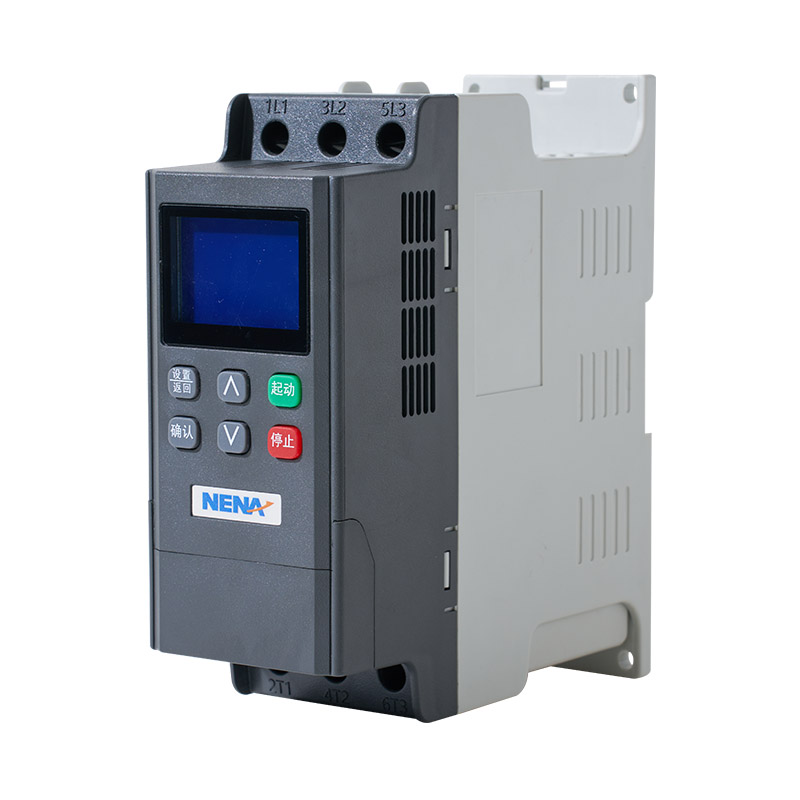
The practical value of a built-in bypass contactor
Heat is the long-term enemy of power electronics. A built-in bypass design reduces internal heating after the motor reaches full speed by routing running current through the bypass path. For many users, this matters because it supports: 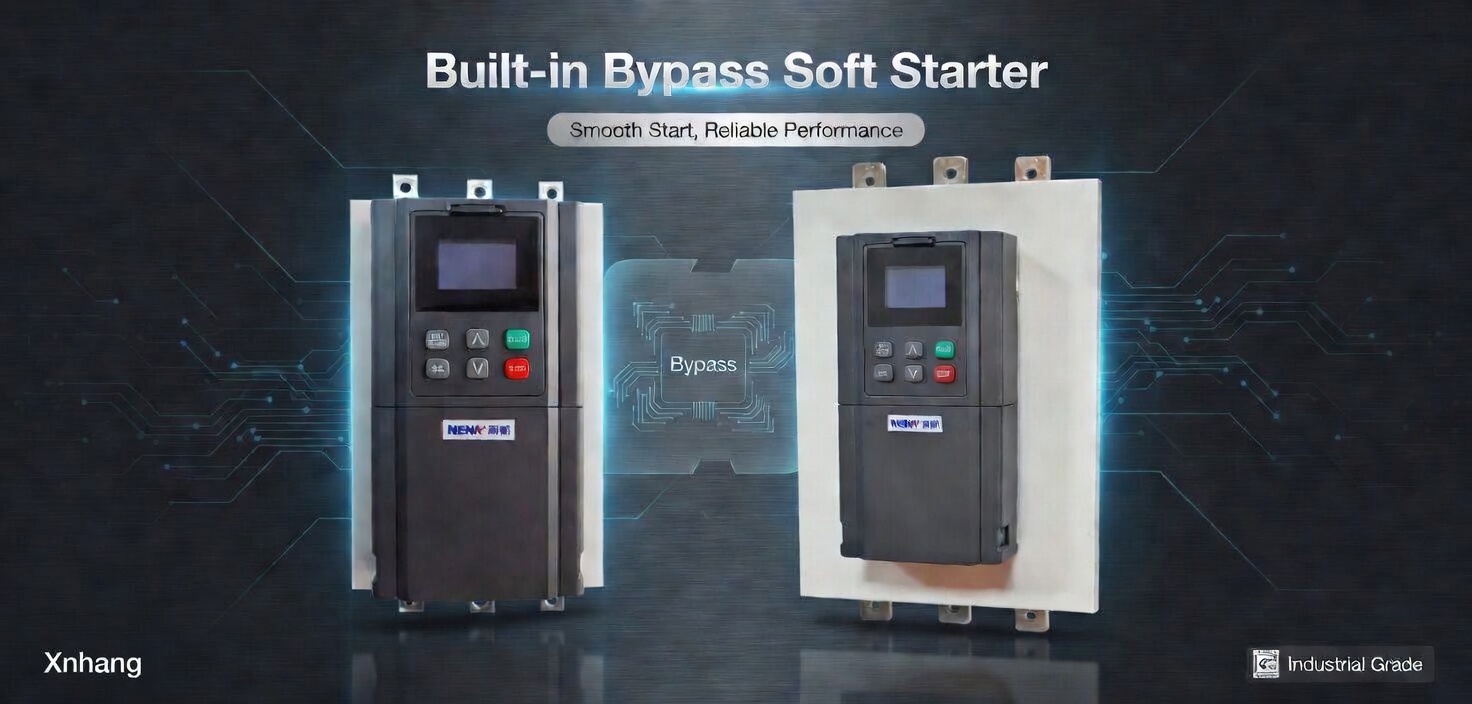
- Better stability in hot panels or high ambient temperatures
- Longer continuous operation with less thermal stress
- Cleaner cabinet layouts (fewer external parts and less wiring complexity)
"Intelligent" features that buyers actually use
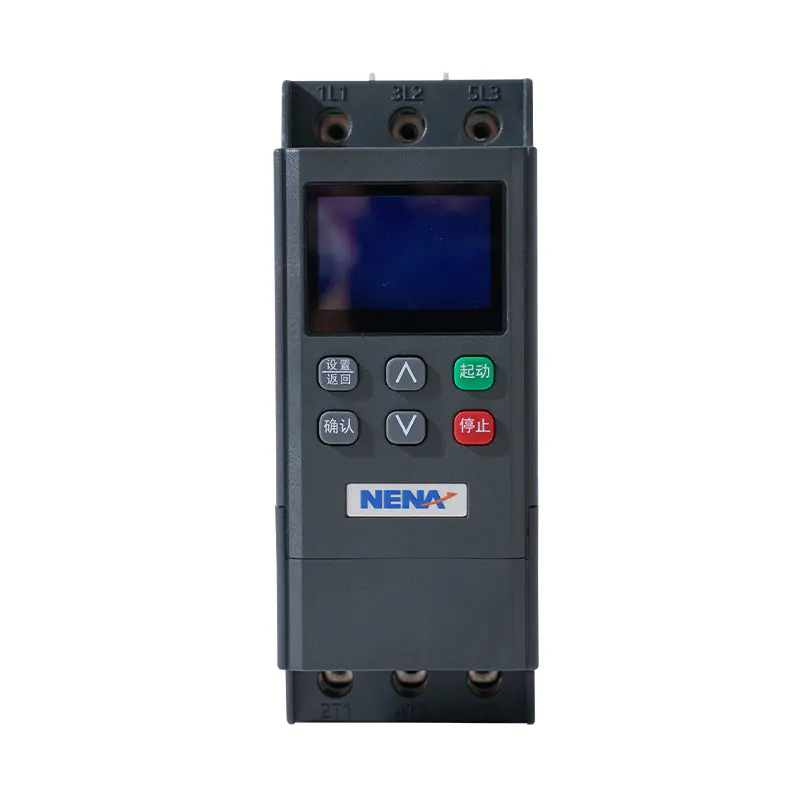
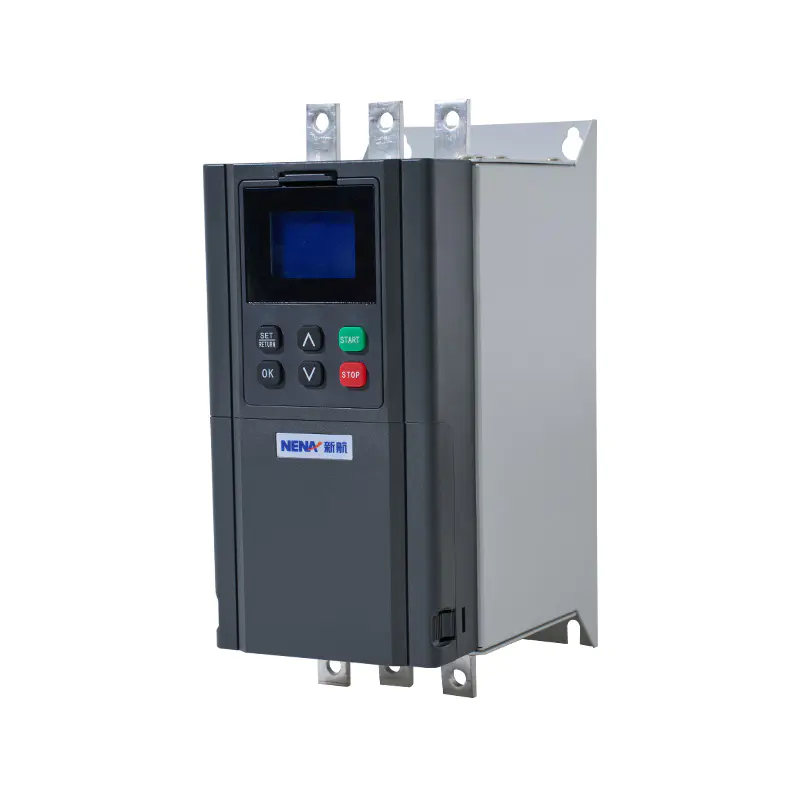
Modern soft starters aren't just for starting—they're also a protection and visibility layer for the motor. Features that tend to deliver real value include:
- Multiple start modes for different load behaviors
- Soft stop to reduce surging in inertial systems during shutdown
- Detailed monitoring (current, voltage, frequency, phase angle, runtime) for troubleshooting
- Protection functions such as phase loss/imbalance and inverse-time overload to reduce overheating risk
- 4–20 mA output and network protocols for integration with automation systems
What to verify before specifying one for your project
To avoid sizing mistakes and commissioning delays, confirm:
- Motor FLA, voltage, frequency, and duty cycle (starts/hour)
- Load type (pump/fan/compressor/conveyor) and required start profile
- Panel ventilation and ambient temperature expectations
- Needed I/O: start/stop wiring, analog signals, and communication requirements
- Protection philosophy (which faults should trip vs. alarm, and when)
If your goal is predictable commissioning, consistent starts, and better protection than traditional reduced-voltage methods, a built-in bypass intelligent soft starter is often the most panel-friendly upgrade. You get smooth thyristor starting performance up front, cooler running after bypass, and the monitoring/protection features that modern maintenance teams expect.



 English
 中文简体
中文简体 عربى
عربى






 浙公网安备33038202003754号