Starter Cabinet Troubleshooting & Spec Checklist: Reduce Nuisance Trips and Commission Faster
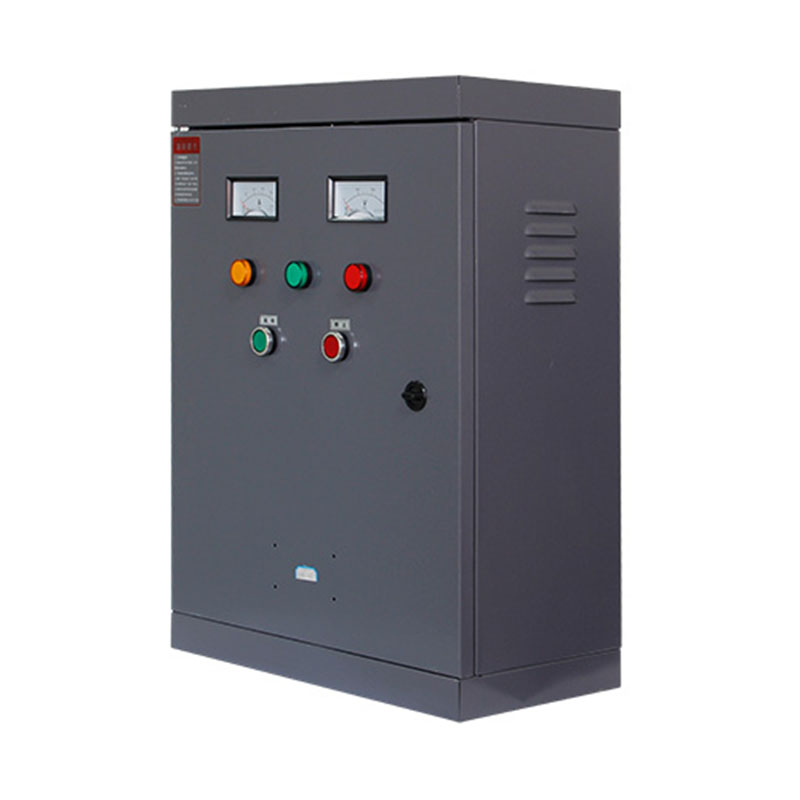
A starter cabinet usually gets tested on day one—when the motor is expected to start, stay running, and be easy to diagnose if something goes wrong. Most startup delays aren't caused by "bad panels," but by small specification gaps: protection that isn't coordinated, terminals that don't match drawings, or heat inside the enclosure that triggers random-looking trips.
Below are the checks engineers, electricians, and buyers commonly use to avoid rework and keep commissioning on schedule.
1) Cut nuisance trips with proper protection coordination
Start with the basics and verify them against the real application:
- Confirm motor full-load amps (FLA), service factor, and duty cycle
- Set overload protection based on measured/expected running current, not only the nameplate
- Match contactor, overload, and short-circuit protection ratings so one device isn't doing another device's job
- Check control voltage and coil ratings to prevent chatter and intermittent dropouts
2) Avoid heat-related "ghost faults" inside the cabinet
Intermittent trips often trace back to temperature, especially in tight enclosures.
- Validate ambient temperature at the installation point (inside the cabinet location, not the room average)
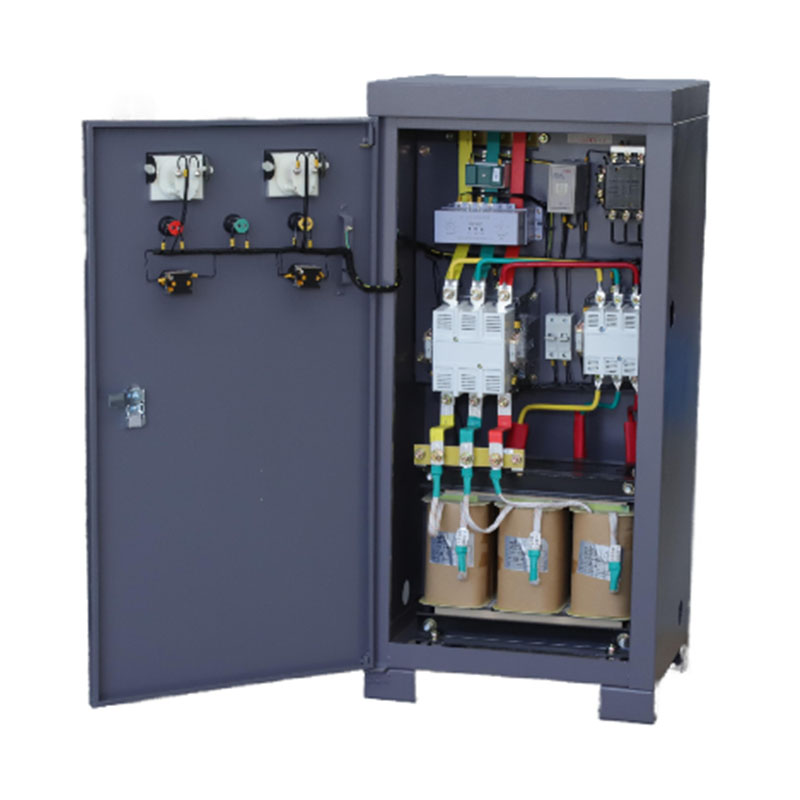
- Provide realistic spacing for wiring ducts and components to support airflow
- Don't overpack high-duty designs—heat shortens component life and increases false trips
- If needed, specify ventilation, filters, or a larger enclosure from the start
3) Pick the right starter type for the load (not just the motor size)
The start method should match what the driven equipment actually needs:
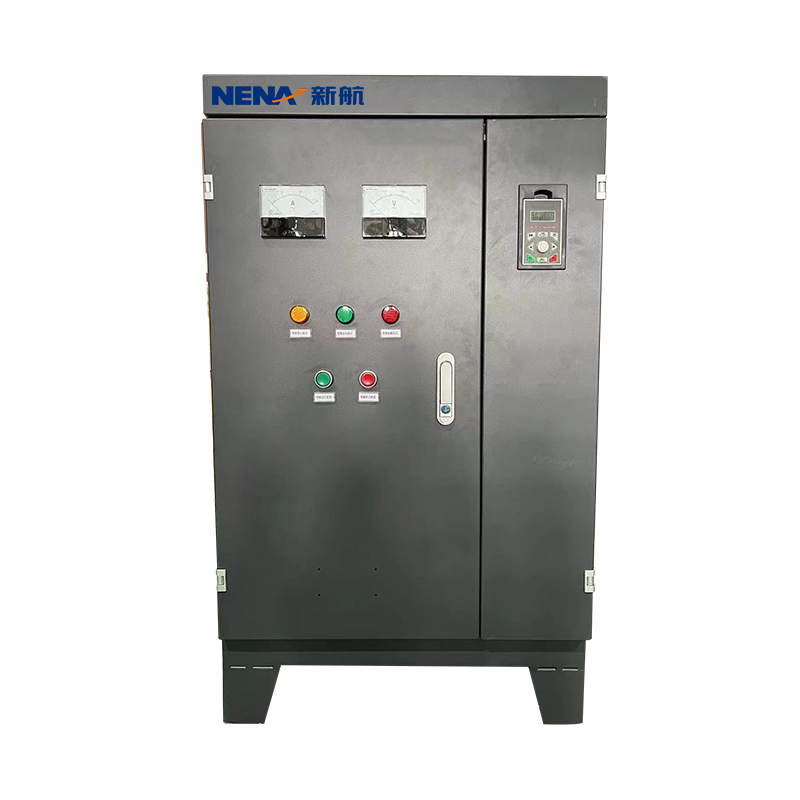
- DOL starter cabinet: best when the supply can handle inrush and the load tolerates a direct start
- Star-delta starter cabinet: useful for compatible motors where reduced starting current is required, but torque demand at start is limited
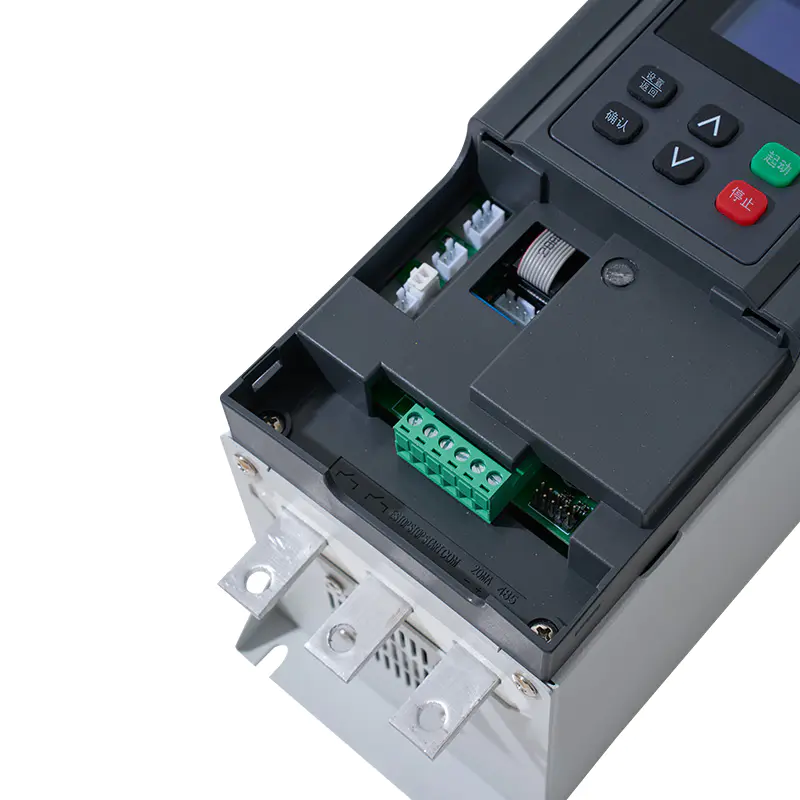
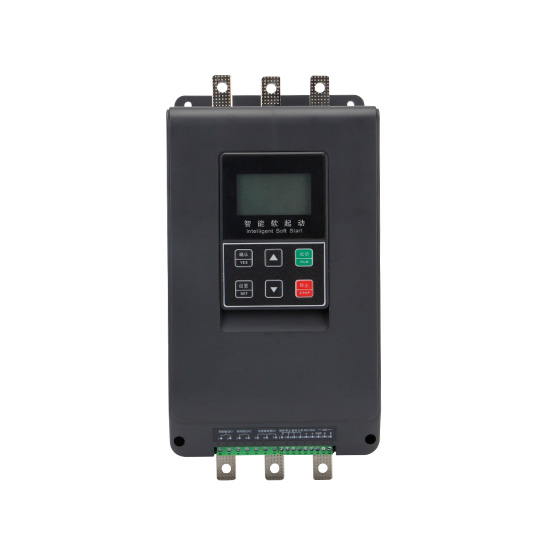
- Soft starter cabinet: ideal for smoother acceleration on higher inertia loads and for reducing mechanical shock and voltage dip
4) Speed up commissioning with labeling and documentation that match reality
Good documentation saves hours on site:
- Terminal and wire IDs that match the drawings (no "close enough")
- A clear wiring diagram plus terminal list included with every unit
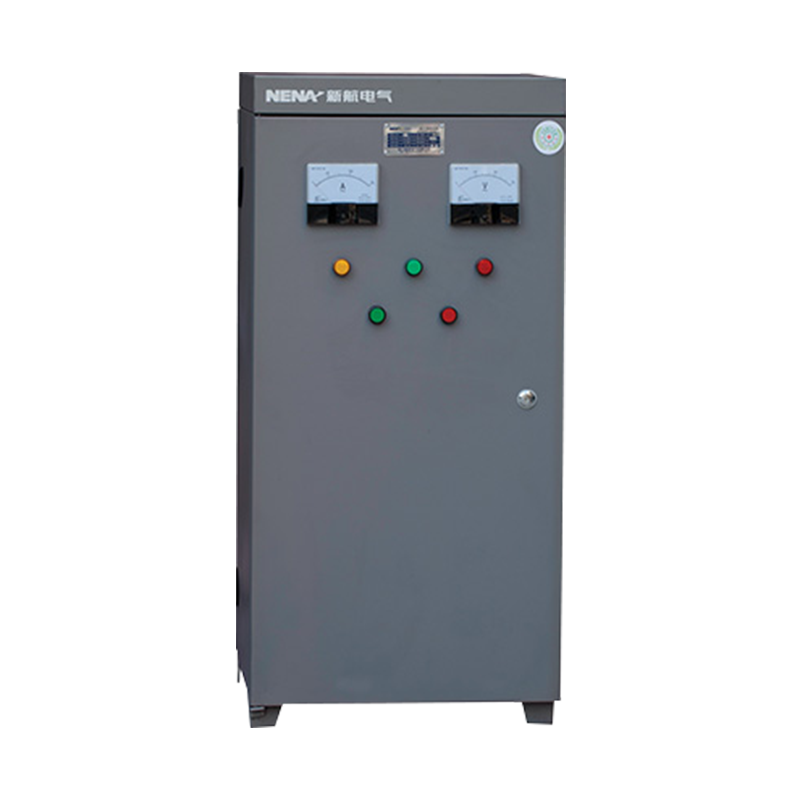
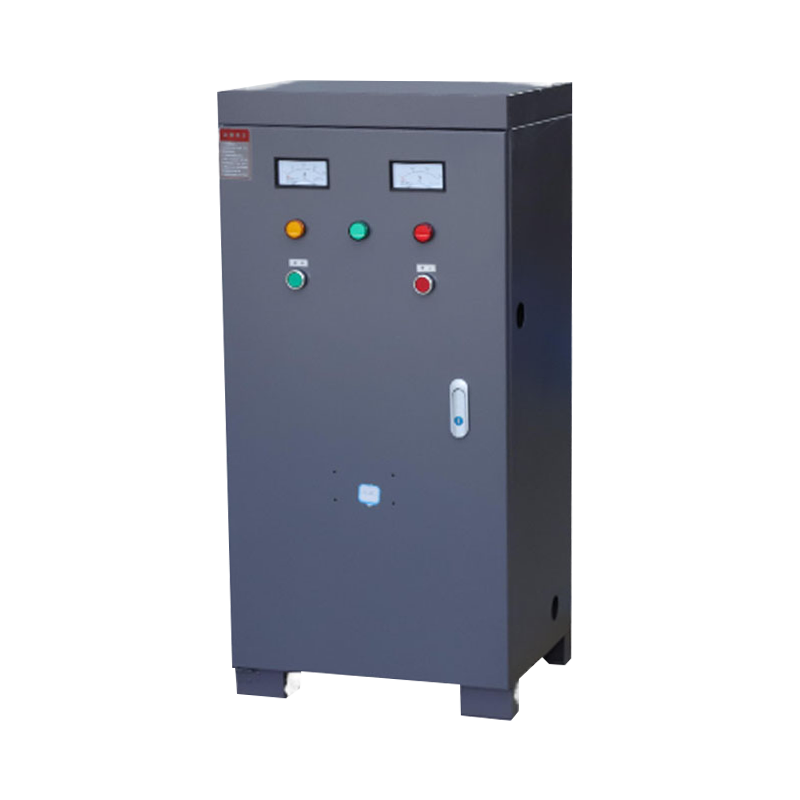
- Simple, readable operator controls and a fault indication approach that supports quick isolation
A starter cabinet isn't only a start/stop solution—it's a reliability and serviceability tool. When protection is coordinated, heat is managed, and labeling/documentation are consistent, nuisance trips drop, troubleshooting gets faster, and repeat installations become far more predictable.



 English
 中文简体
中文简体 عربى
عربى






 浙公网安备33038202003754号