A pump run feedback mismatch occurs when the reported operating state disagrees with the expected response to a command. It does not automatically prove that the pump, controller or feedback device has failed. First identify what “running” means in this installation: a starter contact, drive indication, measured current, shaft movement or confirmed water delivery. Then preserve the command, feedback and alarm timeline before resetting anything. A run lamp can represent only one part of that chain. This guide helps maintenance teams specify useful evidence and a controlled investigation without opening energized equipment or changing protection simply to remove an alarm.
A signal called Pump Running may be derived from the controller output, an auxiliary contact or another device. Those sources provide different evidence. A command tells you what the system requested; a contact indicates the state represented by that contact. Neither alone proves that water is reaching the destination. Ask for the point definition before interpreting the mismatch as a mechanical fault.
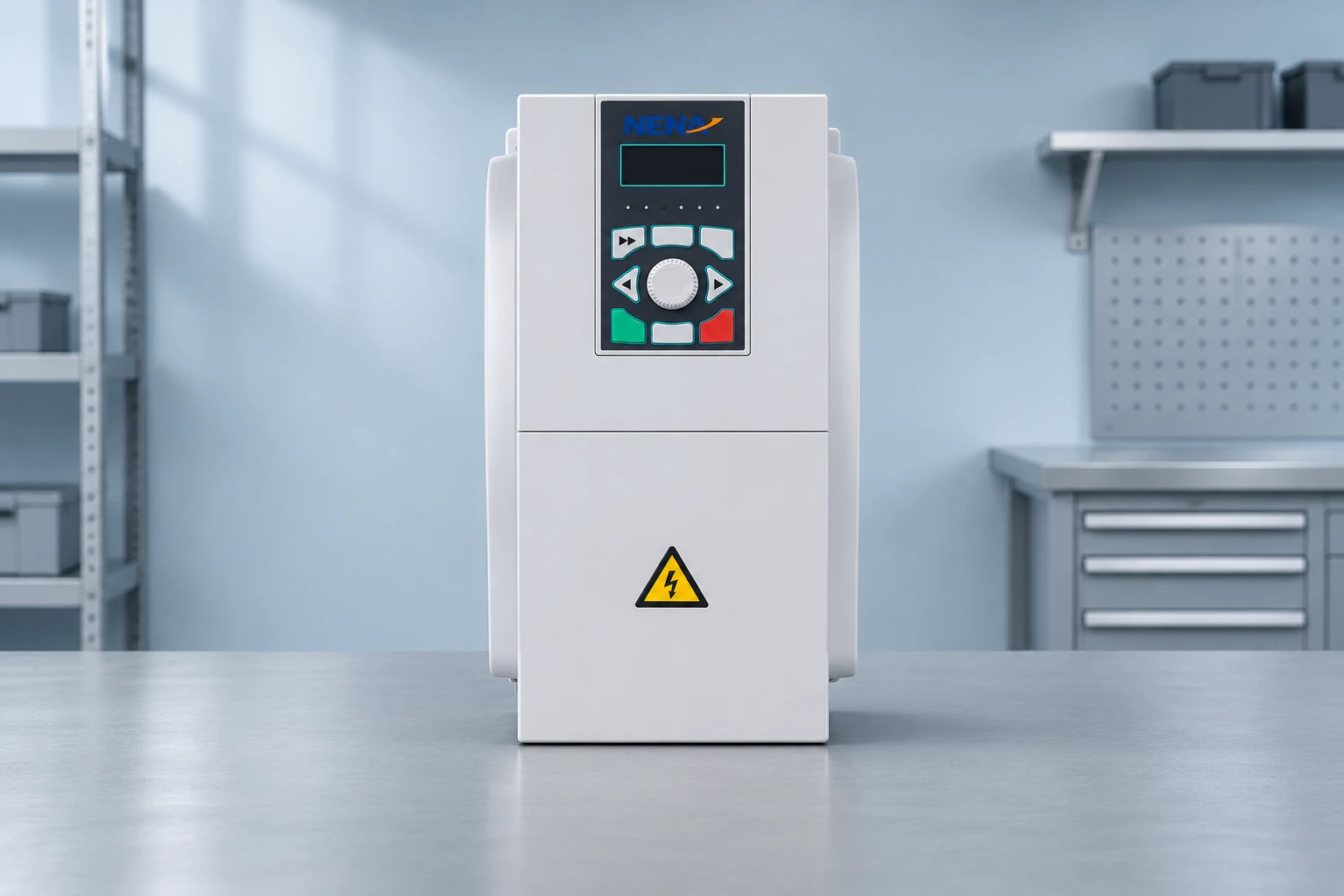
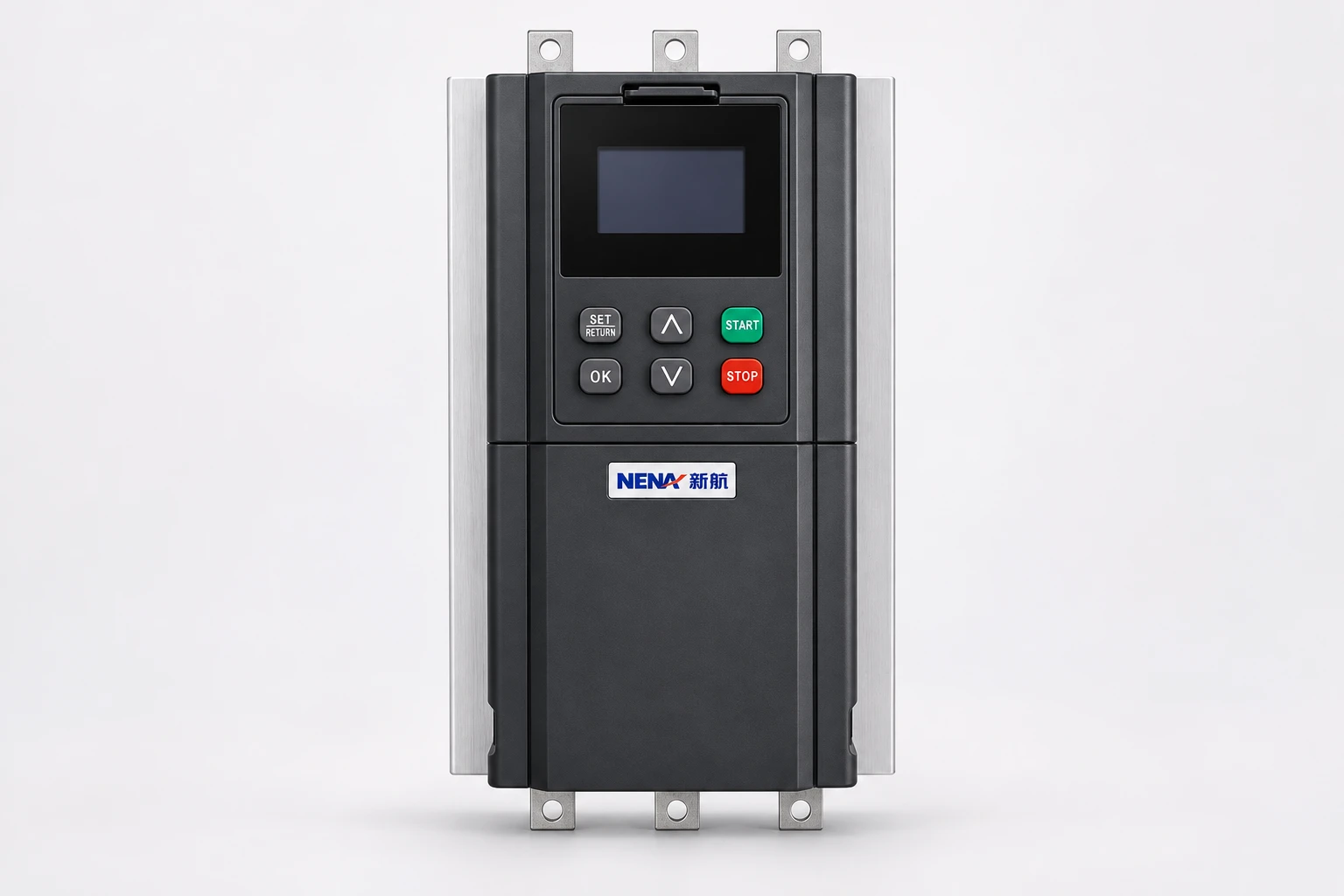
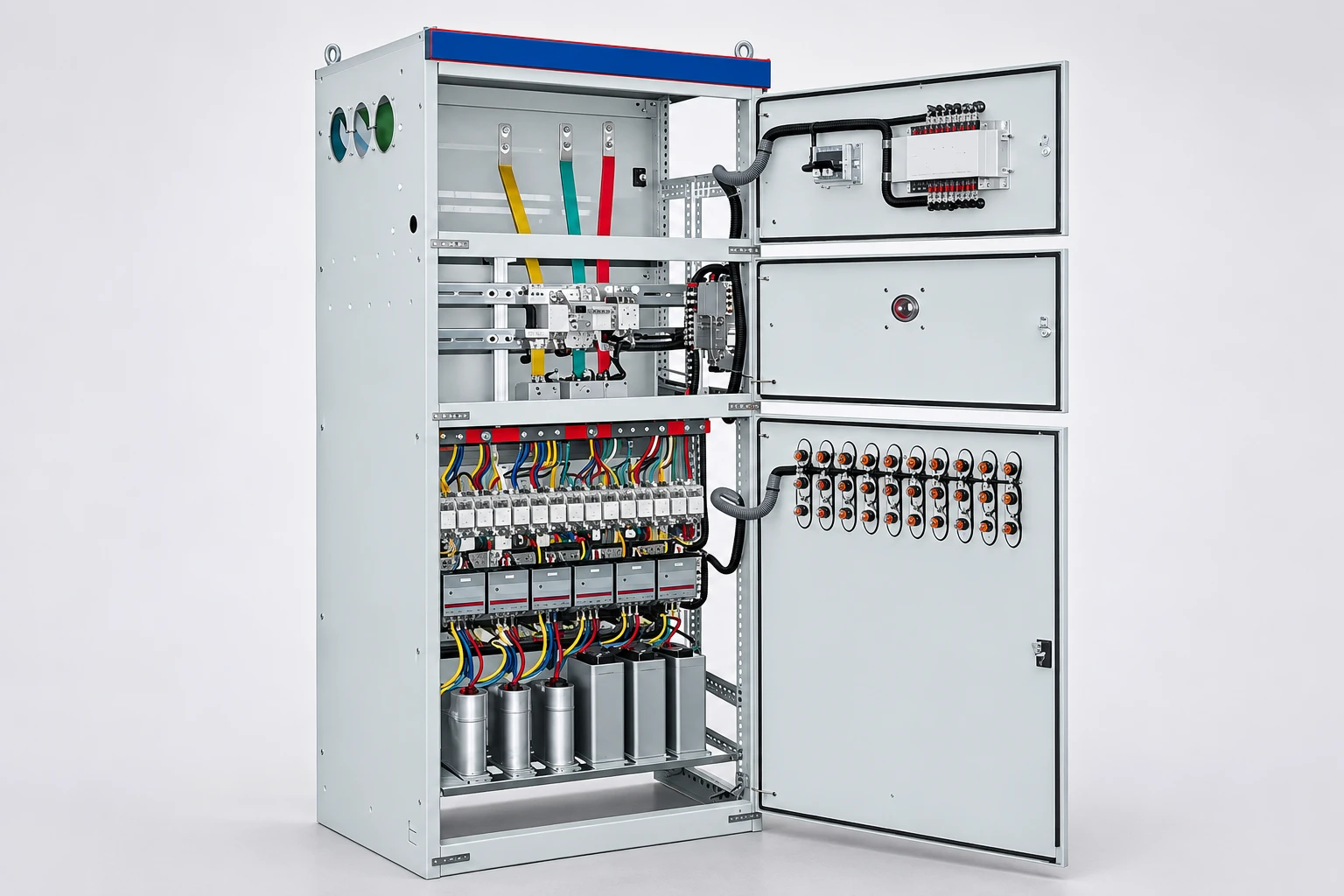
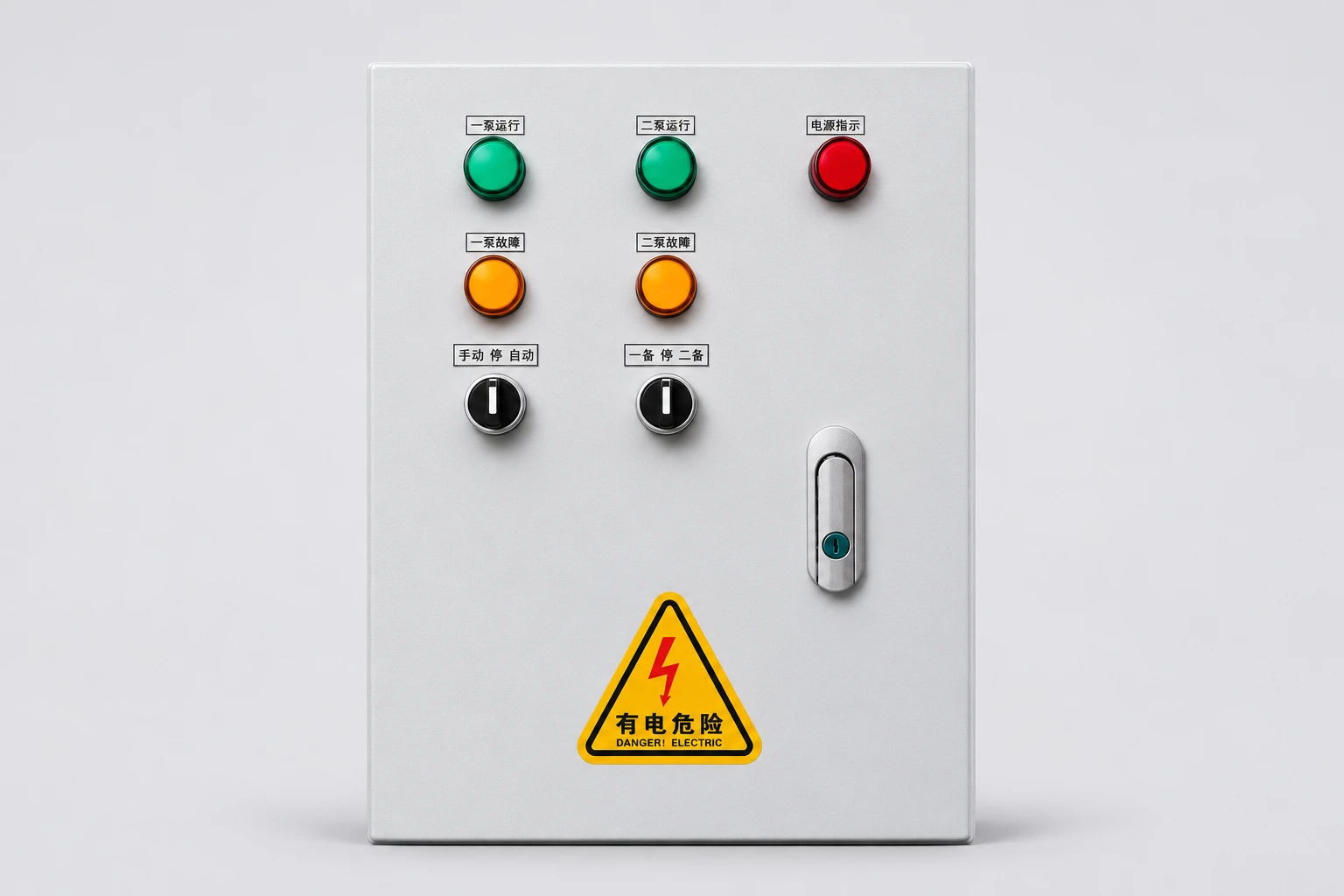
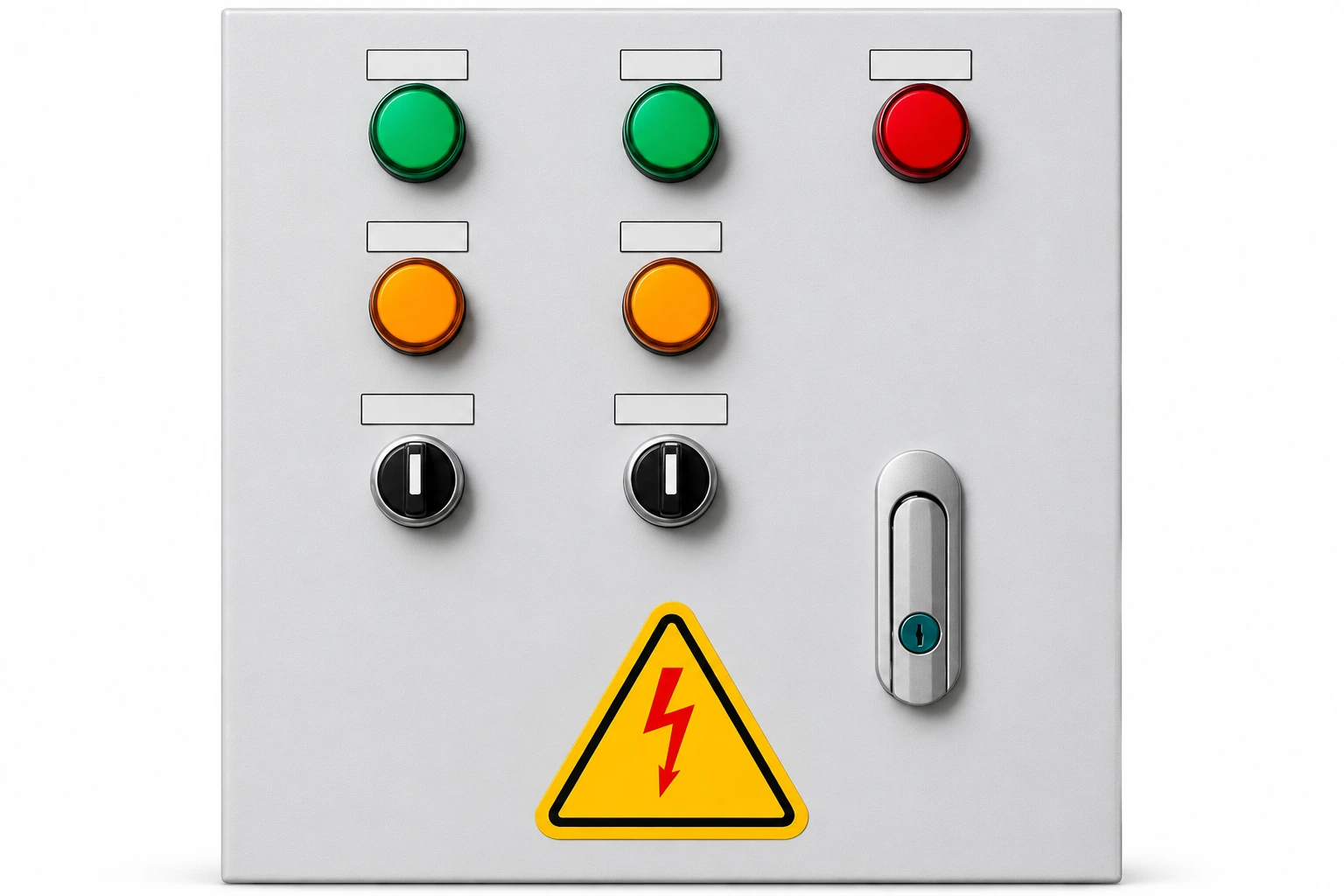
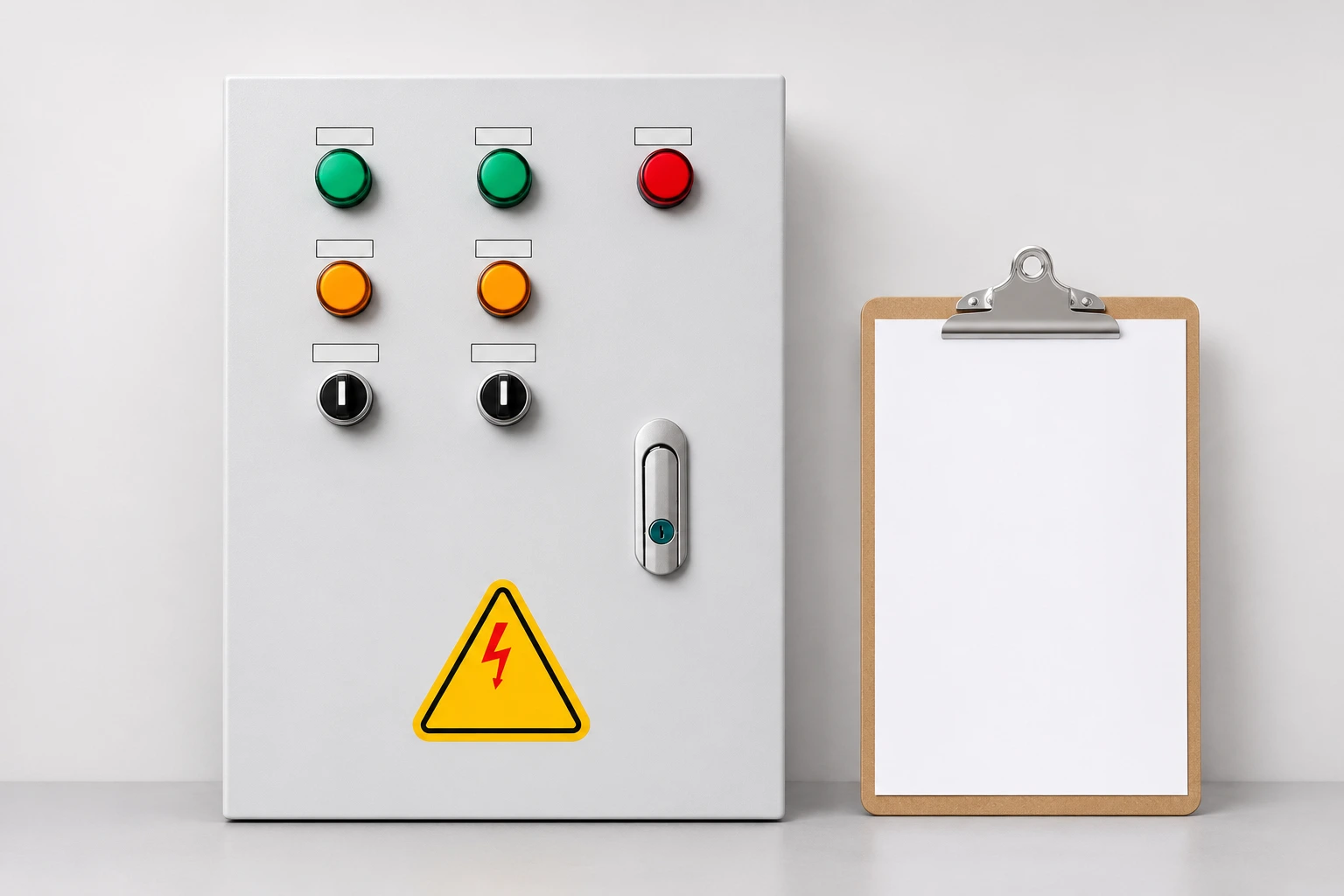
В руководстве по эксплуатации NENA duplex pump control box is the product context for this discussion. Its visible lamps and selectors do not establish which feedback devices are installed, how signals are processed or whether remote monitoring is provided. Confirm those functions in the supplied drawings and operating description. The illustrations show the actual product family, not a commissioned control sequence.
Write the signal’s origin and destination on the service record. For example, identify whether the operator screen displays a field input or a calculated state. If the same software output creates both the command and the displayed running indication, the two values are not independent confirmation of the pump’s response. The responsible control designer should explain that relationship.
Record when demand appeared, when a start command was issued, when feedback changed and when the alarm occurred. Include the selected operating mode and any protection indication. A screenshot taken after an automatic stop may show no command even though the command existed before the alarm. Without the earlier sequence, the maintenance team can mistake the final protective response for the original cause.
Use the original controller or monitoring export where available. Retain timestamps and the sampling interval. A slow trend may miss a brief input transition, while a dashboard can display a cached value after the field state changes. Mark unavailable evidence explicitly. Do not reconstruct an exact event order from a few unsynchronized photographs.
Ask operators to describe what they observed separately from their explanation. “The lamp went out after the alarm” is an observation. “The contactor failed” is a diagnosis requiring evidence. Keeping those statements separate makes the work order more useful and avoids ordering a replacement part before the fault has been located.
A command present without the expected proof is different from proof present without a command. In the first case, the team needs to determine whether the request reached the intended equipment and whether the defined response occurred. In the second, another approved command source, mode selection or incorrect indication may need investigation. Neither pattern alone identifies a safe condition.
A controlled system may intentionally allow a transition period between command and feedback. Confirm the approved sequence and the basis for that period. Do not copy an arbitrary delay from an online example. Increasing a proof timer can postpone an alarm while leaving the underlying problem unresolved; reducing it can create alarms during normal transitions.
Seattle Public Utilities’ pump-station design chapter describes a starter run-contact signal being sent through the PLC to the operator workstation. This is a specific utility design example. It illustrates why a status signal needs an identified source and path, rather than proving that every pump cabinet implements the same arrangement.
| Наблюдаемое состояние | Вопрос для решения | Record needed |
|---|---|---|
| Command present, proof absent | Did the intended equipment receive and act on the request? | Command path, local indication and exact protection state |
| Proof present, command absent | Is another source active or is the reported state misleading? | Mode, authority and feedback-source definition |
| Local and remote states differ | Where does the reporting path first disagree? | Time-aligned field, controller and screen records |
| Running indicated, delivery absent | What physical condition does the signal actually prove? | Defined run feedback and independent process evidence |
| Alarm only during transitions | Does the sequence match the approved design? | Event order and documented transition criteria |
This qualitative matrix organizes investigation. It is not a live test procedure, a fault code list or permission to bypass an input. The qualified team must choose safe verification methods suitable for the installation. A report should identify which explanation was confirmed, which was rejected and which remains uncertain.
A motor can have an electrical running indication while the required hydraulic result is absent. Conversely, pressure or flow observed in a shared line may come from another pump. Confirm the measurement boundary before attributing a process reading to one unit. A common-header value cannot always establish the contribution of a particular pump.
Use the project’s commissioning information to define successful delivery. The operating water level, discharge arrangement and number of active pumps can affect the comparison. Avoid declaring the pump healthy from one remote value taken under unknown conditions. The service team should determine which observations can be obtained safely and which require a planned outage.
The related руководство по переключению дуплекса explains how duty can move between pumps. That change can complicate a shared trend. Identify the actual unit operating during the event rather than relying on a general station-running indication or a duty assignment captured at another time.
If the pump’s physical response and its reported state disagree, have the qualified technician trace the identified feedback path using the approved drawings. The investigation may involve the field device, wiring, controller input, signal processing or screen mapping. A replacement controller cannot correct every possible source of an incorrect status.
Do not force a feedback point permanently on to make an alarm disappear. An override can remove the evidence used to detect a real failure. Any temporary test arrangement needs its own authorization, restrictions and removal check. Preserve the original configuration and document every approved change so the next shift knows the system’s actual condition.
В руководстве по эксплуатации HSE electrical safe-working guidance cURL Too many subrequests by single Worker invocation. To configure this limit, refer to https://developers.cloudflare.com/workers/wrangler/configuration/#limits.
cURL Too many subrequests by single Worker invocation. To configure this limit, refer to https://developers.cloudflare.com/workers/wrangler/configuration/#limits.
cURL Too many subrequests by single Worker invocation. To configure this limit, refer to https://developers.cloudflare.com/workers/wrangler/configuration/#limits.
cURL Too many subrequests by single Worker invocation. To configure this limit, refer to https://developers.cloudflare.com/workers/wrangler/configuration/#limits.
cURL Too many subrequests by single Worker invocation. To configure this limit, refer to https://developers.cloudflare.com/workers/wrangler/configuration/#limits.
cURL Too many subrequests by single Worker invocation. To configure this limit, refer to https://developers.cloudflare.com/workers/wrangler/configuration/#limits float-switch troubleshooting guide. cURL Too many subrequests by single Worker invocation. To configure this limit, refer to https://developers.cloudflare.com/workers/wrangler/configuration/#limits high-level alarm guide. A feedback mismatch, a faulty demand input and a high water level may occur together, but the records should establish their relationship rather than assume one cause.
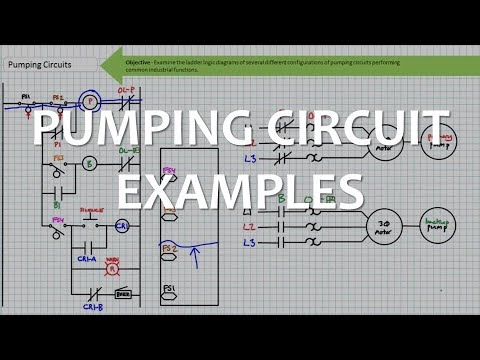
Jim Pytel’s educational lecture below explains pumping circuit examples. It helps readers distinguish input conditions, control logic and outputs. It is not the drawing for the NENA cabinet shown here and does not authorize alterations to the installed circuit.
Смотреть на YouTube — Джим Пител
No. Its meaning depends on the signal source. Confirm whether it represents a command, starter state or another defined condition, and use appropriate process evidence for water delivery.
Only a design review can establish an appropriate transition period. Changing the timer without identifying the cause may hide a real failure or change the intended protection response.
No. A reported operating state does not establish energy isolation. Use the equipment-specific authorized isolation and verification procedure before maintenance access.
Preserve a time-aligned record of demand, command, defined feedback, mode and exact alarms. Keep the original sequence before resets or configuration changes remove the evidence.