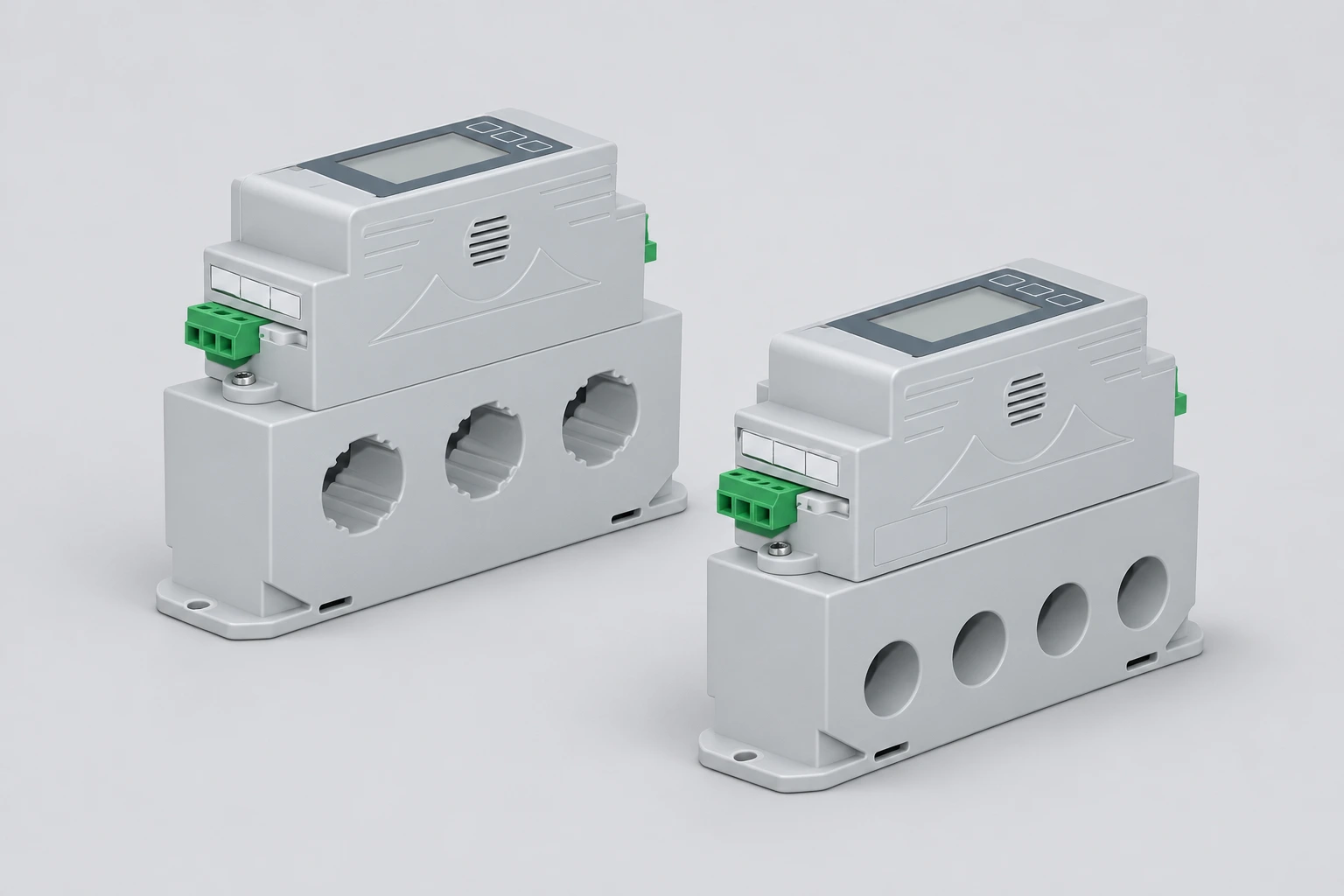
VFD speed reference troubleshooting starts by finding which command the drive is actually using, then comparing that command with the input signal, interpreted demand and output frequency. A motor running at the wrong speed does not by itself prove a failed inverter. A valid signal can reach an input that is not selected, and an accepted reference can still be restricted by a limit or an operating condition. Record the sequence before changing anything. This guide explains how to organize that investigation without assuming that parameter numbers, terminal names or control behavior are interchangeable between drive models.
Begin with the operator’s requested process condition. That might be conveyor travel, fan airflow or pump pressure. It is different from the electrical command sent to the inverter. The controller may convert a process request into a frequency reference, while another controller maintains pressure or flow. Establish what the displayed number represents before comparing screens.
Next distinguish the signal received by the drive from the reference selected by its control logic. An input monitor might show a changing value even while a keypad, communications link, preset or internal regulator owns the command. Finally, distinguish selected demand from actual output frequency and measured shaft speed. These observations belong in separate columns of the service record.
For background on drive operation and application selection, see our guía de selección de inversores de motor. The investigation here concerns command ownership and interpretation; it is not a procedure for retuning the motor or changing the machine’s permitted operating range.
Collect the exact inverter identity, firmware or software revision where available, control drawing, parameter backup and description of the expected operating mode. Identify every possible source of start, direction and speed commands. These functions need not share one source. A remote start request can coexist with a local speed reference if that combination is allowed by the installed configuration.
Write the expected path as a short statement: the supervisory controller sends the speed request through the specified interface, the drive selects that source in the approved mode, and the resulting demand remains within documented limits. Then write the observed path using actual status information. The first disagreement gives the next question to investigate.
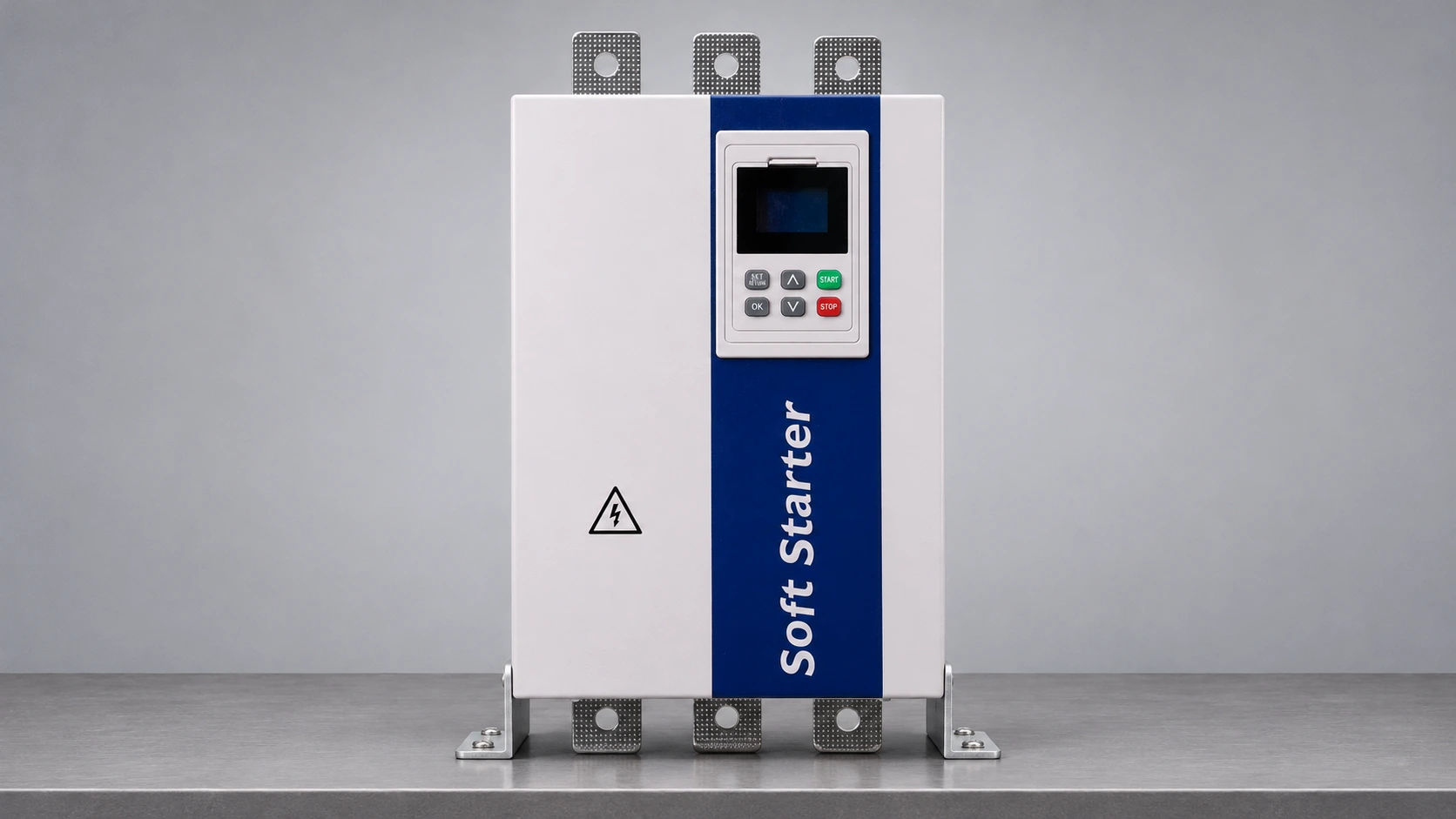
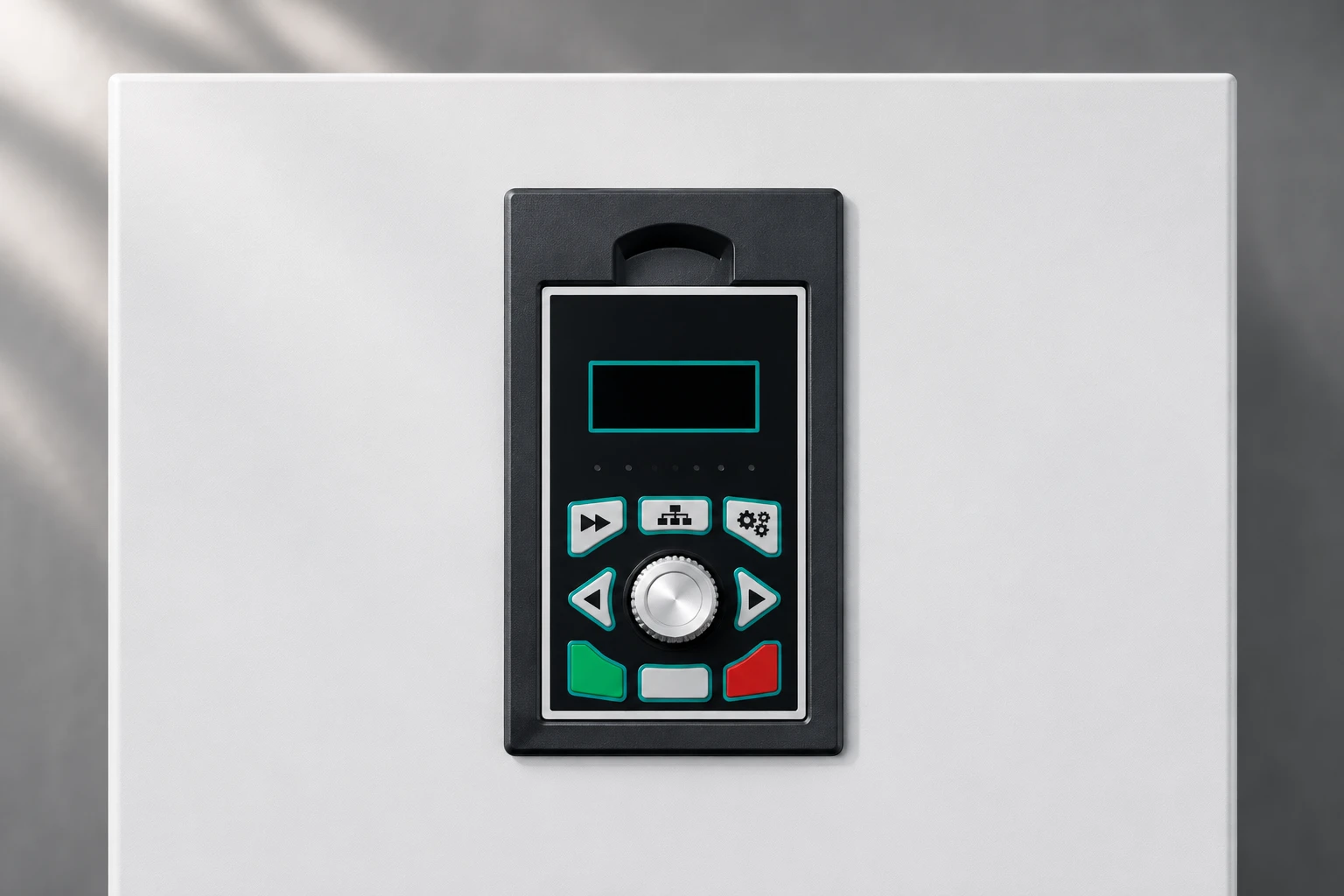
El NENA 820 general purpose inverter product page identifies the product family illustrated here. Obtain the supplied unit’s manual and approved interface drawing to confirm available control functions. The exterior keypad cannot establish terminal assignments, supported signal types or the installed communications configuration.
The table is an investigation aid rather than a parameter checklist. Take observations at comparable times and under an approved stable operating condition. A snapshot collected during acceleration cannot be compared fairly with a controller reading taken after a later demand change.
| Observed disagreement | Next evidence to obtain | Decision it supports |
|---|---|---|
| Operator demand changes; controller output does not | Controller mode, output value and relevant permissive status | Investigate upstream command generation |
| Controller output changes; input monitor does not | Approved interface type, signal path and qualified measurement record | Investigate delivery or input interpretation |
| Input monitor changes; selected reference does not | Active source, override status and mode selection | Investigate command ownership |
| Selected reference changes; output remains limited | Active operating limits, ramp state and protective status | Investigate execution constraints |
| Output frequency changes; process response is inadequate | Motor and mechanical or hydraulic observations | Extend investigation beyond the command path |
These categories are deliberately independent of manufacturer parameter numbers. Do not import another drive’s settings merely because a symptom resembles an online example. The actual machine design determines which operating states and limits are acceptable.
Ask what happened immediately before the mismatch. A keypad mode change, controller replacement, restored backup, maintenance intervention or loss of communication can change the relevant evidence. Record the status displayed at the drive as well as the command shown on the supervisory system. The latter may show what was requested rather than what was accepted.
Look for a documented source selection and any higher-priority function that can replace the normal reference. Preset operation, jogging, process regulation or a fallback state may be relevant on some installations. Their existence and priority must be verified in the supplied documentation; they are possibilities to investigate, not claimed features of every NENA drive.
Do not use a local mode change as an informal experiment on a machine that can move unexpectedly. First agree who controls the process, what will happen to remote requests, how the test ends and how the original mode will be restored. An uncoordinated transfer can introduce a second problem while obscuring the first.
Once the intended input is confirmed as active, compare its documented signal range with the drive’s interpretation. Current and voltage interfaces are different arrangements. Wiring, input configuration and scaling must agree with the approved design. Electrical measurements and any temporary test source require qualified personnel and an appropriate work method.
Use at least two approved reference points when assessing a linear conversion, and record units on both sides. A percentage on the controller and a frequency on the drive cannot be compared as identical numbers. The reference endpoints, offset and any permitted limits must first be known. If the application intentionally uses a nonlinear relationship, a straight-line comparison is inappropriate.
Record a suspected scaling discrepancy before correcting it. Save the previous configuration, proposed change, reason and expected result. If several values are changed together, a successful trial will not show which change resolved the issue, and a later rollback becomes harder to assess.
cURL Too many subrequests by single Worker invocation. To configure this limit, refer to https://developers.cloudflare.com/workers/wrangler/configuration/#limits cURL Too many subrequests by single Worker invocation. To configure this limit, refer to https://developers.cloudflare.com/workers/wrangler/configuration/#limits cURL Too many subrequests by single Worker invocation. To configure this limit, refer to https://developers.cloudflare.com/workers/wrangler/configuration/#limits.
cURL Too many subrequests by single Worker invocation. To configure this limit, refer to https://developers.cloudflare.com/workers/wrangler/configuration/#limits.
The US Department of Energy’s cURL Too many subrequests by single Worker invocation. To configure this limit, refer to https://developers.cloudflare.com/workers/wrangler/configuration/#limits cURL Too many subrequests by single Worker invocation. To configure this limit, refer to https://developers.cloudflare.com/workers/wrangler/configuration/#limits cURL Too many subrequests by single Worker invocation. To configure this limit, refer to https://developers.cloudflare.com/workers/wrangler/configuration/#limits.
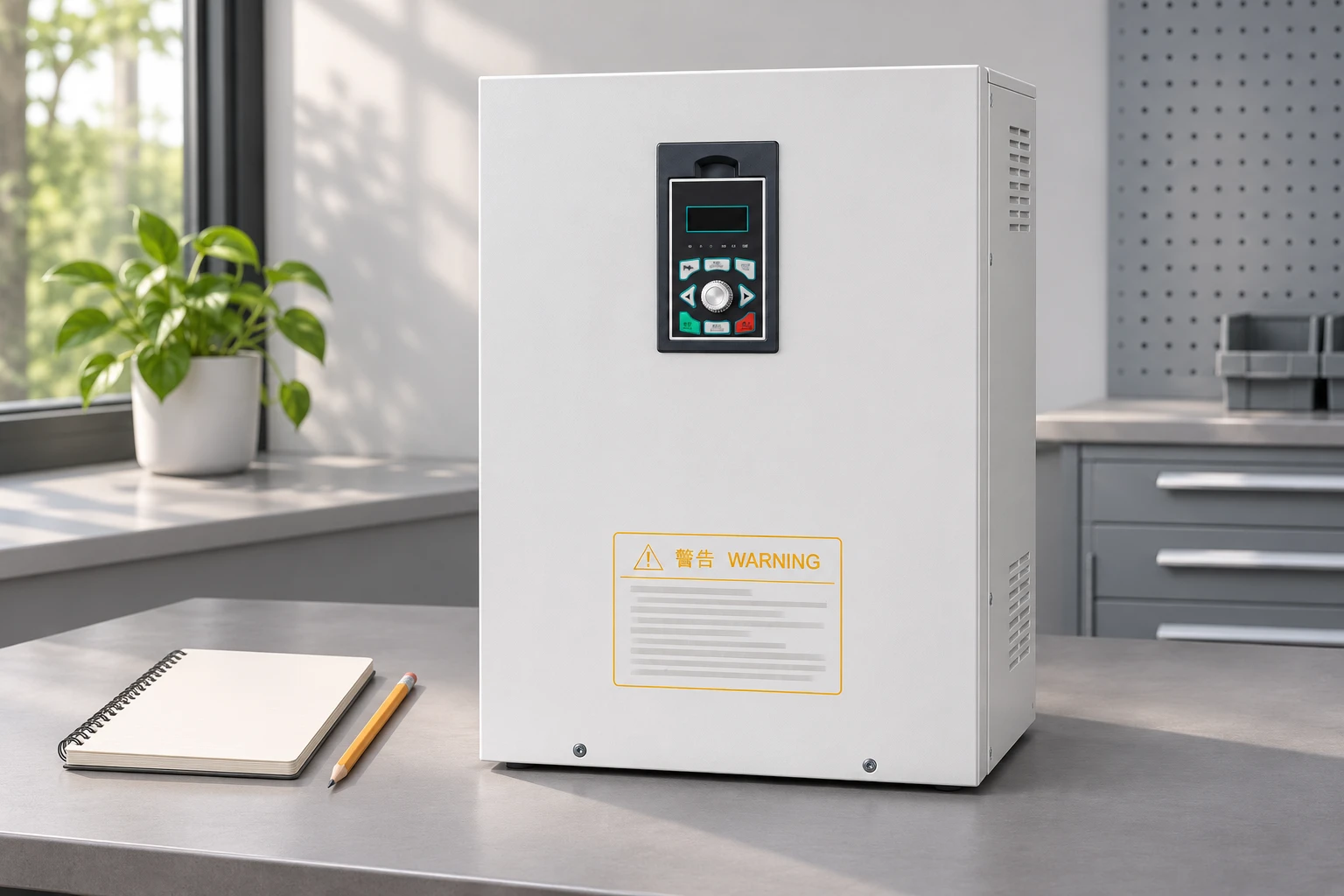
Prepare the verification before implementing a correction. Specify the starting mode, allowed process conditions, requested command changes and observations needed at each step. Include the expected response when the normal command source is unavailable if that state is part of the approved design. Do not create communication loss or signal failure on an operating process without authorization and a safe test plan.
HSE’s maintenance guidance emphasizes competent personnel, planning and control of unexpected movement. Apply the site’s equipment-specific procedures. A stopped motor or zero frequency display does not establish an isolated electrical or mechanical work boundary.
After the approved correction, repeat comparable observations across the required operating range. Confirm that the controller request, received signal, selected reference and executed output now have the documented relationship. Record any operating condition that was unavailable for testing. A successful low-demand trial does not demonstrate behavior at every process state.
The handover should include the initial symptom, confirmed cause, changed fields, before-and-after backups and evidence of restored operating mode. Identify who accepted the process response and who owns any remaining mechanical investigation. This makes the service result useful to operations without implying that the command check validates the whole machine.
For support or replacement planning, send the drive model, supply and motor nameplate data, interface drawing and a short time-aligned observation record. Include the expected and observed command source, input reading, selected demand and output frequency. Describe whether the problem occurs continuously, after a restart or only after a mode transfer. Those distinctions help the supplier ask specific questions rather than guessing from a photograph.
Keep confidential network details and access credentials outside a general service attachment. Share only the technical information needed through the agreed support channel. Ask for model-specific confirmation of available interfaces and a documented review of any proposed replacement; a similar-looking keypad does not establish configuration compatibility.
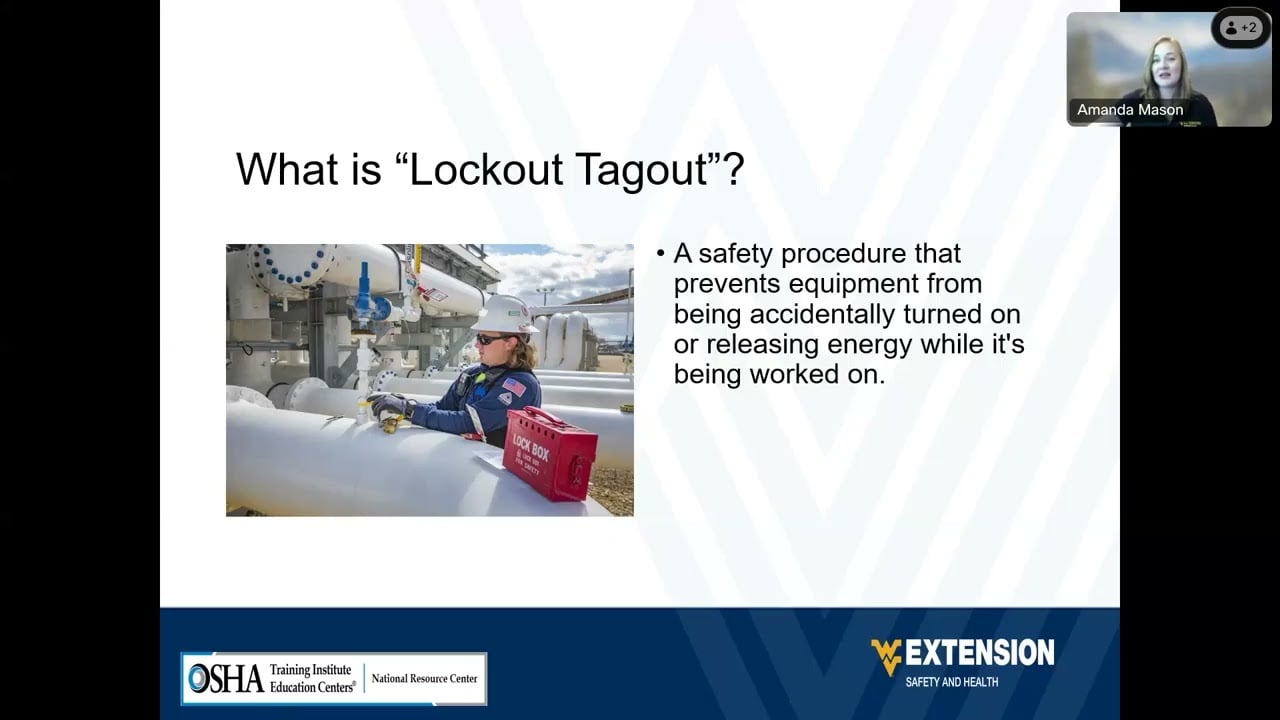
The Department of Labor video below introduces lockout and tagout. It supports the maintenance boundary discussed here, rather than demonstrating speed-reference wiring or providing a model-specific adjustment procedure.
Watch on YouTube — USDepartmentofLabor
No. Confirm the selected reference and any overriding function using the exact drive documentation and actual operating status.
They may, if the installed configuration allows it. Map each function separately instead of assuming one source controls everything.
A reset can erase useful evidence and configuration. Preserve the current settings and establish the cause before considering a documented change.
No. Motor behavior and the connected machine or process require separate evidence. State clearly where the command-path investigation ends.