A VFD flying start lets a compatible drive pick up a motor that is already turning before bringing it to the requested speed. It is useful when a fan coasts for a long time or airflow keeps the shaft rotating after a stop. The drive must establish a suitable electrical operating point before applying controlled torque. This feature does not authorize automatic restart, prove that a shaft has stopped, or replace isolation. First confirm that the exact drive, firmware, motor type and control mode support the intended restart method. Then test the complete machine under a documented commissioning procedure.
An ordinary start assumes a known initial condition. A stopped induction motor can be accelerated from a low output frequency using the selected control strategy. A coasting motor has stored mechanical energy and may already be moving much faster than that initial electrical condition. Starting without accounting for its motion can produce a current disturbance, braking action or an unsuccessful acceleration. The result depends on the drive algorithm, motor state and driven load; a fault code alone does not identify the cause.
Fans are a common example because their inertia allows continued rotation after the run command disappears. A connected duct can also make a fan windmill, including in the opposite direction. Pumps can have their own process-driven movement, so the commissioning team must examine the actual hydraulic arrangement. Do not assume that all rotating loads coast forward or that a fixed waiting time always brings them to rest.
The broader electrical context is described in ASHRAE’s motors, controls and variable-frequency drives chapter. Use the drive manufacturer’s application instructions for the specific catching method. General explanations cannot establish which parameter is available on an individual unit.
Flying start, speed search and catch on the fly are names used for related functions. Depending on the design, a drive may examine motor electrical behavior or perform a controlled search to establish an appropriate output condition. Search direction, current limits and behavior after different stop commands vary. Copying another brand’s parameter number or search time is therefore unreliable. An encoder-based application may also follow different rules from a sensorless installation.
Automatic restart is a separate decision. A drive may be capable of catching a motor yet still require a deliberate new start command. Conversely, a retained run signal may cause an unexpected restart when power returns if the control system permits it. Review command ownership, fault reset, communications recovery and power restoration together. The correct mechanical response does not by itself make an automatic sequence acceptable.
HSE’s Safe use of work equipment guidance explains the importance of starting controls and deliberate action where required. Its regulatory discussion applies to Great Britain; elsewhere use the applicable local rules and machine risk assessment. A restart feature must fit the approved operating sequence rather than override it.
| Observed condition | Question to resolve | Appropriate next step |
|---|---|---|
| Fan remains turning after a normal coast stop | Does the exact drive support pickup in this control mode? | Review the manual and commission a supported catch sequence. |
| Airflow turns the fan backward | Is reverse pickup or controlled recovery permitted? | Resolve direction and duct behavior before enabling restart. |
| Motor movement cannot be established reliably | Would a waiting timer be inadequate? | Review a suitable motion-detection or process interlock solution. |
| Motor trips even after confirmed standstill | Is the issue actually unrelated to catching? | Investigate motor data, supply, load and fault history. |
| Machine restarts after fault reset | Is a retained run command still present? | Correct the authorized restart logic before further trials. |
This is a decision table, not a parameter sheet. It combines drive application questions with the starting-control principles in the sources above. No universal pickup time, safe waiting period or allowable current is implied.
Record the complete drive model, firmware revision, motor nameplate, control mode and installed options. Ask whether flying start is supported for an induction motor, permanent-magnet motor or both. Confirm whether there are restrictions involving multiple motors, an output contactor, motor cables, filters or encoder feedback. A feature described in a product family brochure may not be available in every model or operating mode.
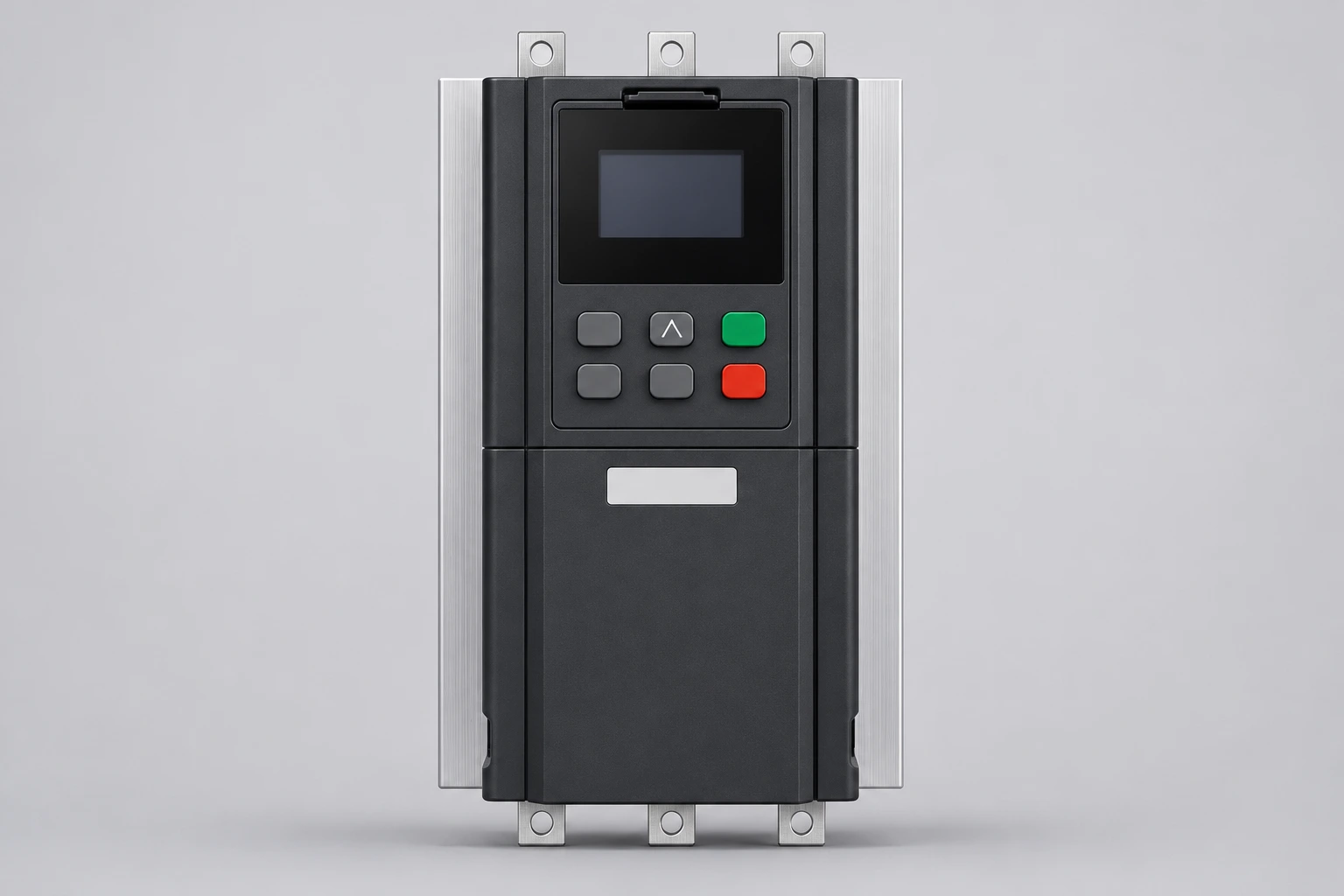
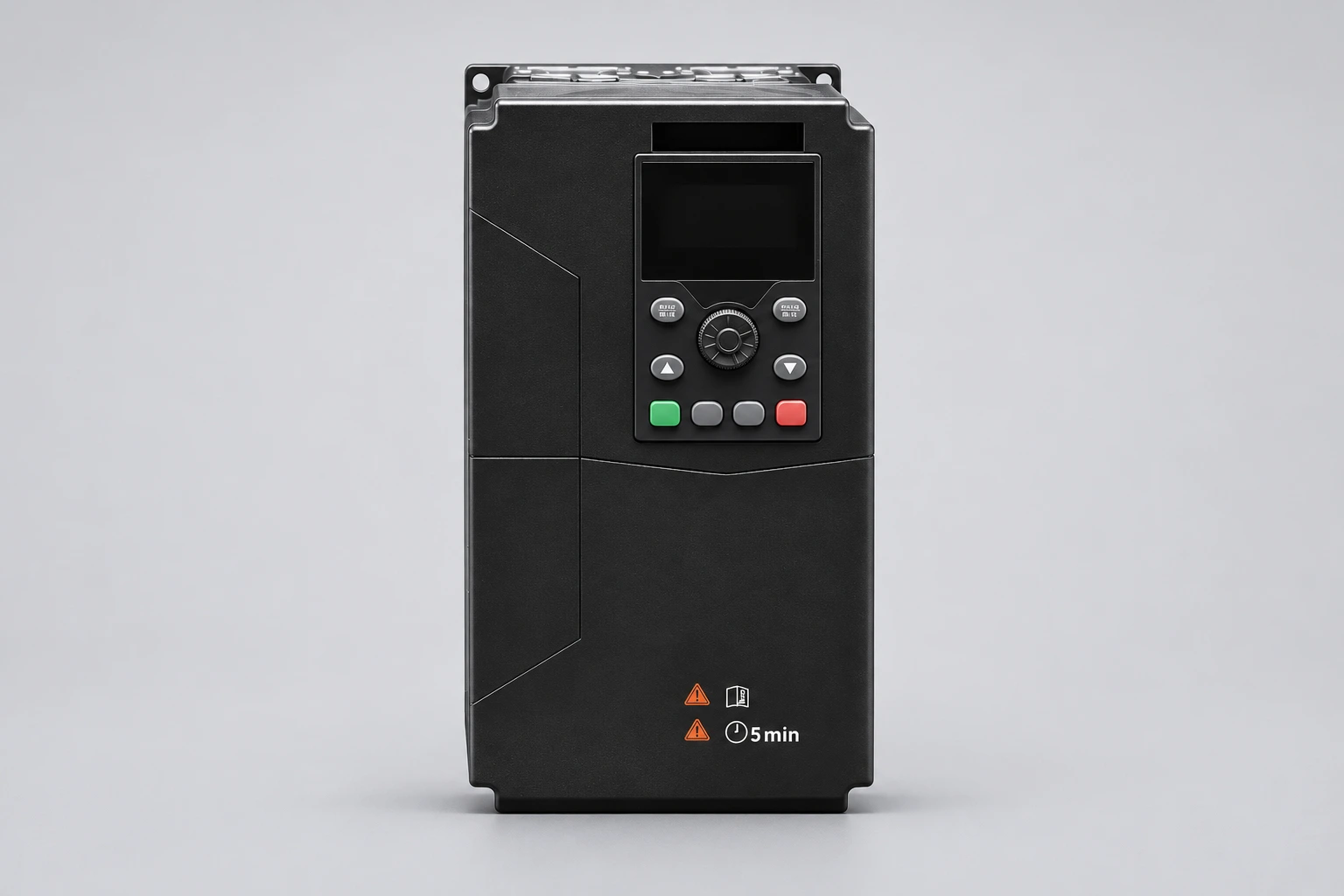
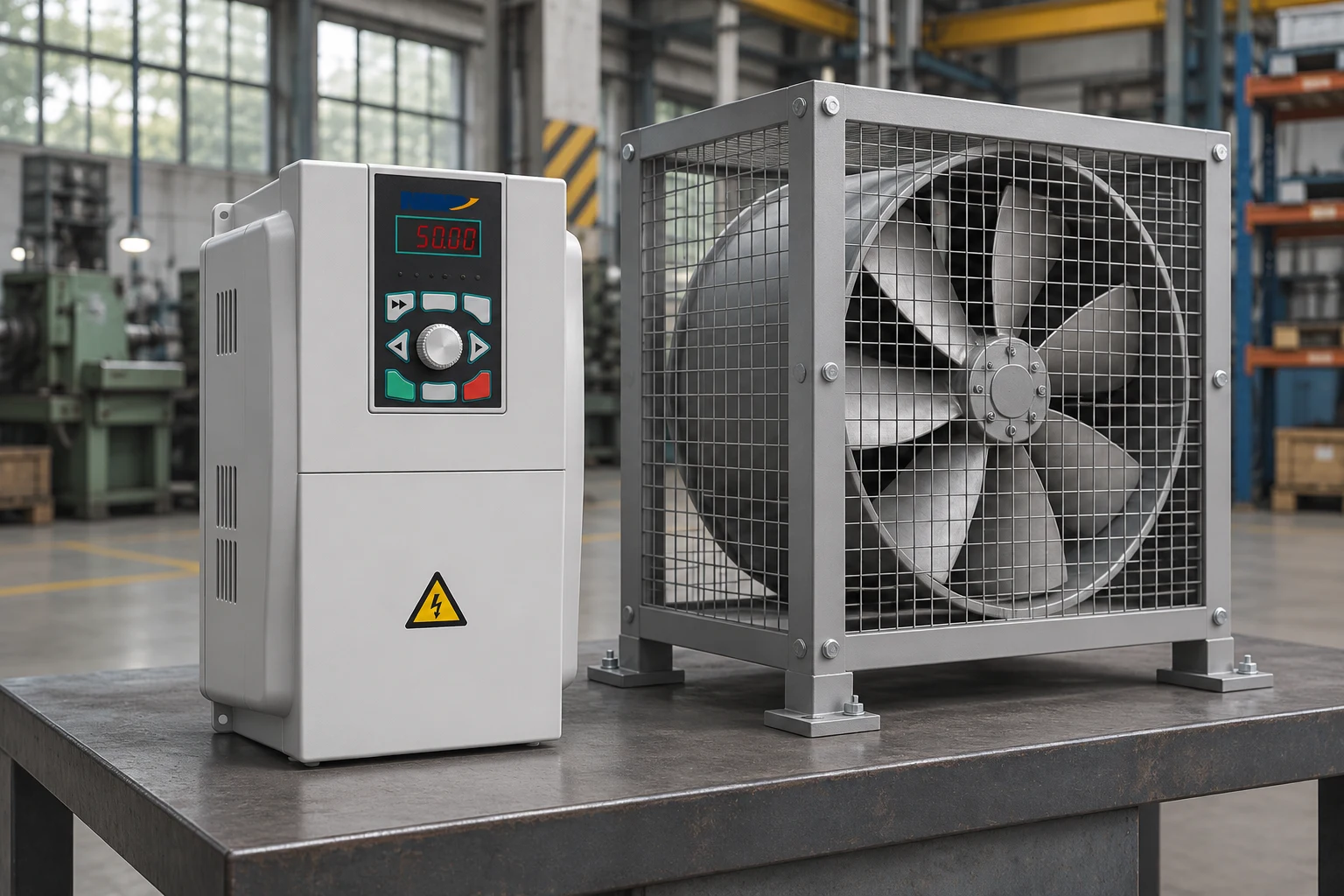
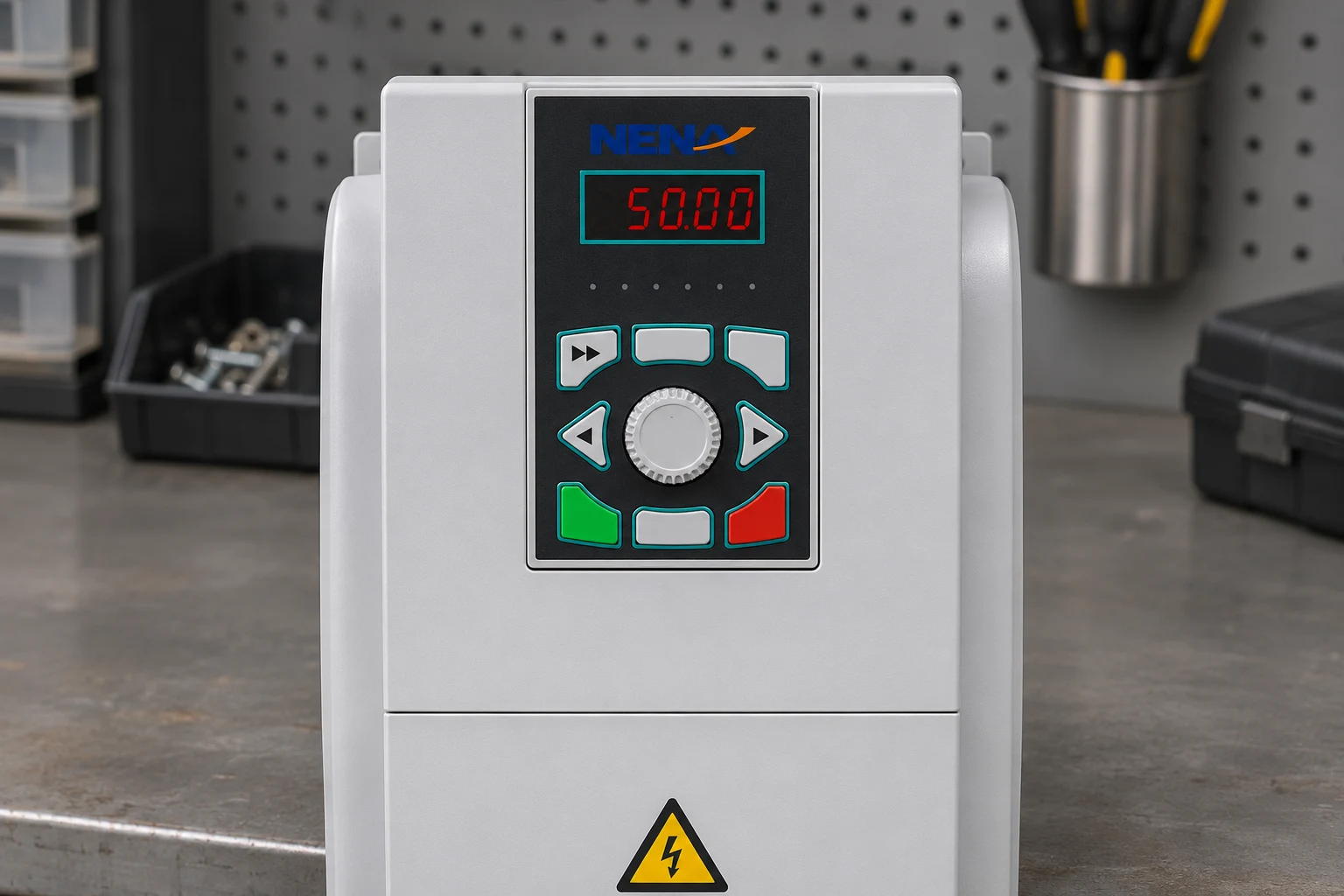
The NENA 820 general-purpose inverter product page identifies the product used in the illustrations. The photographs show its physical form; this article does not claim that this particular version has a verified flying-start function. Include the required pickup behavior in the technical enquiry and obtain the matching manual before selecting or configuring a unit.
Use the broader motor inverter selection guide to frame the application requirements. Also check the installed motor data against the approved setup. If identification is needed, review the separate motor autotune guidance. Some identification routines require standstill or shaft movement. They must not be substituted for an operating speed search, and should never be started casually on a connected machine.
Begin with a written description of what the machine must do after a normal stop, a brief interruption, a communications failure and a reset. List which conditions allow restart and which require operator intervention. Identify the person who can authorize the trial. Confirm guarding, emergency stopping, isolation arrangements and a safe observation position before any movement is requested.
For an approved test, establish a normal operating baseline and retain the existing settings. Record the commanded speed, motor current, fault log and any supported actual-speed indication. Treat an estimated speed value cautiously: the drive may not track an unpowered coasting shaft continuously. If mechanical speed matters to the decision, specify a suitable independent measurement method.
Test only the conditions agreed in the commissioning plan, increasing complexity gradually. A controlled coast-and-restart trial may be useful, but do not improvise a mains interruption or reverse windmilling test. Observe whether the search finishes, the motor picks up smoothly and the process reaches its target without an unexpected direction change. Stop the trial if behavior differs from the approved sequence.
HSE’s maintenance guidance supports planned work, competent personnel and control of electrical and other energy. Parameter editing does not remove these responsibilities. Where the work involves electrical access, follow the site’s electrical safe-working procedure rather than treating a stopped display as isolation.
If pickup fails, save the fault record before repeated resets overwrite useful evidence. Note whether the event occurred during the search, at torque pickup or later in acceleration. Compare this with the retained run command, speed reference and process condition. A failure that happens with a stationary motor needs a different investigation from one limited to a coasting fan.
A DC-bus overvoltage event may involve returned mechanical energy, but it does not prove that a braking resistor is the correct remedy. Check the drive’s supported stopping and energy-handling arrangement. The separate article on overvoltage during deceleration explains that broader problem. Do not add braking hardware until the equipment documentation and application review justify it.
If the drive receives an incorrect target after restart, examine the command path rather than repeatedly adjusting speed-search settings. Compare local control, remote terminals and network commands. The speed-reference troubleshooting checklist addresses that complementary issue. Keep one controlled change per trial so the result can be interpreted.
Describe the load, normal direction, maximum expected coast duration, possibility of back-driving, motor type and required behavior after each interruption. Provide the existing wiring diagram and explain any contactor between the drive and motor. State whether the process requires a manual restart or an approved automatic recovery. Ask the supplier to identify the exact supported mode, limitations and commissioning documentation in writing.
Acceptance should cover the whole sequence: permitted start command, successful pickup, controlled acceleration, correct direction and effective stopping. Retain settings, test conditions and observations together. This makes later support more useful than a request saying only that the flying start does not work.
During handover, explain how operators recognize a search in progress and how it differs from a fault. Agree when they should stop the process and call maintenance. Keep the original settings backup with the commissioning record, including the revision date, so a later drive replacement does not silently restore an incompatible restart policy.
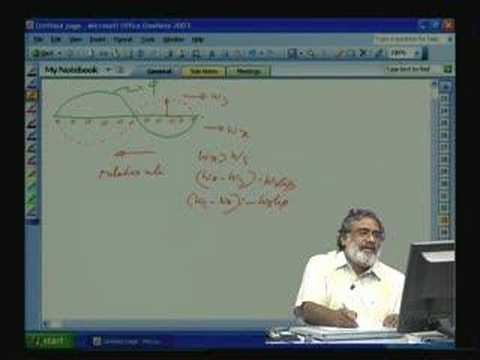
The NPTEL lecture below explains induction-motor speed control. It provides background for understanding drive operation; it is not a model-specific flying-start setup tutorial.
No. Support depends on the drive, firmware, motor and control mode. Obtain the matching documentation and verify the intended pickup sequence before commissioning.
No. Flying start concerns picking up a rotating motor. Automatic restart concerns permission and commands to resume operation. Both require review within the complete machine sequence.
Only if the approved design establishes that waiting produces the required safe operating condition. Process-driven rotation can continue, so elapsed time alone does not prove standstill.
No. Preserve the fault and operating evidence, stop repeated attempts and investigate the supported configuration and machine conditions before another authorized trial.