Switchgear condensation prevention starts with controlling moisture entry and keeping vulnerable surfaces above the local dew point. A heater alone does not prove that every compartment is protected, especially during shutdowns, cold nights or loss of auxiliary power. Record the environmental conditions, inspect the building and cable routes, and confirm the manufacturer’s permitted service conditions before changing equipment. If moisture, tracking marks or abnormal discharge is suspected, restrict access and involve a competent high-voltage specialist. This guide explains how to build a practical prevention plan for enclosed industrial switchgear without assuming that one humidity setting or heater rating fits every installation.
Condensation forms when a surface is colder than the dew point of the air touching it. The room may feel comfortable while a metal enclosure, cable termination area or compartment wall remains cold. A warm, humid air change after a cold night can therefore create a problem before the building thermometer shows anything unusual. Relative humidity is useful evidence, but it must be interpreted alongside air temperature and the temperatures of relevant surfaces.
Several sources can contribute moisture: leaking roofs, damp cable trenches, unsealed wall penetrations, wet cleaning, construction moisture and outside air drawn through unsuitable openings. These are different faults with different remedies. Increasing a heater setting while leaving a trench full of water may improve one reading without removing the underlying moisture supply. Inspect the environmental system as a whole rather than treating the switchgear door as its boundary.
The HSE bulletin on legacy VMX switchgear illustrates why equipment-specific environmental instructions matter. Its particular restrictions concern the equipment named in that bulletin; they are not universal limits for other switchgear. For another model, obtain its own installation and operating requirements.
Identify each cubicle, its manufacturer, installation date, compartment arrangement and operating duty. Locate the approved drawings, heater schedules, auxiliary supply diagrams and maintenance history. Record whether the equipment is energized continuously, operated seasonally or stored before commissioning. An installation that stayed dry while carrying load can behave differently during an extended outage because its usual internal heat sources disappear.
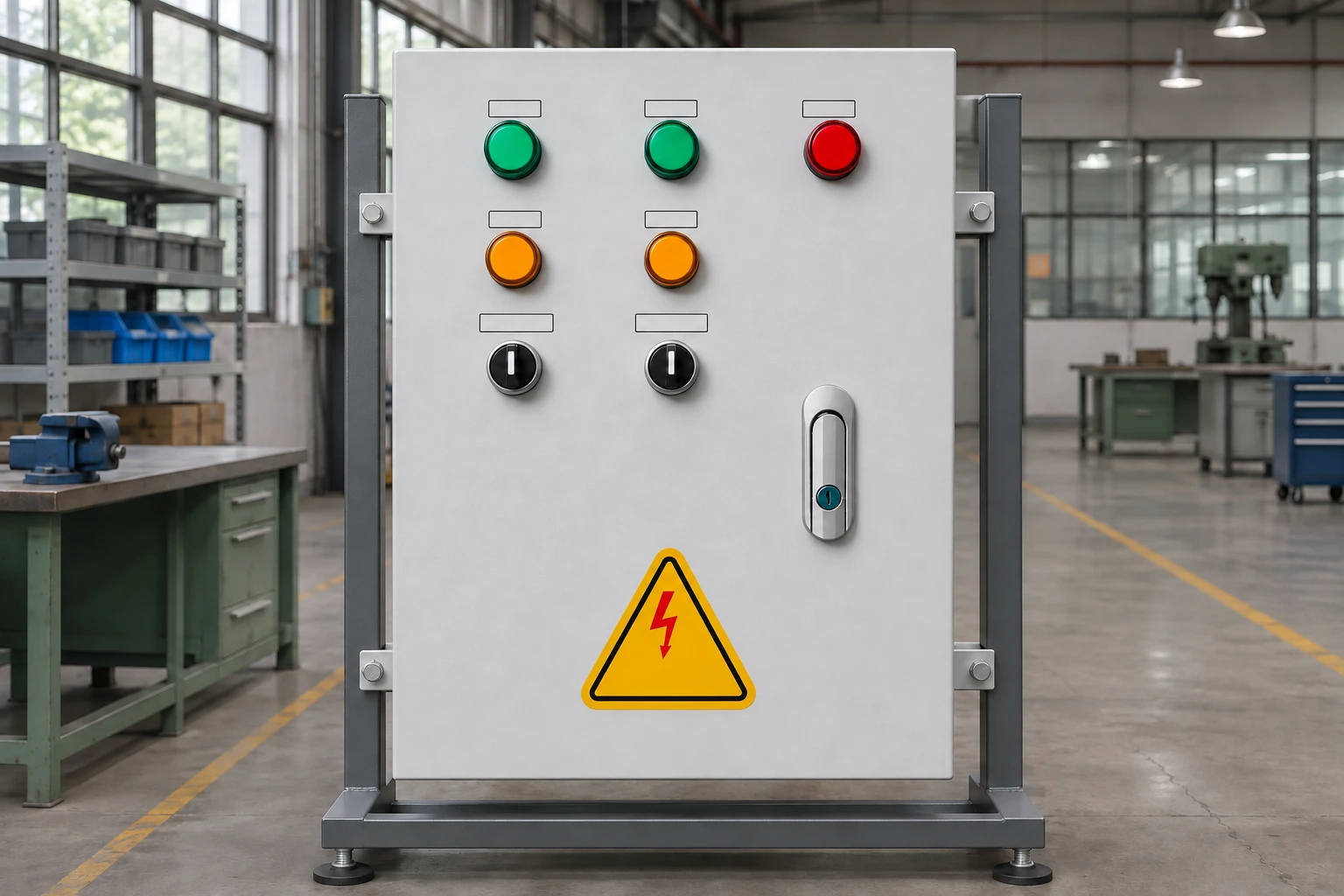
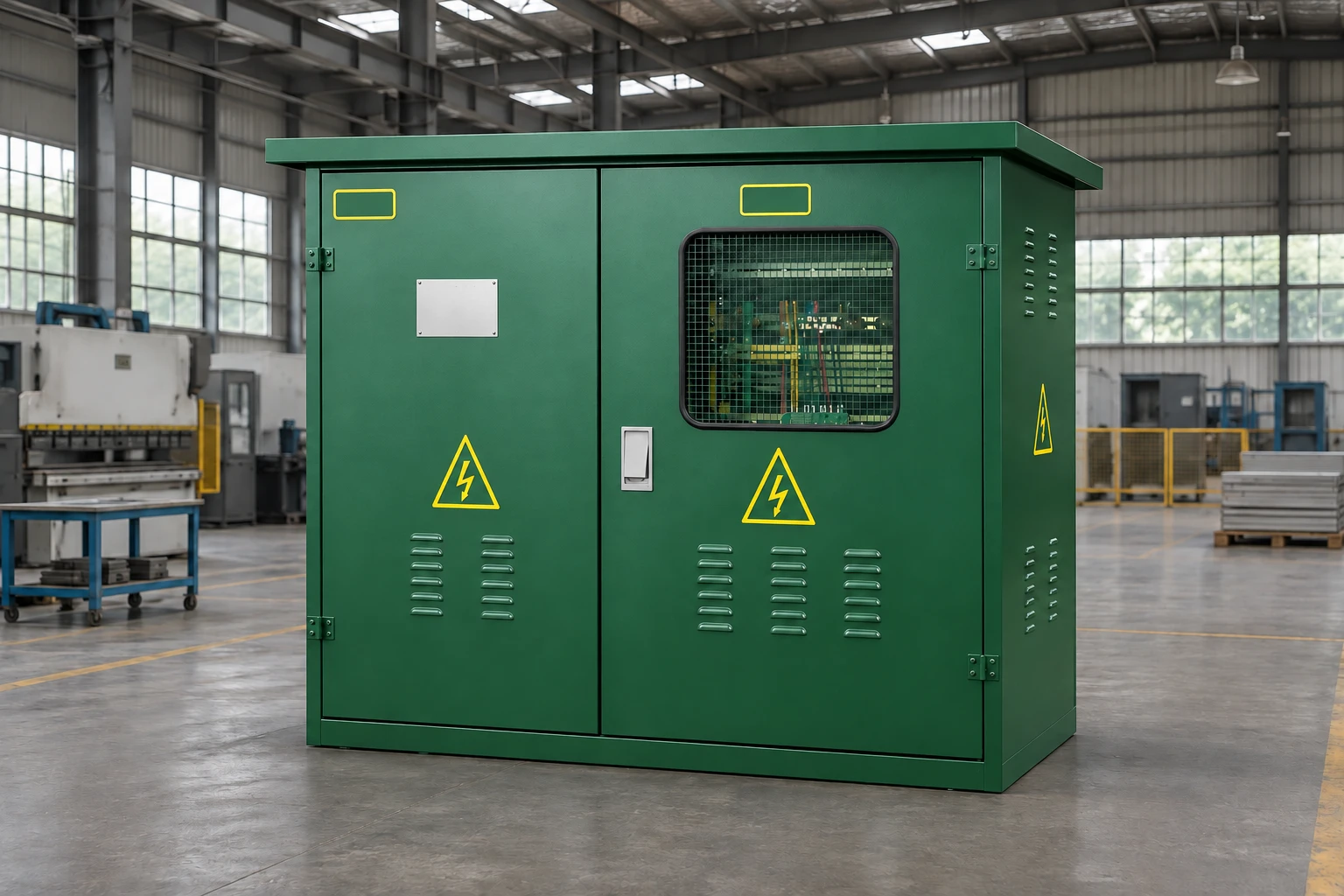
The KYN61 armored metal enclosed switchgear provides the product context for the photographs here. The exterior reference establishes the cabinet appearance, not a verified heater package, moisture rating or internal sensing arrangement. Request the actual order documentation before specifying accessories. For a broader replacement decision, use the switchgear replacement planning guide alongside the environmental investigation.
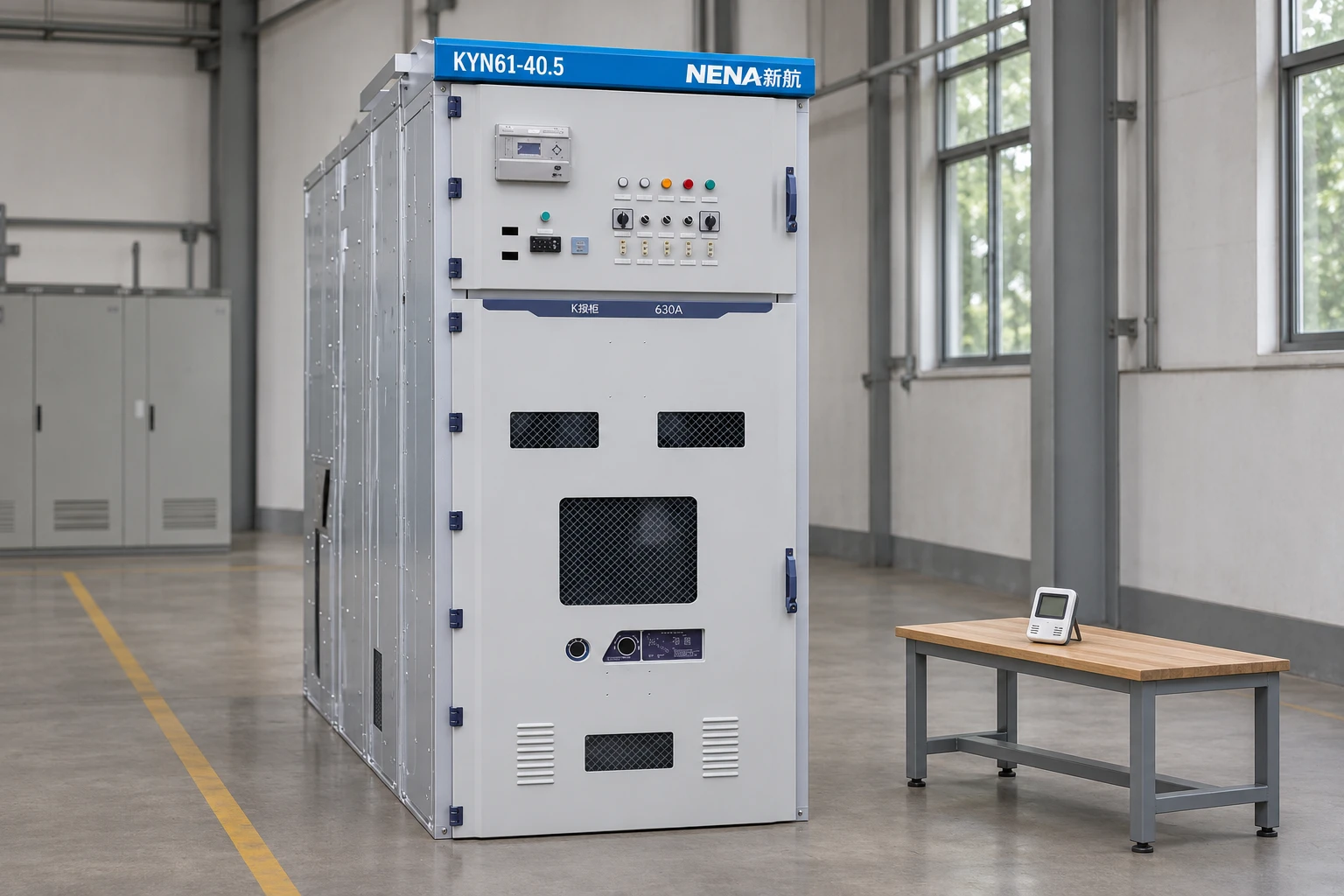
A single daytime reading cannot show what happens at dawn, after heavy rain or immediately following a shutdown. Use suitable logging equipment to record temperature and relative humidity over representative operating and weather cycles. Identify the logger location on a drawing so the next inspection can repeat the measurement. Instruments near a door, heater or sunlight patch may describe that location rather than the vulnerable compartment.
Where internal readings are necessary, plan the installation and retrieval under the site’s electrical safety procedures. Do not open live high-voltage compartments to improve a humidity survey. Loggers, leads and attachments must be approved for their location and must not compromise clearances, barriers, ventilation or access. Include sensor accuracy, calibration status and the recording interval in the report; an unexplained graph is weak evidence for a design change.
Compare the environmental trend with rainfall, room ventilation operation, heater availability and switching events. If a moisture incident occurs only after the auxiliary supply is isolated, that relationship is more useful than a general statement that the building is damp. Keep photographs of external leakage routes and inspection dates with the logger files so building repairs can be assessed against the same evidence.
| Finding | Evidence to collect | Action to review |
|---|---|---|
| Moisture follows heavy rain | Roof, wall and trench inspection; event times | Repair the entry route and verify drainage |
| Cold surfaces after shutdown | Temperature trend and heater supply history | Review outage environmental control |
| One compartment remains damp | Approved compartment survey and heater layout | Review local coverage with the manufacturer |
| Humidity rises when fans run | Indoor and outdoor air conditions | Review the ventilation strategy |
| Heater circuit is unavailable | Supply, protective device and control status | Restore the approved circuit and confirm operation |
This is a qualitative investigation table, not a set of operating limits. Environmental instructions must come from the equipment documents. The EPA moisture-control guide explains the general building principle of keeping cold surfaces above the air dew point and managing moisture sources. It is building guidance, not a switchgear product specification. Coordinate the room repairs with the equipment’s own environmental requirements.
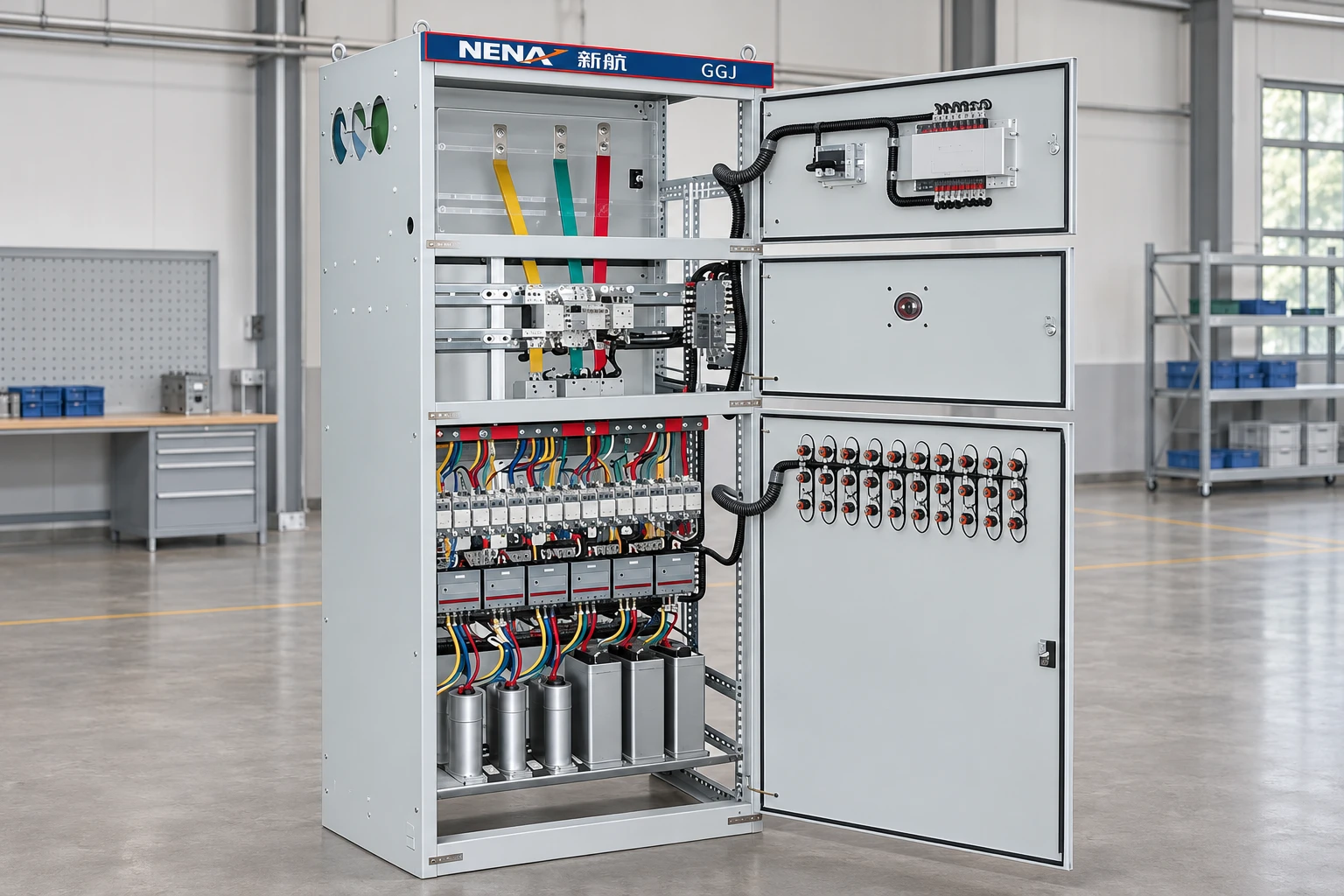
An anti-condensation heater can raise the temperature of nearby air and surfaces. It does not extract water from the building. Its effectiveness depends on location, heat distribution, control method and availability of its supply. A warm control compartment does not automatically demonstrate protection of a separate cable compartment. Confirm which spaces the installed arrangement is intended to protect and how the manufacturer expects it to operate.
Check the approved heater circuit, protective devices and thermostat or humidity controller where fitted. Functional verification should demonstrate the intended response, not merely that a lamp is illuminated. Compare the observed response with the drawings and operating instructions. Do not bridge a control device, fit a larger heater or change wiring as an informal remedy; heat can affect nearby materials and the equipment’s design assumptions.
Plan for the time when the switchgear is out of service. Establish whether environmental control remains supplied during maintenance, construction delays and extended shutdowns. If a temporary supply is proposed, it needs its own safe installation and operating arrangements. The team responsible for electrical isolation and the team responsible for building conditions should agree who checks moisture risk during the outage.
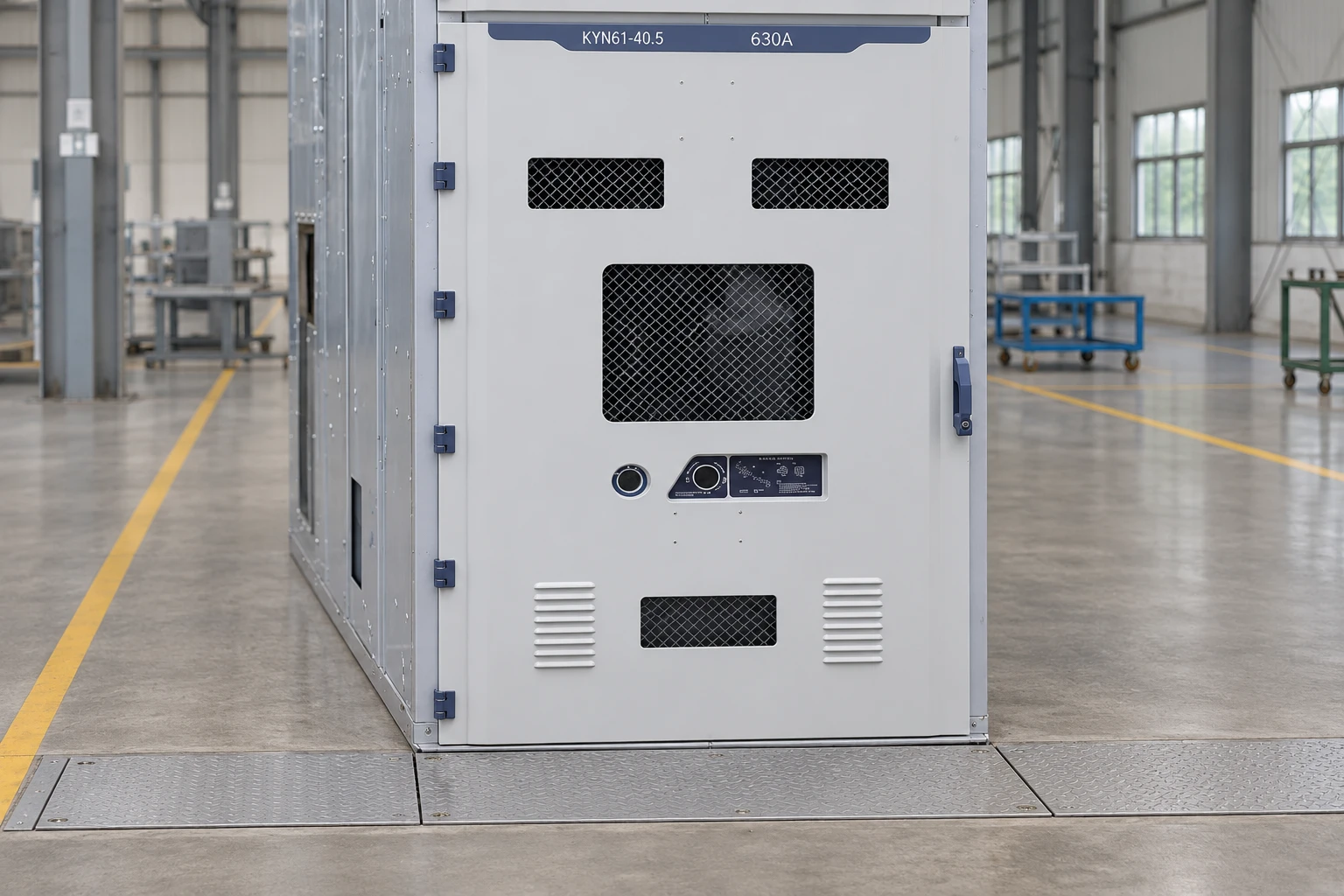
Seal verified water and humid-air entry routes using systems appropriate to the building and cable installation. Maintain drainage and inspect the space beneath trench covers where safe access is available. Keep construction waste and wet materials away from the switchroom. Coordinate changes to fire stopping, pressure relief routes and cable penetrations with the responsible designer; an environmental repair must not obstruct a required safety function.
Ventilation is not simply a choice between more air and less air. Outside air can remove heat, but it can also introduce moisture under some conditions. Review heat removal and humidity control together before blocking vents or changing fan operation. Where a prefabricated enclosure is involved, the substation ventilation guide addresses a related enclosure-level problem, while this article focuses on the switchgear compartments themselves.
Visible droplets, corrosion, contamination tracks or unusual sound require an assessment by personnel competent for that equipment. Do not wipe inside an energized panel or repeatedly operate it to see whether the symptom disappears. Establish access restrictions and the appropriate isolation plan. Cleaning, drying, inspection and any electrical testing should follow the manufacturer’s instructions and the site’s approved work procedures.
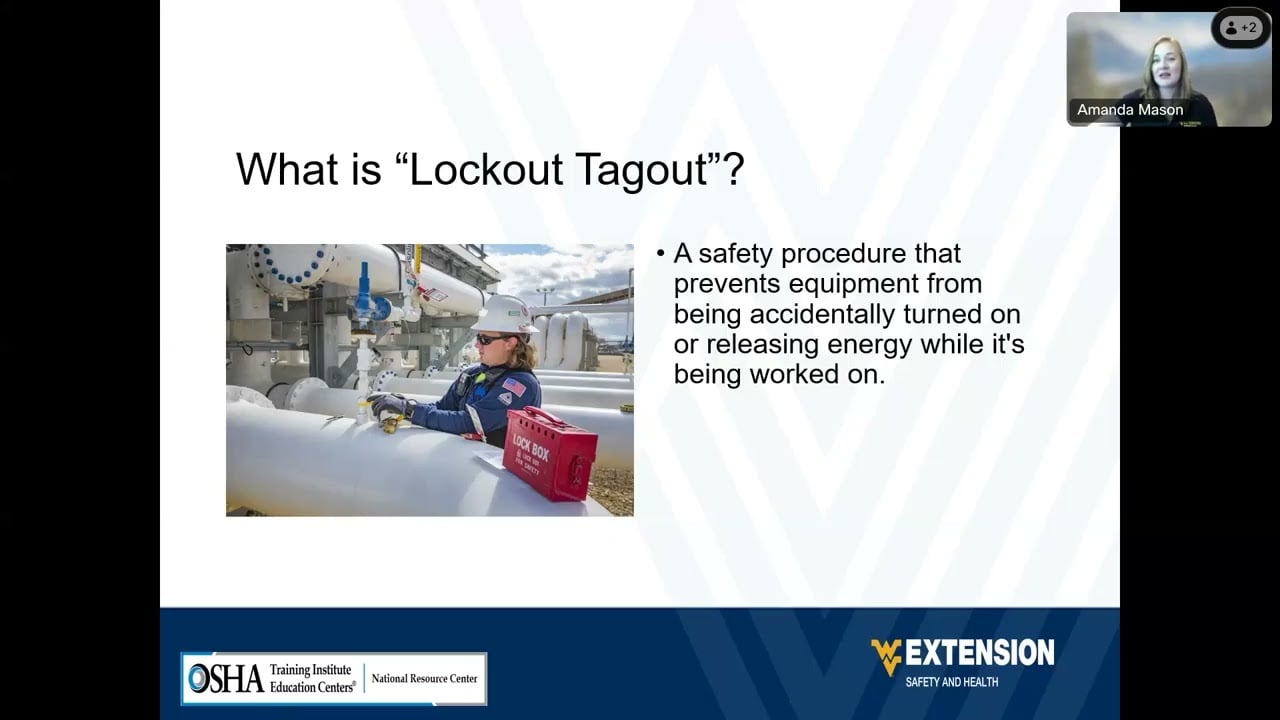
The HSE safe working practices guide provides the basis for planning electrical work and controlling danger. The following Department of Labor video explains lockout and tagout principles. It is general safety education, not a high-voltage switching procedure or authorization to work on a particular cubicle.
Watch on YouTube — USDepartmentofLabor
Record the condition before repair, the exact work completed and the checks performed before return to service. Continue environmental logging through comparable weather and operating conditions. A dry afternoon after a repair does not prove that the next cold shutdown will be safe. Compare like-for-like locations and retain the original logs so any improvement can be distinguished from a change in weather.
Add the heater supply, control response and moisture pathways to the planned inspection scope. Connect that scope with the storage-before-installation checklist when equipment is awaiting energization. For procurement, supply the room conditions, outage pattern, compartment requirements and desired monitoring records. Ask the supplier to confirm the proposed arrangement rather than specifying an unsupported universal heater wattage.
Assign a named owner for the follow-up review. The record should say who checks heater availability after an outage, who investigates recurring building leaks and who decides whether the monitoring period is representative. Without that ownership, a completed repair can leave the same exposure during the next maintenance shutdown. Include an escalation route for missing logs or repeated alarms so the investigation does not depend on one operator remembering the previous incident.
Yes. Moisture can already be inside, and surfaces can cool below the local dew point. An enclosure rating does not by itself prove that condensation cannot occur.
Follow the approved equipment design and outage plan. Loss of normal load heat can increase risk, so confirm how environmental control will remain available when the main equipment is isolated.
No. Record temperature and humidity over representative cycles and assess relevant compartment conditions. Sensor location and cold surfaces can change the interpretation.
Only after an engineering review confirms the required remedy and the equipment manufacturer accepts the change. Moisture entry, distribution and supply availability may be the real issues.