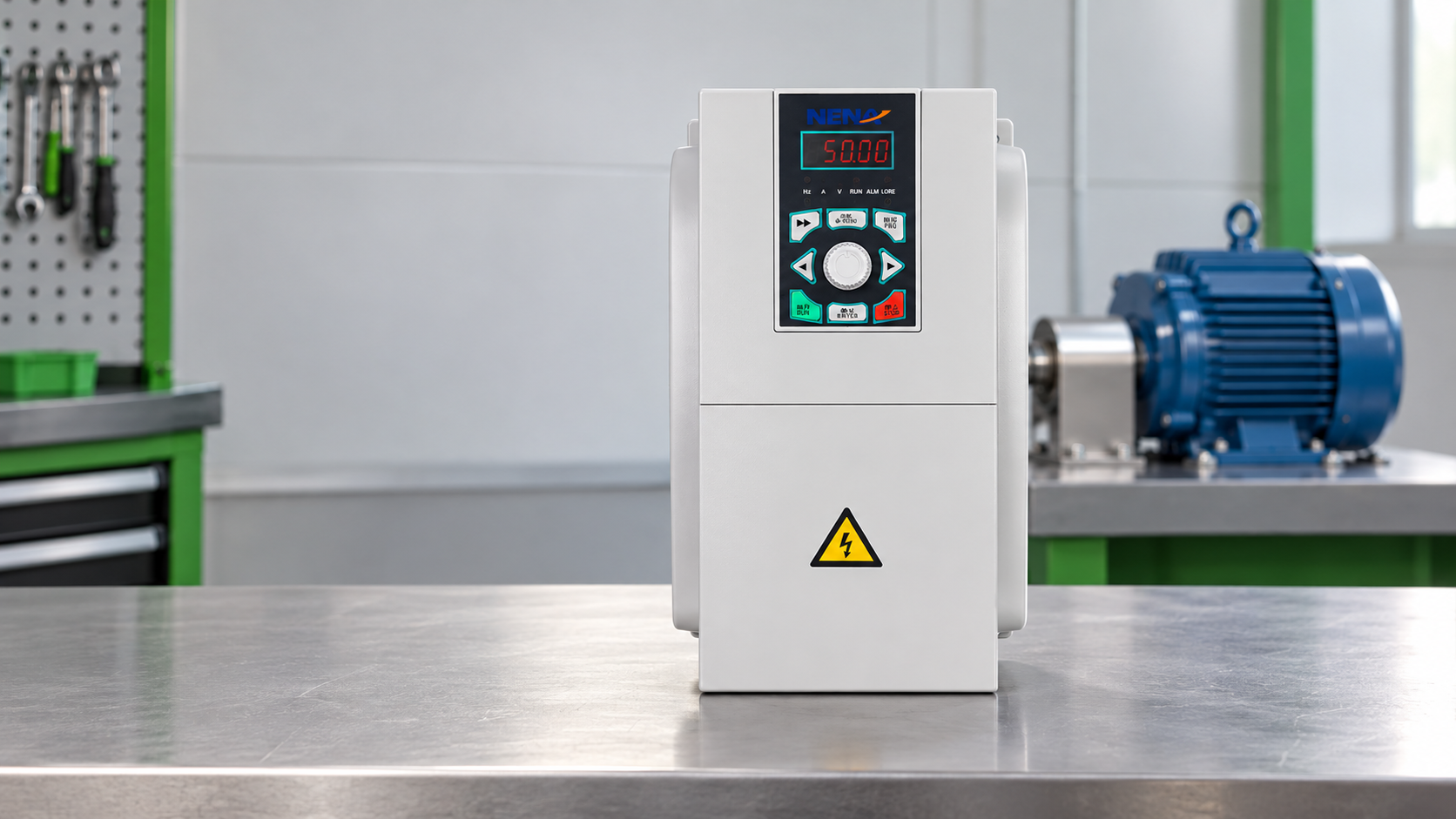
How a Frequency Inverter Controls an AC Motor
In industrial language, a frequency inverter is commonly called a variable frequency drive (VFD) or adjustable speed drive. It sits between the supply and motor, creating a controllable output instead of applying fixed-frequency AC immediately. That makes it relevant to water treatment, wire drawing, textile machinery, plastic processing and machine tools.
The power path is straightforward in principle. An input rectifier converts AC to DC, a DC link smooths energy, and an inverter stage switches that DC into a new three-phase waveform. Output frequency determines motor speed; for an induction motor, synchronous speed follows 120 multiplied by frequency divided by the number of poles.
Voltage must also be coordinated with frequency. A volts-per-hertz control method keeps magnetic flux within a usable range as speed changes, while vector control estimates or measures motor behaviour to improve torque response. The correct method depends on whether the load is a centrifugal pump, a fan, a conveyor, a hoist or another duty with different torque requirements. A Frequency Inverter is valuable because it turns this electrical relationship into an adjustable process variable.
Control can come from a keypad, analogue reference, digital input, PLC command or network. The specification should state the reference signal, power-loss behaviour and restart policy because these affect process reliability.
What Changes in Starting, Speed and Energy Use
At standstill, a motor connected directly to the line can draw high transient current and apply sudden torque. A drive raises output frequency through a defined ramp, reducing pressure shock in pumps, belt shock in conveyors and coupling stress. Actual current and torque depend on motor design, inertia, ramp settings and supply conditions, so site data should replace brochure assumptions.
Variable speed can reduce wasted energy when a process does not need full output. For centrifugal pumps and fans, affinity-law behaviour means reducing speed can be more efficient than running at full speed and dissipating excess through a valve or damper. Use measured run hours, load profile, tariff and maintenance costs; any payback estimate without those inputs is illustrative.
The same control can improve consistency: wire drawing may need a stable speed reference, textile machinery repeatable acceleration, and a water pump pressure feedback. The drive remains one part of the hydraulic, mechanical and control design.
How to Read Ratings and Features
Start with motor duty, not only nominal kilowatts. Record voltage, current, frequency, overload, starting torque, braking needs and operating hours; then check supply phase, altitude, ambient temperature, humidity, dust and enclosure. Electrical compatibility does not prevent environmental derating.
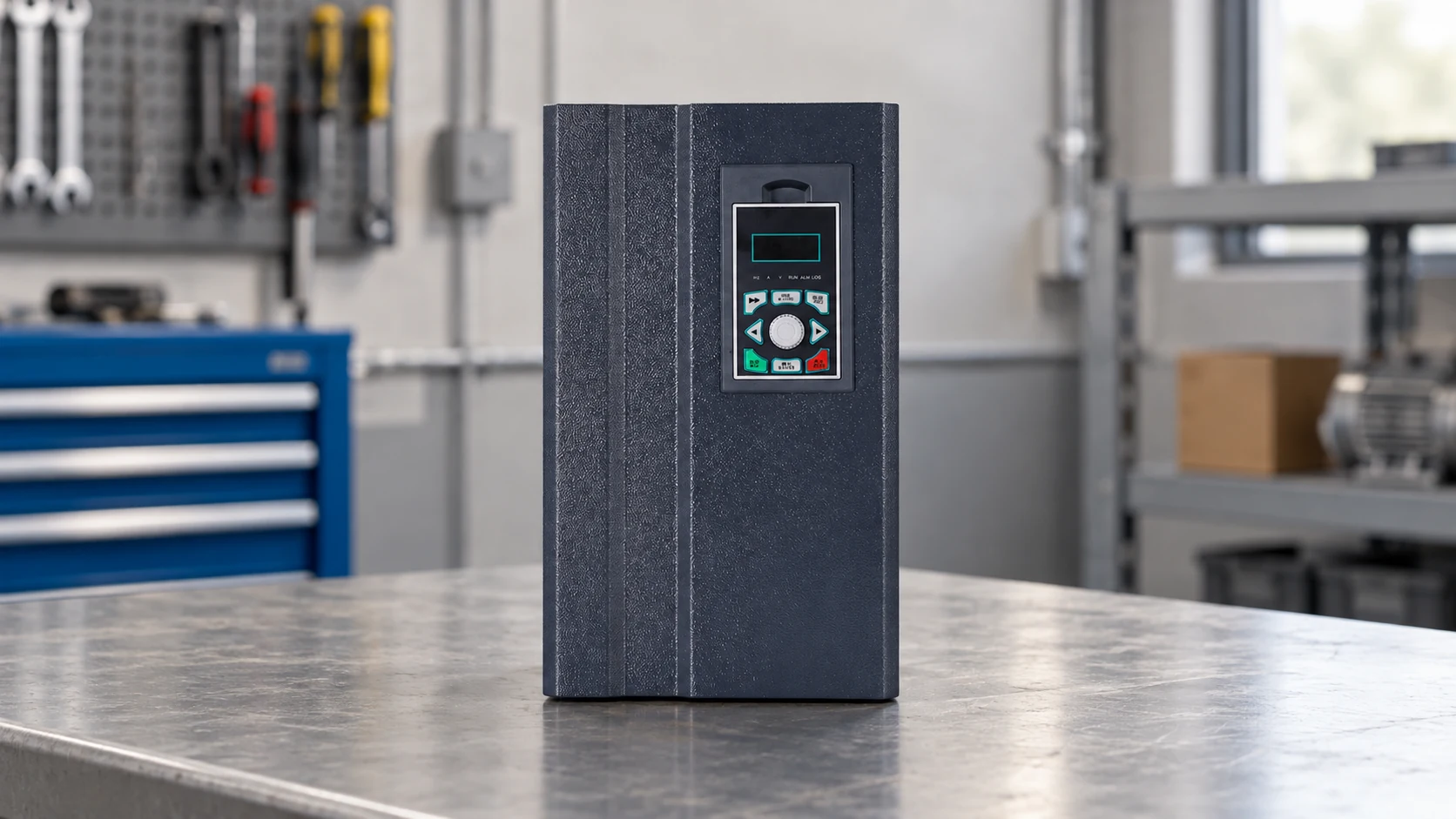
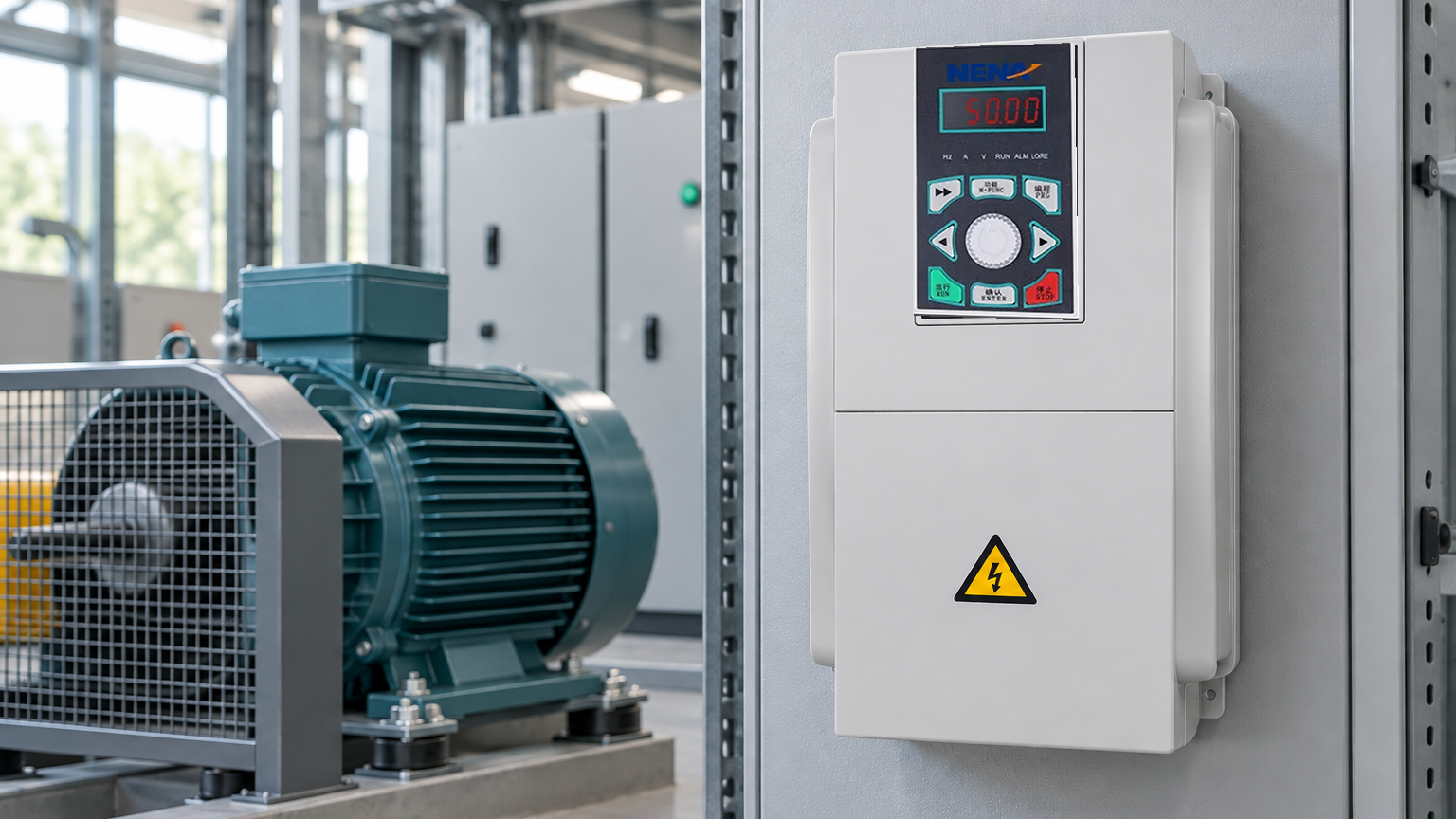
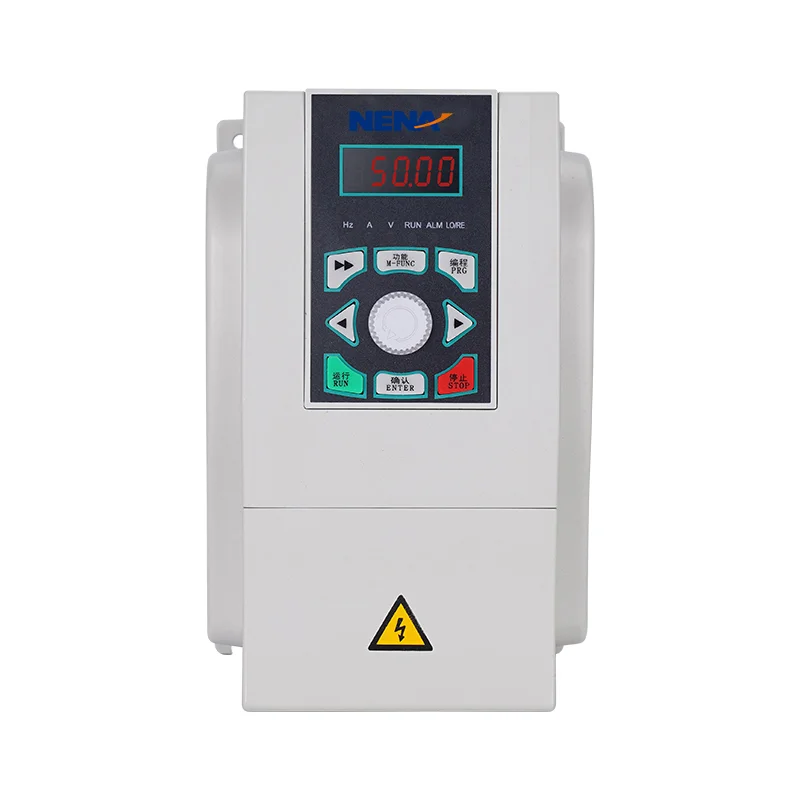
The publicly described NENA NH820 is a general-purpose vector inverter in 5.5, 7.5 and 11 kW ratings, with three-phase 380 V input. Listed applications include wire drawing, centrifuges, medium CNC, industrial water pumps, boiler induced-draft fans, textile equipment and plastic blow molding. Its description identifies DSP control, compound frequency source, S-curve acceleration and deceleration, PLC logic, stall control and fast current limiting. Final selection still needs motor and duty data.
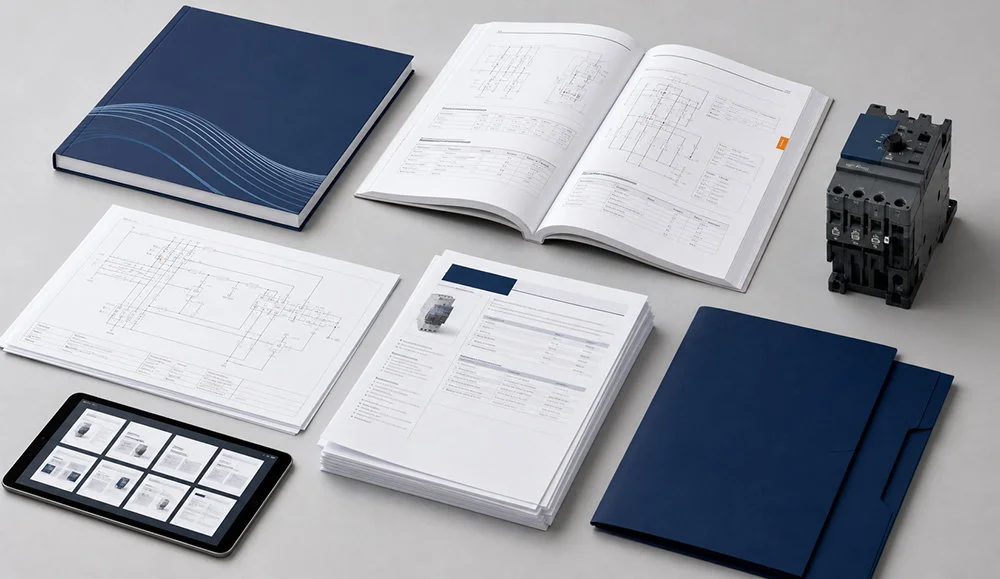
For procurement teams, the industrial frequency converter range and NH820 5.5-11 kW product information provide starting references. Request the manual, terminal diagram, overload curve, derating table and conformity documents before freezing a design.
Frequency Inverter, Soft Starter or Grid-Forming Inverter?
These devices solve different problems. A soft starter controls voltage during motor acceleration and is primarily a starting and stopping device; it does not provide the same continuous speed range as a VFD. A conventional industrial drive normally follows the electrical source and controls its connected motor. A grid-forming inverter is a different power-system category: it establishes a voltage and frequency reference for an islanded or inverter-based network.
With renewable generation and storage, engineers may need to examine how the grid forming inverter frequency is established and coordinated. IEEE 1547 addresses distributed-energy-resource interconnection; that topic is separate from choosing a motor drive.
| Decision dimension | Direct-on-line starter | Soft starter | Frequency inverter / VFD | Grid-forming inverter |
|---|---|---|---|---|
| Primary function | Switch motor to line | Controlled motor start and stop | Continuous motor speed and torque control | Set voltage and frequency for a power network |
| Typical control variable | On or off | Voltage during ramp | Output frequency and voltage | Network voltage, frequency and power response |
| Best-fit question | Can the supply accept a direct start? | Is start-up shock the main issue? | Must speed follow process demand? | Must an inverter-based system form an islanded reference? |
Application Fit by Load
Application type can be more useful than motor size when selecting control. Use this view to frame the first specification questions.
| Application | Why variable speed may help | Checks before selection |
|---|---|---|
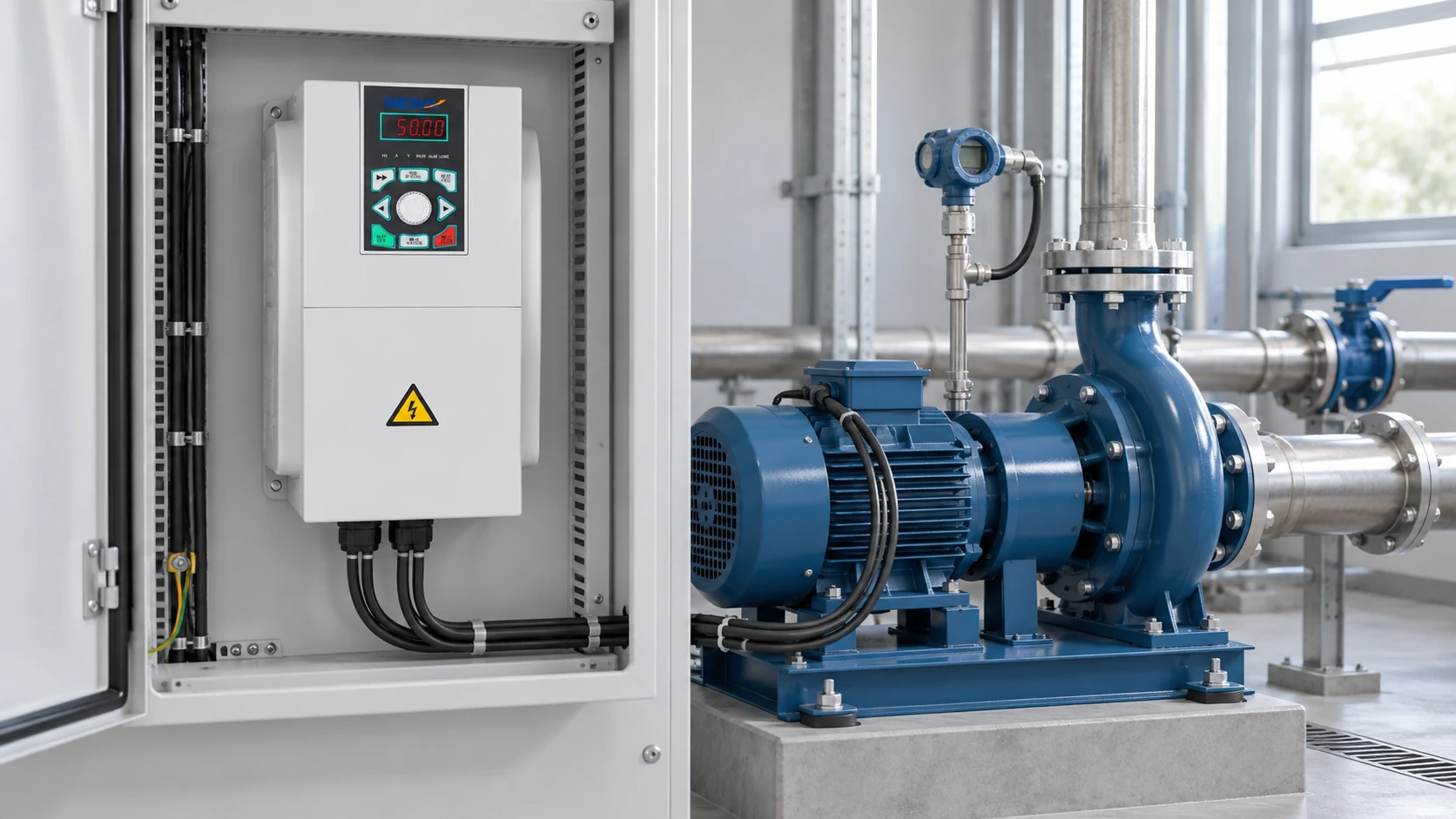
| Industrial water pump | Flow and pressure can follow demand | Hydraulic curve, dry-run protection, feedback signal and ramp |
| Boiler induced-draft fan | Airflow can be adjusted with the process | Fan curve, minimum speed, dust, temperature and braking |
| Wire-drawing or textile equipment | Stable speed supports process consistency | Torque response, synchronization, stopping method and PLC interface |
| Centrifuge | Controlled acceleration can reduce mechanical shock | Inertia, overspeed protection, braking resistor and duty cycle |
| Medium CNC or plastic blow molding | Repeatable motion can support machine sequencing | Speed accuracy, response time, cooling and cabinet integration |
Standards, Certification and Compliance
Standards answer different questions, so state their scope in the purchase specification. The IEC 61800 family covers adjustable-speed electrical power drive systems, including general requirements, EMC and safety. A reference to IEC 61800 does not prove certification for every market or installation.
IEEE 1547 is relevant to distributed energy resource interconnection when a project includes storage, solar or an islandable microgrid. ISO 9001 describes a quality management system, not inverter electrical performance. In China, consult CNCA for compulsory-certification administration and applicable scopes. Verify current market rules, EMC limits, safety obligations and documents with the importer and project engineer.
Confusing a test method with product conformity can cause tender rejection, shipment review or commissioning delays. Request evidence for the exact model and rating, and check its date, scope and issuing body.
Five Practical Selection Actions
- Capture the duty profile: current, load curve, run hours, starts per hour, speed range and overload.
- Verify the interface: three-phase voltage, frequency, protection, grounding, cable length and harmonic or EMC constraints.
- Match control to load: V/f may suit a simple pump or fan; vector control may suit torque or speed-accuracy demands.
- Design for the environment: confirm enclosure, ventilation, derating, dust, temperature, cable routing and service access.
- Request a document pack: manual, wiring diagram, parameters, test evidence, conformity documents and commissioning responsibilities.
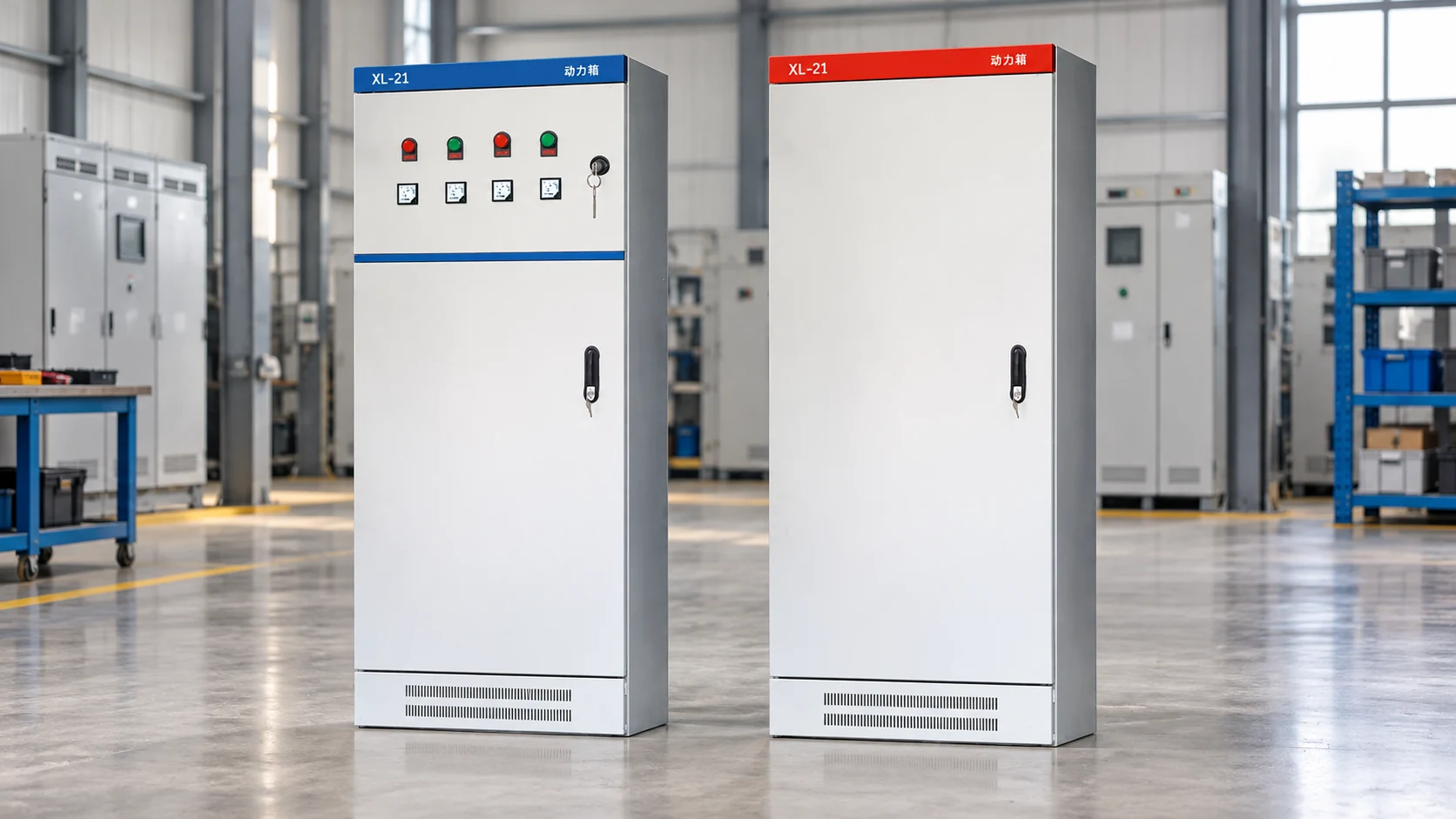
NENA, also known as Zhejiang Xinhang Electric, was established in 1992 and presents inverters, soft starters, control cabinets and distribution products. For a pump project, review the water treatment pump station solution context with the motor and hydraulic data. A soft starter option may suit controlled starting without continuous speed regulation. For a variable-speed design, choose a Frequency Inverter from the duty and documentation requirements.
Frequently Asked Questions
What is a frequency inverter?
A frequency inverter creates a controllable AC output from a fixed-frequency supply so an AC motor can run at a selected speed. It can also manage acceleration, deceleration and protective responses. Select it from duty, supply and installation conditions.
How does a frequency inverter work?
It rectifies AC to DC and switches that DC into an AC waveform with controlled frequency and voltage. Commissioning should verify motor parameters, ramps, current limits and stop or restart behaviour.
What is the main purpose of a frequency inverter?
Its main purpose is to match motor speed and torque to process demand instead of running at one fixed speed. Confirm the load curve and operating hours before estimating energy savings.
Is a frequency inverter the same as a VFD?
In most industrial contexts, yes: frequency inverter, variable frequency drive and VFD describe the same broad class of motor drive. Compare actual input, output, control, overload and compliance specifications; a grid-forming converter is a separate system category.
References
- https://www.iec.ch/
- https://standards.ieee.org/ieee/1547/2018/
- https://www.iso.org/iso-9001-quality-management.html
- https://www.cnca.gov.cn/
The right drive is the one that fits the duty, supply, environment and compliance path; the label alone does not make the selection correct. When the decision reaches motor sizing, cabinet integration or documentation review, contact NENA with the motor nameplate, load profile and destination market so the project can be evaluated against its real operating requirements.