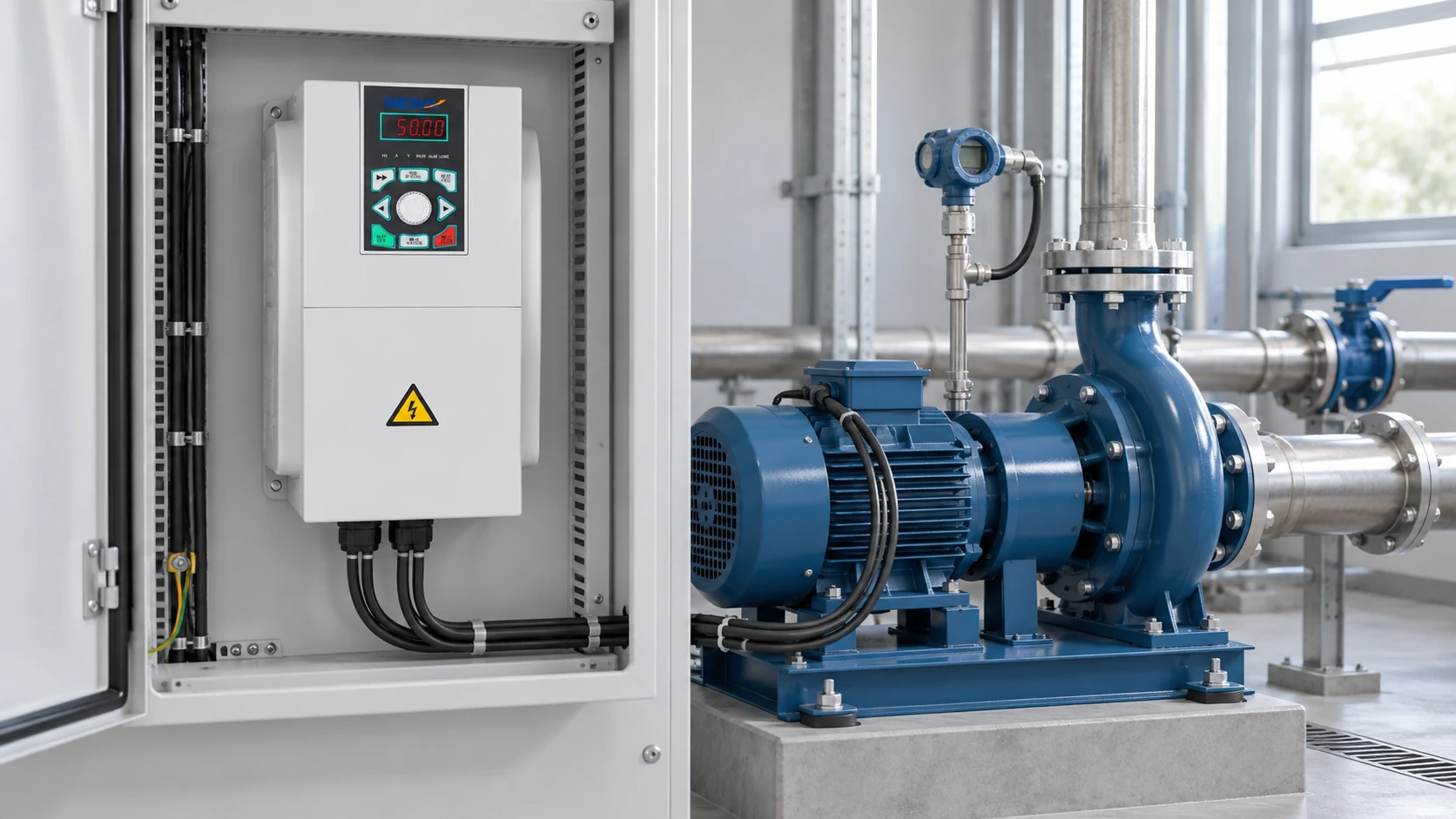
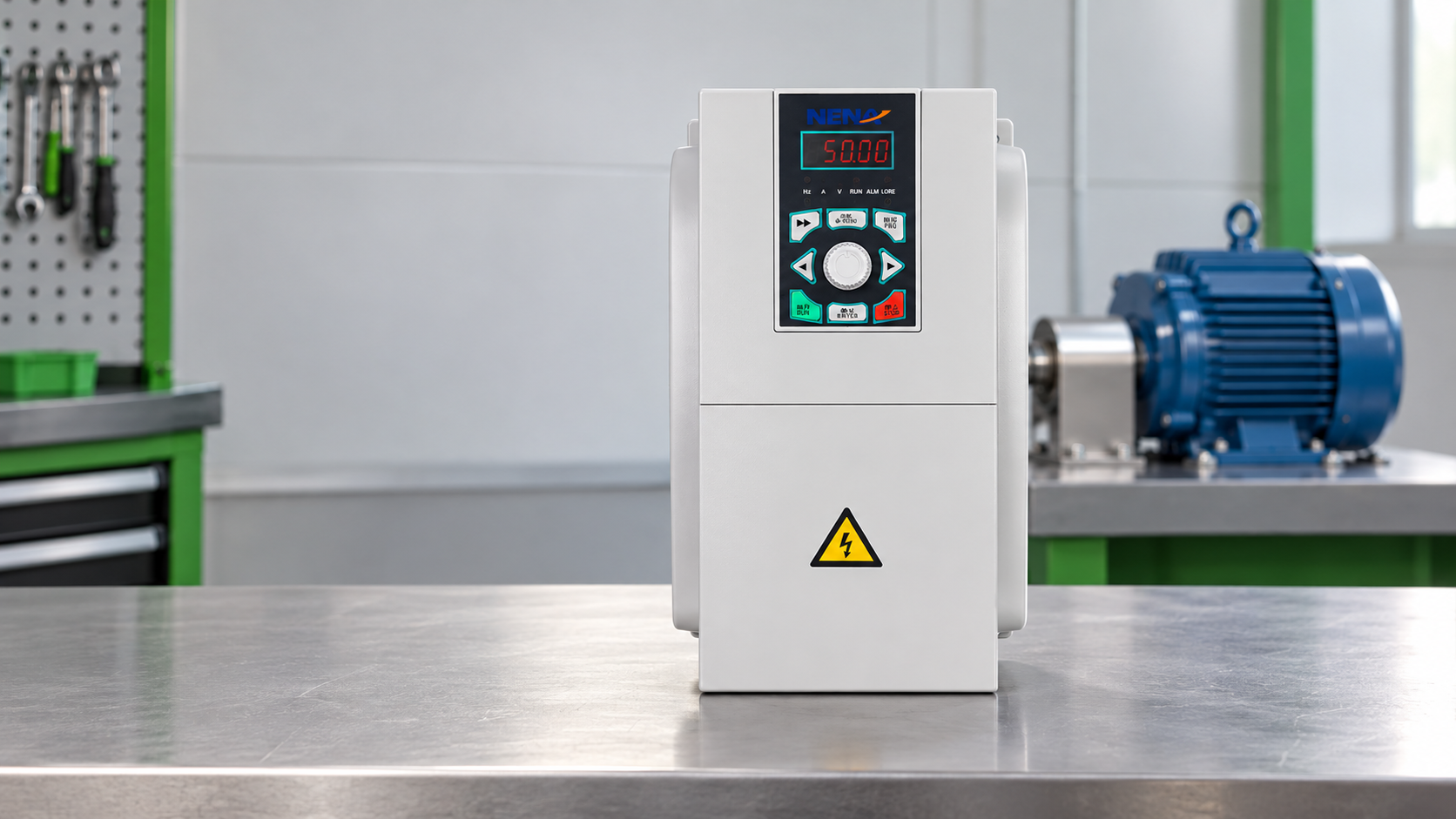
When Li Wei, a plant electrical engineer in Yueqing, Zhejiang, started a 55 kW cooling-water pump after a weekend shutdown, the motor reached speed with a visible belt jolt, a brief voltage dip, and a nuisance trip on a neighboring drive. He replaced the contactor, checked insulation, and repeated the start; the symptom remained. The reversal came when the team reviewed the starting method: the motor had been connected for direct-on-line (DOL) starting, while the pump and utility feeder called for controlled voltage ramping and a correctly sized bypass arrangement. The issue was specification and application fit, not simply a “bad” motor.
Summary: An AC soft starter controls the voltage applied to an induction motor during acceleration and stopping, reducing peak inrush and torque shock compared with DOL. Select by motor current, start time, load torque, starts per hour, bypass duty, enclosure, and the destination market’s requirements, then verify the assembly against IEC 60947-4-2 and applicable GB 14048 rules. A commissioning test should record current, ramp time, thermal status, and protective-trip behavior before the equipment is released to production.
An AC induction motor can draw roughly five to eight times its full-load current during a DOL start, although the exact value depends on motor design and system impedance. A soft start ac controller uses power semiconductors to raise the motor’s RMS voltage progressively, so acceleration follows a configured ramp rather than an instantaneous step. The controller does not set a new steady-state speed; once the motor reaches operating speed, a bypass contactor or the semiconductor path carries the running current.
The practical benefit is a lower electrical disturbance and less mechanical shock to couplings, belts, pumps, and conveyors. It is not a substitute for a variable-frequency drive when the process needs continuous speed control, reversing, or high starting torque at very low speed. The U.S. Department of Energy’s motor-systems guidance also emphasizes looking at the complete motor, transmission, and control system rather than judging a device by nameplate efficiency alone.
Select a current class that covers the motor’s rated current at the actual ambient temperature and altitude. A centrifugal pump usually has a rising torque demand, while a loaded conveyor may need near-constant torque and a longer ramp. Record the target acceleration time—often 5–20 seconds for common pumps, but potentially longer for high-inertia fans—and the number of starts per hour. If the motor cannot accelerate within the thermal model, the starter may trip even when its nominal current appears adequate.
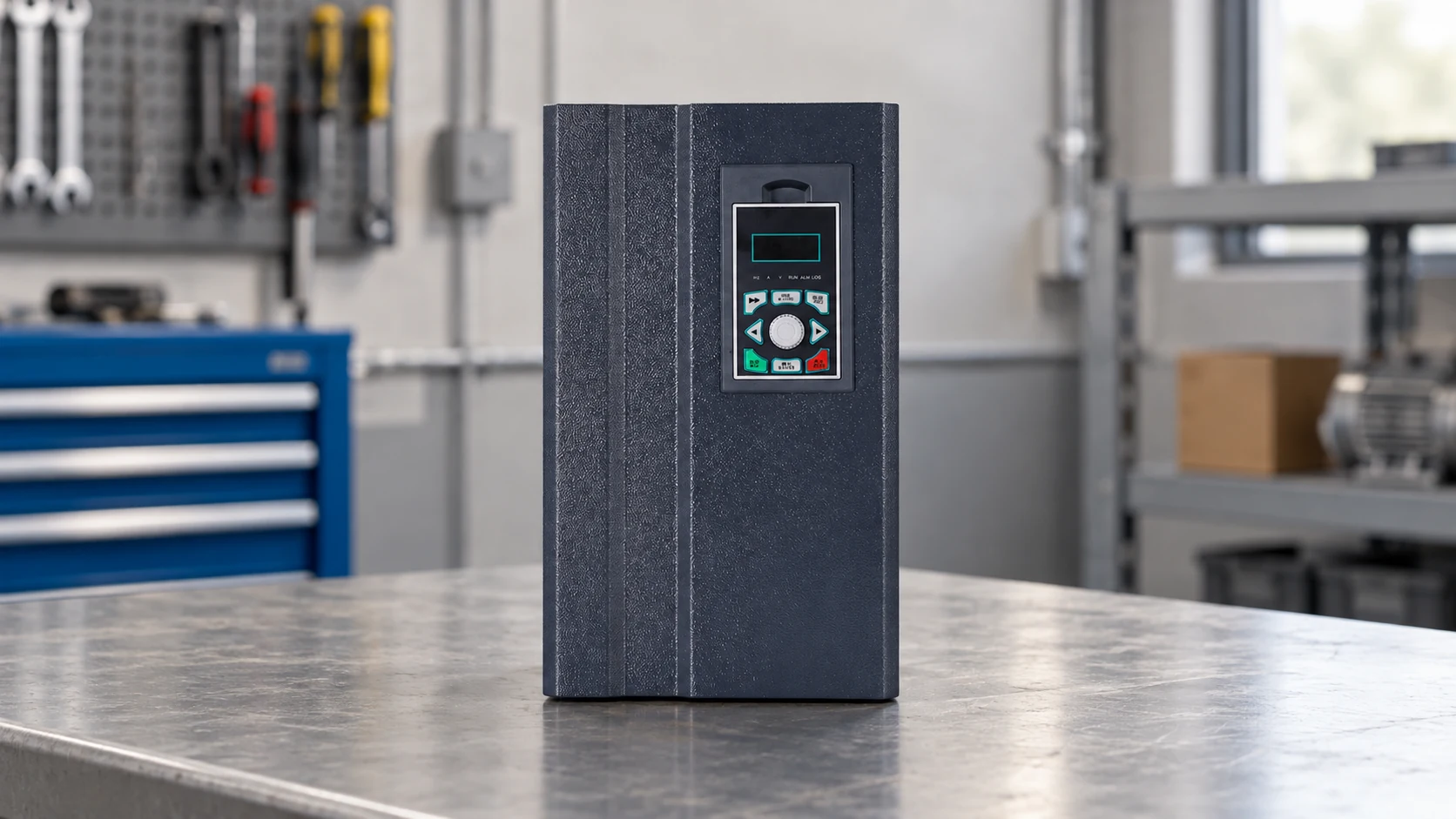
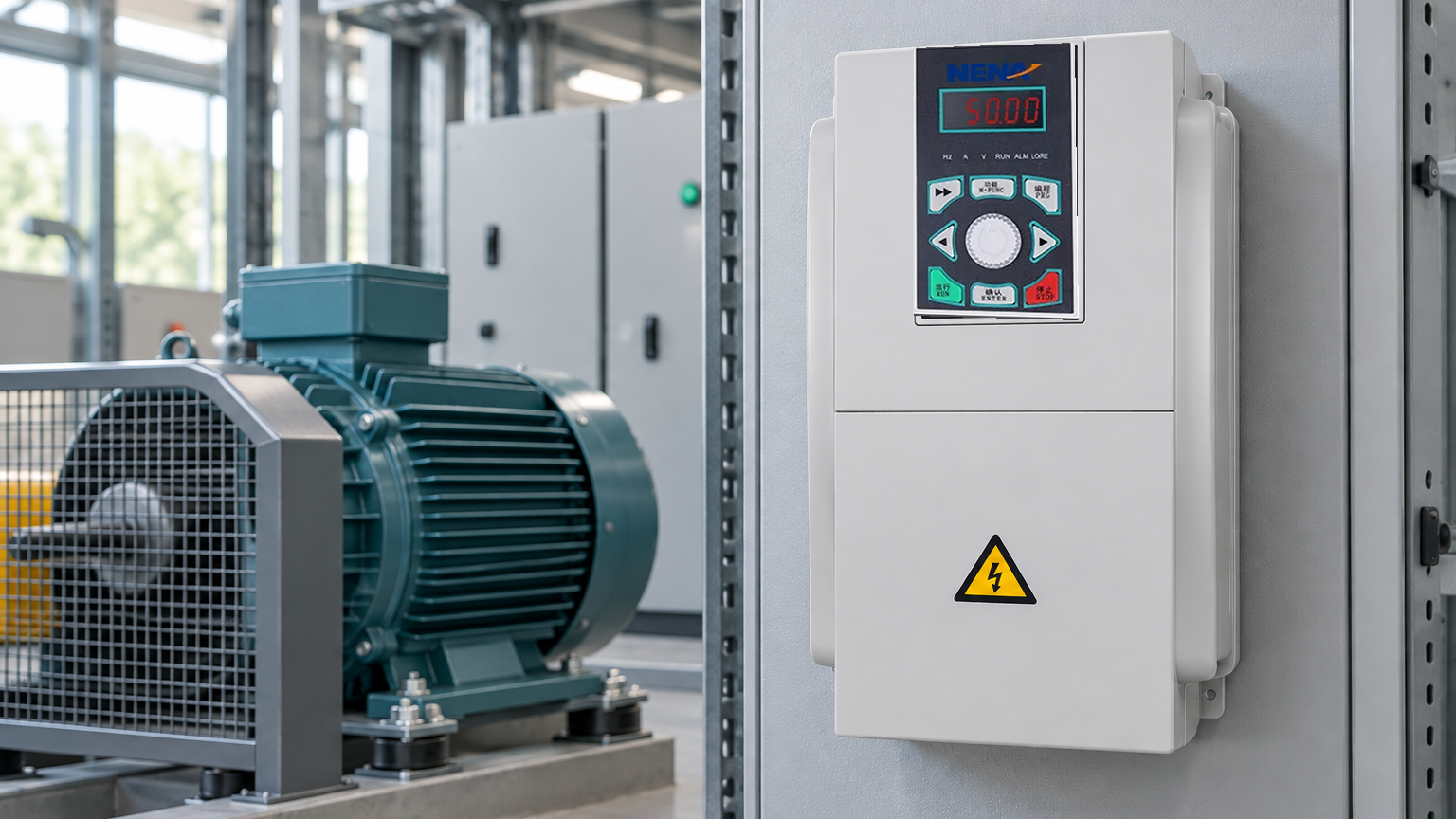
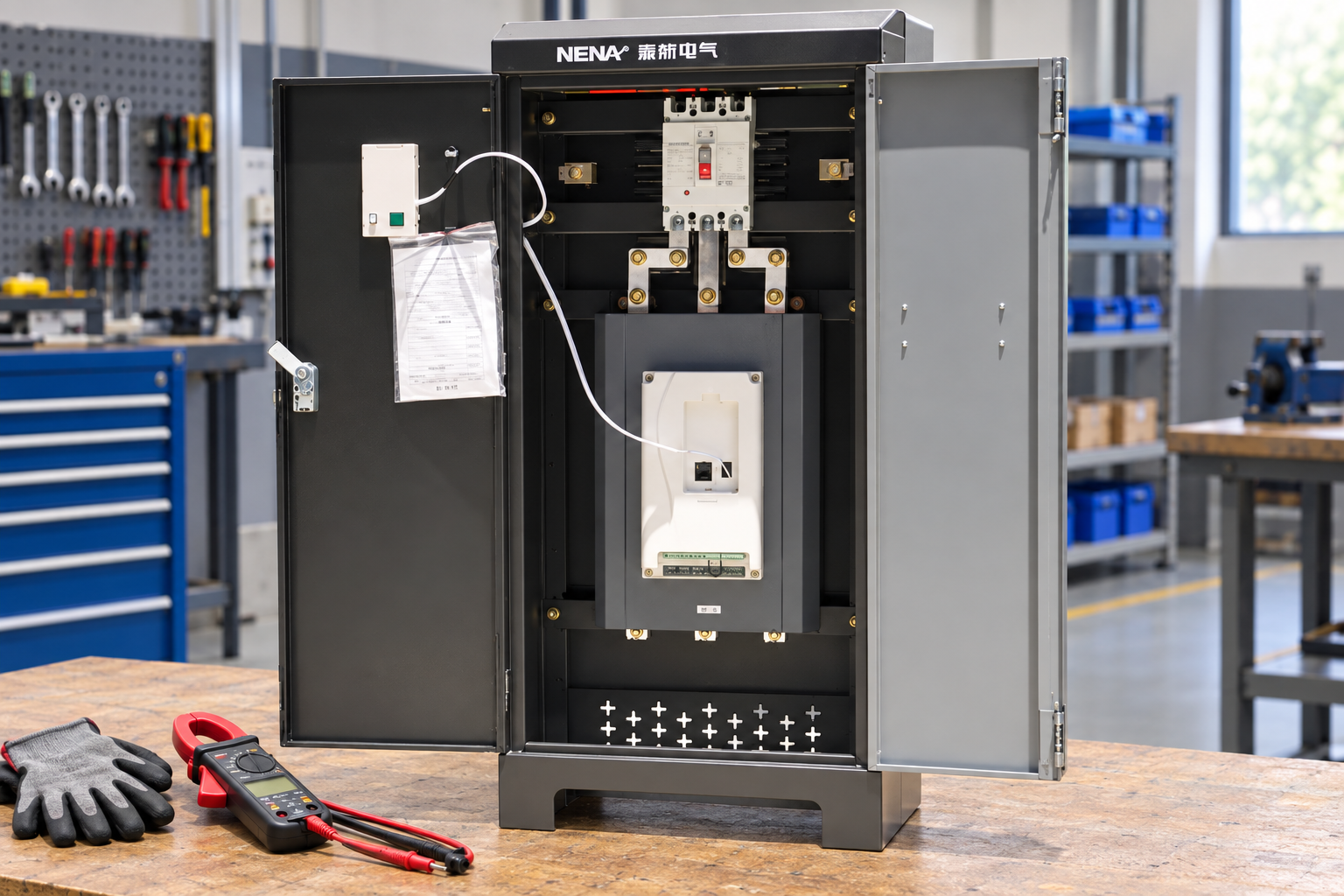
An ac soft start kit is a system, not just a three-phase module. The bill of materials can include semiconductor power poles, bypass contactor, line and motor protection, control transformer, keypad or communications, ventilation, and an enclosure. Confirm whether the quoted current is for in-line or inside-delta connection, and whether the duty rating assumes a particular ambient temperature or starts-per-hour limit.
Before issuing a purchase order, capture the motor nameplate voltage, full-load current, service factor, locked-rotor current, load inertia, cable length, upstream short-circuit current, and available control voltage. Check coordination with fuses or circuit breakers and with the emergency-stop circuit. A test plan should include a no-load run, a loaded run, a restart after thermal warm-up, and verification of fault codes. For safety, isolate and verify zero energy under the site procedure; OSHA’s hazardous-energy guidance is a useful baseline for lockout/tagout planning.
| Decision dimension | DOL starter | AC soft starter | Variable-frequency drive |
|---|---|---|---|
| Starting current | Highest; commonly 5–8× full-load current | Configurable ramp reduces the peak seen by the feeder | Usually lowest with controlled frequency and voltage |
| Mechanical stress | Instant torque step | Reduced torque step; ramp and stop profile are adjustable | Broad control of torque and speed |
| Running speed | Fixed by supply frequency and slip | Fixed by supply frequency and slip | Adjustable for process control |
| Typical hardware cost tendency | Lowest initial cost | Middle; bypass can reduce running losses | Highest initial and engineering cost |
| Best fit | Small, stiff systems with light starts | Pumps, fans, compressors, conveyors needing gentle starts | Variable-speed processes, energy optimization, precise control |
| Maintenance focus | Contacts and overload relay | Thyristor cooling, bypass contacts, settings | Cooling, DC bus, EMC, parameter backup |
The phrase soft start kit for ac can describe a compact retrofit or a complete motor-control cabinet. Environmental details change the selection: dust, washdown, corrosive gas, high altitude, and ambient temperatures above 40 °C can require derating or a different enclosure. Harmonic and EMC conditions also matter where sensitive instrumentation shares the feeder.
| Application | Main sizing question | Useful configuration checks | Evidence to request |
|---|---|---|---|
| Centrifugal pump | Can the motor pass the pump’s rising torque curve? | Voltage ramp, soft stop to limit water hammer, dry-run interlock | Pump curve, motor data, ramp test record |
| Fan or blower | What is the inertia and required acceleration time? | Thermal model, starts per hour, bypass ventilation | Inertia estimate, thermal trip log |
| Conveyor | Will product load be present at start? | Current limit, torque boost option, jam protection | Loaded-start test and fault history |
| Compressor | Does the machine unload before starting? | Restart inhibit, pressure switch logic, phase-loss protection | Control schematic and sequence test |
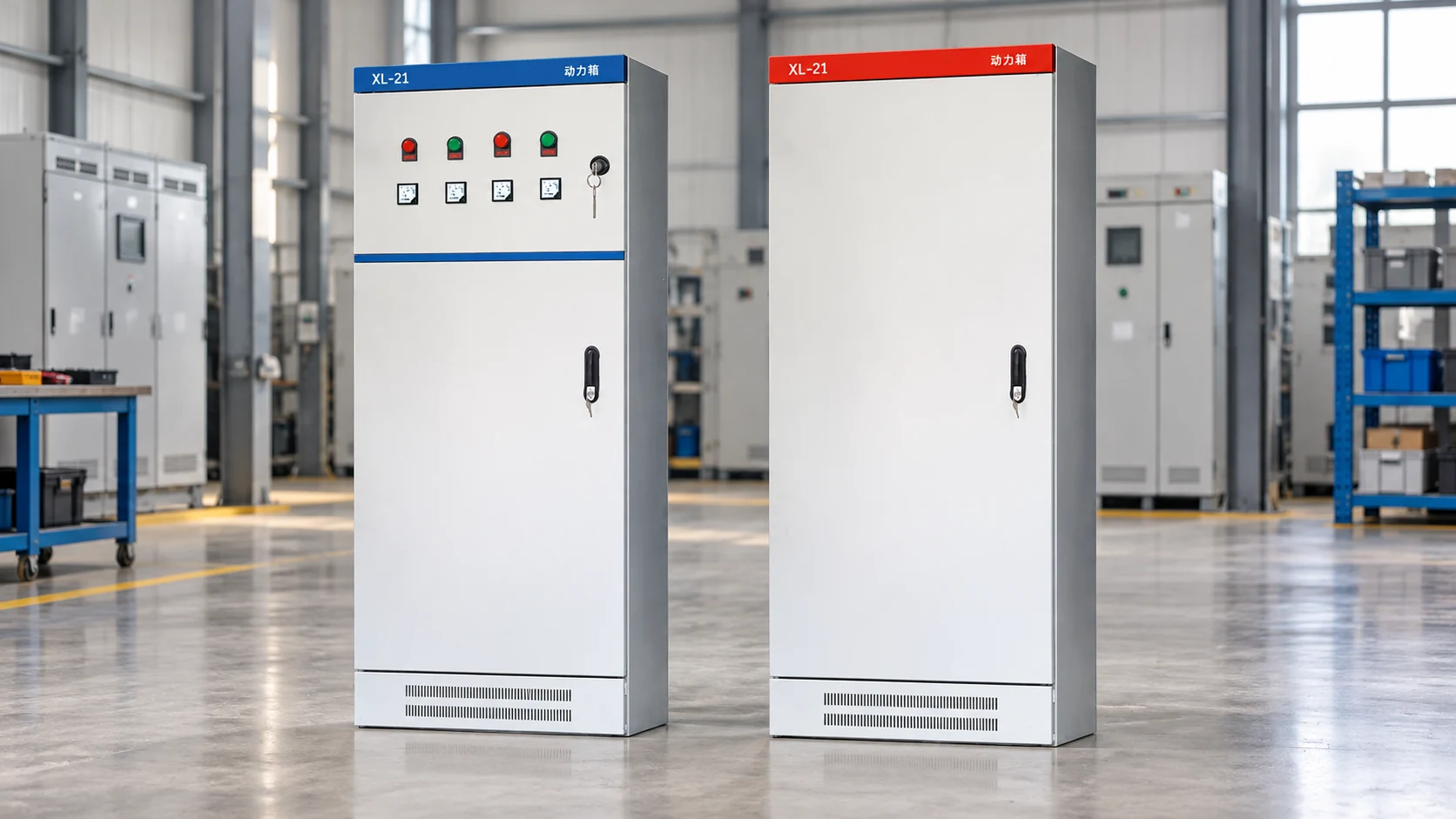
| Retrofit cabinet | Is there room and a safe isolation point? | Enclosure IP rating, cable bend radius, bypass coordination | Panel drawing, terminal schedule, inspection checklist |
For a retrofit, compare the starter’s heat dissipation with the panel’s ventilation. A bypass contactor can reduce semiconductor heating during steady running, but it adds switching components that must be coordinated and inspected. Where a process needs speed regulation after acceleration, evaluate a frequency converter instead of forcing a soft starter to do a drive’s job.
IEC 60947-4-2 covers semiconductor motor controllers and starters, including performance and verification principles; the NEMA MG 1 motor standards page should be checked for the edition applicable to the project. The broader IEC standards overview explains how standards are developed and referenced. For China-bound equipment, confirm the relevant GB 14048.1 and GB 14048.6 requirements, and use the supplied IEC 60470 reference where the project specification calls for it. NENA (Zhejiang Xinhang Electrical) identifies CCC, ISO 9001, National High-Tech Enterprise, and Zhejiang Specialized SME credentials in its supplied brief; verify the exact scope and certificate validity for the shipment and market.
A standard is not automatically a universal product certificate. The buyer should request the declaration or test documentation, rated-duty conditions, short-circuit coordination data, wiring diagram, and protection settings. Marketing a product as compliant without matching the destination voltage, frequency, enclosure, and test conditions can delay approval, invalidate a panel inspection, or create warranty disputes.
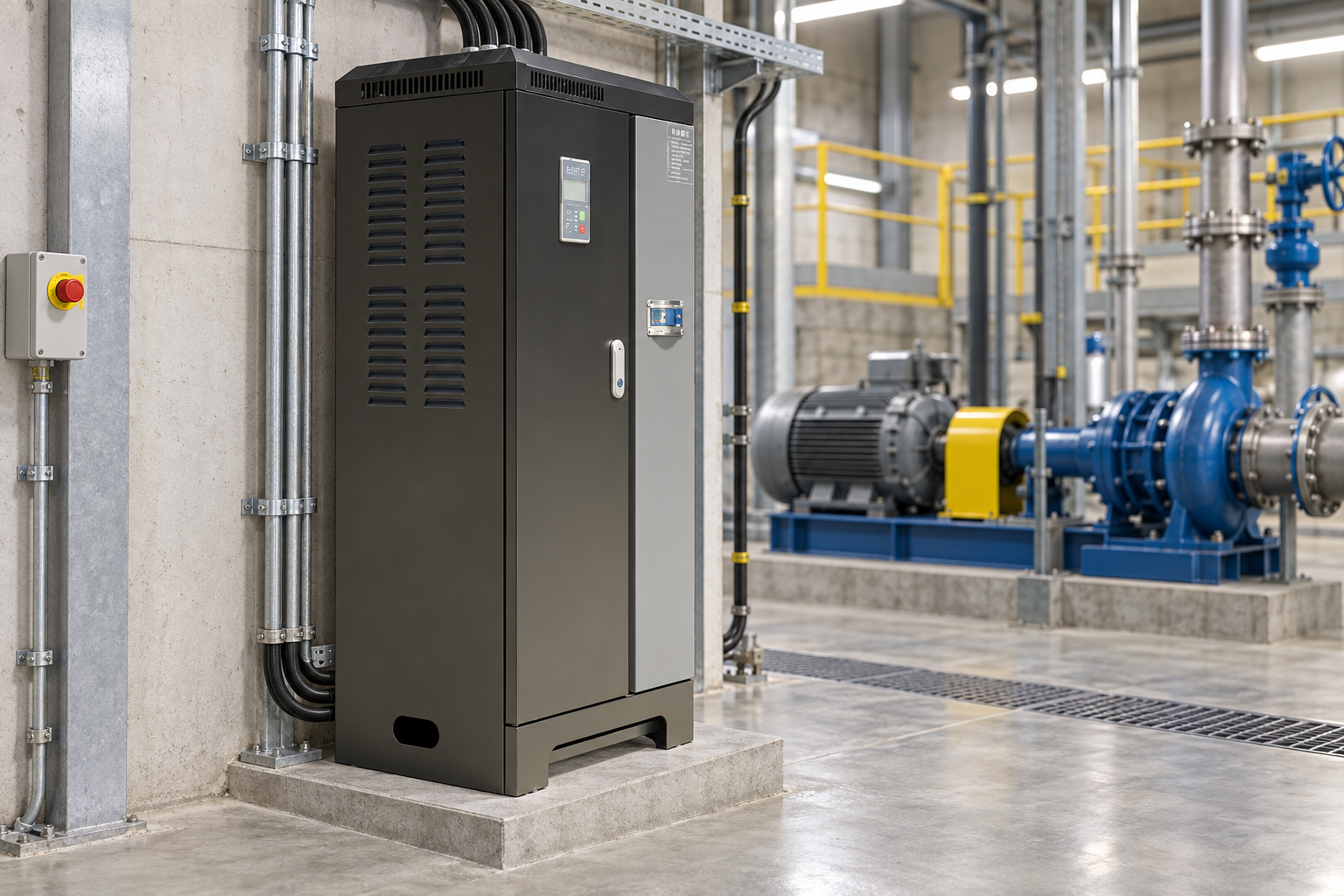
For procurement teams that need a configurable assembly, NENA’s soft starter product range can be reviewed alongside the project’s motor schedule. Where multiple feeders and protection devices must be integrated, the panel design should simplify documentation and site wiring. The right choice still depends on the verified duty and compliance file, not a brand label alone.
AC soft start is a method of ramping motor voltage with power electronics so an induction motor accelerates with less inrush and torque shock than DOL. It generally leaves the motor at fixed line frequency after starting, so it is different from continuous variable-speed control. Confirm the load profile and thermal duty before selecting a unit.
A hard-start or DOL arrangement applies near-full line voltage immediately, producing high inrush and a sharp torque step. A soft start kit for ac limits or ramps voltage and can add a bypass and controlled stop. The better option depends on feeder strength, load inertia, starts per hour, and whether speed control is required.
Trend motor current and acceleration time during a loaded start, then compare them with the commissioning record. You should see a controlled ramp, no unexpected semiconductor or overload trip, and a stable bypass transition if fitted. If current remains high or the motor stalls, check settings, phase sequence, mechanical load, and thermal derating before increasing limits.
“Easy start” is often a trade name or informal description, while “soft starter” identifies a control method; the names alone do not establish performance. Compare rated duty, test evidence, protections, service support, and compliance documentation. A soft start ac solution is appropriate when gentle acceleration is the goal; a drive is better when the process needs adjustable speed.
Usually not. A soft starter manages acceleration and sometimes deceleration at a fixed supply frequency, whereas a drive controls frequency and speed during operation. Use the process sequence and energy case to decide, and do not promise speed savings from a starter that cannot vary speed.
The memorable rule is simple: start with the load, prove the duty, then choose the hardware. If you are preparing a motor schedule or retrofit specification, contact NENA to discuss a documented ac soft start kit, a panel package, or the boundary conditions that may point to a drive instead. For integrated feeder documentation, review NENA’s complete control cabinet.