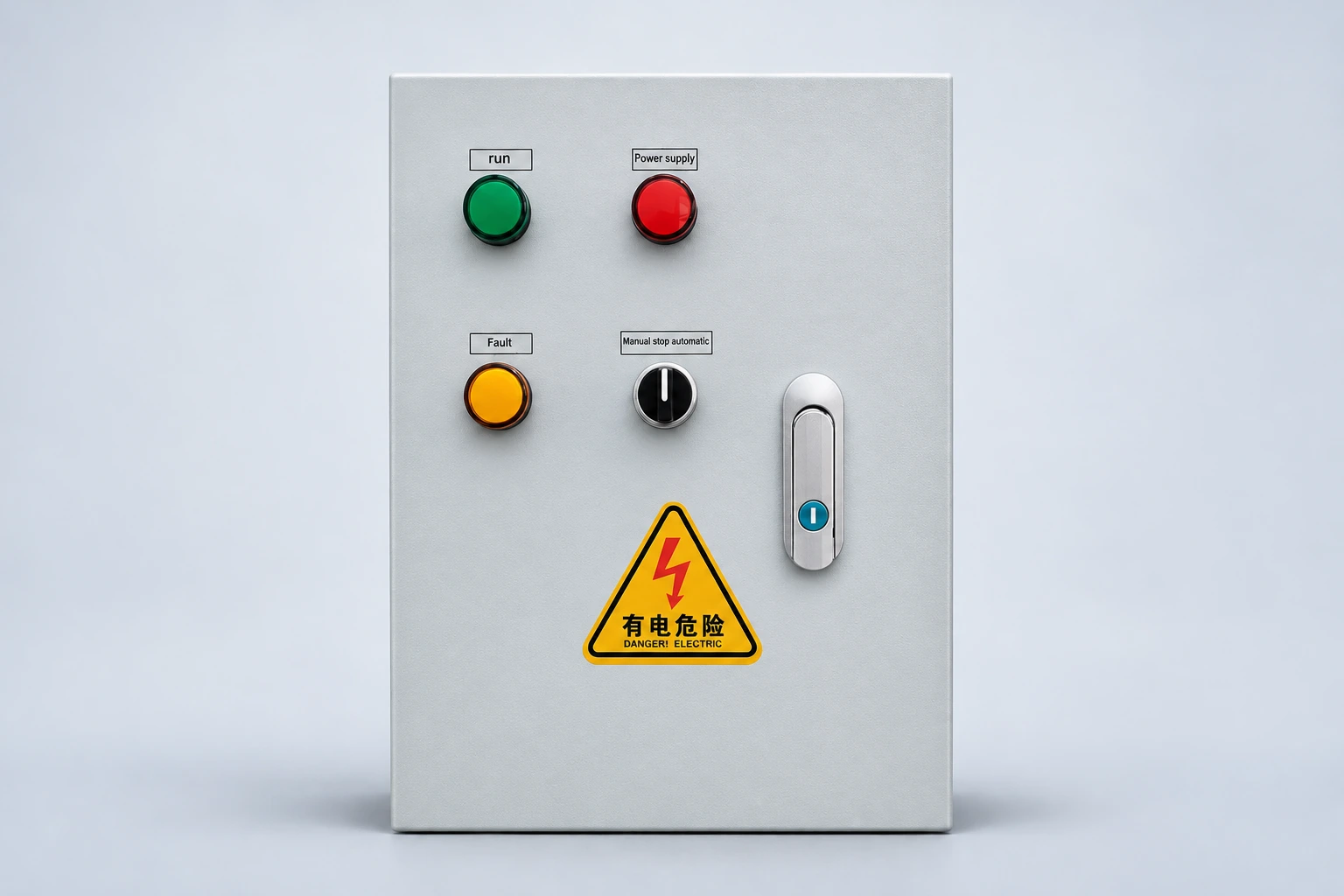
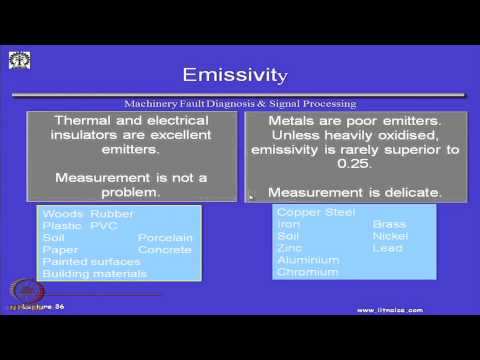
A switchgear infrared inspection is useful only when the report identifies what was actually visible, the operating load, and the follow-up needed for each finding. A colorful image of a closed steel door does not establish the condition of hidden bus connections. Begin by agreeing the equipment list, safe access method and load window with the facility team. Then require traceable images, stated limitations and a repair owner. This guide helps maintenance managers and buyers define that scope for low-voltage distribution equipment; it is not permission to open energized cabinets or a substitute for a qualified electrical inspection procedure.
Decide whether the survey is a baseline after commissioning, a routine condition review, a response to an abnormal smell or trip, or verification after a repair. These purposes need different comparisons. A baseline should cover the agreed route consistently, including equipment with no observed anomaly. A troubleshooting visit should preserve the event history and identify which circuit was operating when the symptom occurred.
Write the intended decision beside each item. For example, a facilities manager may need to know whether an outgoing feeder requires an outage investigation before a production expansion. That is more useful than requesting a generic thermal certificate. The report should distinguish an observation from a diagnosis, and a diagnosis from authorization to return equipment to service.
The US Department of Energy’s operations and maintenance guide describes thermography as a way to locate problems that then need diagnosis. That distinction matters: thermal evidence can direct maintenance, but it does not independently prove the cause or certify every concealed component.
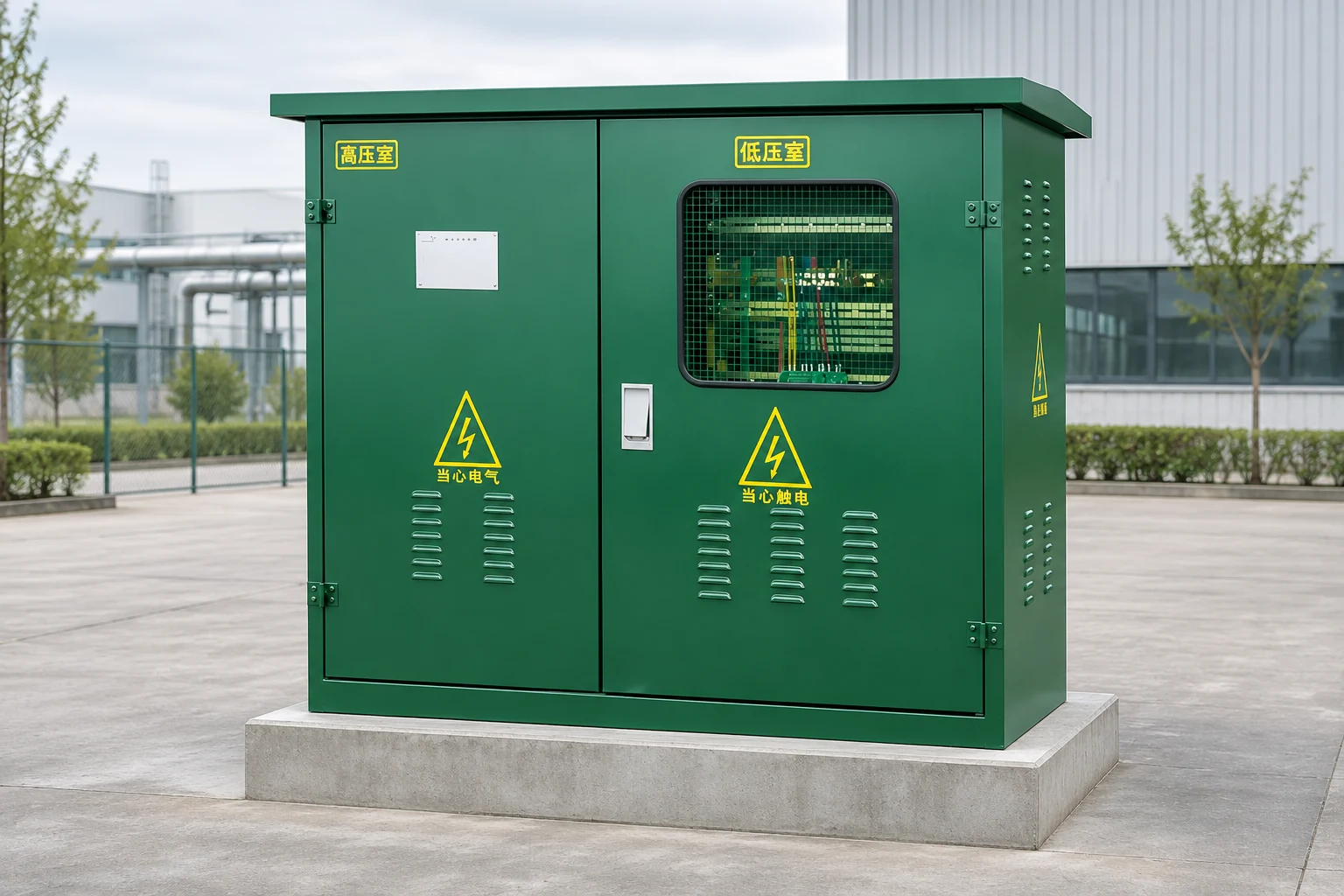
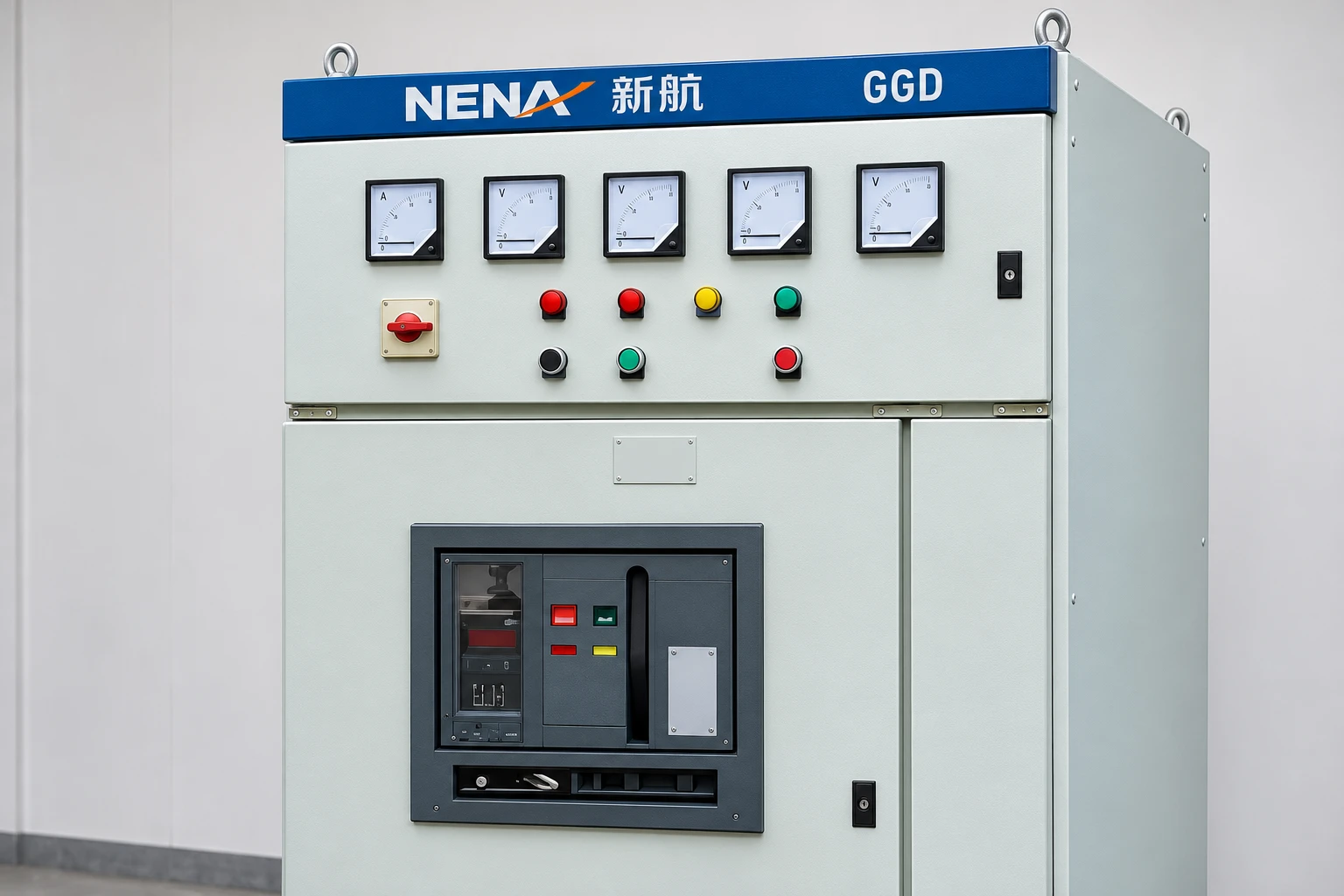
NENA’s GGD AC low-voltage distribution cabinet is an example of the equipment family considered here. Its visible meters, breaker face and closed enclosure help identify the assembly. They do not show every internal connection. The product photograph does not establish that infrared windows, continuous temperature sensors or remote thermal monitoring are installed.
Request the supplied assembly drawing, circuit schedule, equipment rating and available access instructions. Match the asset identifier on the survey route to the equipment in the room. A panel name used in a maintenance spreadsheet may differ from the name on an old drawing, so resolve that discrepancy before a finding is attached to the wrong feeder.
For a wider procurement discussion, the motor control cabinet selection guide provides the surrounding equipment context. The present inspection scope concerns thermal evidence and maintenance decisions, rather than choosing a cabinet architecture or specifying its short-circuit rating.
A thermal camera detects infrared radiation from surfaces within its usable view. It cannot inspect concealed connections through an ordinary steel enclosure. An external surface survey and an inspection of accessible internal components therefore have different coverage. Record which one was performed. Do not describe an external scan as a complete internal survey.
Where a suitable installed inspection window exists, its compatibility, field of view and condition still need assessment. A window that exposes one connection may leave another obscured. Where no suitable viewing path exists, refer the limitation to the responsible engineer. Do not improvise an access hole, remove barriers or change the enclosure arrangement to finish a route.
The HSE’s safe working practices guidance emphasizes planning, competent people and the decision between dead and live work. Inspection access and repair access are separate tasks. A survey quotation should identify who approves the method, who controls the area, and how unexpected conditions stop the work.
Ask operations which equipment will be loaded during the proposed visit. A lightly loaded feeder may provide limited evidence of a load-dependent problem. Record the actual operating state rather than copying a generic load percentage into every report. Production schedules, standby duty and intermittent machines can all affect what the survey can reveal.
A useful record includes equipment identity, date and time, relevant load readings when safely available, ambient conditions, the visible target, and the camera setup used by the thermographer. Preserve an ordinary photograph alongside the thermal image so that another person can locate the same part later. If a reading was unavailable, label it unavailable rather than estimating it from breaker size.
The ASNT discussion of electrical thermography explains why load, surface characteristics and reflected radiation affect interpretation. A bright patch is an observation requiring assessment, not automatic proof of a loose connection. Avoid using an unverified temperature difference as a universal shutdown rule.
The following qualitative checklist is an original purchasing and handover framework. It contains no universal temperature limits. Technical acceptance criteria must come from the applicable maintenance program, equipment documentation and responsible assessor. Use it to review whether a report supports an identifiable next step.
| Report item | Useful evidence | Question before acceptance |
|---|---|---|
| Asset identity | Cabinet and circuit identifiers linked to ordinary photographs | Can the maintenance crew locate the exact item? |
| Coverage | Visible components and inaccessible areas listed separately | Does the conclusion stay within the inspected area? |
| Operating context | Recorded duty and available load information | Was the equipment operating in a meaningful condition? |
| Finding | Thermal image, comparison basis and stated uncertainty | Is the suspected cause distinguished from a confirmed cause? |
| Follow-up | Responsible person, recommended investigation and review date | Who will decide and document the next action? |
| Closure | Repair record and verification under recorded conditions | What evidence shows the issue has been addressed? |
Ask for the report format before the visit. A sample with clear asset references is easier to assess than a promise of a large number of images. Keep the original image files where the maintenance program requires later analysis; a compressed picture pasted into a presentation may omit useful measurement information.
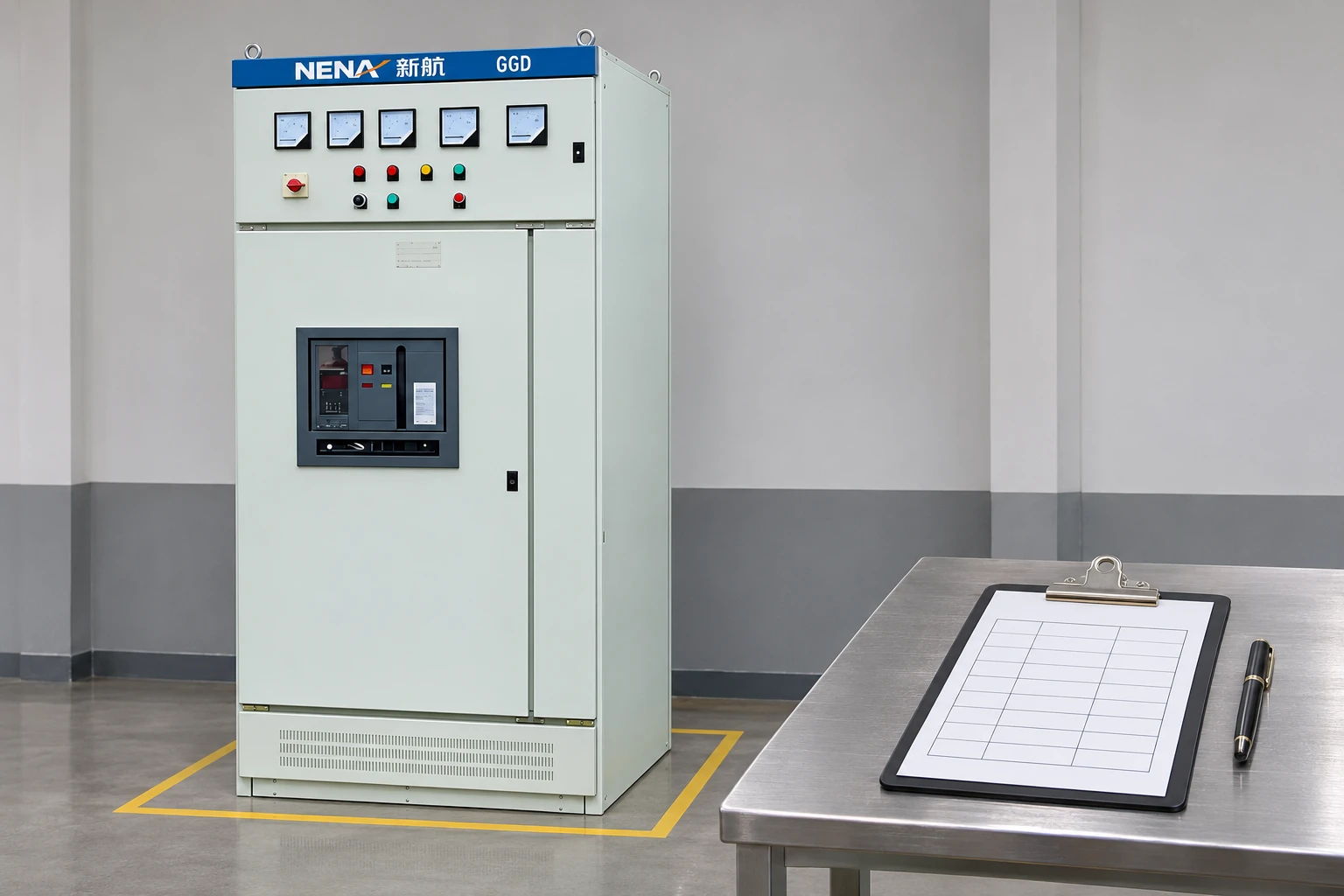
Use distinct outcomes for an observed anomaly, no anomaly observed under the recorded conditions, and not inspected. Combining them in one green summary can hide important gaps. A feeder that was idle is not equivalent to a feeder reviewed under meaningful load. A concealed joint is not equivalent to an accessible joint with no observed abnormal pattern.
Make the limitation specific. “Internal connections not visible through the closed enclosure” gives the owner a concrete coverage issue to resolve. “Unable to test” does not explain whether the restriction was access, operating duty, identification or equipment condition. Precise limitations help the next contractor plan the missing work without repeating the entire visit.
Do not expect this survey to replace functional protection tests, insulation assessment, mechanical checks or connection inspections during a planned outage. Use the finding to select the appropriate follow-up. If equipment shows signs of immediate danger, the site’s competent authority should assess it promptly through the established response procedure.
A useful work order names the affected asset, attaches the evidence, states the proposed investigation and identifies the person responsible for the decision. It should also record the operational consequence of an outage. For a critical feeder, planning may involve temporary supply arrangements or a production stop; those choices belong with operations and engineering.
Do not translate a suspected high-resistance connection directly into an instruction to tighten an energized terminal. Repair methods, torque requirements and component suitability need the equipment documentation and an approved safe work plan. An inspection contractor’s recommendation is an input to that plan, not authorization to bypass it.
When a repair is complete, retain the as-found condition, actual corrective action and verification record. Compare follow-up evidence under suitably documented conditions. If the original load cannot be reproduced, describe that limitation. A cooler image taken when the machine is idle does not close a load-dependent finding by itself.
Repeated coverage gaps can inform the specification for replacement equipment. Discuss inspection access, identification, documentation and maintainability with the supplier during design review. Require confirmation of the features actually supplied. Do not assume that a product family name guarantees inspection windows, sensors or a particular internal separation arrangement.
Keep related maintenance issues in their own records. The prefabricated substation maintenance checklist addresses a broader assembly review, while the withdrawable switchgear positions guide discusses operating positions. Neither topic should be treated as evidence that this fixed GGD cabinet has a withdrawable mechanism.
For an inspection enquiry, provide the equipment list, available drawings, intended decision, operating schedule and known access restrictions. Request a defined deliverable and a clear treatment of inaccessible areas. This makes competing quotations easier to compare and helps prevent a low-cost external scan being mistaken for a comprehensive internal assessment.
The NPTEL lecture below provides background on thermography and condition monitoring. Use it to understand the method’s purpose and limitations. Site access, electrical work and equipment release still require the approved local procedure and qualified personnel.
No. A closed steel door blocks the direct view of concealed connections. An external surface survey must state its coverage limitation. Suitable installed infrared viewing arrangements require their own assessment.
No. It describes the observed surfaces under recorded conditions. Hidden components, intermittent faults and issues requiring other test methods can remain outside the survey’s scope.
No. The responsible assessor must evaluate the evidence and operating context. A thermal anomaly is not a universal diagnosis, and repair instructions must follow the equipment documentation and approved work plan.
Request asset identification, visual and thermal images, operating conditions, coverage limitations, the comparison basis, recommended follow-up and a responsible owner. Keep repair verification connected to the original finding.