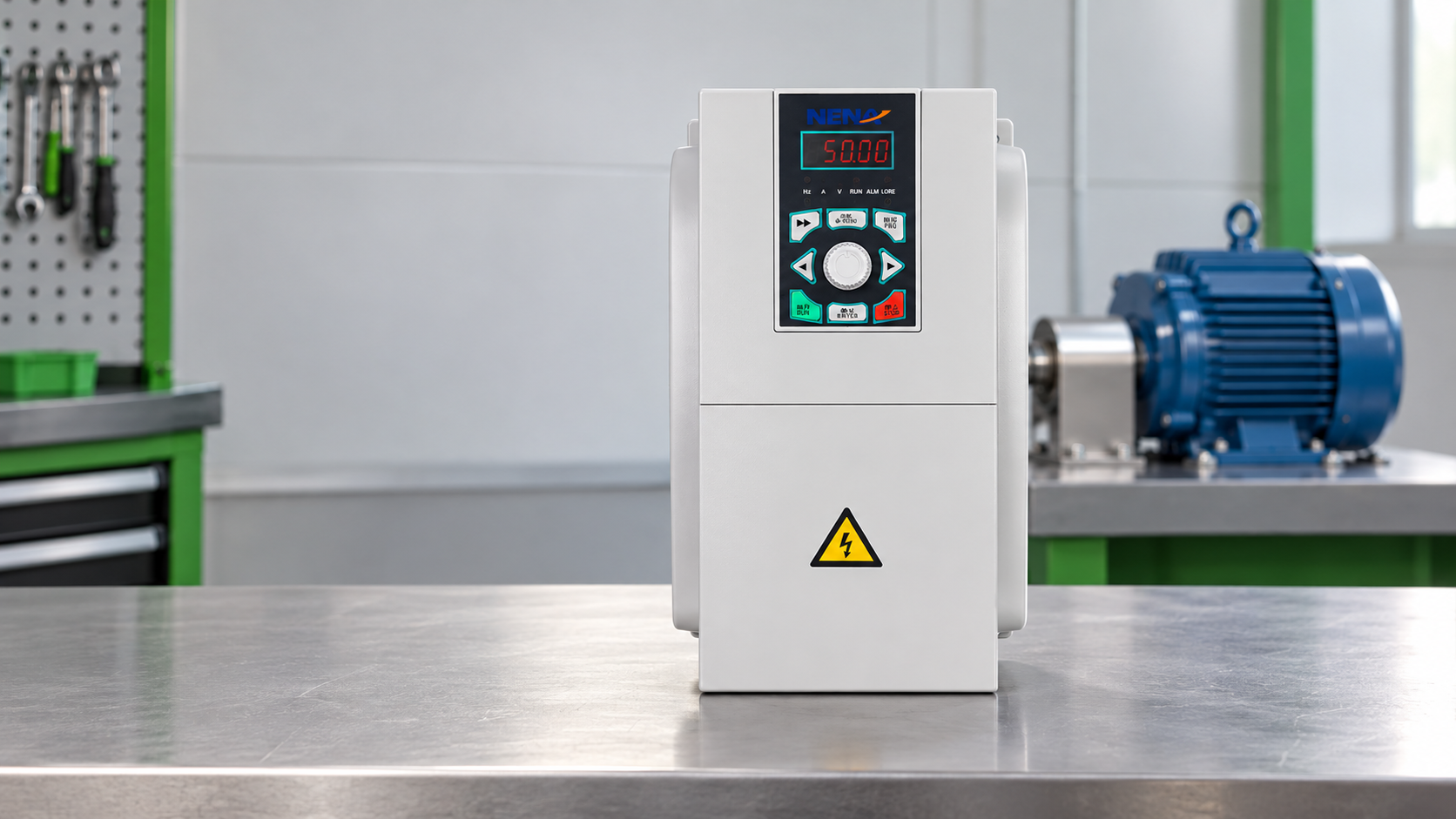
What a motor soft starter does during reduced-voltage starting
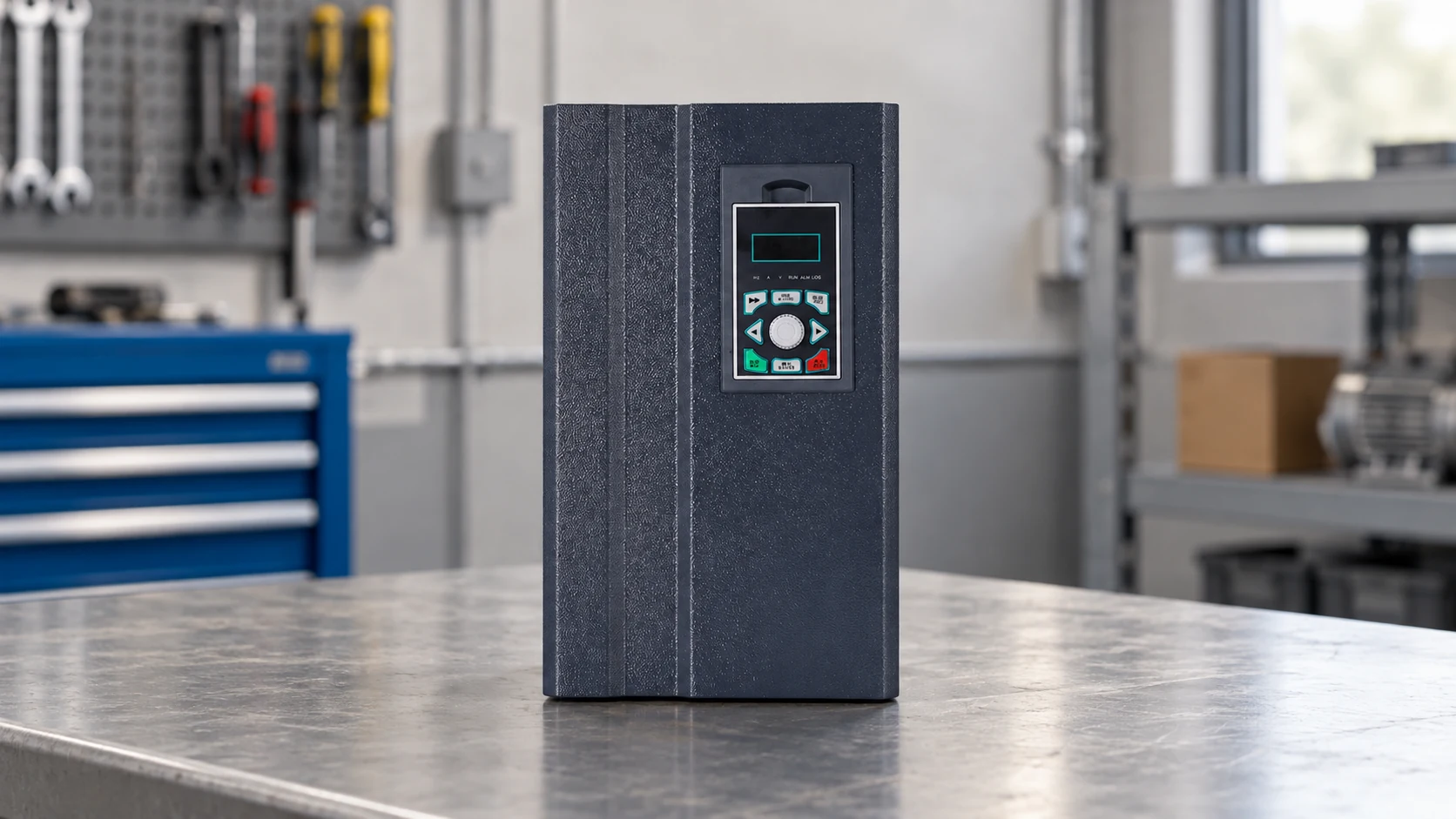
A motor soft starter sits between the supply and a fixed-speed AC motor. Instead of applying full line voltage instantly like a direct-on-line contactor, it uses back-to-back thyristors or similar semiconductor switching to increase voltage over a defined ramp. The motor still runs at line frequency after starting, so the device is primarily for smoother acceleration and stopping, not continuous speed regulation.
The engineering reason is torque. For an induction motor, starting torque is strongly related to applied voltage; if voltage is reduced too far, the motor may pull high current for longer without accelerating. If voltage rises too fast, the feeder and mechanical system still see a harsh start. A correctly configured motor soft start balances initial voltage, current limit, ramp time, and kick-start settings against the real load.
The hidden cost of poor selection is usually not the starter price. It is nuisance tripping, overheating, water hammer, belt shock, contactor wear, or delayed commissioning. For a 55 kW pump, one failed acceptance test can cost more than a light-rated unit saves.
How motor soft start control reduces inrush and torque shock
Motor inrush is the short-duration current drawn while the rotor is near standstill. Direct-on-line starting may produce a peak several times full-load current, depending on motor design, source impedance, cable length, and load inertia. A motor soft start raises voltage gradually, so the electrical system sees less abrupt demand and the machine sees lower torque shock.
Commissioning should verify the result rather than rely on a catalog phrase. Use a true-RMS clamp meter, power analyzer, or starter event record to capture peak current, start duration, voltage dip, and thermal state. For pumps, record valve position; for compressors, check unloaded-start logic.
Bypass is another key concept. A built-in bypass design transfers current through an internal path after the ramp, reducing heat in the semiconductor stack during steady operation. An external bypass soft starter uses a separate contactor or cabinet scheme. Compare thermal duty, protection behavior, and maintenance access before standardizing a panel design.
| Starting method | Best fit | Limitations | Procurement check |
|---|---|---|---|
| Direct-on-line starter | Small motors, strong supply, simple loads | High inrush and high mechanical shock | Confirm feeder capacity and mechanical tolerance |
| Star-delta starter | Selected low-inertia motors with correct winding access | Step transition can still disturb torque and current | Confirm six leads, timing, and transition method |
| Soft starter with bypass | Pumps, fans, conveyors, mixers, and fixed-speed machinery | No continuous speed control after acceleration | Check current rating, starts per hour, bypass duty, and enclosure heat |
| Variable frequency drive | Processes needing speed control or energy optimization | Higher EMC, parameter, harmonic, and motor-insulation considerations | Check motor compatibility, filters, control method, and duty cycle |
Motor soft start kit procurement and application sizing
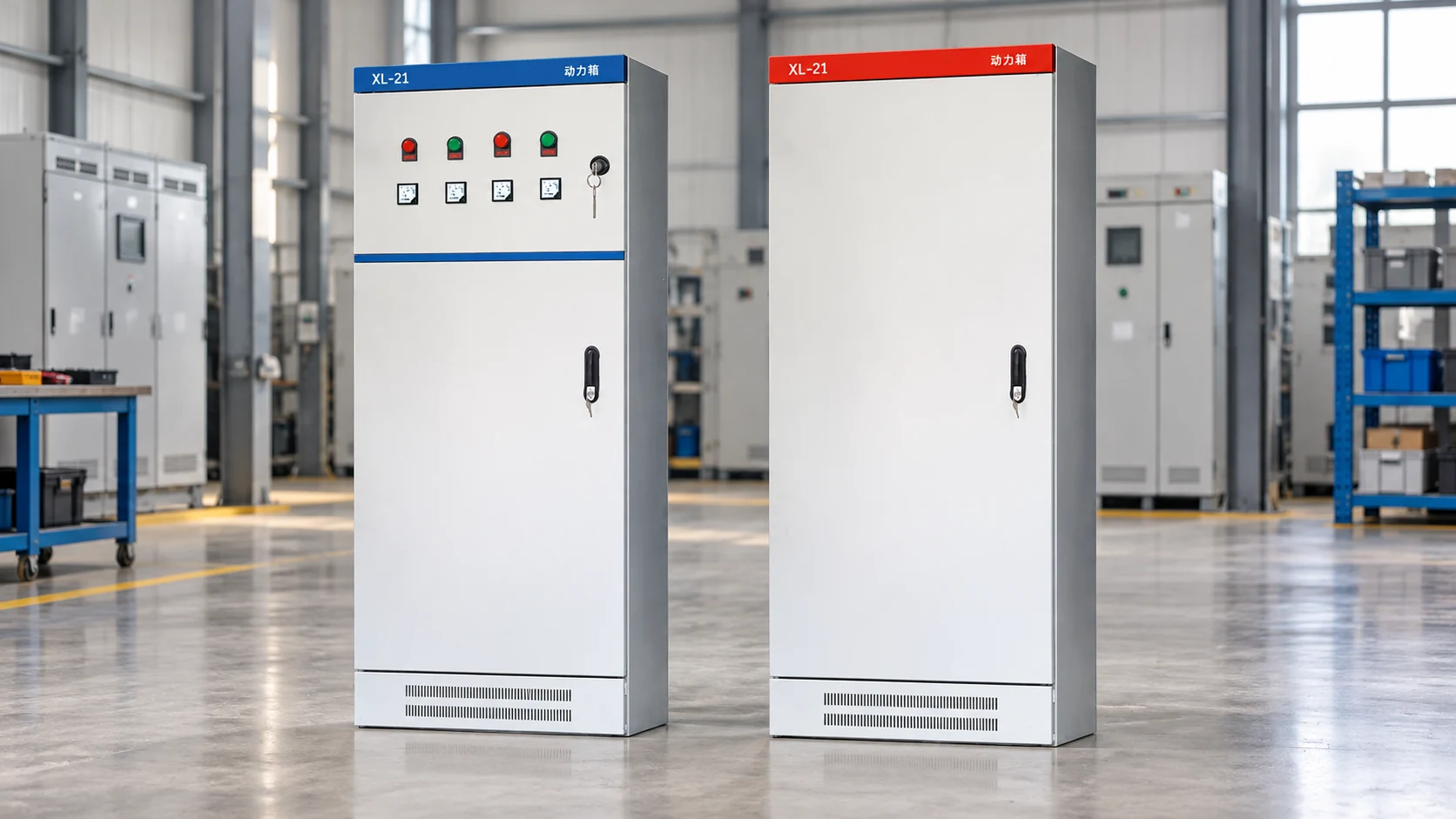
A motor soft start kit is not only the controller. In a panel build, it may include the soft starter, bypass contactor if external, breaker or fuses, terminals, control transformer, ventilation, operator interface, control wiring, and documentation. For OEM panel builders, the kit boundary matters because warranty and compliance responsibility can shift when components are mixed.
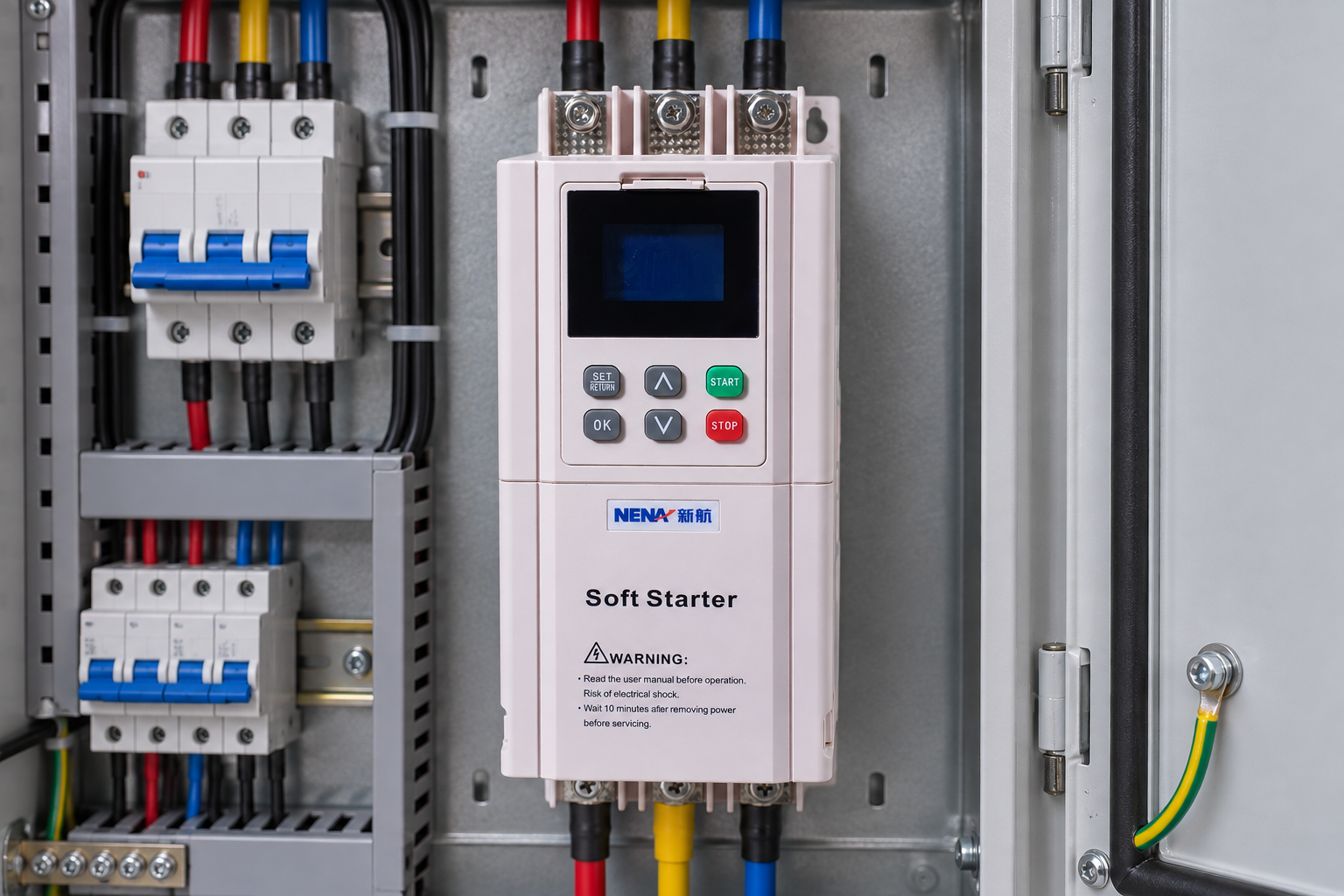
Start with the motor nameplate: voltage, phase, rated current, kW or horsepower, frequency, service factor, and duty. Then add the load profile: pump, fan, compressor, conveyor, or crusher. Required starting torque and acceleration time are often more important than nominal power.
For an illustrative calculation, assume a 75 kW motor with 140 A full-load current and a pump that starts six times per hour. A starter selected only as “75 kW” may still be wrong if cabinet ambient is 45 degrees C or the pump starts against high static head. The safer specification calls out rated operational current, overload setting, starts per hour, cooling clearance, short-circuit protective device, and bypass arrangement.
| Application | Common starting problem | Soft starter focus | Acceptance test |
|---|---|---|---|
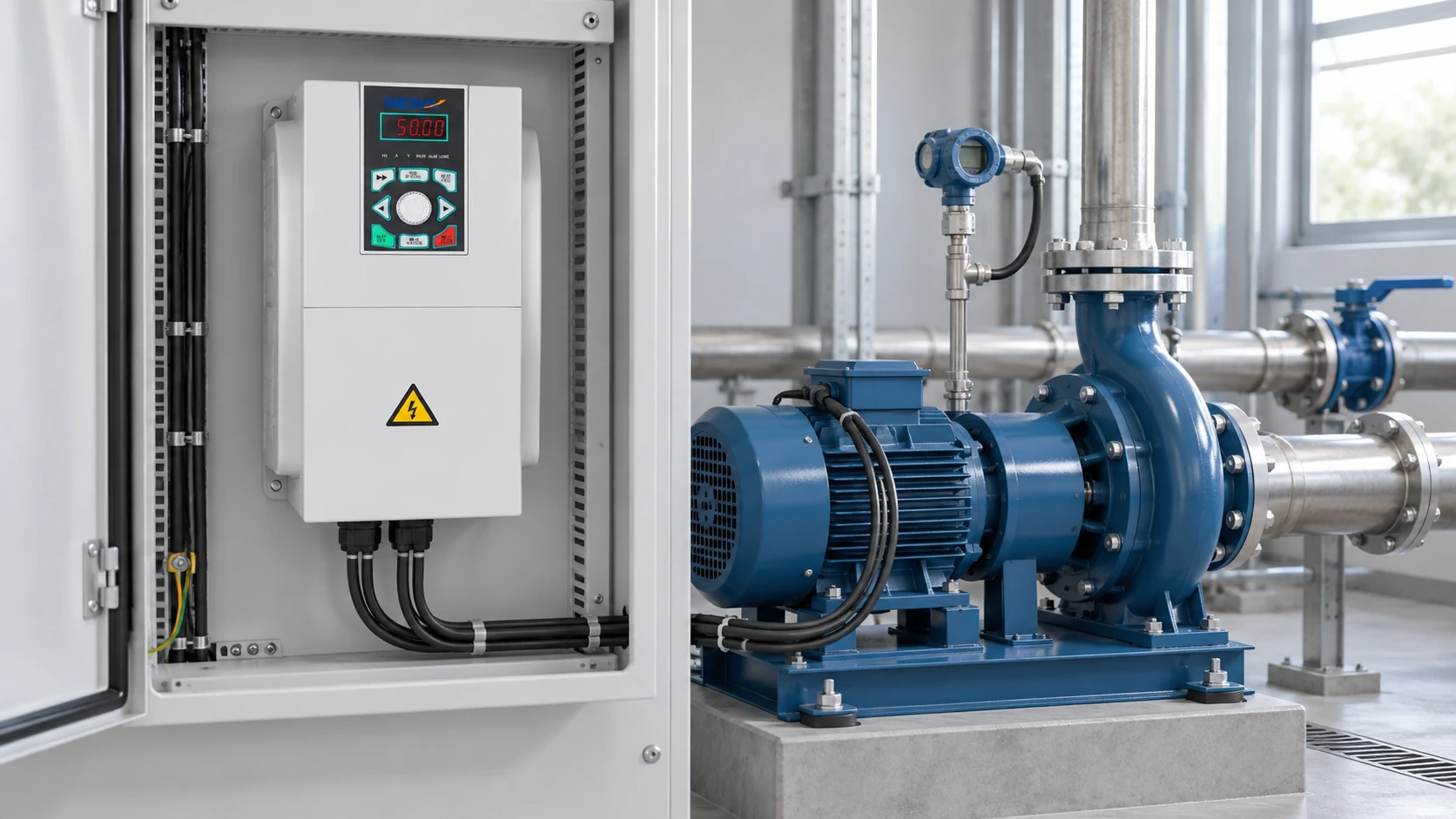
| Water treatment pump stations | Water hammer, feeder dip | Ramp-up, soft stop, bypass heat | Measure current and pressure rise |
| Fans and blowers | Long acceleration and overload trips | Current limit, ramp time, damper position | Record acceleration and thermal state |
| Compressors | High torque at restart | Unloader logic, restart delay, protection coordination | Verify unloaded start and restart interval |
| OEM cabinets | Space, heat, documentation gaps | Bypass, terminal access, drawings | Heat review and control test |
For pump-duty projects, review the hydraulic system, not just the panel. NENA’s water treatment pump station context helps align motor starting with valve timing, pressure control, and cabinet layout.
Standards and compliance for motor soft starter projects
IEC 60947-4-2 covers AC semiconductor motor controllers and starters, including equipment with and without bypass means. UL 60947-4-2 is the harmonized North American path for this product category; the UL listing page states a rated voltage scope up to 1,000 V AC and notes that suitable short-circuit protection belongs in the installation. These are product-safety and performance frameworks, not automatic approval for a complete cabinet in every country.
NEMA MG 1 is relevant because it addresses motors and generators, including motor characteristics that affect starting behavior. It does not certify a specific starter selection. NFPA 70E is relevant to work practices because soft starter commissioning often happens inside energized industrial panels; it is an electrical safety standard for the workplace, not a product certificate.
Unsupported compliance wording creates risk. “Designed according to IEC 60947-4-2” is not the same as a certificate for a specific model, and a component listing is not the same as a listed complete cabinet. Request the certificate, test report, wiring diagram, manual, coordination data where available, and destination-market labeling requirements.
Selection guide: choosing a motor soft starter without overbuying
The selection process is short but disciplined. First, document motor full-load current, not only kW. Second, classify load torque and inertia. Third, define starts per hour, ramp time, ambient temperature, altitude, enclosure size, and bypass method. Fourth, confirm overload, phase loss, phase sequence, underload, overcurrent, and short-circuit protection. Fifth, require a commissioning record.
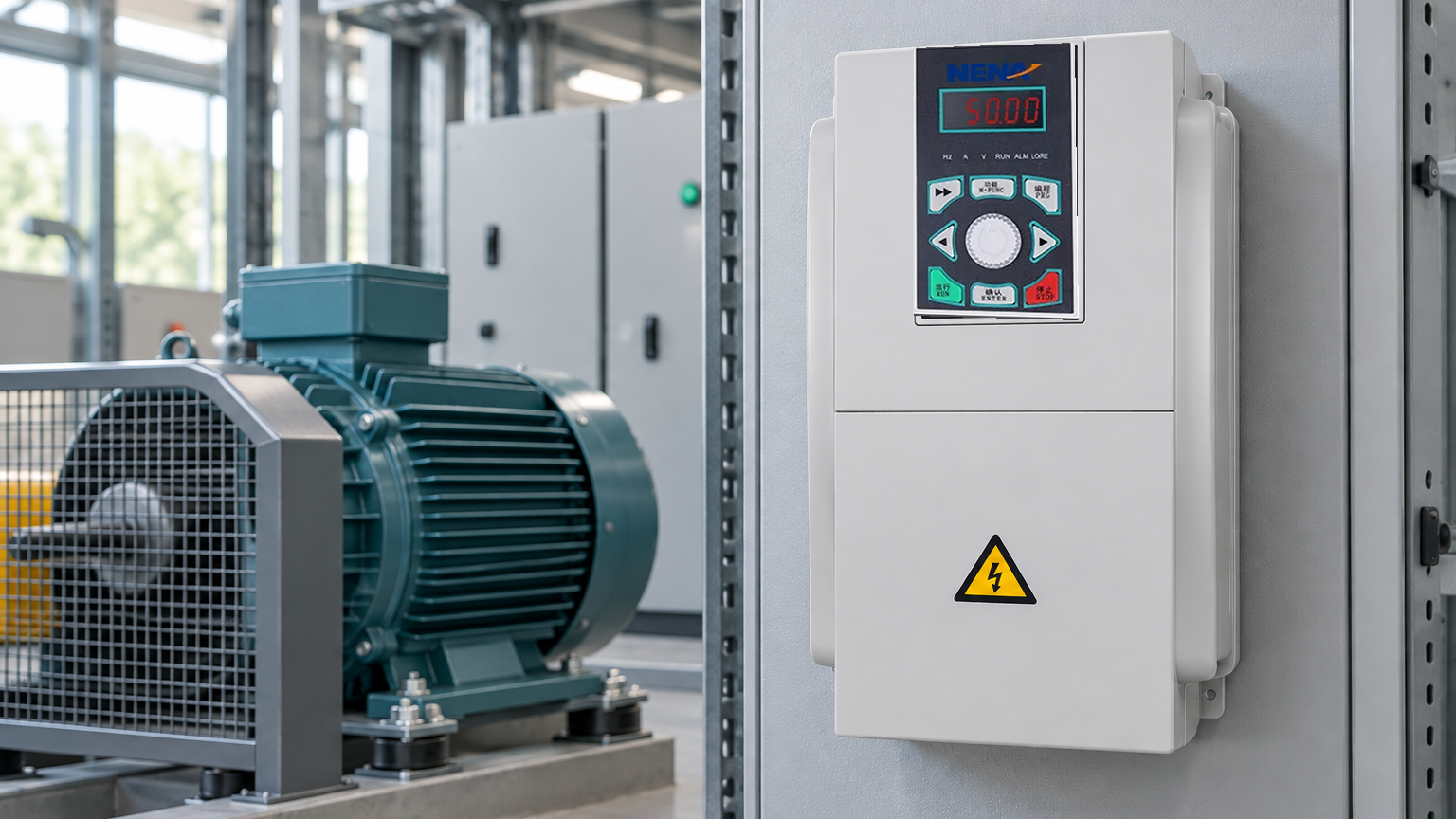
NENA / Zhejiang Xinhang Electric can be considered when engineers need configurable soft starter products and cabinet-oriented support. For compact panel builds, review the soft starter category first, then compare built-in bypass, external bypass, and online topology. The The selection should still be checked against rated current, bypass duty, enclosure heat, and the documented acceptance test.
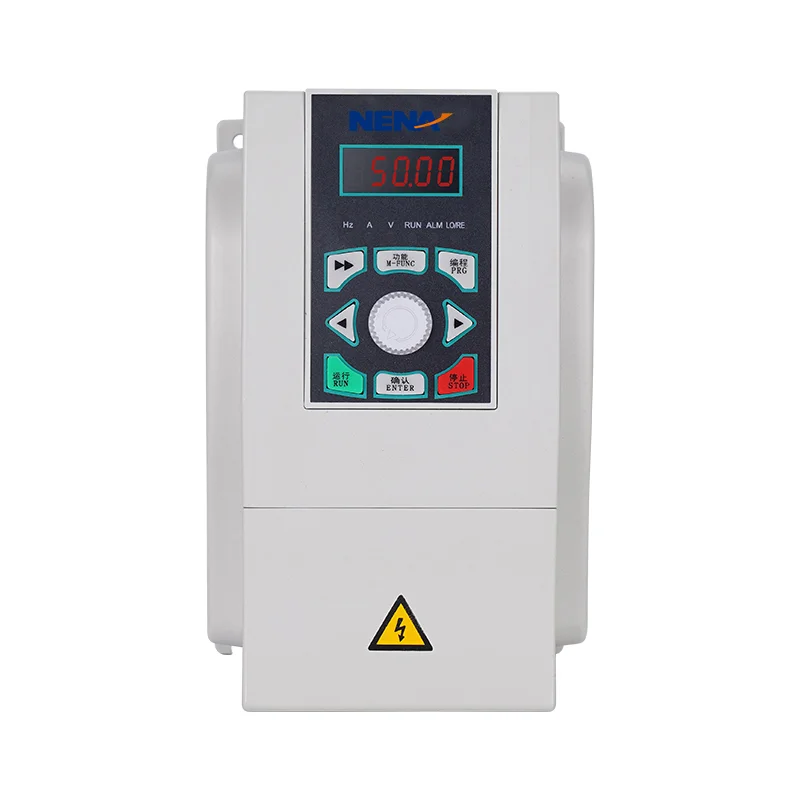
A motor soft starter is often the economical answer when the process runs at one fixed speed and the pain point is starting stress. A VFD may be justified when the process benefits from speed control or energy savings at partial load. The procurement question is which device solves the specific motor-starting problem with the least lifecycle risk.
Frequently Asked Questions
What is a soft start motor starter?
A soft start motor starter is a reduced-voltage starter that gradually applies voltage to an AC motor during acceleration. It reduces current shock and mechanical stress compared with direct-on-line starting, then commonly uses a bypass path after the motor reaches speed. Select it from motor current, load torque, start frequency, and compliance requirements.
What is a soft start kit?
A soft start kit is the package of components needed to install soft starting in a real system. Depending on the supplier scope, a motor soft start kit may include the starter, bypass contactor, protection devices, cabinet hardware, control wiring, drawings, and instructions. Procurement should define exactly what is included before comparing offers.
Is a motor starter the same as a soft starter?
No. A motor starter is a broad category that can include direct-on-line starters, reversing starters, star-delta starters, soft starters, or drive-based solutions. A motor soft starter is one type of motor starter that uses semiconductor control to ramp voltage during starting and stopping.
How does a soft starter work for a motor?
It controls the semiconductor firing angle so the motor receives a controlled voltage ramp rather than an immediate full-voltage connection. As the motor accelerates, current and torque rise in a managed way; after acceleration, many designs close a bypass path to reduce heat. The settings must be tested on the actual load because too little voltage can extend acceleration and trigger protection.
References
- IEC 60947-4-2, AC semiconductor motor controllers and starters, International Electrotechnical Commission.
- UL 60947-4-2, Low-Voltage Switchgear and Controlgear – AC Semiconductor Motor Controllers and Starters, UL Standards & Engagement.
- NEMA MG 1, Motors and Generators, National Electrical Manufacturers Association.
- NFPA 70E, Standard for Electrical Safety in the Workplace, National Fire Protection Association.
For pump, fan, compressor, or OEM panel applications, review the duty with NENA / Zhejiang Xinhang Electric and request a documented selection for the right motor soft start kit. To discuss a project specification, contact the technical team.