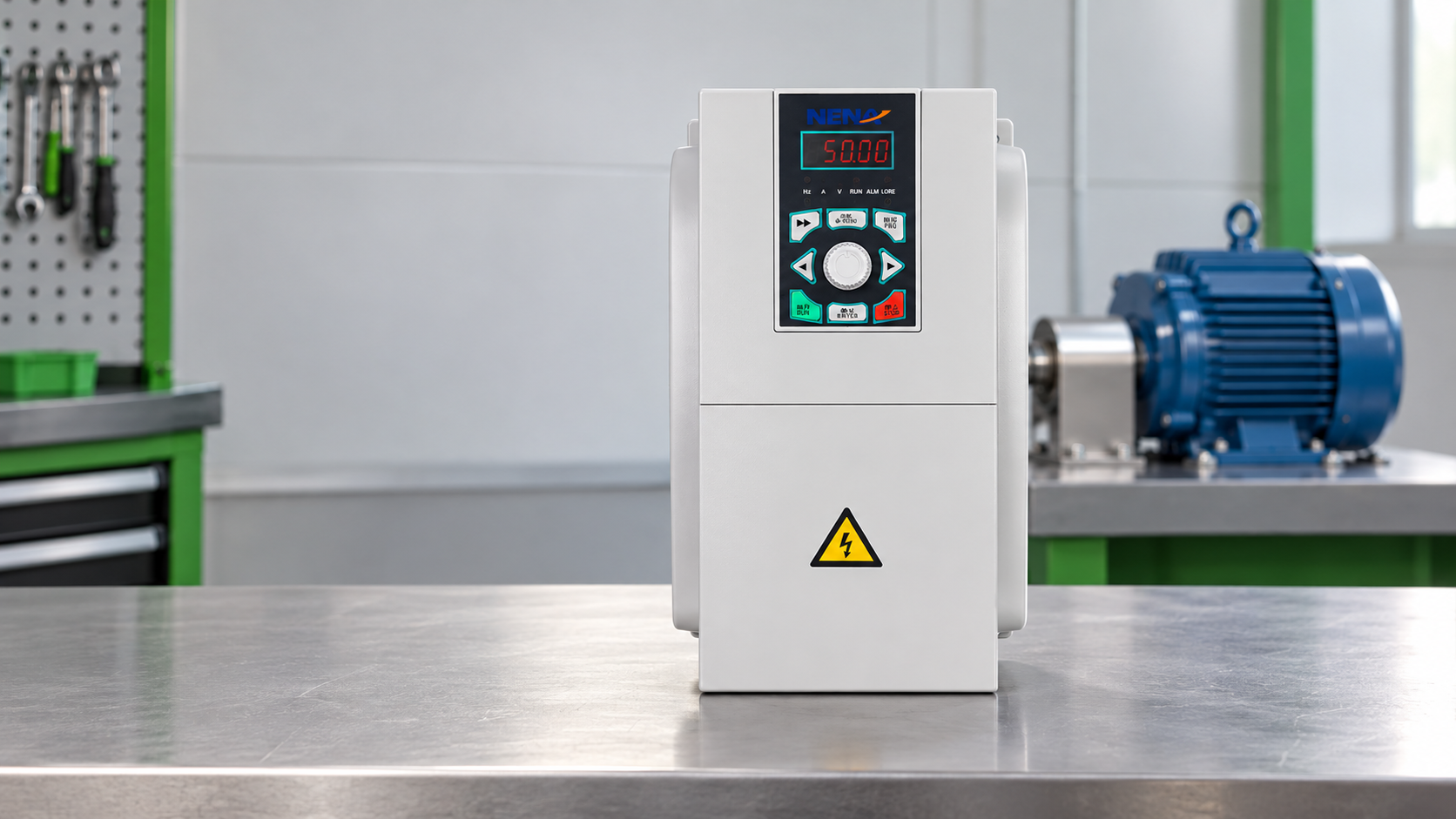
When a maintenance manager in Johor Bahru, Malaysia encountered repeated trips on a chilled-water pump line, he replaced the starter, tightened the cable lugs, and restarted the motor during the afternoon production window; within seconds the panel alarmed, the pump coasted down, and operators saw the same water-pressure dip on the HMI. The reversal came after checking the load curve: the starter was not a defective product, but a unit specified for a light centrifugal fan profile while the site needed higher starting torque, longer ramp capability, and a more suitable bypass arrangement.
Summary: A 3 phase soft starter should be chosen from the motor nameplate, load torque, starting frequency, ambient temperature, supply voltage, installation enclosure, and applicable controlgear standards. For many low-voltage industrial projects, IEC 60947 and GB 14048 provide the controlgear context, while motor behavior should also be checked against NEMA MG 1 where relevant. The practical action is simple: size the starter for the real application, not only the kW printed on the motor.
A soft starter controls the voltage applied to an AC induction motor during starting and stopping, reducing inrush current and mechanical shock compared with direct-on-line starting. In procurement terms, it sits between simple contactor starting and a variable frequency drive: it does not normally provide continuous speed control, but it can make acceleration, deceleration, and electrical stress more manageable.
The first selection question is not “What is the motor power?” but “What does the motor have to move?” A centrifugal pump, fan, crusher, compressor, conveyor, and mixer can all share a 55 kW motor rating while demanding very different starting torque. A pump may need smooth ramp-up and controlled stop to reduce water hammer; a heavy conveyor may need a higher initial torque setting and a starter with overload margin.
Motor data should be taken from the nameplate and project drawings: rated voltage, full-load current, frequency, power, service factor, connection method, insulation class, and duty cycle. Where a buyer compares a 3 phase motor soft starter with a drive, the decision should include whether the process needs speed regulation after acceleration. If the motor always runs at rated speed after start, a soft starter is often the cleaner and lower-maintenance choice.
kW or horsepower is only a first screening value. The starter should be matched to the motor full-load current at the actual supply voltage, then checked against the application’s starting current limit, starting time, number of starts per hour, and expected ambient temperature. A unit selected only by nominal power can be undersized when the motor is installed in a hot cabinet, starts frequently, or drives a high-inertia load.
For an illustrative case, a 75 kW pump motor at 400 V may show a full-load current near 140 A, but the selected starter must also tolerate the planned ramp time and current limit. If the site asks for a 25-second acceleration to reduce pipe shock, the thermal model and bypass design matter more than the catalog power line. In IEC 60947 low-voltage switchgear and controlgear language, utilization conditions and coordination are part of the selection context, not a paperwork detail.
Procurement teams should ask for the overload class or protection logic, maximum permissible starts per hour, heat dissipation data, short-circuit coordination assumptions, and installation derating rules. These details are especially important when comparing an online 3 Phase soft Starter with a built-in bypass design, because the thermal path and continuous-current conditions affect cabinet layout and service planning.
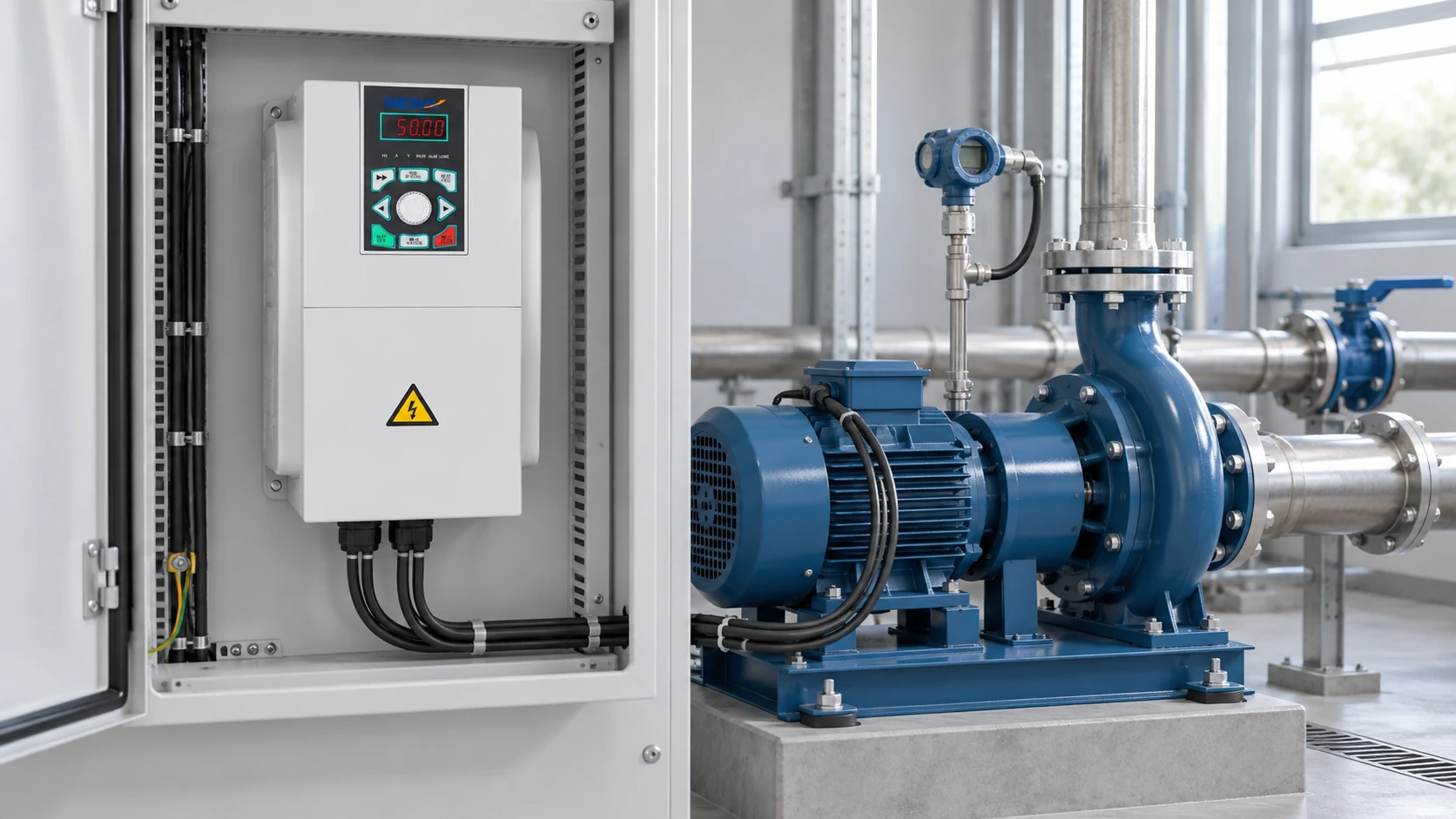
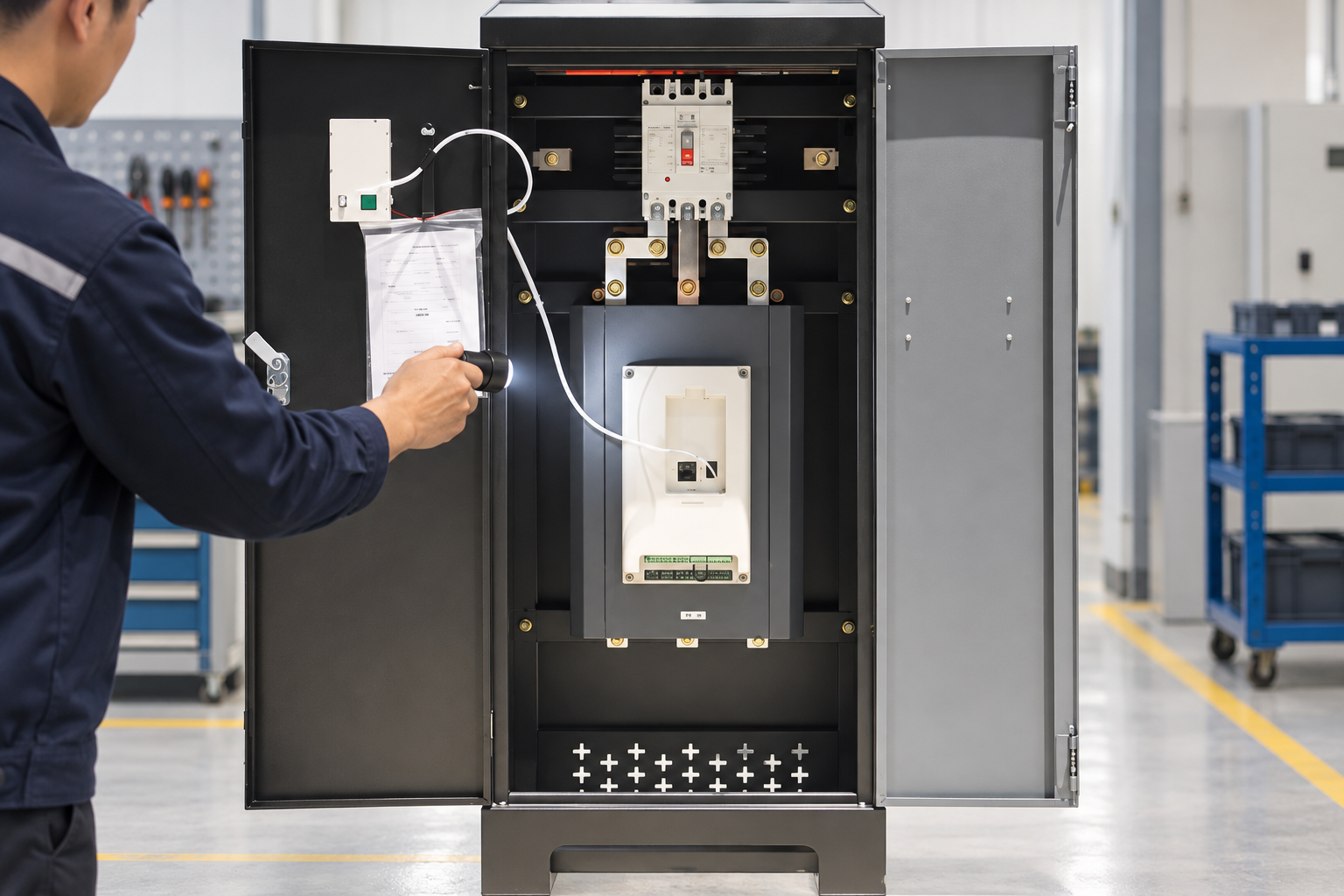 Interior inspection helps confirm bypass arrangement, wiring space, and maintenance access before procurement.
The cheapest acceptable model on paper can become expensive if it increases trips, commissioning time, or maintenance calls. Hidden cost usually appears in four places: oversizing after a failed startup, extra cabinet ventilation, nuisance trips during voltage dips, and process losses during repeated restarts. Total cost should therefore include engineering support, spare-part access, wiring time, bypass contactor strategy, and documentation quality.
For pumps, controlled stop can be as important as controlled start. For fans, current limit and ramp settings often need to balance belt stress and airflow stabilization. For conveyors, the selection should confirm breakaway torque and loaded restart conditions. For compressors, the motor may need to start under pressure conditions defined by the mechanical package supplier, so the electrical starter should not be chosen before the process requirement is known.
Commissioning should include a measured start record, not only a visual confirmation that the motor turns. Engineers usually log line voltage, starting current, ramp time, bypass transition, fault history, motor temperature trend, and stop behavior. These values make later troubleshooting factual and help distinguish a selection issue from a wiring, cooling, or mechanical load issue.
| Selection dimension | Direct-on-line starter | 3 phase soft starter | Variable frequency drive |
|---|---|---|---|
| Starting current | Highest, often several times rated current | Reduced by ramp and current limit settings | Controlled by drive electronics |
| Mechanical stress | Highest shock on couplings, belts, and pumps | Lower stress during acceleration and stopping | Lowest when speed profile is required |
| Speed control after start | No | Usually no continuous speed control | Yes |
| Unit-cost tendency | Lowest | Middle | Highest |
| Cabinet heat and complexity | Low | Moderate, depends on bypass | Higher, needs EMC and cooling attention |
| Maintenance focus | Contactors and overloads | Power module, bypass, settings, ventilation | Power electronics, fans, filters, parameters |
| Best fit | Simple rugged loads | Fixed-speed motors needing smooth start/stop | Processes needing speed regulation or energy optimization |
This comparison does not mean one technology is universally better. A fixed-speed pump that only needs reduced inrush may not need a drive. A fan system requiring pressure control may justify a drive. A crusher with severe breakaway torque may require a heavier starter, modified ramp strategy, or a different starting method altogether.
| Application or dimension | Selection focus | Typical specification check | Procurement note |
|---|---|---|---|
| Centrifugal pump | Smooth start and controlled stop | Ramp time, current limit, pump-stop setting | Check water hammer risk and valve sequence |
| Fan or blower | Inertia and belt protection | Start duration, bypass duty, cooling space | Confirm fan damper position during start |
| Conveyor | Loaded restart capability | Initial torque, overload setting, starts per hour | Ask whether restart occurs under full load |
| Compressor | Starting condition and pressure state | Mechanical package requirement, torque margin | Coordinate with compressor supplier |
| Dusty or hot cabinet | Thermal reliability | Ambient derating, enclosure IP level, ventilation | Use cabinet drawings, not only catalog values |
| Export project | Documentation and compliance | IEC 60947, GB 14048, local electrical rules | Avoid unsupported certification claims |
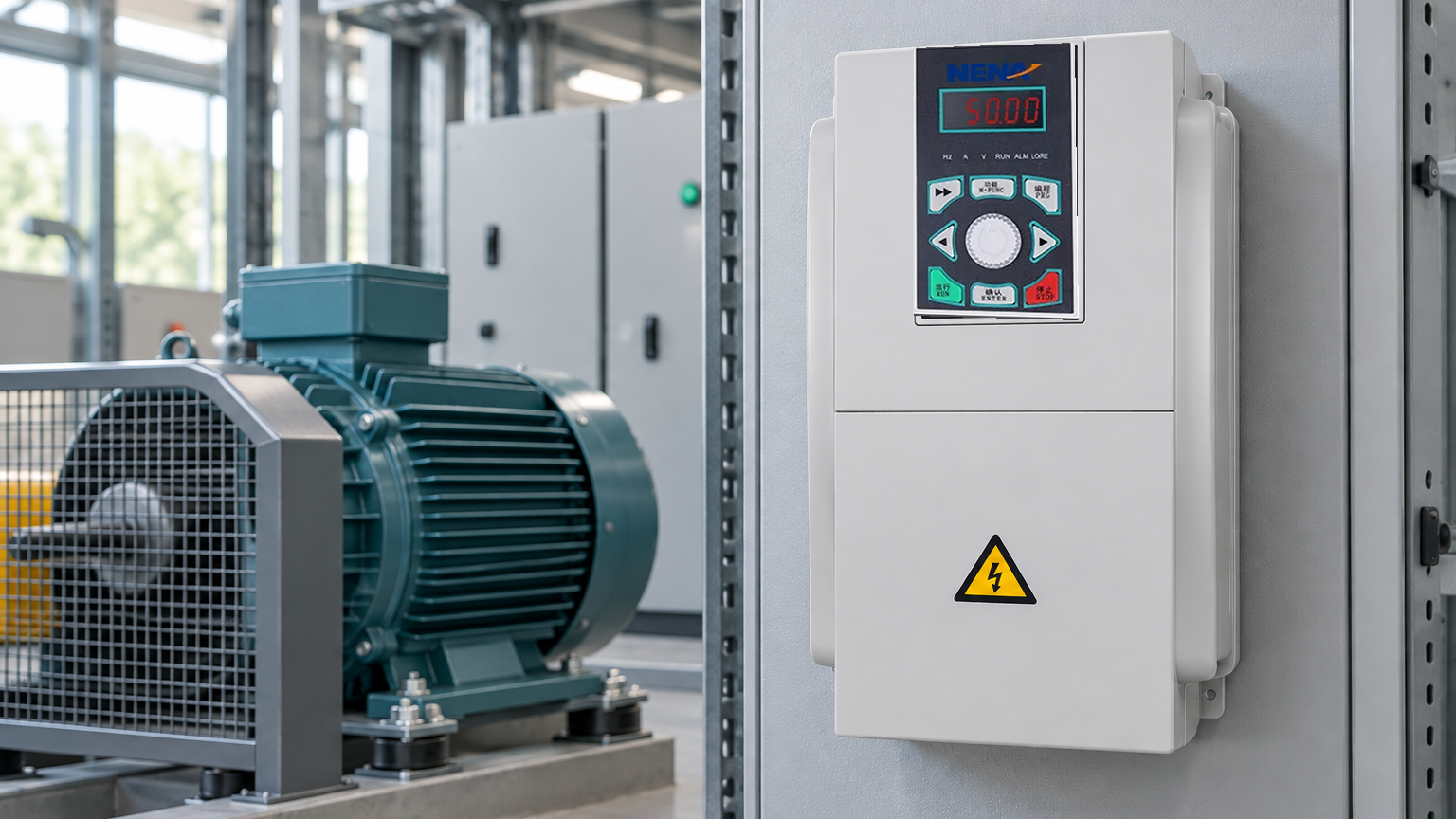
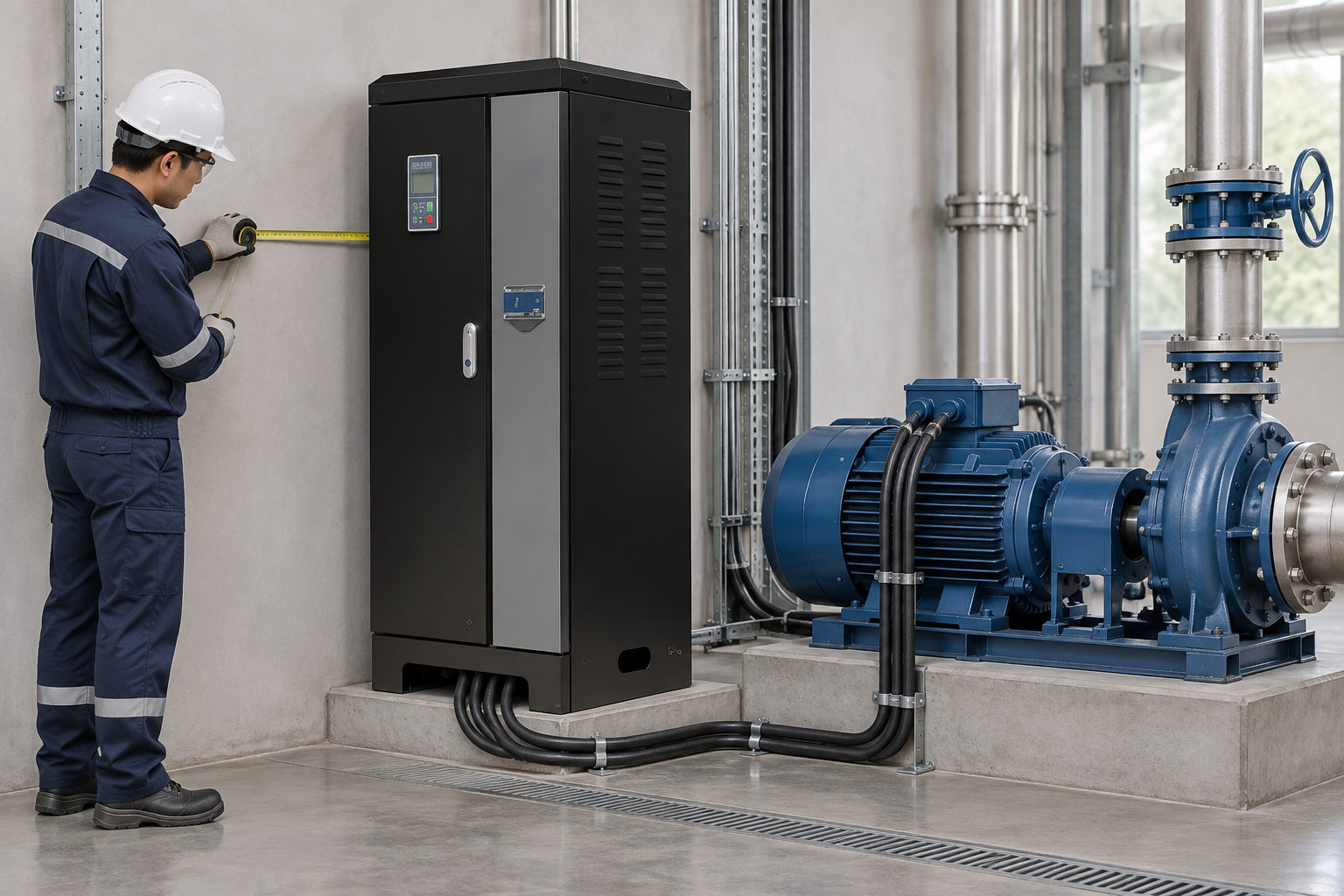 Installation conditions, cable routing, and ventilation clearance should be checked before final sizing.
IEC 60947 and GB 14048 are commonly relevant to low-voltage switchgear and controlgear selection, including control devices, contactors, and motor-starter assemblies. They help define the technical language for ratings, utilization, coordination, and test expectations. They should not be used as vague decoration in a quotation; the supplier should state which part, rating, and configuration the claim relates to.
NEMA MG 1 is useful motor context, especially when motors, insulation systems, voltage variation, and duty expectations are discussed in projects influenced by North American practice. It is not a substitute for verifying the starter’s own controlgear rating. For lockout and maintenance planning, OSHA 29 CFR 1910.147 is a U.S. hazardous-energy regulation that may be relevant when equipment is installed or specified for U.S. workplace compliance.
CCC and ISO 9001 should be handled carefully. They can be part of supplier documentation or company quality context when supported by actual documents, but buyers should not treat them as automatic proof that every product configuration is certified for every destination market. The commercial consequence of overstated compliance is serious: customs delays, rejected submittals, failed factory acceptance review, or liability after an incident.
Before purchase, ask the supplier for a load-oriented selection sheet rather than a one-line model recommendation. A practical sheet should include motor data, supply system, application type, starts per hour, ramp time, overload setting, cabinet environment, bypass design, communication requirement, fault output, and spare-part expectation.
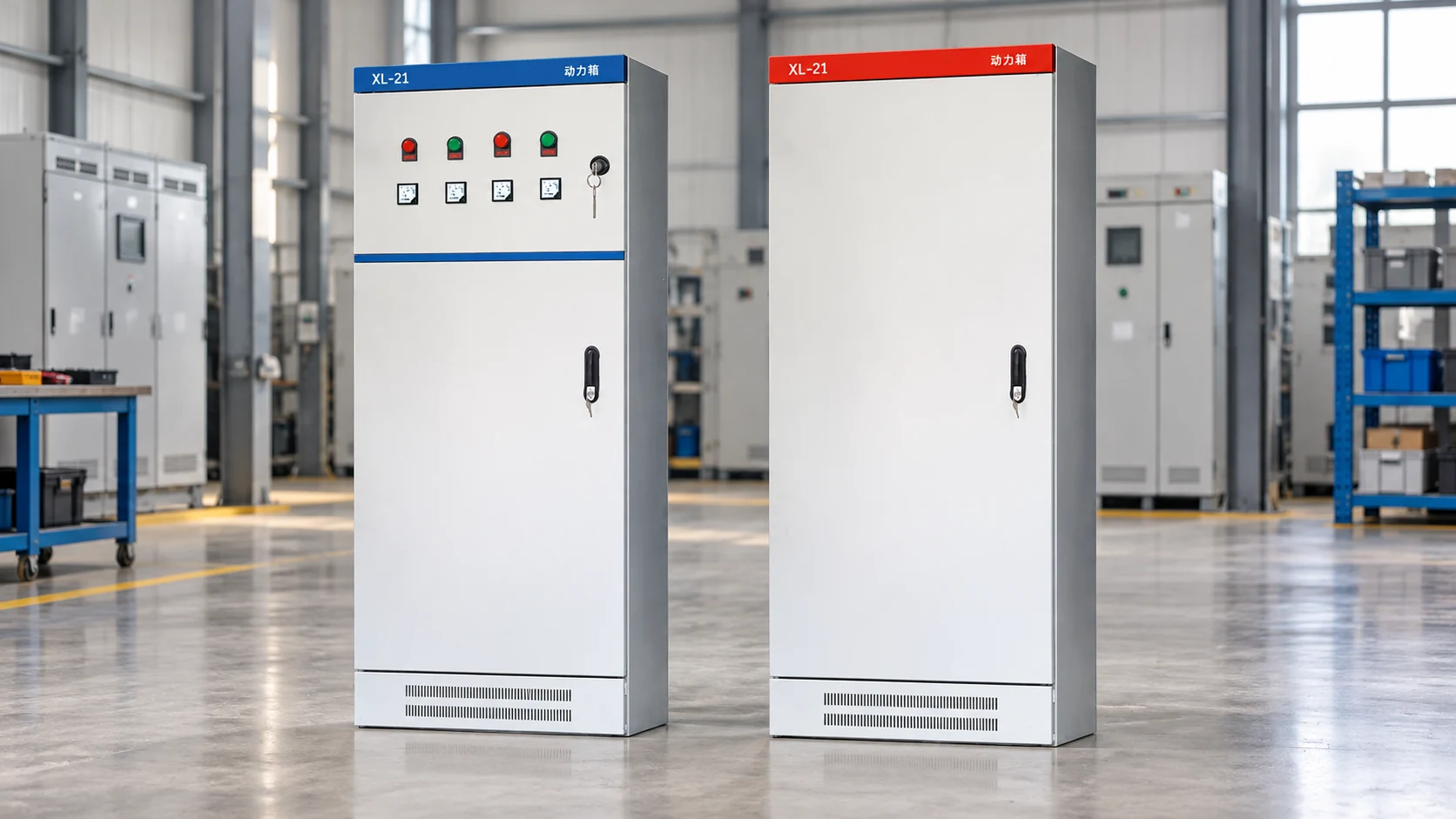
This is the point where Zhejiang Xinhang Electric, under the NENA brand, can be evaluated as a manufacturing and documentation partner rather than just a catalog source. For a packaged pumping station or EPC panel project, buyers may compare a standalone PR800 bypass soft starter with a cabinet solution such as an SZ900 online soft starter cabinet depending on wiring space, protection devices, installation labor, and maintenance access.
Use these checks before releasing a purchase order:
For critical installations, a factory acceptance test or commissioning record should include at least voltage, current, ramp time, bypass transition, fault-log review, and protection-setting confirmation. These records make handover cleaner and give maintenance teams a baseline when the equipment is later inspected.
A 3 phase soft starter is a motor starting device that gradually increases voltage to a three-phase AC induction motor during acceleration. It reduces inrush current and mechanical shock compared with direct-on-line starting, then usually allows the motor to run at full line frequency after startup.
Soft starters normally do not provide continuous speed control, so they are not a replacement for a variable frequency drive when the process needs adjustable speed. They also require correct thermal sizing, ventilation, bypass planning, and parameter setup; an undersized or poorly installed unit can trip even when the product itself is not defective.
Start with the fault code, motor nameplate data, supply voltage, load condition, ramp settings, current limit, and cooling condition. Then compare actual starting current and start time with the selected model’s rating; if the trip appears only under load, the root cause may be torque demand, mechanical binding, voltage drop, or incorrect selection.
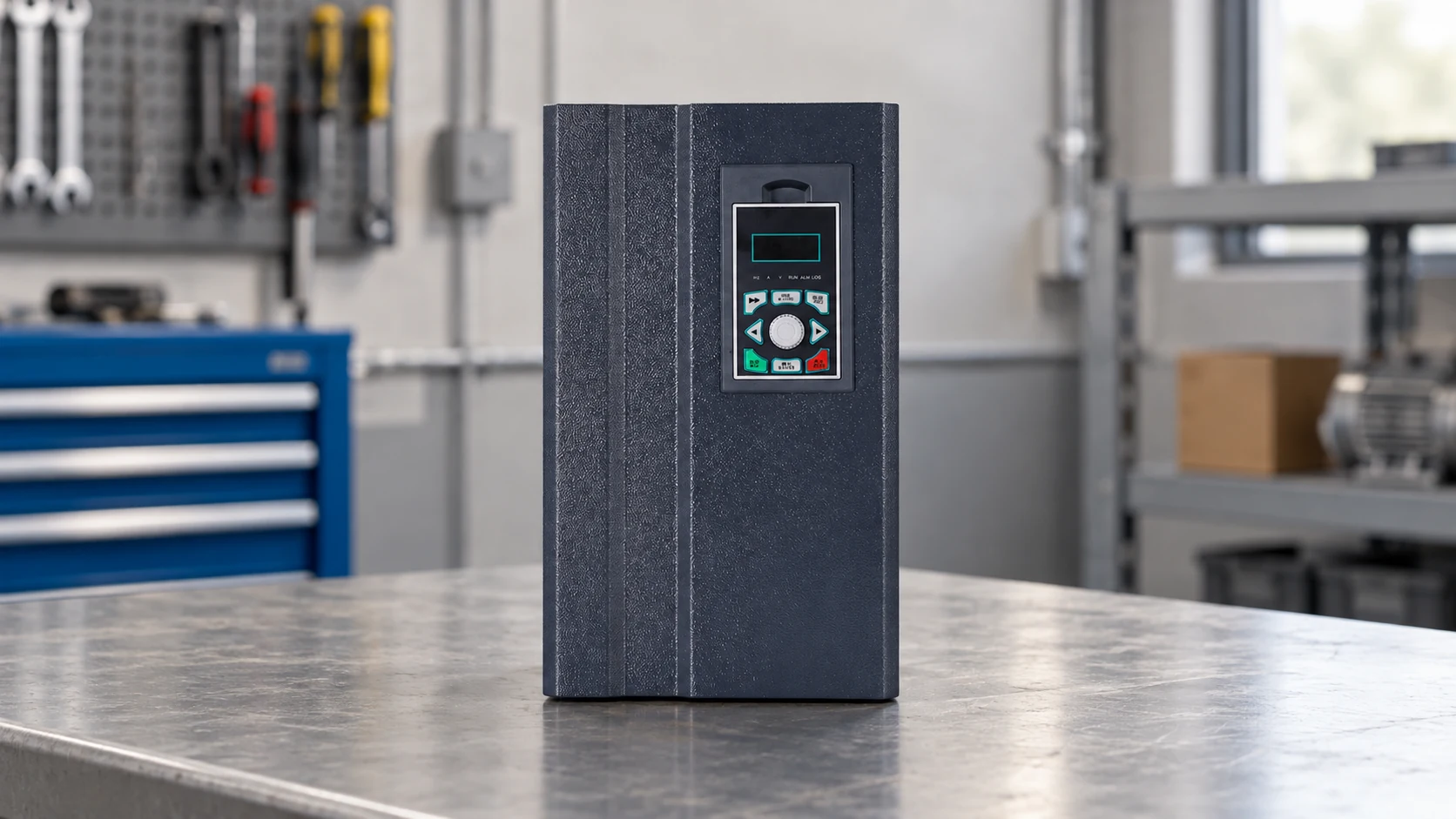
Common types include online soft starters, built-in bypass soft starters, external bypass soft starter arrangements, and integrated soft starter cabinet solutions. For example, a buyer may choose a PR800 bypass soft starter when reduced running heat and simplified panel integration are important.
The best soft starter choice is usually decided before the quotation: define the motor, load, environment, duty, and compliance boundary clearly, and most later problems become preventable. For projects that need a documented fixed-speed motor starting solution, NENA / Zhejiang Xinhang Electric can help review selection details around the 3 Phase soft Starter and related cabinet configurations; share the motor nameplate, load type, site voltage, and required start profile to start a practical review.