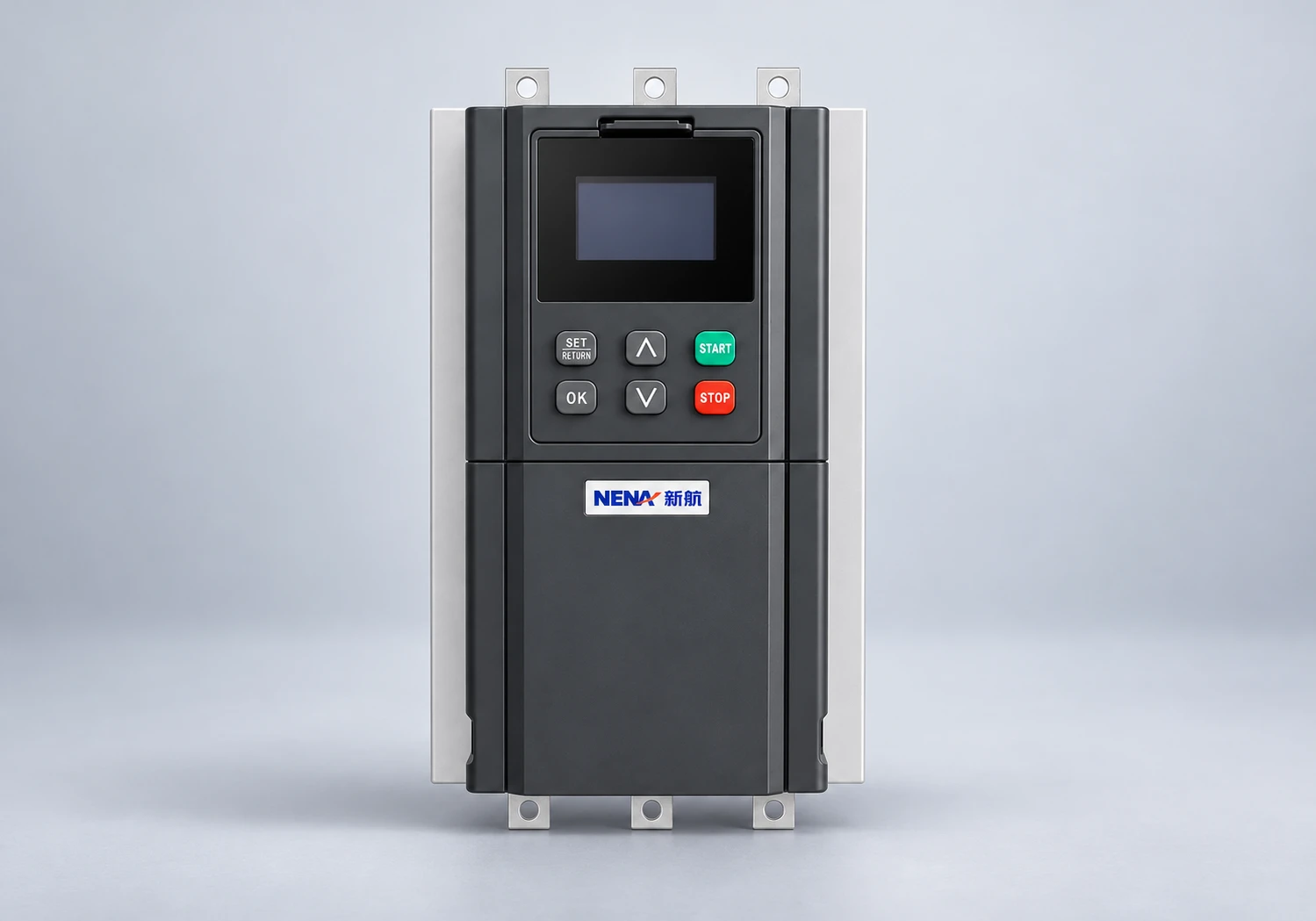
Soft starter troubleshooting should begin with the exact fault record and the point in the operating sequence where the problem appears. A blank display, a rejected start command, a stalled motor and a trip after repeated starts are different problems. Preserve the evidence before resetting, confirm the model-specific meaning of the indication, and separate supply, control, motor-load and starter-duty issues. Do not assume that a longer ramp, a higher current limit or a replacement starter will solve every failure.
This guide concerns electronic starting of industrial three-phase induction motors. It organizes the investigation without prescribing universal fault codes, terminal numbers or energized test procedures. The supplied equipment manual and the site’s electrical safety procedure govern the actual work.
Record the starter model, motor nameplate, full fault indication, operating state and timestamp. Note whether the motor was cold or already warm, loaded or unloaded, stationary or still rotating. Include recent changes to the motor, driven machine, control program, supply or protection. A short operating history is often more useful than a photograph of a single reset screen.
Separate the requested action from what the equipment actually did. For example, the operator pressed Start, the controller accepted a command, current flowed, the shaft moved, acceleration completed and bypass operated are distinct events. Do not collapse them into the statement “the starter did not work.” Identify the last confirmed step and the first abnormal one.
The IEEE introduction to soft starters explains the voltage-control and current-controlled starting principles. For the basic power-path context, see our motor soft starter overview. Different models implement different modes and protection, so their indications must be interpreted through their own documentation.
| Observed stage or symptom | Questions to investigate | Evidence to keep |
|---|---|---|
| No display or no ready state | Is the specified control supply present? Is a protection or restart condition active? | Supply arrangement, indicators, event history and recent changes |
| Ready, but no accepted start | Is the selected command source correct? Are the required permissives satisfied? | Local/remote state, command sequence and controller status |
| Start accepted, shaft does not accelerate | Are supply, motor connection, mechanical freedom and starting torque adequate? | Load condition, fault timing and recorded starting behavior |
| Motor moves, then starts too slowly or trips | Is current limiting constraining acceleration? Has load or inertia changed? | Current-time and speed-time information, settings and loading |
| Problem near the end of starting | Is the running or bypass sequence completing as designed? | End-of-start indication, contactor sequence and fault record |
| Several starts succeed before a trip | Are repetition, cooling and hot-start duty within the ratings? | Cycle history, temperatures, intervals and consecutive starts |
The table identifies possible branches rather than a one-symptom diagnosis. Similar symptoms can have different causes, and multiple conditions can exist together. Use the equipment’s documented diagnostics and approved measurement plan to confirm a cause before replacing components.
Some installations supply the control circuit separately from the main motor-power circuit. A functioning display can therefore coexist with missing main power or an incomplete power-path sequence. Conversely, a dark display alone does not establish that the incoming circuit is isolated. Confirm the actual supply arrangement from the approved drawings.
Review whether a disconnect, protective device, upstream contactor or machine interlock changed state before the trip. Do not immediately close a tripped device or replace a fuse without finding why it operated. Capture whether the problem is present at initial energization, at the start command or only when other plant loads operate.
Where an electrical measurement is necessary, the responsible qualified person should define the instrument, location, waveform requirements and safe method. A phase-controlled output is not interchangeable with a normal sinusoidal supply measurement. A meter reading that is unsuitable for the waveform should not be treated as proof of a failed semiconductor.
A ready starter may still be waiting for an enable, a valid command source, a restart delay or another documented condition. Establish whether control is local, hardwired, networked or selected by the machine controller. A keypad button that is inactive in the selected remote mode is not by itself evidence of a defective keypad.
Compare the command state at the source with the starter’s reported state. A PLC sequence may remove the command when another permissive changes, producing an apparent starting fault. Also check whether a maintained reset or stop condition prevents a start under the model’s defined logic. Interpret these states from the exact manual rather than assuming a universal active-high or active-low convention.
Do not bridge an interlock, defeat an emergency-stop function or force a contactor to prove that the motor can run. Establish why the condition is not satisfied and involve the machine designer where required. The operating command circuit and the machine’s safety functions have different purposes.
An accepted start command does not guarantee adequate accelerating torque. The driven machine may be jammed, loaded differently, incorrectly connected or operating under a changed process condition. A motor that moved freely during an unloaded workshop trial may face a different breakaway requirement after installation.
Reduced starting voltage also reduces available motor torque. Lowering the starting current indefinitely is not a way to make every start safer. If the motor cannot overcome the load, a long energized interval can add heat without producing useful acceleration. Check the actual start against the motor and starter’s permitted duty.
Natural Resources Canada’s electric-motor reference guide discusses the need for sufficient torque to accelerate the load without exceeding motor limits. Our soft starter ramp-time guide explains why a configured ramp is not necessarily the measured shaft-acceleration time.
Review the current limit, initial starting command and supervision settings together with supply behavior and the motor-load curve. Change only an authorized parameter inside the established operating envelope, record the result and retain the previous configuration. Do not raise thermal or short-circuit protection simply to stop an unexplained trip.
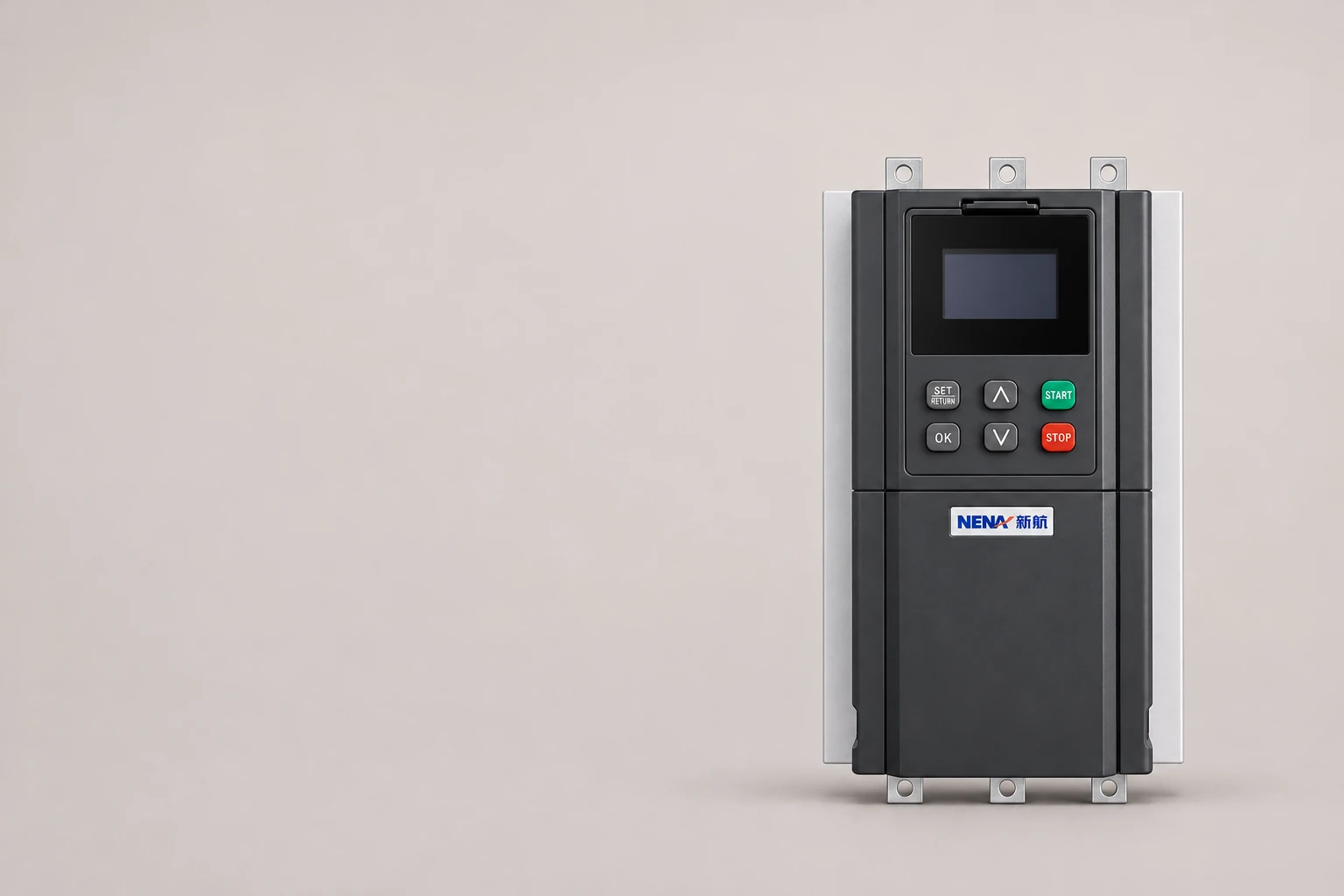
A bypass contactor, where fitted, should operate according to the approved starting and running sequence. If it does not close, first establish whether the starter has actually reached the condition that permits bypass. A motor that never completes acceleration can leave the system in its starting state without the bypass contactor itself being the original cause.
For an external bypass arrangement, inspect the documented command path, contactor feedback and protection through the approved diagnostic process. For an internal arrangement, follow the manufacturer service procedure. A front-panel photograph cannot tell you the internal current path or authorize a contactor modification.
Do not manually force bypass across a stalled motor or improvise a terminal connection to keep production running. That can change current, torque and protective behavior abruptly. A successful repair requires the correct sequence, the intended protections and a loaded-start validation, not merely an audible contactor click.
Log start duration, starts per hour, consecutive starts and cooling intervals. Include failed starts, because an unsuccessful energized attempt can still contribute thermal duty. Compare the sequence with both the motor’s permitted starts and the starter’s documented current-duration and recovery conditions.
As an illustrative diagnostic record, “three attempts within five minutes after a failed loaded start” contains information that “it overheats occasionally” does not. It is not a suggested test cycle. Do not deliberately repeat a suspected stalled start to reproduce the trip when the permitted duty or cause is unknown.
Also review ambient conditions, airflow, contamination and the installed enclosure. A blocked cooling path or a change from open-bench operation to a closed cabinet can matter. Distinguish a motor-temperature indication, a starter thermal model and a sensor-circuit fault; they are not automatically the same diagnosis.
Electrical inspection, wiring changes and component checks belong under the site’s hazardous-energy procedure. Stored energy, unexpected motion and automatic restarting must be addressed. CCOHS’s lockout and tagout guidance distinguishes operating controls from energy isolation and explains the need to manage residual energy. Follow the actual equipment’s instructions and applicable local requirements.
Avoid a factory reset as the first undocumented action. It may remove application-specific settings and obscure useful evidence. If a reset is part of an approved procedure, save the existing configuration, establish the required recommissioning steps and confirm that the resulting settings suit the machine.
Escalate suspected semiconductor failure, internal power-supply faults, unexplained protective-device operation or damaged equipment to the appropriate service personnel. Do not apply insulation-test voltage through connected control electronics unless the exact manufacturer procedure permits the test configuration. A component-level test is not a general operator troubleshooting step.
Agree on a representative acceptance test after the cause has been corrected: the actual load condition, permitted start sequence, successful acceleration, acceptable supply response, correct bypass behavior and the required repeat duty. Retain settings and fault records with the test result. One unloaded run does not establish production readiness.
For NENA support, provide starter and motor nameplates, the application and supply arrangement, full code or indication, loading, time of failure, settings, recent changes and the operating record. Our three-phase soft starter selection guide helps organize the duty data if the investigation points to an unsuitable selection.
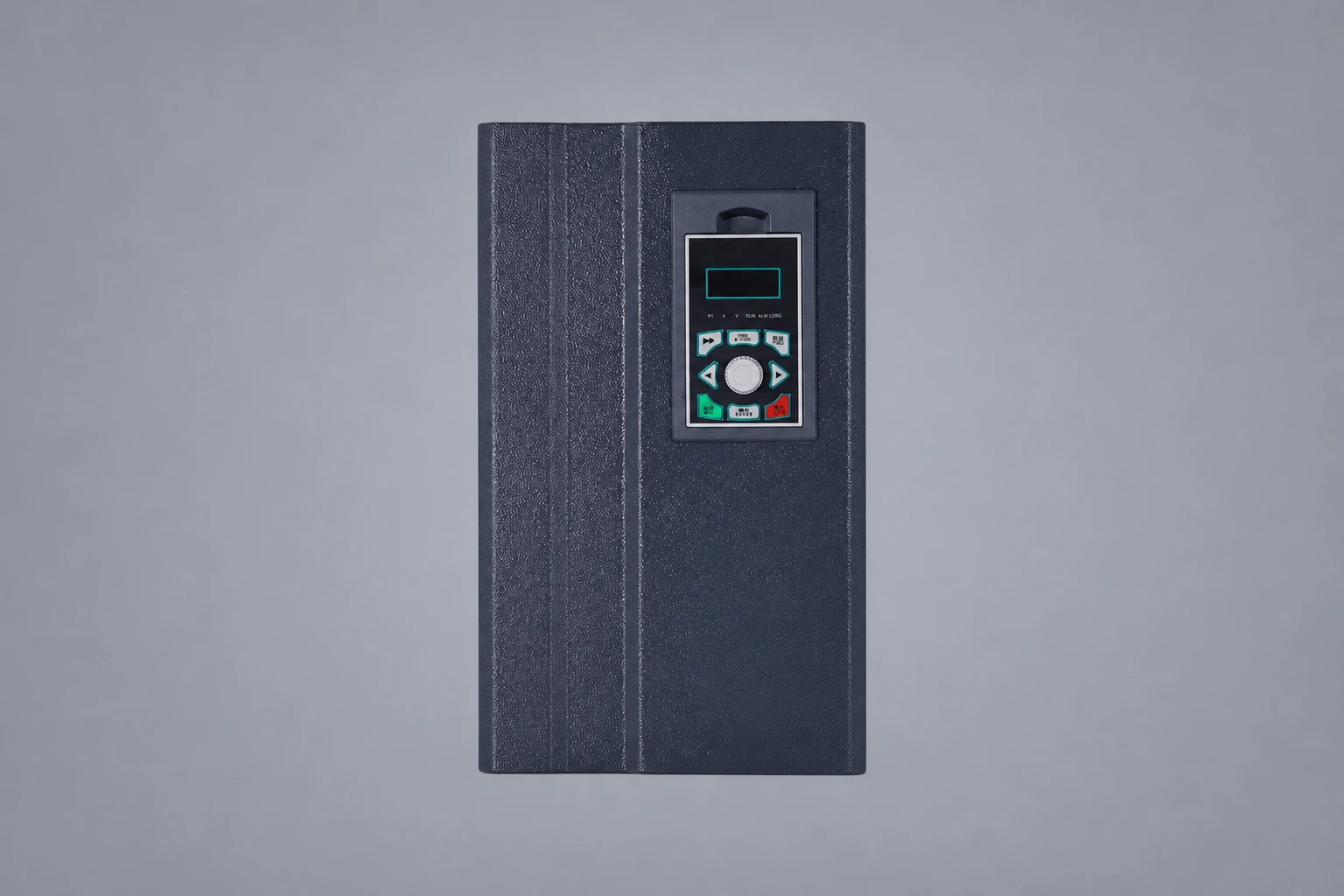
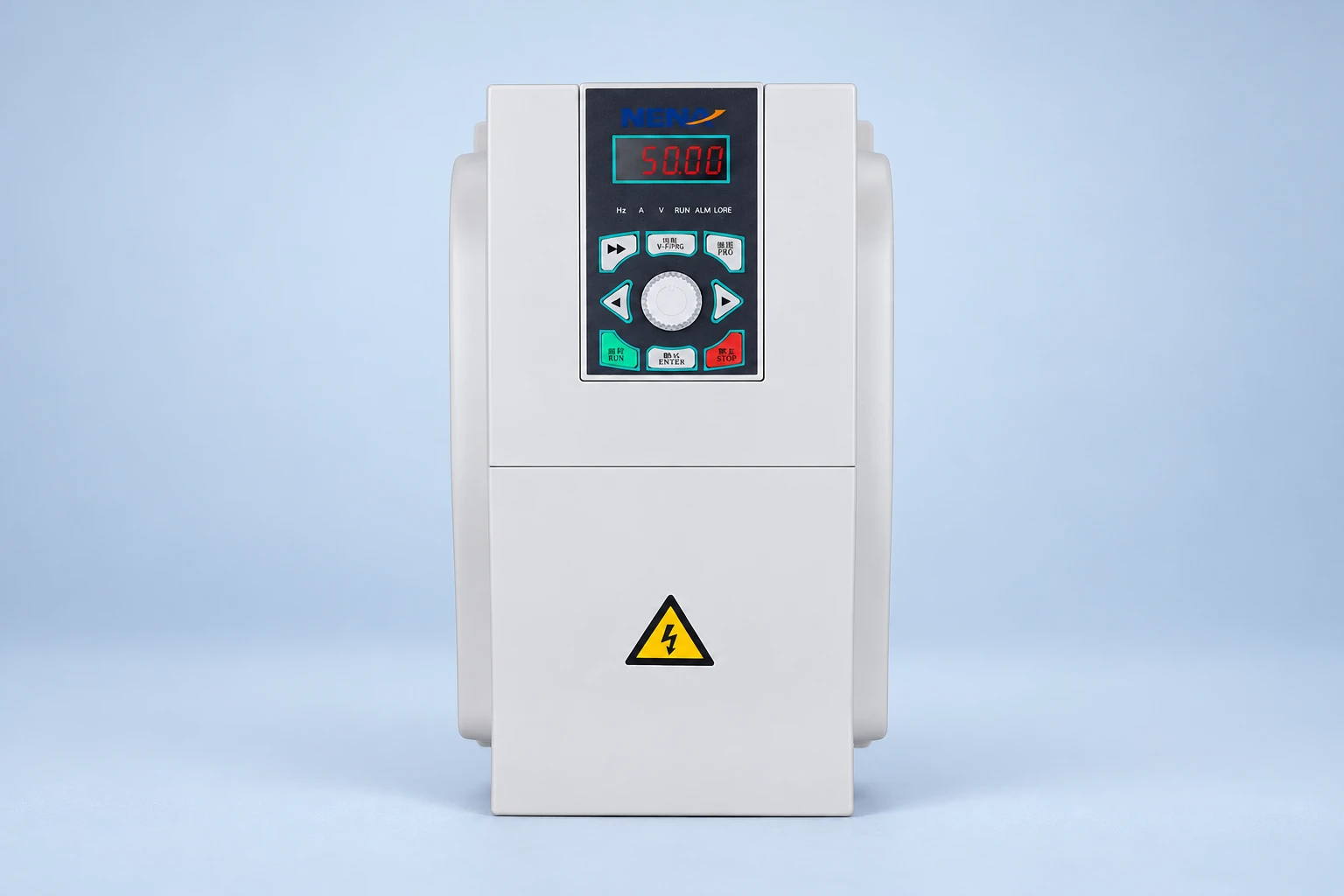
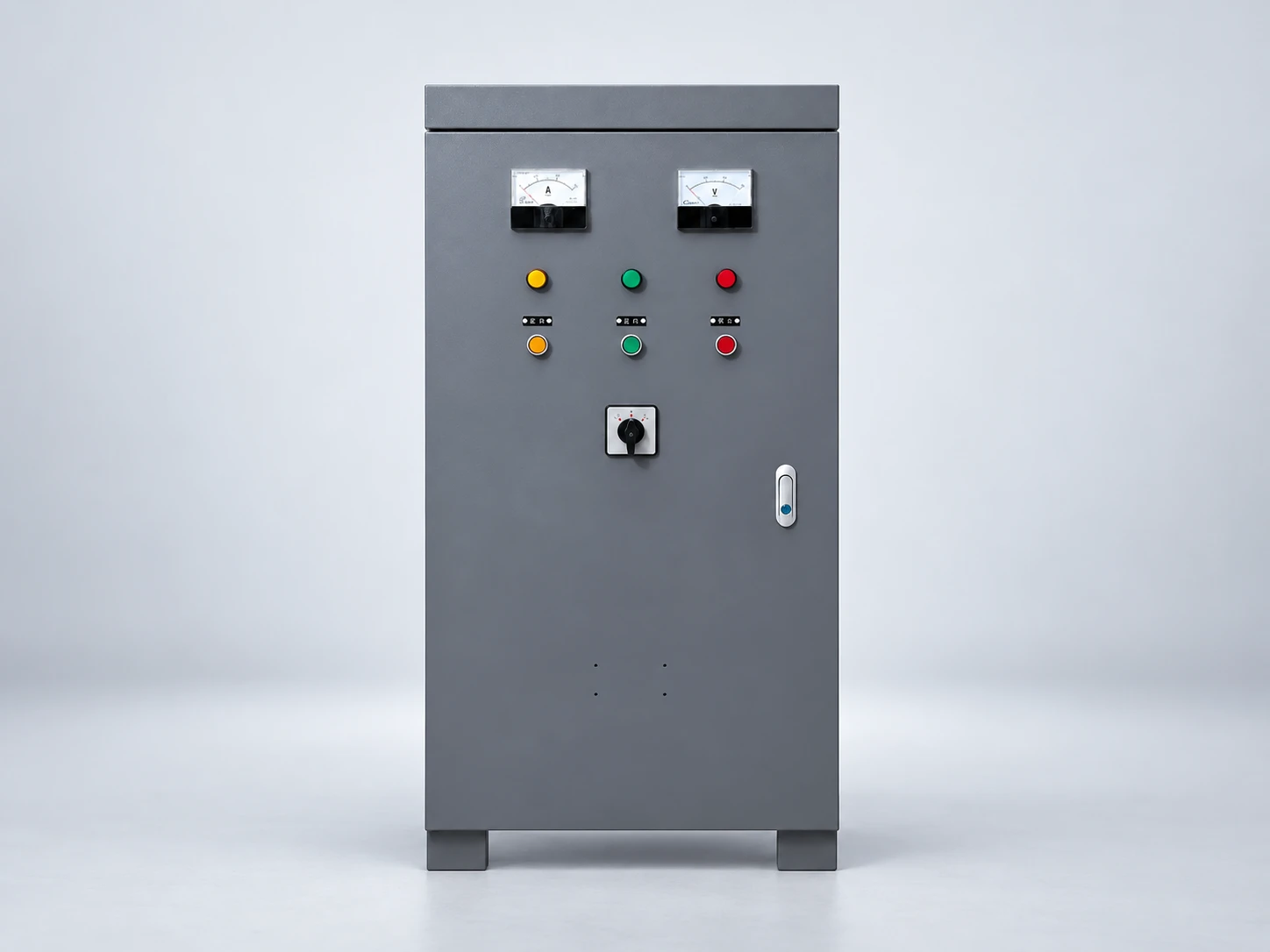
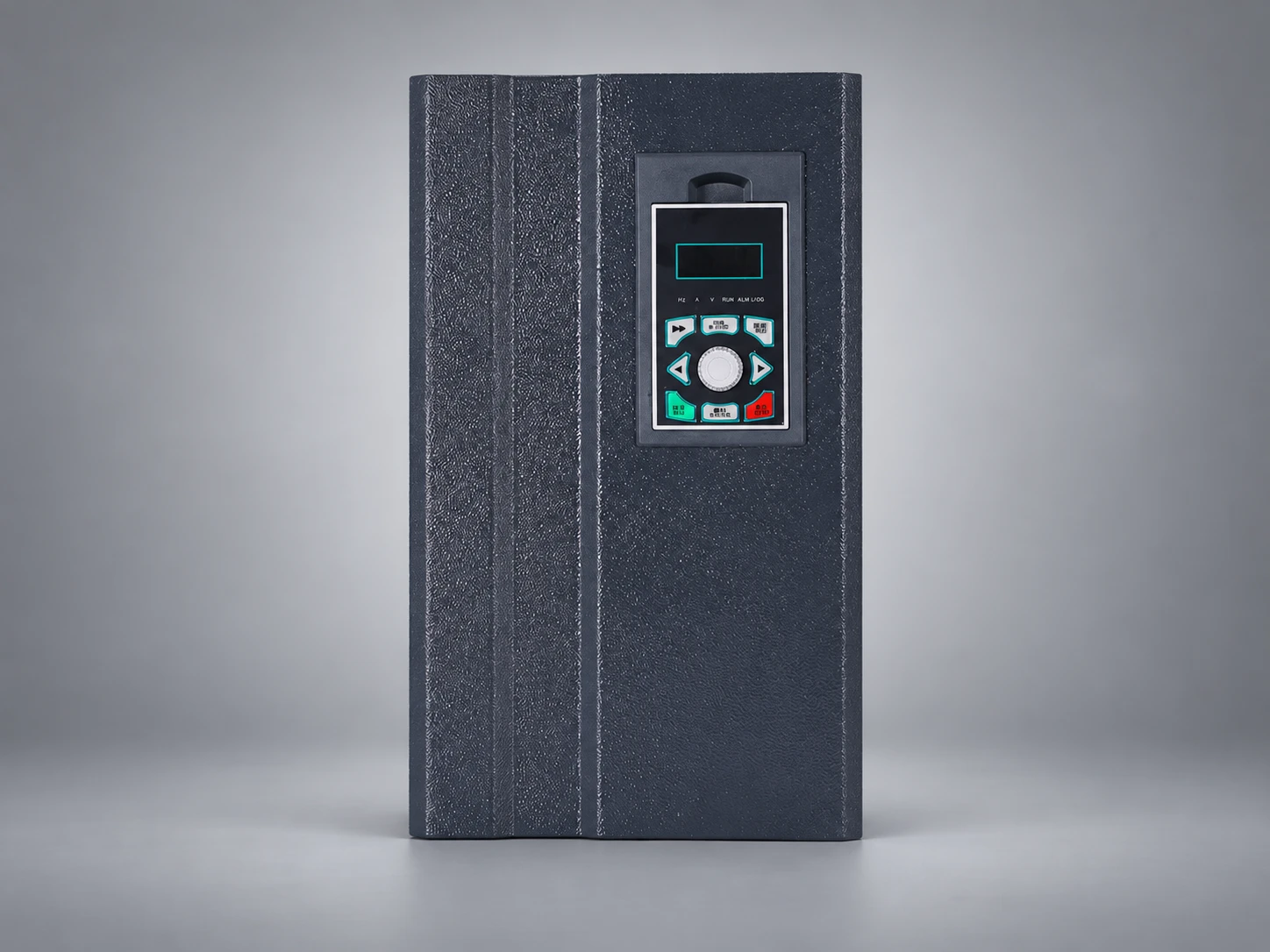
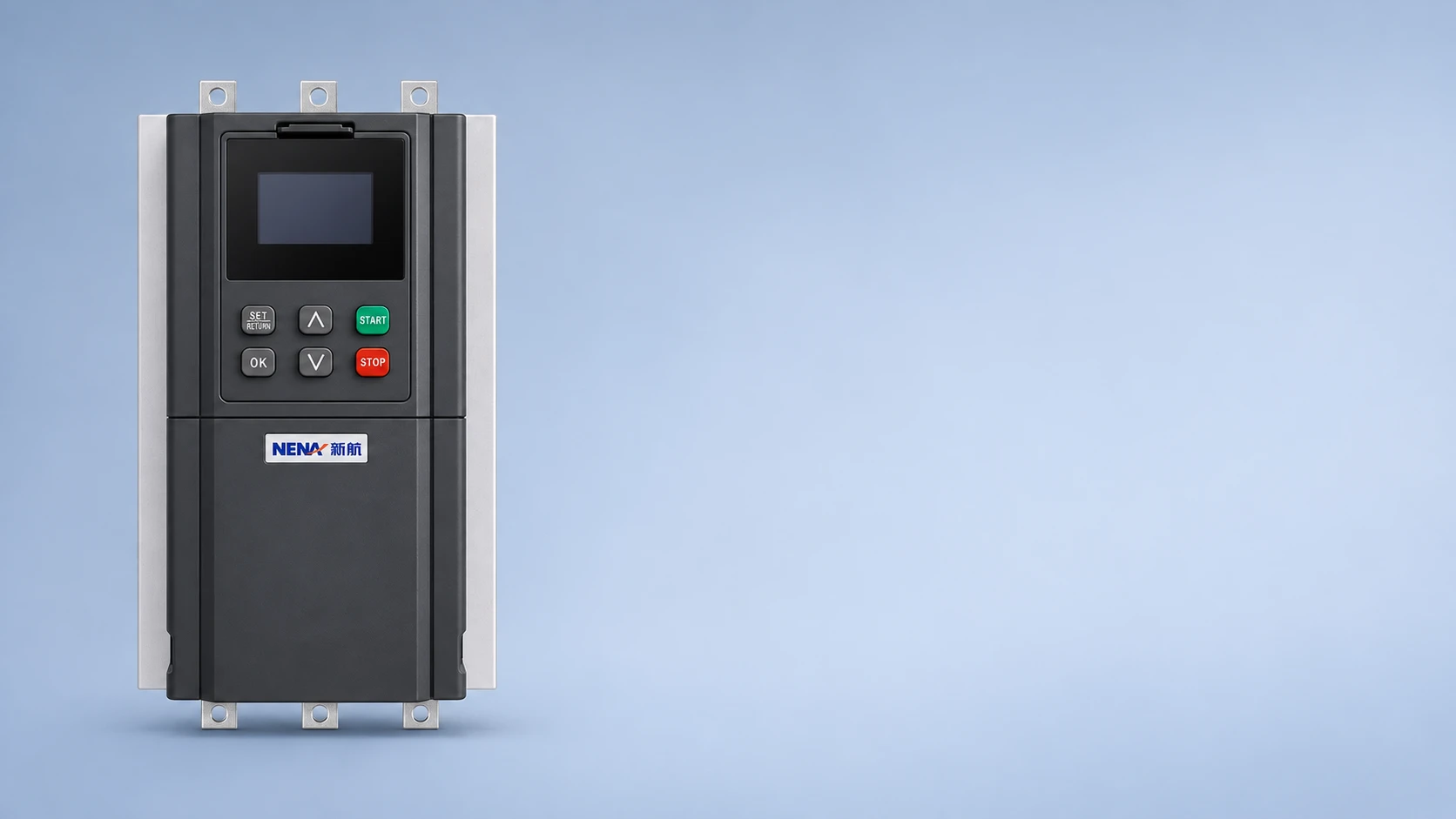
The NENA pump motor soft starter is the website product reference used in the illustrations. No fault code or internal construction is invented in those images, and the photographs do not establish an approved setting or diagnose a failure.
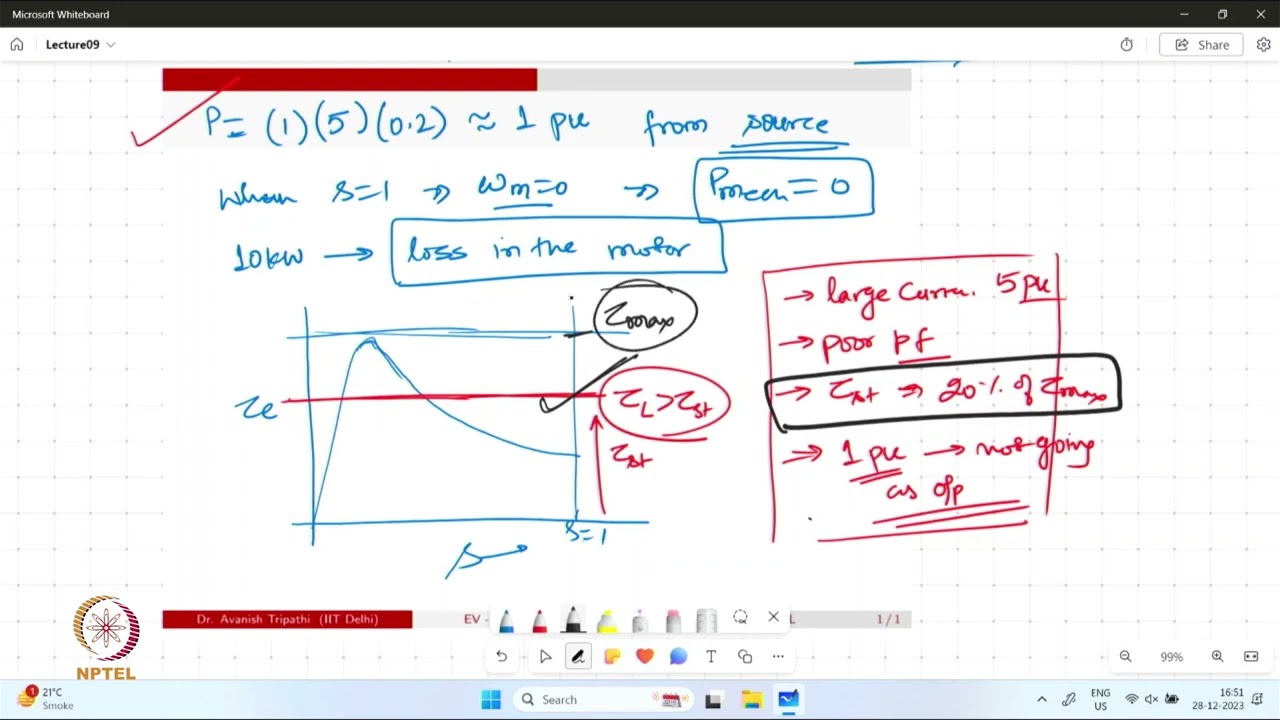
This NPTEL IIT Delhi lecture provides background on induction-motor starting and speed control. It supports understanding of the start sequence; use the exact starter manual for its diagnostic definitions.
Watch on YouTube — NPTEL IIT Delhi
Control power can be present while the main power path, start command or a required permissive is unavailable. Identify the actual operating state and use the model-specific diagnostics to distinguish those conditions.
No. Missing power, an inhibited command, inadequate torque, a mechanical restriction and excessive thermal duty require different corrections. A longer ramp cannot solve all of them.
No. The starter may not have reached its required end-of-start condition, or the command and feedback sequence may be incomplete. Check the approved sequence before diagnosing the contactor.
Do not assume so. The model can require a minimum connected load or a specific test method. Confirm the manufacturer’s procedure and protection requirements before using a different motor.