The right soft starter current limit is the setting that lets the actual motor and load accelerate within their approved electrical, mechanical and thermal limits while meeting the site’s supply constraints. It is not simply the lowest number that avoids an immediate trip. A limit set too low may prolong acceleration or leave the motor unable to reach operating speed. Select the starting point from the exact starter and motor documentation, verify the current reference used by the parameter, then commission against a recorded loaded start.
This article explains how to prepare and evaluate that process. It does not provide a universal percentage, authorize live adjustments or replace the manufacturer’s instructions. Commissioning belongs to qualified personnel using an approved test and isolation plan.
Before entering a value, identify the starter model, control mode, firmware where relevant, motor connection and parameter definition. A percentage may refer to a configured motor current or another documented base. Inside-delta and line-connected arrangements must be interpreted using the exact product instructions. A familiar number from another machine can therefore represent a different actual current.
Record the motor’s rated voltage, current, frequency and connection from its nameplate and approved documentation. Confirm that the configured motor data match the installed machine. If a motor has been replaced, do not assume the old settings remain appropriate because its nominal power is similar. Preserve a backup of the existing parameter set before commissioning changes.
Also identify what the starter reports during acceleration. A screen value, an external instrument and a logged trend may have different averaging or update behavior. The test plan should state which record will be used to evaluate the start. This avoids arguing over apparently conflicting readings that were taken at different times or represent different quantities.
A soft starter reduces applied voltage during starting according to its control method. Limiting current can reduce the demand on the supply, but the motor must still produce sufficient accelerating torque for its load. The practical question is whether the motor progresses reliably to operating speed under the intended starting condition.
The Texas Department of Transportation’s special specification 7361 provides a public project example that treats motor data, current limiting, start duration and thermal status as distinct requirements. It also requires motor and driven-load data to be supplied to the starter manufacturer. Its specified ranges apply to that contract, not to NENA products or every industrial motor.
A lower peak current is not automatically a better result if the motor spends much longer accelerating. Compare the complete start record with motor and starter duty limits. A trace that settles into a long plateau without adequate acceleration is a reason to stop and investigate, not a reason to keep extending the allowable start time.
Operators often change several parameters together because the labels appear to describe the same event. Keep their roles distinct. The selected control mode determines how the starter applies its starting strategy; the current limit constrains it according to the product’s logic. Ramp time alone is not a guarantee that the motor will reach speed at that exact time.
Initial voltage or an equivalent starting-effort parameter, where provided, affects the beginning of acceleration. A load that does not break away needs a different investigation from one that starts moving and then stops accelerating. Document when the symptom appears. Changing all available parameters at once can hide whether the real issue was load condition, incorrect data or an unsuitable starting method.
Use the existing soft starter ramp time guide for the time-related part of the review. Keep the current-limit record alongside it so the final settings describe one coherent starting process rather than unrelated values chosen on separate visits.
Define a representative load condition before testing. For a pump, record the actual hydraulic starting arrangement required by the equipment supplier. For a conveyor or other process machine, identify the expected material condition and whether an empty start is representative. A successful unloaded run may prove rotation and basic controls while leaving the production start untested.
Agree who controls the start command, who observes the process and who can stop the test. Establish the expected completion indication and the conditions that require an immediate stop. Confirm the permitted number of attempts and recovery time from the relevant equipment documentation. Do not create a generic retry allowance based on the operator’s willingness to continue.
Electrical work and measurement need an approved safe method. HSE’s safe working practices guidance describes planning, competent people and control of electrical hazards. Parameter access through a keypad does not make nearby power conductors safe. De-energized inspection and energized observation must have clearly defined boundaries.
The following qualitative table organizes commissioning observations. It does not identify a fault conclusively or prescribe settings. Use it to decide which evidence to collect next, while retaining the equipment manufacturer’s limits and stopping conditions.
| Observed behavior | Question to investigate | Useful record |
|---|---|---|
| No useful initial movement | Is starting effort appropriate, or is the load restrained? | Control mode, initial settings and mechanical condition |
| Movement begins but acceleration stalls | Is available accelerating torque sufficient? | Current trend, speed progression and load condition |
| Supply disturbance during starting | Does the source support the required start? | Voltage observations and source operating state |
| First start passes, later starts fail | Were thermal duty and recovery considered? | Attempt times, thermal status and permitted duty |
| Acceleration completes, transition fails | Is the running transition functioning correctly? | Event sequence and bypass status where applicable |
Change one justified item at a time, within the approved procedure, and record the before-and-after values. If changing the current limit appears to solve the symptom, confirm that the resulting start still satisfies the supply, motor, starter and process requirements. Removing one alarm is not the whole acceptance test.
Phase-related faults, loose connections, incorrect motor data and mechanical problems should not be treated as tuning opportunities. Investigate abnormal evidence before adjusting performance parameters. The broader soft starter troubleshooting guide provides a place to organize those separate fault paths.
If the problem appears after acceleration, examine the transition to running and the relevant contactor arrangement. The article on bypass contactor failure addresses that distinct stage. A successful adjustment to starting current does not demonstrate that the bypass circuit is healthy.
Supply changes also matter. Record whether the machine starts on utility power, a generator or a reconfigured plant bus. If only one source was available during commissioning, state that limitation in the handover. Do not label the installation fully accepted for a second operating mode that has never been assessed.
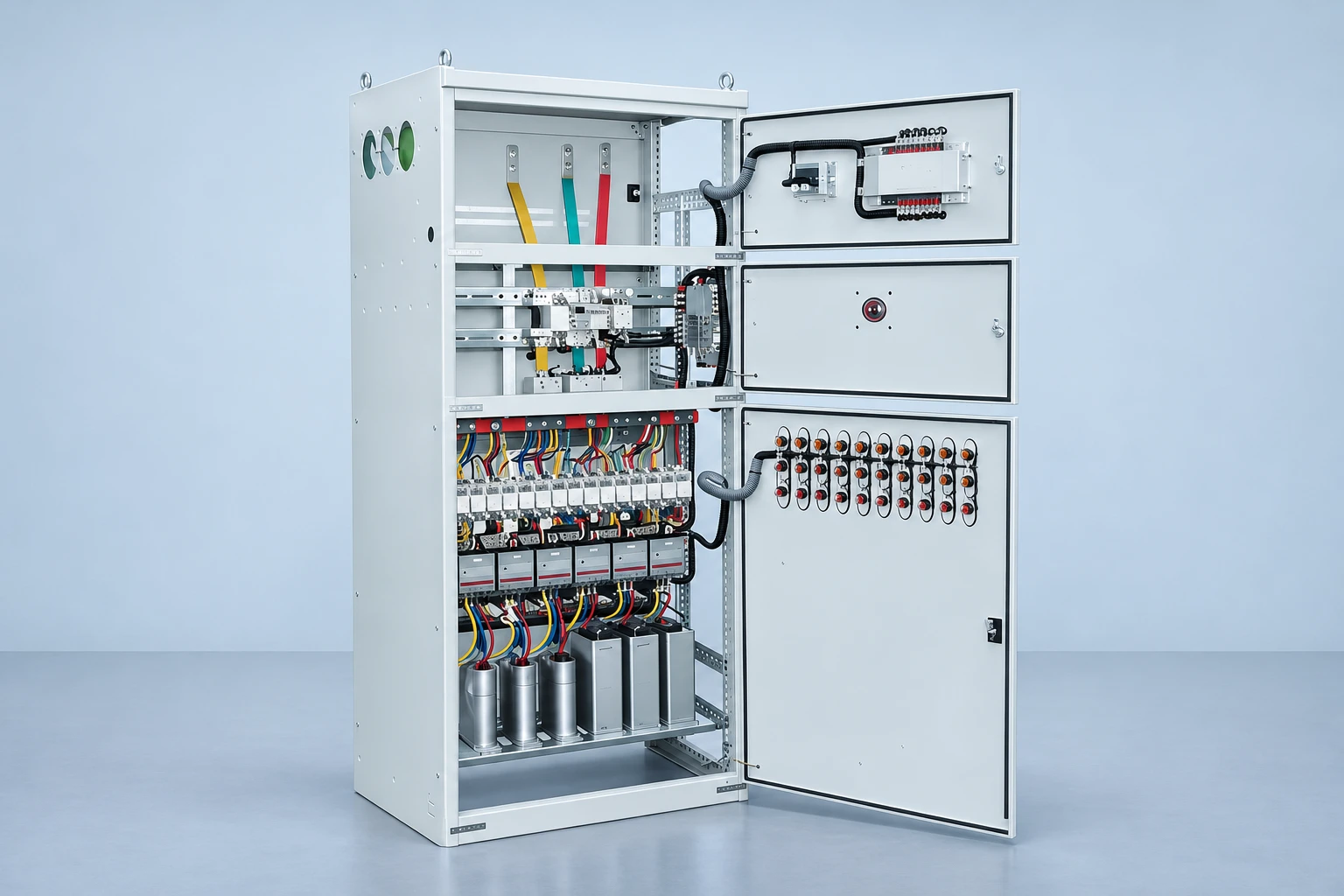
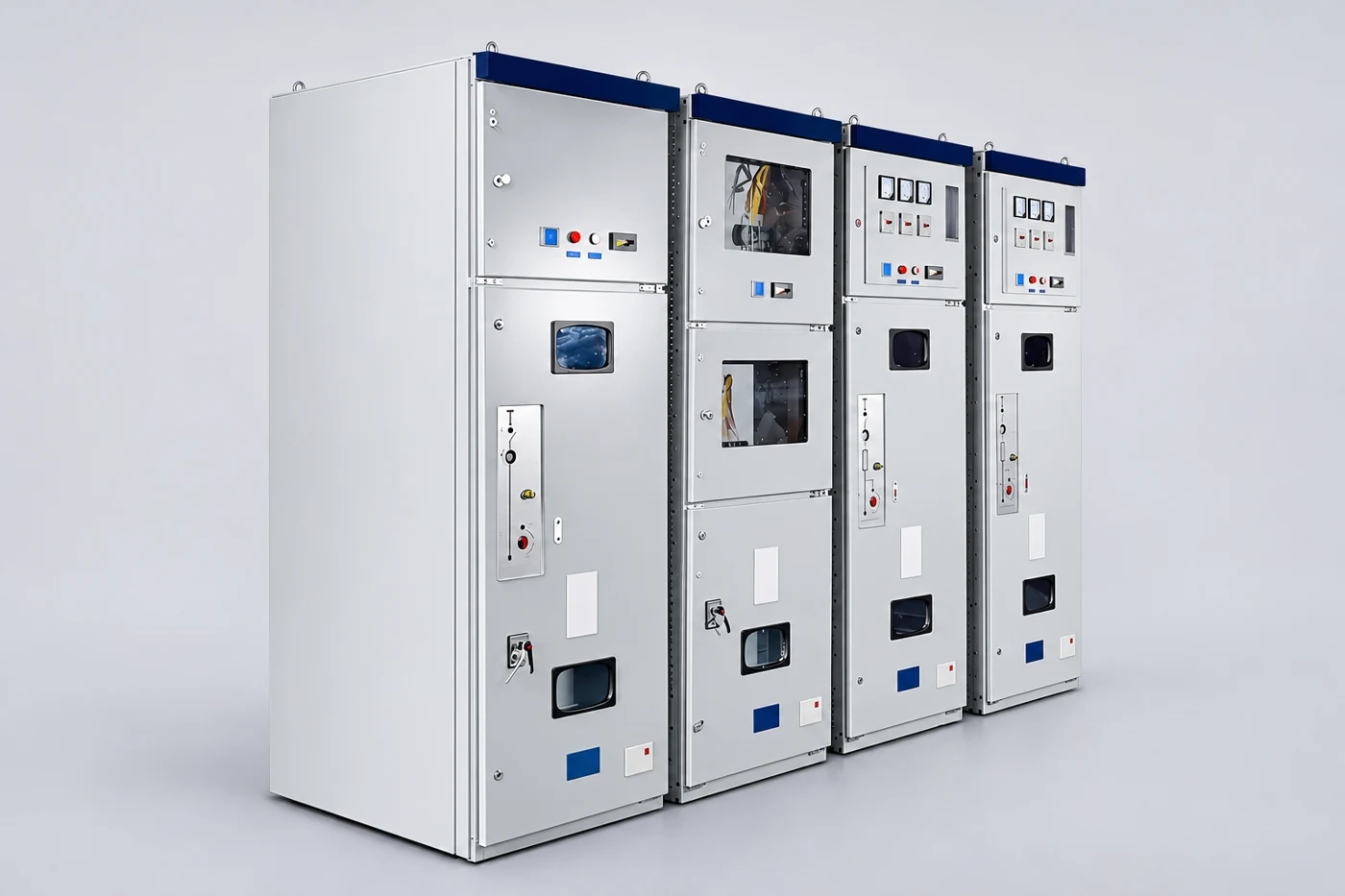
The NENA built-in bypass soft starter product page identifies the relevant equipment family. Its external photograph does not establish a current-limit range, control algorithm, connection diagram or duty rating for your order. Request the exact offered model’s manual and selection confirmation against the motor and load.
Give the supplier more than nominal motor power. Include rated current, supply characteristics, load description, expected acceleration behavior, starts per operating period, ambient conditions and any cabinet installation details. Ask which assumptions determine the offered size. Where a proposal depends on a particular start duration or cooling arrangement, make that condition part of the purchase documentation.
If the load cannot accelerate within the combined constraints, the answer may require a revised mechanical starting condition, a different starter selection or another drive method. Do not assume that an unlimited sequence of parameter changes can overcome an unsuitable application. Escalate the recorded evidence to the motor, process and starter specialists together.
NPTEL IIT Delhi’s lecture introduces induction motor starting and speed control. It provides educational context for the relationship between electrical starting methods and motor behavior. The lecture does not specify settings for the pictured starter and should be used alongside the exact equipment documents.
Watch on YouTube — NPTEL IIT Delhi
The handover should identify the equipment, final parameters, software revision where relevant, approved load condition and recorded start results. Attach the current and voltage observations, event log and any separate evidence of speed or process completion. Record who reviewed the outcome and which operating modes remain untested. A photograph of a keypad is a useful supplement, but it cannot explain the conditions under which the settings were accepted.
Keep a change log for later production adjustments. If operators report a new difficulty, compare the load and supply conditions with the accepted baseline before editing values. This makes the next investigation shorter and reduces the risk of losing a working configuration through undocumented trial and error.
No. The motor must still accelerate within the permitted duty. A lower limit that prevents acceleration or extends starting excessively can be unsuitable even if the peak current looks attractive.
Only after confirming the exact parameter definition and application requirements. The current reference, connection arrangement, motor and load may differ. Use the offered model’s documentation and a controlled commissioning record.
Not necessarily. Extra time does not establish sufficient accelerating torque. Stop at the approved limits, investigate the load and electrical evidence, and review settings with the responsible specialist.
A documented start under the agreed load and supply conditions, checked against motor, starter, supply and process limits. Keep final settings, trends, event records and unresolved conditions in the handover package.