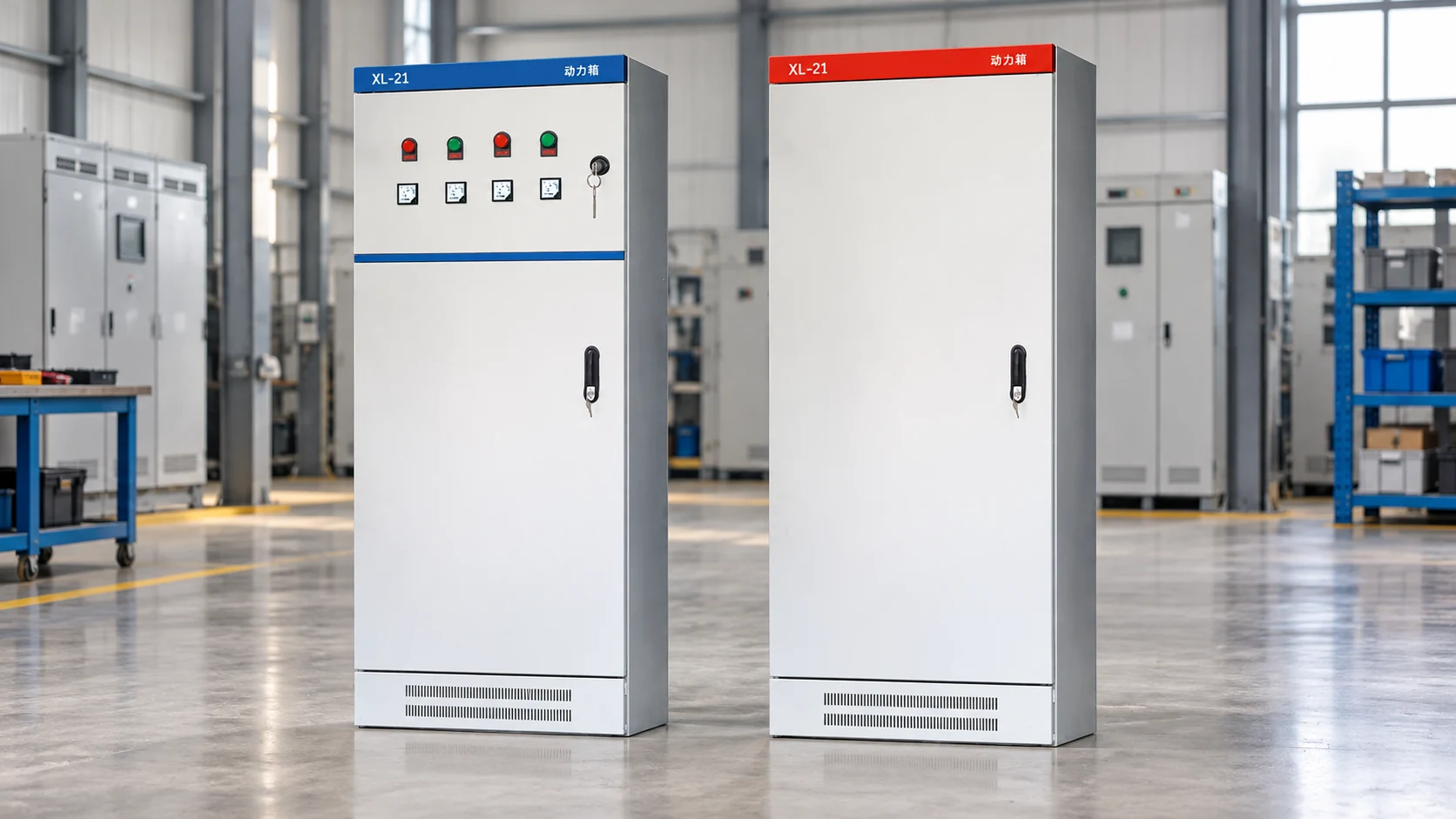
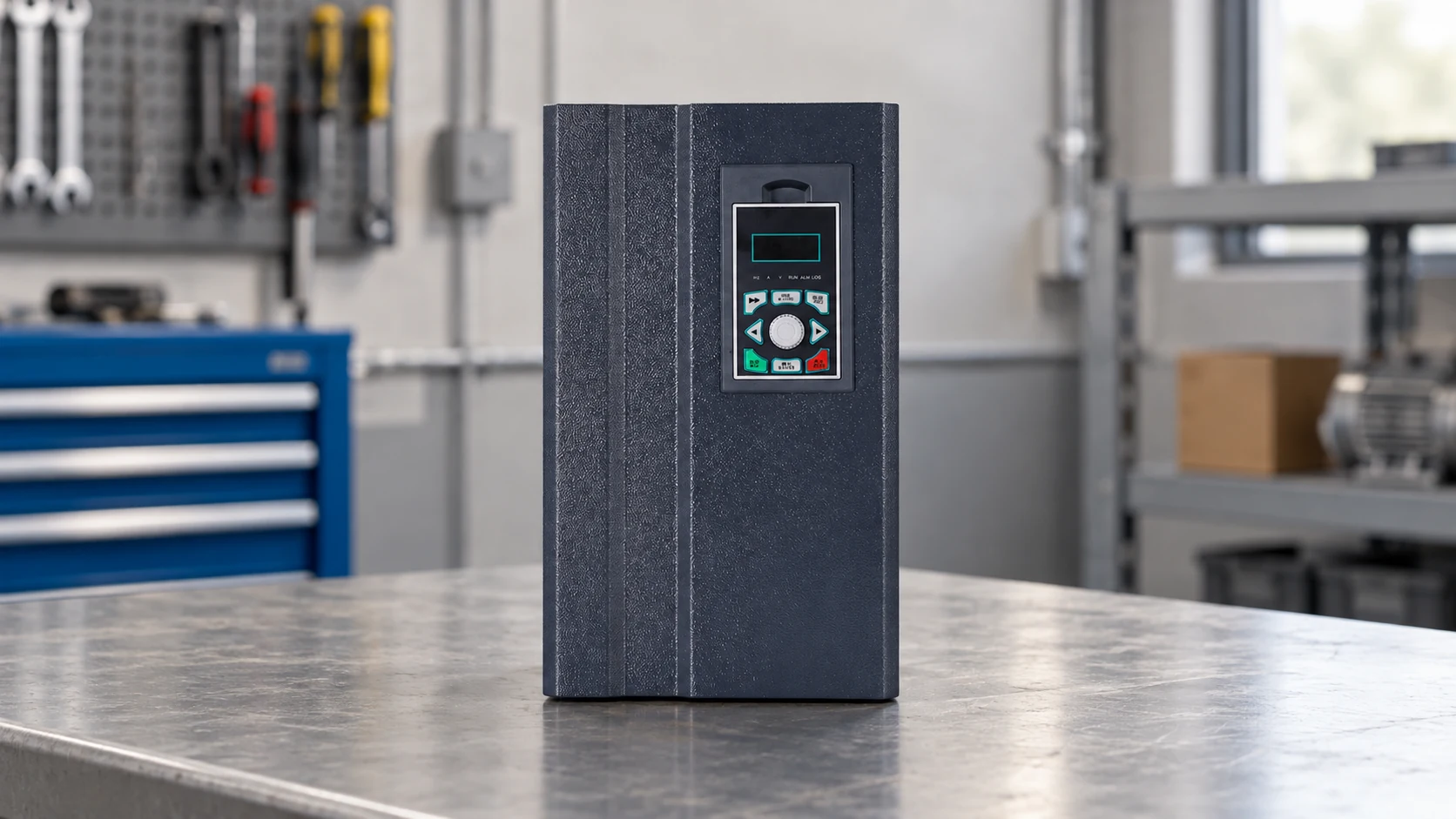
A soft starter is usually the better starting-only option when a motor needs an adjustable acceleration profile or controlled stopping. A star-delta starter can suit a compatible six-terminal motor that starts under a light load and then runs at fixed speed. Neither provides normal continuous speed control. The choice depends on available accelerating torque, supply limitations, transition behavior, start frequency and total installed cost—not simply motor kW. This soft starter vs star delta comparison explains the checks that turn a general preference into a defensible specification.
This guide addresses three-phase squirrel-cage induction motors. It does not cover capacitor-start single-phase motors or provide a field wiring procedure. Final ratings and protective-device selection require the motor data, the starter manual and the applicable installation requirements.
| Decision factor | Soft starter | Star-delta starter | Evidence to request |
|---|---|---|---|
| Starting method | Electronic control of applied motor voltage; available modes depend on the model | Starts in star and changes to delta for normal running | Proposed power circuit and operating sequence |
| Motor connection | Typical in-line arrangement does not require a star-to-delta transition | Requires accessible winding ends and a motor rated for delta operation at supply voltage | Nameplate photograph and terminal diagram |
| Starting adjustment | Settings may include initial voltage, ramp time and current limit | Primarily switching timing and transition design | Actual available settings and permitted ranges |
| Mechanical transition | No star-to-delta reconnection in a conventional in-line start | Open-transition designs briefly interrupt the motor connection | Current and acceleration record under the intended load |
| Stopping | Some models offer a voltage ramp or application-specific stopping function | Conventional arrangement removes power and allows coasting | Required process stop and separate safety functions |
| Continuous speed control | Not its normal function | Not its function | Assess a VFD if running speed must vary |
| Maintenance focus | Cooling, connections, electronics and any bypass contactor | Contactors, interlocks, timer, connections and protection | Inspection access, spares and maintenance instructions |
The comparison concerns conventional arrangements; special circuits require separate evaluation. For the underlying star-delta relationship, see Mar Athanasius College of Engineering’s induction-machine teaching notes. For an introduction to electronic starting, read what a motor soft starter does.
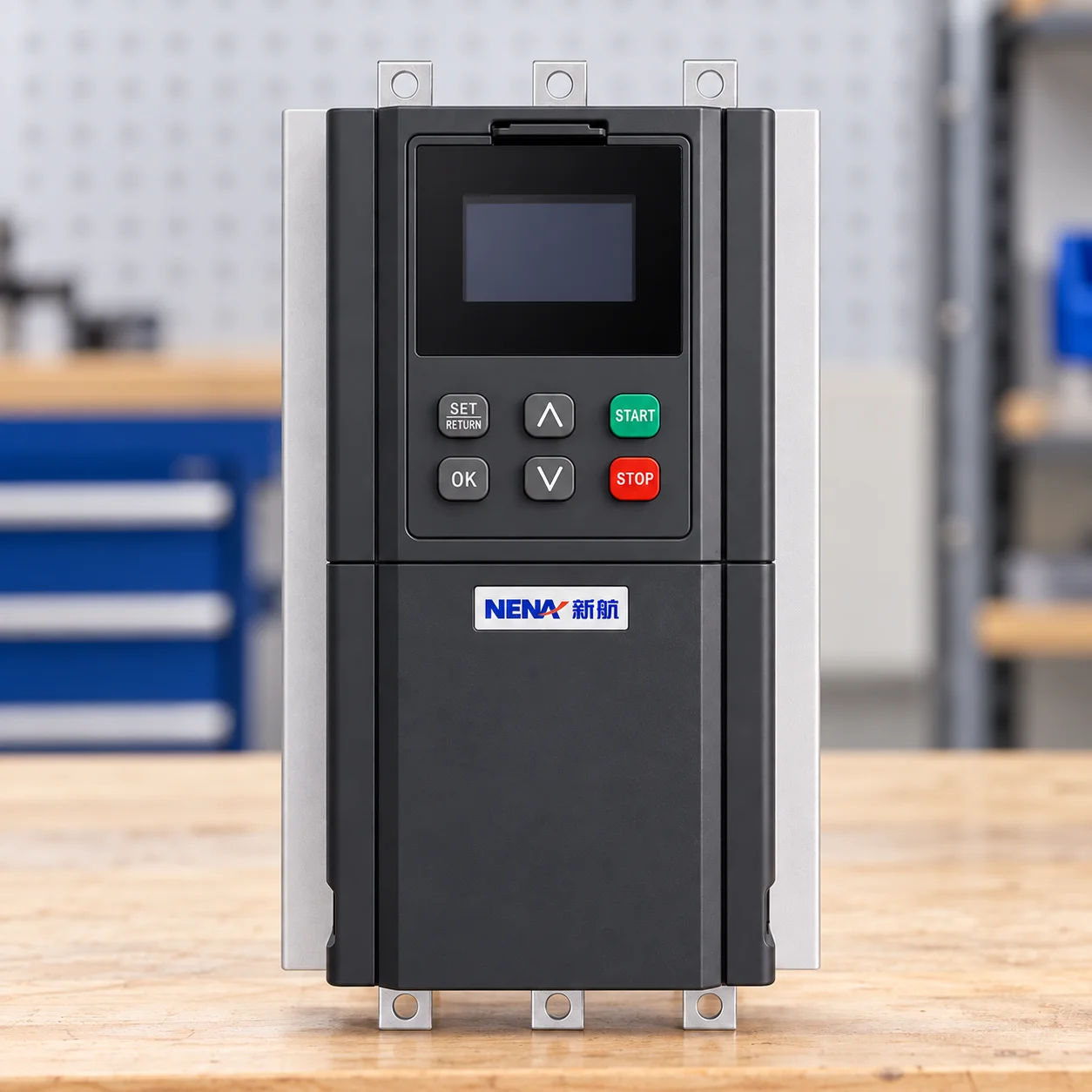
A star-delta cabinet is not compatible merely because the motor is three phase. The motor must have accessible winding ends and be suitable for normal delta running at the actual line voltage. A label showing two voltages should be read together with its connection symbols. The lower and higher voltage entries are not interchangeable operating permissions.
For example, a motor marked 400 V delta / 690 V star can, in principle, be considered for star-delta starting on a 400 V supply. A motor marked 230 V delta / 400 V star normally runs in star on that same supply; changing it to delta at 400 V would apply excessive winding voltage. These are connection examples, not approval for a particular installation. Confirm the complete nameplate and manufacturer diagram before specifying the starter.
An in-line soft starter usually leaves the motor in its approved running connection. Inside-delta soft-starter arrangements also exist, but require explicit support, different connection details and the correct selection method. A quotation should state which arrangement is proposed. Do not apply an inside-delta current-sizing rule to an in-line installation.
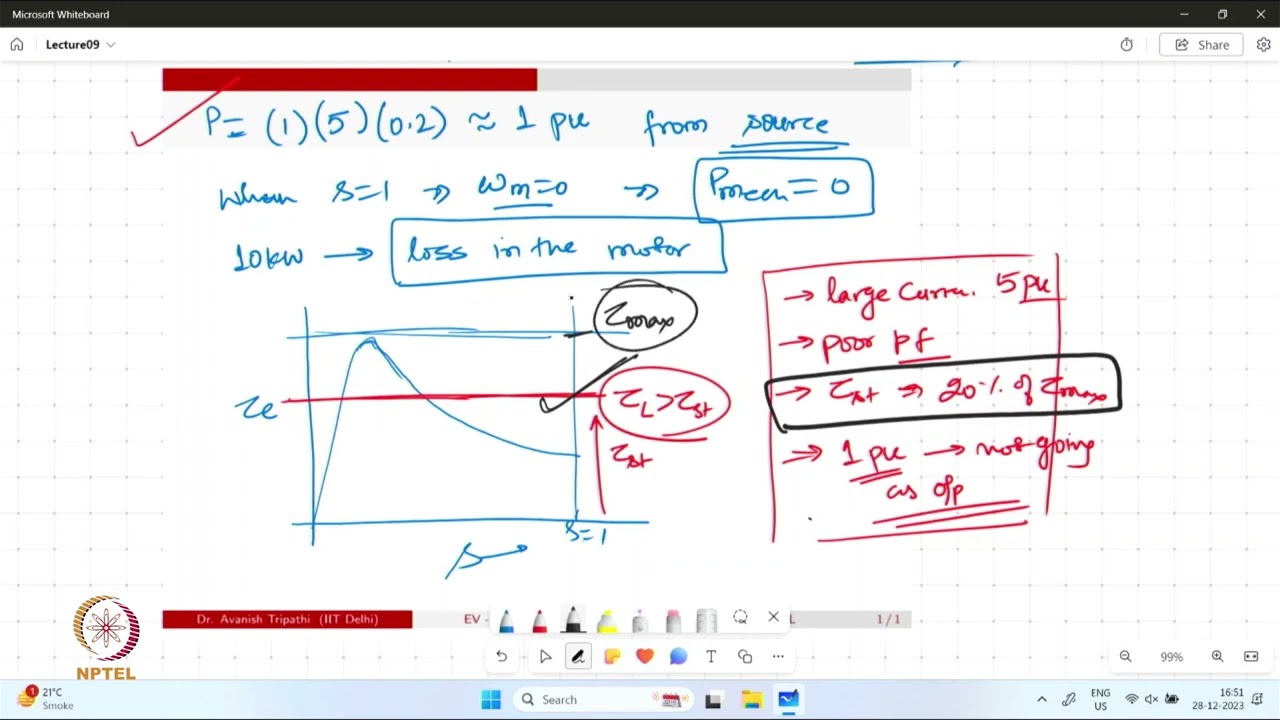
In the ideal same-motor, same-supply comparison, star connection applies approximately 1/√3 of the delta winding voltage. Starting line current and starting torque are each approximately one-third of their direct-delta values. This is a relationship to direct-on-line starting, not a promise that starting current will equal one-third of the motor’s rated running current. Actual acceleration depends on the motor and load curves.
Consider an illustrative motor whose direct-delta starting current would be 360 A under the stated supply conditions. The ideal star-start estimate is 120 A. If its direct-delta starting torque were 180 N·m, the corresponding estimate would be 60 N·m. A load requiring 80 N·m just to break away would fail that initial torque check. The numbers are hypothetical and cannot be used to size a real cabinet.
Soft starting also trades current reduction against starting torque. Turning the current limit down indefinitely does not make a difficult start easier. If the motor cannot develop enough net torque, it may accelerate too slowly or remain stalled while heating. The relevant evidence is the complete current-versus-time and speed-versus-time record, including the most demanding permitted restart.
A practical review asks three separate questions: can the motor break the load away, can it accelerate throughout the speed range, and can the motor and starter tolerate the resulting duration and repetition? Passing only the first question is insufficient. The application-focused three-phase soft starter selection guide provides the broader sizing context.
With open-transition starting, the star connection opens before the delta connection closes. Motor speed, residual voltage, transition timing and supply conditions affect what happens when the circuit reconnects. A plant may experience a current peak or torque disturbance even though the first part of the start looked acceptable.
Do not choose the timer only by copying the previous cabinet. Ask for evidence that the motor reaches the intended transition condition under the actual load. Record both the transition event and the full acceleration. A longer star period cannot overcome a load that requires more torque than the star connection can deliver.
Closed-transition arrangements have additional components and their own design requirements. They should be quoted and evaluated as a distinct solution. Similarly, a soft starter’s bypass contactor is not evidence that it performs a star-delta transition. A bypass provides a running-current path after the electronic starting stage; its sequence and protection must follow the approved design.
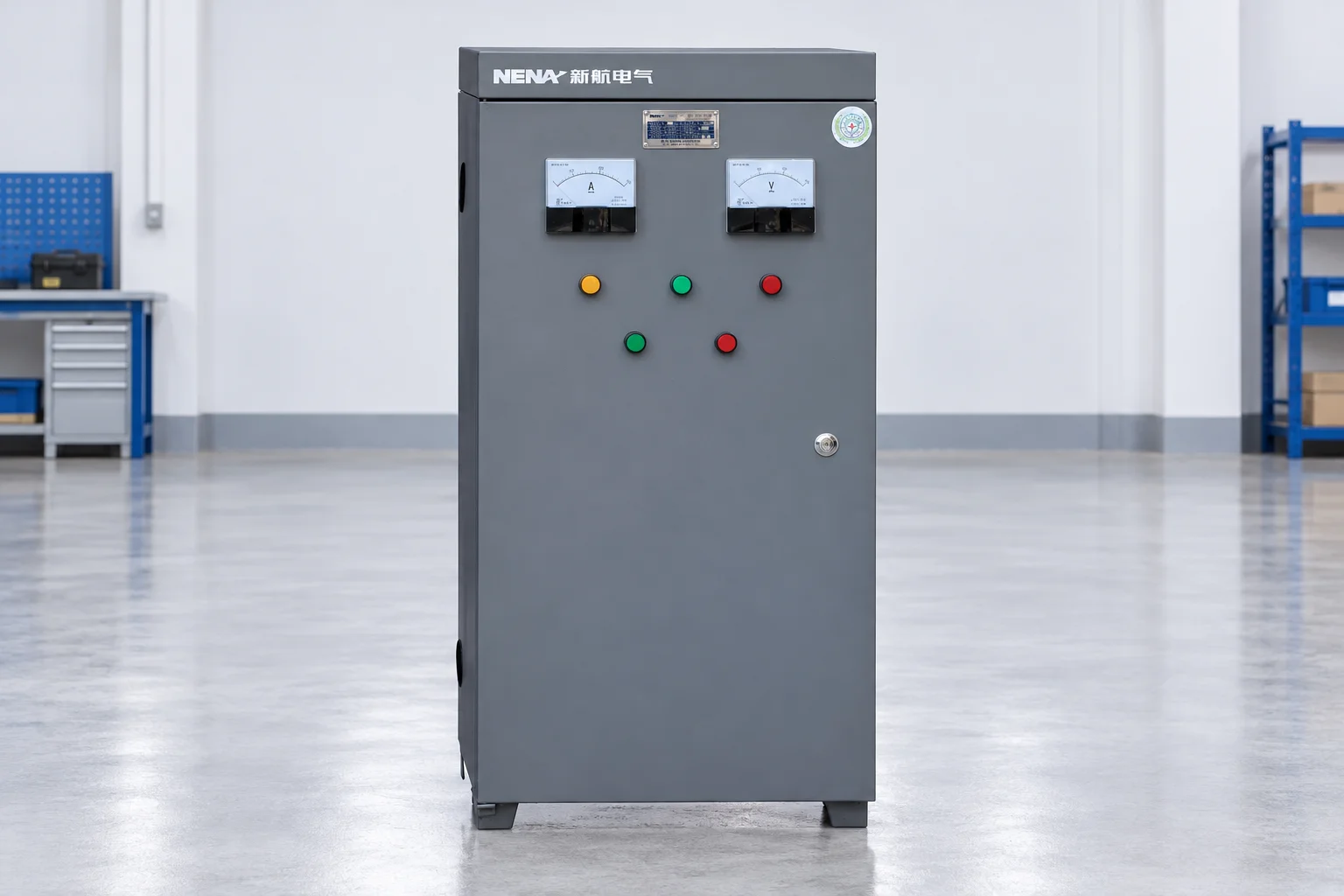
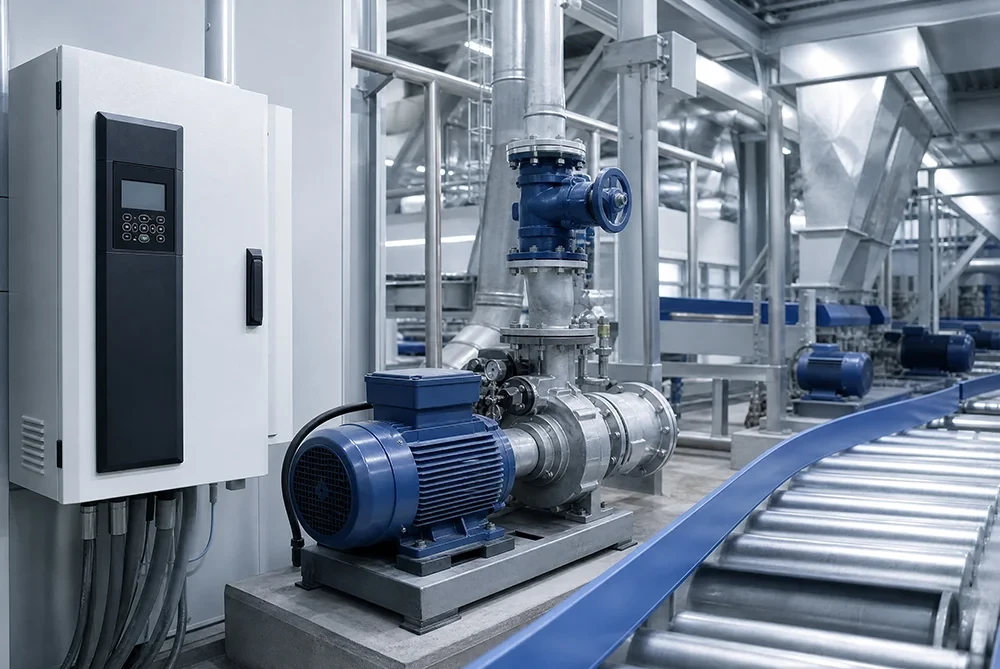
If the plant needs fixed running speed but wants to manage starting disturbance or stopping behavior, a soft starter is a reasonable candidate. Define the permitted pressure change and stopping sequence with the pump-system designer. A voltage ramp alone does not guarantee that water hammer will disappear; pipe layout, valves, inertia and operating points also matter.
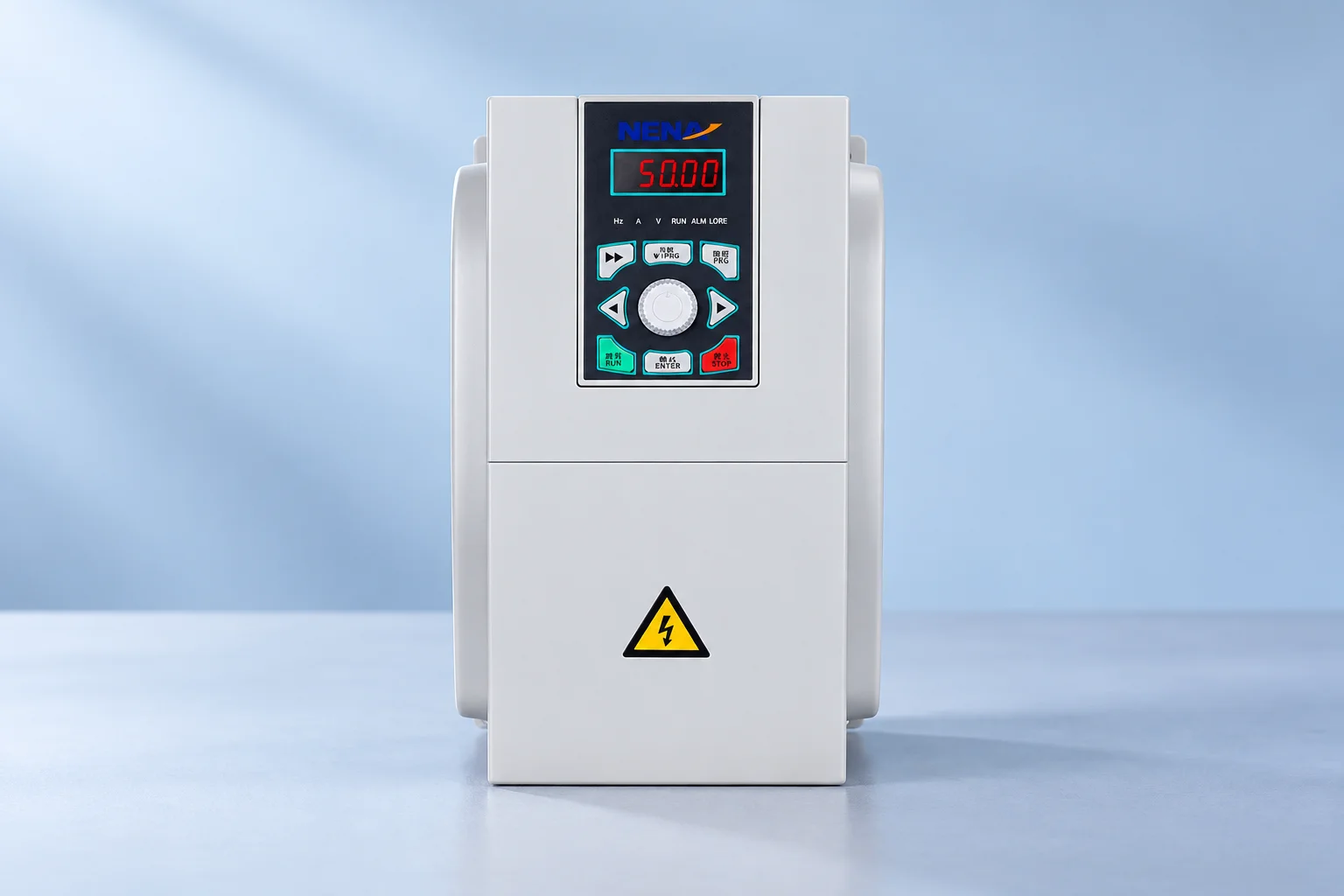
NENA’s soft starter for water pump motors is a relevant product starting point for a quotation. Its suitability must be checked against the actual motor current and starting duty. The power range in a product URL is not a substitute for a model-specific rating.
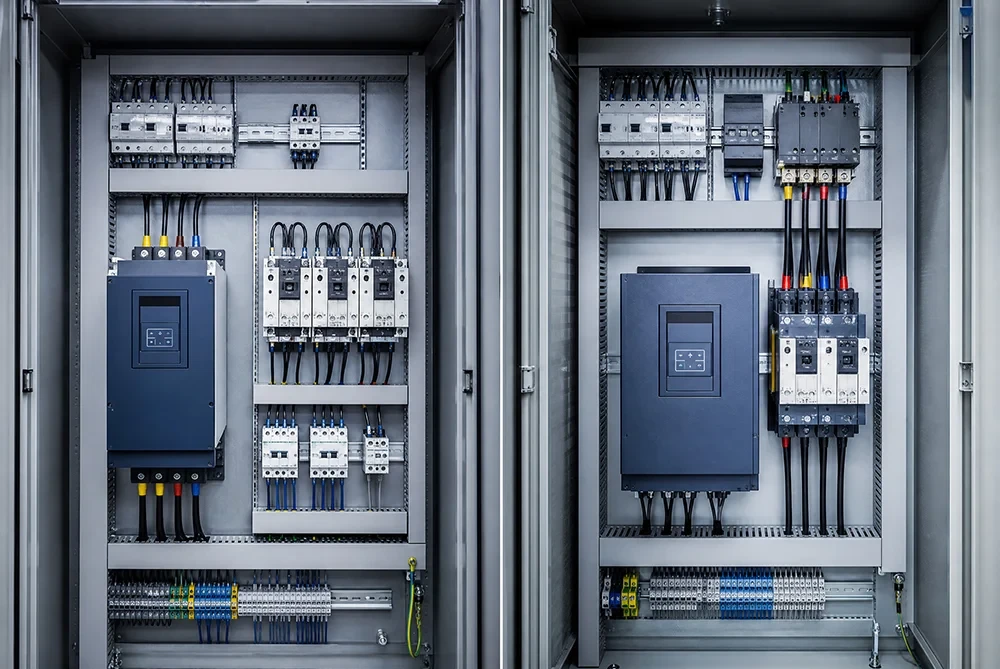
A correctly engineered star-delta arrangement can remain practical where the motor is compatible, the load accelerates with reduced torque and the transition is acceptable. Compare the star-delta starter cabinet as a complete assembly, including protection, controls, motor cabling and commissioning. Comparing a bare electronic module with a finished cabinet gives a misleading price result.
These conditions require particular care. Obtain breakaway torque, acceleration time, starts per hour, consecutive starts and cooling intervals. A soft starter may offer more adjustment, but that does not establish adequate starting capacity. A loaded conveyor can need high torque at low speed, while a high-inertia fan may need a long acceleration even if its initial load torque is modest.
Where running speed must change with production, pressure or airflow demand, compare a VFD instead of forcing a starting-only device into that role. The Natural Resources Canada’s motor reference guide explains why speed-control value depends on the load and process. For a plant-specific example, see our guide to VFD operation for fans.
Send both suppliers the same specification: supply voltage and frequency, motor nameplate current, connection, load type, starting condition, inertia information, maximum acceptable starting current, target acceleration, start repetition, ambient temperature, altitude, enclosure location and control requirements. Include whether restarting after a brief power interruption is permitted.
Ask each supplier to identify what is included: disconnecting means, short-circuit protection, overload protection, contactors, bypass arrangement, control supply, emergency-stop interface, terminals and documentation. Request the applicable assembly and coordination evidence. A list of component certifications does not by itself establish the compliance of the completed cabinet.
Agree on acceptance criteria before ordering. They should cover successful loaded acceleration, measured current, transition disturbance where applicable, correct fault response, the permitted starting sequence and the process stopping requirement. Record actual settings and test conditions so that later changes can be evaluated. A demonstration with an unloaded workshop motor does not prove performance on a loaded production machine.
Installation and servicing belong to qualified personnel under the site’s energy-isolation procedure. A stopped motor or dark display does not establish electrical isolation. OSHA’s hazardous-energy guidance addresses unexpected starting and stored-energy release. Local rules and the equipment instructions determine the procedure for the actual site.
This NPTEL IIT Delhi lecture explains induction-motor starting and speed-control principles. It provides educational background; it is not a wiring or commissioning instruction for a NENA product.
Watch the lecture on YouTube — NPTEL IIT Delhi
No. A compatible motor with a light starting load and an acceptable transition may suit star delta. A soft starter offers electronic adjustment, but it still needs sufficient starting torque and adequate thermal capacity for the duty.
No. The ideal one-third comparison is with direct-delta starting current for the same motor and supply. It is not a one-third-of-rated-current guarantee.
Not without a design review. Check motor connection, starter arrangement, protection, cabling, controls, bypass and starting duty. Treat the replacement as an engineering change rather than a terminal-for-terminal swap.
Neither normally saves energy by reducing running speed. Compare running losses and actual operating duty. If speed can follow process demand, assess a VFD and the complete motor system separately.