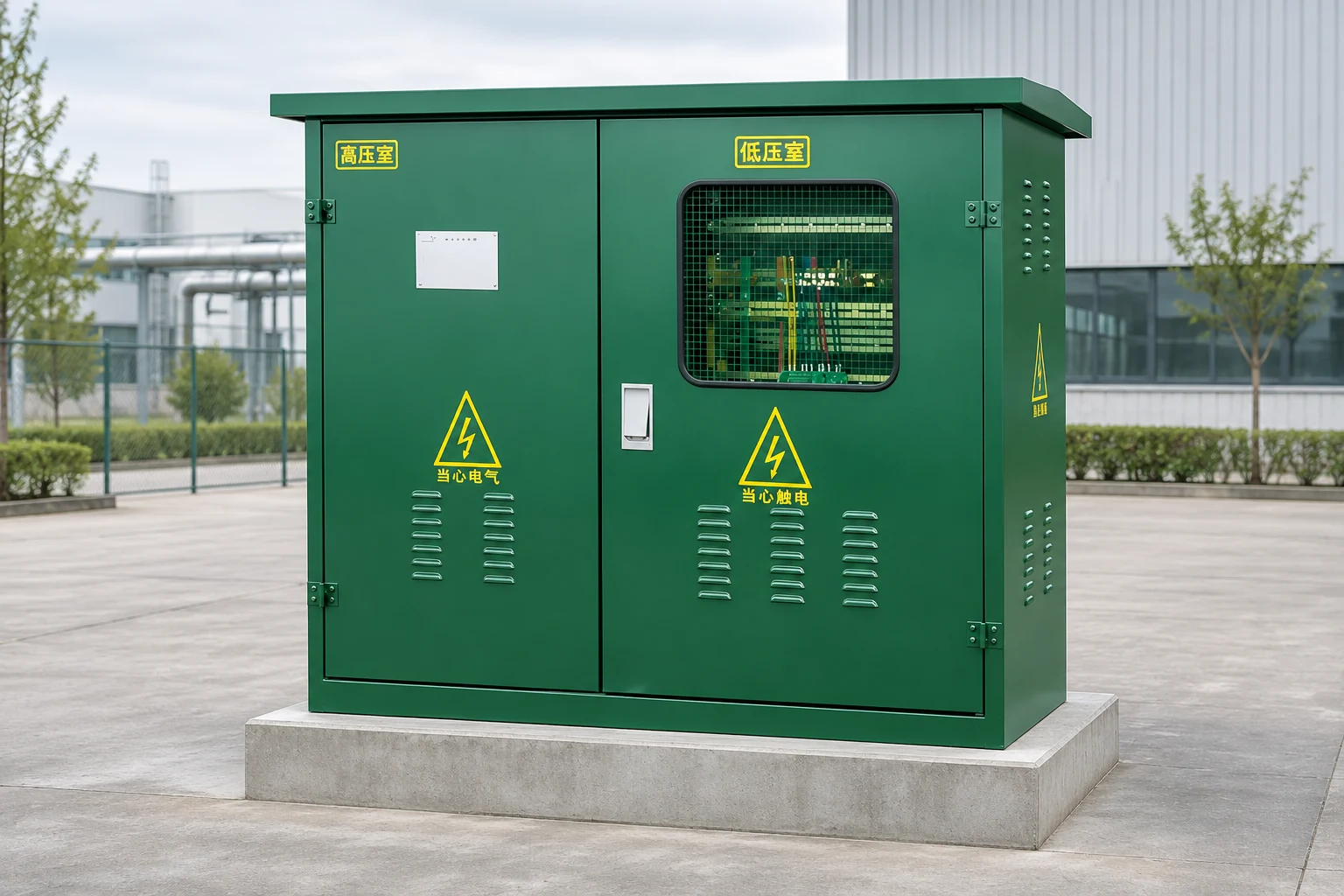
A pump hand off auto switch selects how a pump receives its normal operating command. Hand usually selects local manual demand, Off inhibits the normal run command, and Auto permits an automatic control source to request operation. The exact response, retained protections and restart behavior depend on the installed circuit. Off is not maintenance isolation, and Hand should never be assumed to bypass every protective function. Before operating or specifying the switch, confirm the approved sequence, identify the active command source and establish how actual pump running is indicated. This guide helps industrial owners turn those questions into a clear control-box specification.
Three familiar words do not define a complete pumping system. A hardwired selector, PLC input and drive keypad can implement different relationships between local demand and automatic operation. The installed drawing and operating description determine the meaning for the particular machine. Operators should receive that description rather than learn the sequence by experimenting on a live process.
Ask what each position does to the run request and which conditions can still stop operation. Also ask whether selecting Hand immediately requests running or merely enables separate start and stop controls. Those are different operator experiences. A supplier’s answer should identify the actual design rather than rely on the word “manual.”
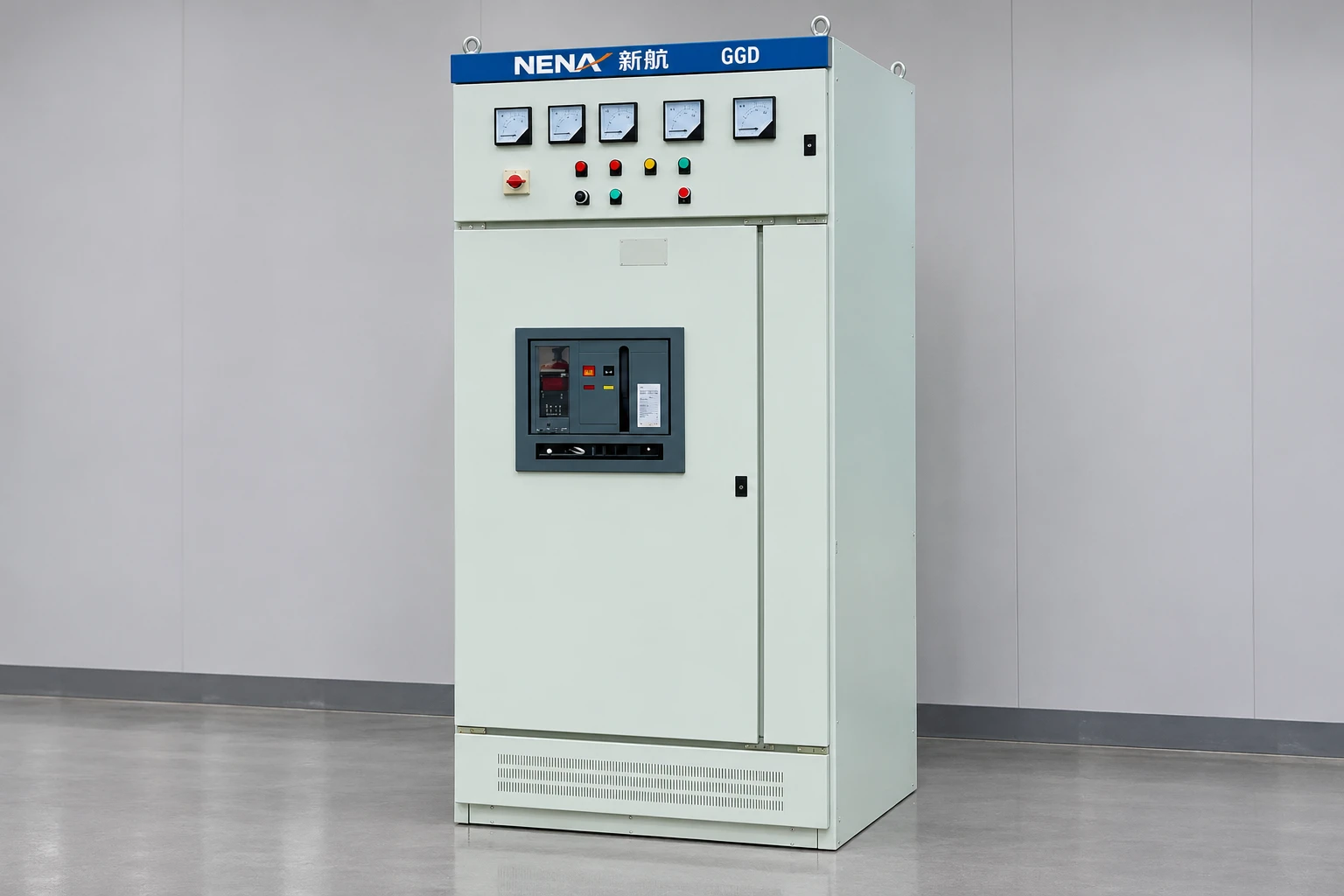
The NENA duplex water-pump control box is the relevant product reference. Its photograph shows lamps and two selectors, including a manual/stop/automatic legend. That appearance does not prove the internal circuit, independent control of each pump, remote communications or a particular bypass arrangement. Confirm the supplied sequence and drawings for the actual order.
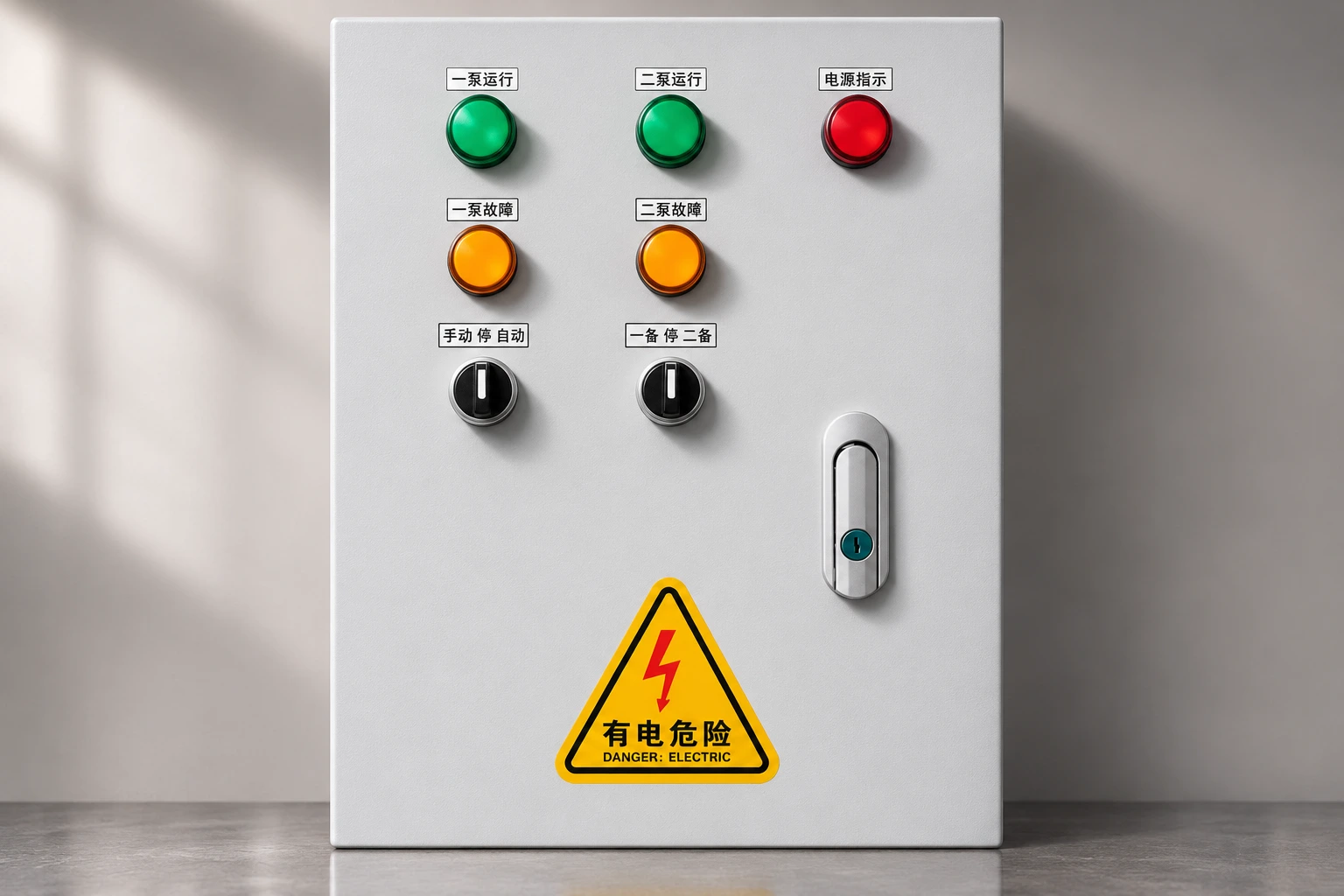
Hand operation normally gives an operator a local way to request pump operation. It may be useful during a controlled functional check or an approved operating task. It does not establish that the pump has water available, that the discharge path is correct or that running is appropriate for the process. The operator still needs the authorized operating instructions.
A key specification question is which permissives and protections remain effective. Do not use “bypass” as a blanket requirement. Identify each relevant input and obtain an approved response for Hand mode. Dry-running protection, motor protection and emergency functions must be addressed by the responsible designer for the installation, rather than inferred from a generic selector diagram.
Seattle Public Utilities’ pump-station design chapter gives a defined example of Hand, Off and Auto command authority. It is a utility-specific specification, not a universal rule for all NENA cabinets. Its useful lesson is that authority and status should be described explicitly and tested against the project requirements.
Off can prevent a normal run command while power remains present elsewhere in the cabinet or machine. A stopped pump can also retain pressure or be exposed to returning flow. The selector’s operating purpose is separate from the equipment’s energy-isolation arrangement. Never use a front-panel legend as proof that internal terminals or mechanical components are safe to touch.
The OSHA hazardous-energy control rule distinguishes control-circuit devices from energy-isolating devices. Its application depends on the workplace and task, but the distinction is essential when preparing operating and maintenance instructions. A selector that stops normal operation is not automatically a lockable isolation point.
Provide separate instructions for routine mode selection and maintenance access. The maintenance procedure must identify the actual isolation points and required verification, including relevant non-electrical energy. A note saying “leave switch Off” is not an adequate substitute. Where staff roles differ, make the boundary between operator tasks and qualified maintenance work easy to understand.
Auto generally permits a separate demand source to determine when the pump should run. That source could be a level arrangement, pressure controller, PLC or another system. A selector in Auto therefore does not necessarily mean the pump should be running at that moment. The process may be satisfied, or an approved permissive may be absent.
When automatic operation is unavailable, distinguish an absent demand from a rejected command and a failed start. These conditions need different investigation. An operator should be able to report the mode, relevant demand indication, actual running feedback and exact alarm without opening an energized enclosure. If those indications are unavailable, include that limitation in the service request.
For remote systems, document which location has authority and how a local mode change appears remotely. A dashboard should not confuse “Auto available” with “motor running.” Ask how communications loss, controller loss and power restoration are handled. The answers must come from the approved sequence and equipment behavior, not from assumptions about normal operation.
| Review item | Question for the supplier | Evidence required |
|---|---|---|
| Hand demand | Does selection request running or enable separate controls? | Operating sequence and observed functional response |
| Off state | Which normal command paths are inhibited? | Approved circuit and mode test record |
| Auto demand | Which source may request a start? | Input list and process sequence |
| Protection | Which protective responses remain effective in each mode? | Approved response matrix and verification |
| Running status | Is the indication command-based or actual feedback? | Signal definition and end-to-end check |
| Restoration | What happens after supply or communications return? | Defined restart behavior and controlled test |
This qualitative table is a procurement checklist, not a wiring diagram. It intentionally avoids universal bypass instructions or time values. The project team should fill in the actual sequence before accepting the control system. Keep approved revisions with the cabinet documentation so a later replacement switch or controller is reviewed against the same requirements.
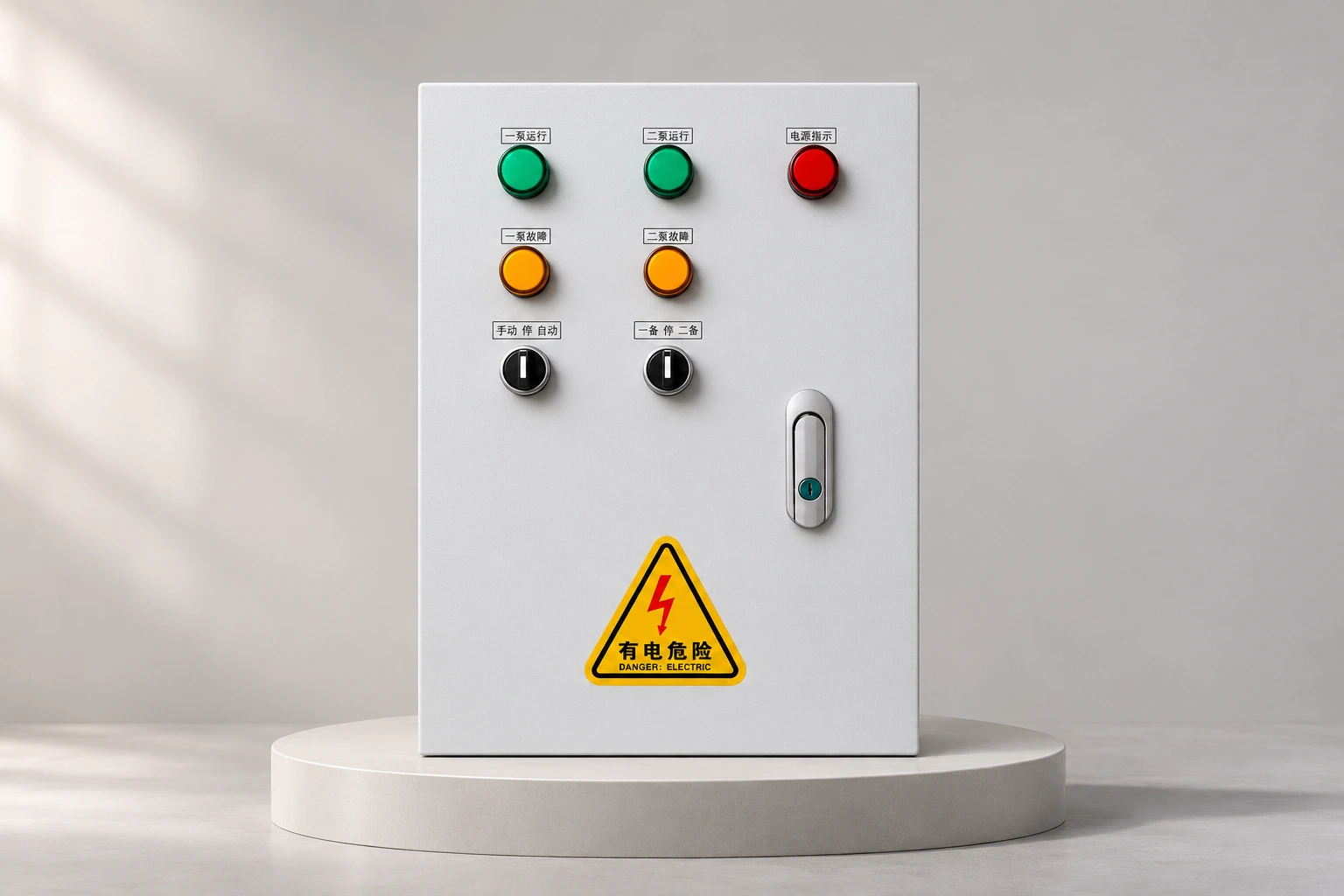
A mode change can alter the active request immediately. Moving from Hand to Auto may stop a pump and later permit an automatic restart, depending on the switch and circuit. Moving into Auto while demand already exists may have a different result from moving into Auto when the tank is satisfied. Both situations deserve an explicit operating description.
Review process consequences before testing. Sudden loss of pumping can affect storage or production, while an unexpected start can expose people to moving equipment or fluid release. Use a controlled functional test with authorized personnel, known process conditions and a clear stop arrangement. Do not invite an operator to discover the response by repeatedly turning the selector.
Retain the initial mode, demand state, intended result and observed result for each approved test. If actual behavior differs, preserve the evidence and have the designer review it before production use. A successful test of one position does not establish the complete transition sequence or behavior after an interruption.
A two-pump cabinet can combine several functions: selecting command authority, sharing duty, providing standby capacity and responding to increased demand. One selector may concern operating mode while another concerns pump availability or duty assignment. Identify each function from the supplied legend and drawing. Do not assume two selectors mean independent HOA control for two motors.
The duplex alternation guide explains the separate question of distributing operation between pumps. The high-level alarm discussion concerns abnormal process response. A pump placed in Off may affect the available capacity, but the resulting alarm and standby response must be defined for the actual station.
Likewise, the float-switch troubleshooting article concerns a possible automatic input. It does not establish the command priority of this cabinet. Keeping these subjects separate helps the service team investigate whether the problem is the input, operating mode, controller logic or pump response.
Request durable legends that match the actual control sequence and the language used by operators. A short operating sheet should explain what each lamp reports, what each selector controls and whom to contact when the expected response does not occur. Avoid labels that claim a safe isolation condition when they describe only an operating mode.
The HSE electrical safe-working guidance supports planning and competence for work on electrical equipment. Include the approved maintenance boundary in the handover without turning the operator sheet into a live troubleshooting procedure. Electrical access and changes to the circuit remain qualified tasks.
For a quotation, supply motor details, sensor types, process description, required modes, indication needs and restoration requirements. Ask the vendor to confirm the offered functions in writing. During acceptance, compare the delivered sequence with that response and retain any approved changes. A clear functional record is more useful than a photograph of a familiar three-position switch.
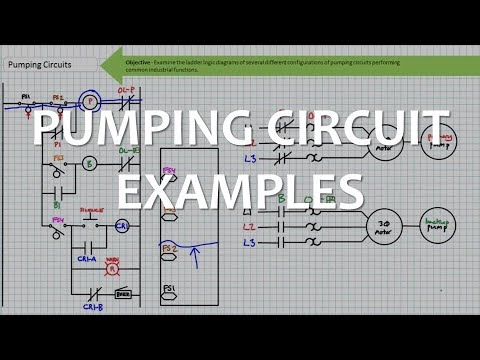
The educational lecture below presents pumping circuit examples and helps explain the relationship between inputs, control logic and a run request. It is background learning, not a drawing for the NENA product shown here. Do not copy a circuit or bypass a field device without an approved design and safe work procedure.
No. The retained protections and permissives depend on the approved circuit. Obtain a written response for each relevant function instead of assuming a universal bypass.
Off is an operating-control position. It does not establish energy isolation or verification of safe conditions for electrical or mechanical work.
Automatic demand may be absent, a required permissive may not be satisfied, or a fault may prevent operation. Separate demand, command and actual running evidence before diagnosing the cause.
No. Position indicates the selected mode. Actual running requires the defined feedback or observation; the project documentation should distinguish those signals.