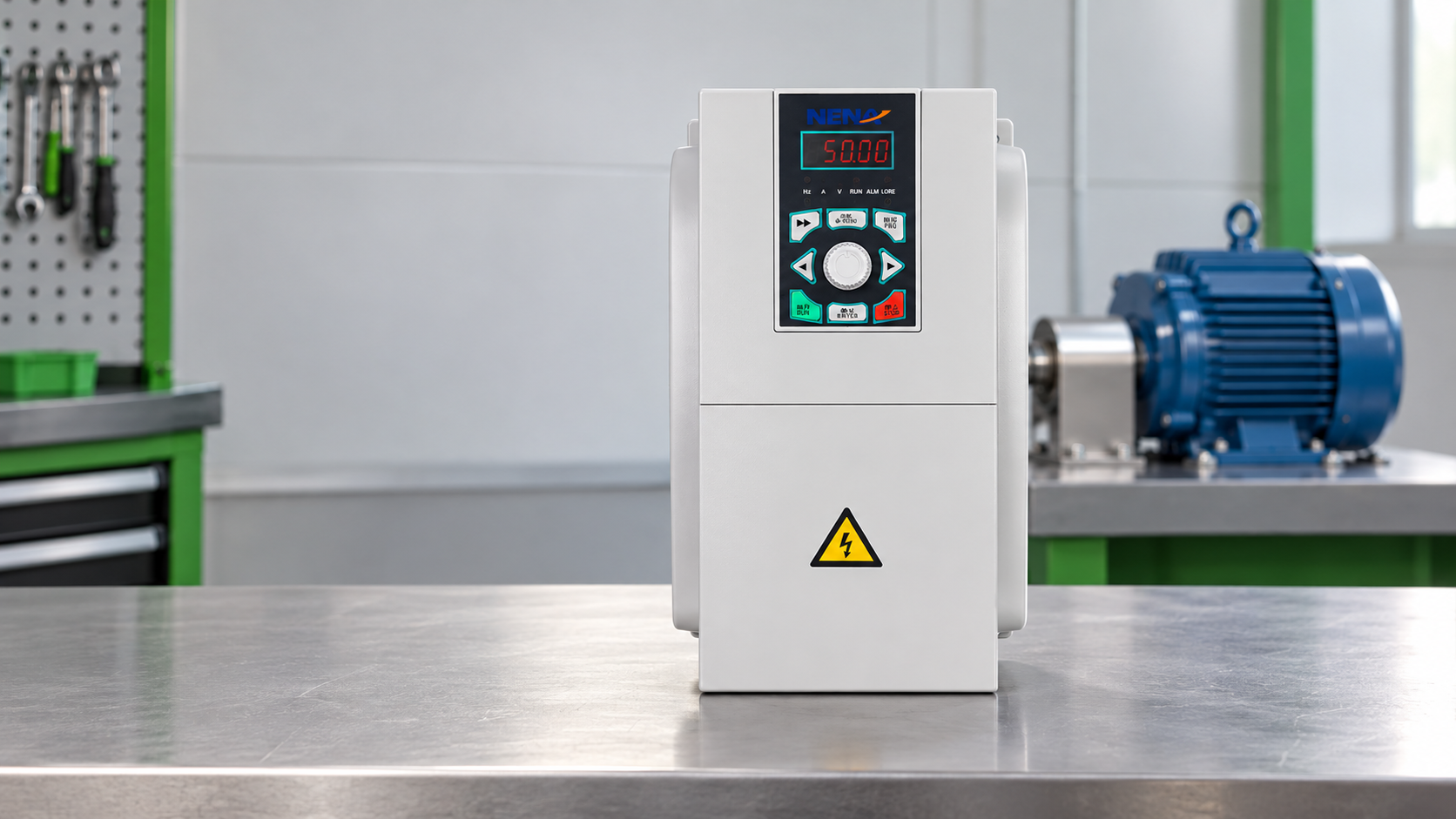
When Priya Nair, a Pune maintenance supervisor, restarted a loaded conveyor after a brief outage, the belt jerked, the coupling guard rattled, and feeder protection tripped before the motor reached speed. The insulation test passed; the failure stemmed from direct-on-line starting of a high-inertia load without checking breakaway torque, starting current or restart frequency. A revised starting method with measured ramp restored predictable starts—no motor change needed.
Summary: A soft start reduces induction-motor acceleration shock by controlling applied voltage. Direct-on-line motors typically draw 5–8× full-load current during startup, though nameplate and load determine actual values. Specify starters from motor current, inertia, torque, starts/hour, bypass duty, and IEC 60947-4-2 or local requirements; verify during commissioning.
An induction motor presents a low-impedance condition while its rotor is stationary. The first cycles can therefore create a large current pulse, a supply-voltage dip, and a sudden torque step. In a controlled soft start, antiparallel silicon-controlled rectifiers (SCRs, also called thyristors) delay conduction in each half-cycle and progressively increase the applied RMS voltage according to a configured ramp.
The basic relationships explain why settings must be tied to the load:
The first commissioning record should include motor full-load current, initial voltage or current limit, ramp time, any initial-torque setting, stop mode, and measured acceleration time. A soft start controller is therefore a control choice tied to measurements, not simply a lower-current replacement for a contactor.
The purpose of a motor soft starter is to shape the transition from zero speed to normal line speed. It can reduce belt pull, coupling shock, water hammer, pressure surges, and nuisance trips when the load is suitable. It does not provide the broad running-speed range of a variable-frequency drive (VFD), because the supply frequency remains essentially unchanged after the start.
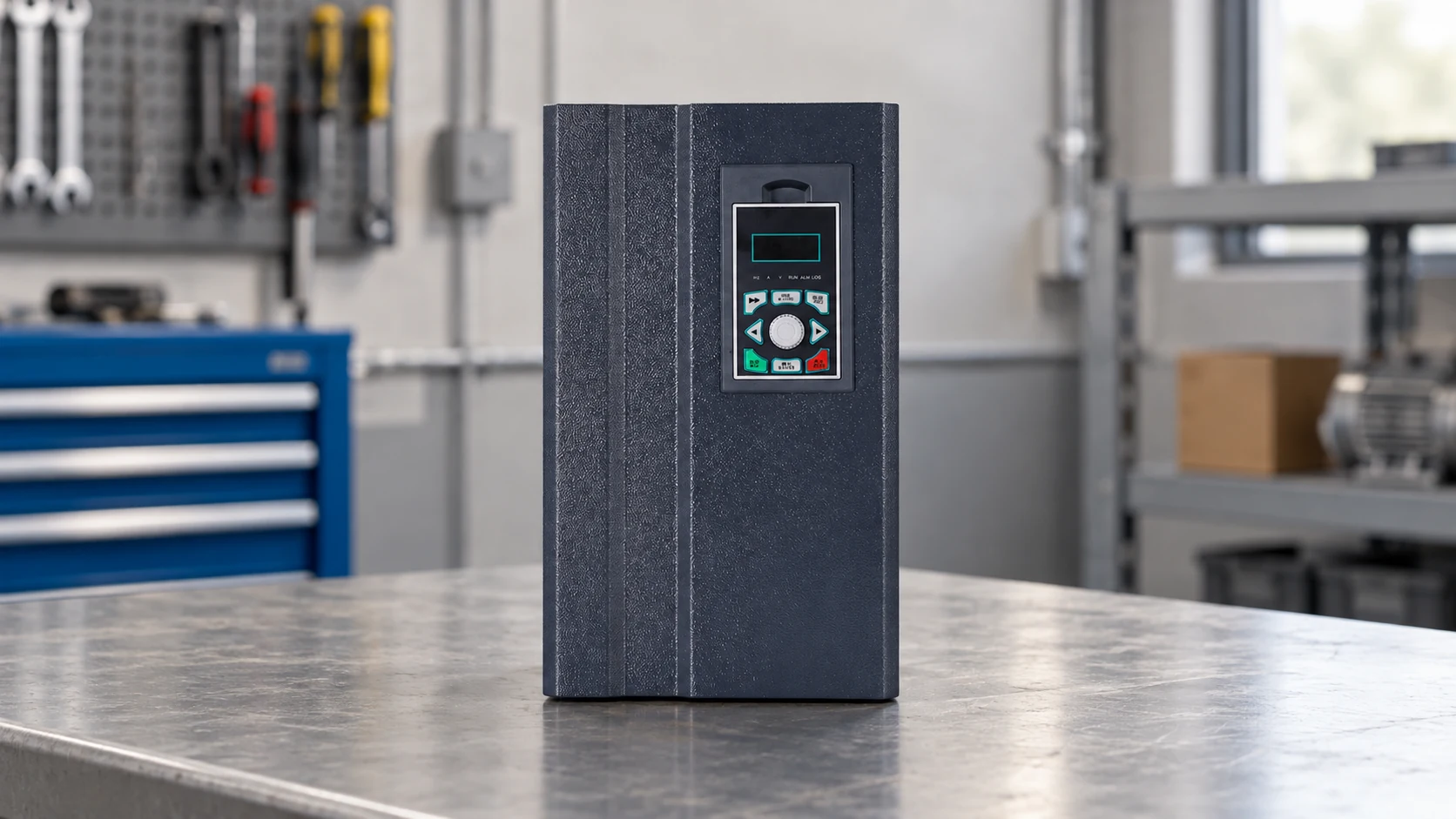
The power path commonly includes three controlled phases, gate-control electronics, line and load terminals, thermal protection, and a bypass contactor or bypass path. A bypass may close after acceleration to move steady-state current away from the SCRs and reduce their heat dissipation. The bypass must be rated for the motor duty and coordinated with overload and short-circuit protection; it does not replace isolation or an emergency-stop strategy.
Deceleration deserves the same attention as acceleration. A coast stop removes power and lets the load stop naturally. A soft stop extends voltage reduction to limit hydraulic or mechanical shock, but it cannot guarantee a fixed stopping time for every load. A pump with a check valve may still need process-level anti-surge measures, so test the actual sequence rather than selecting a stop time from a catalogue alone.
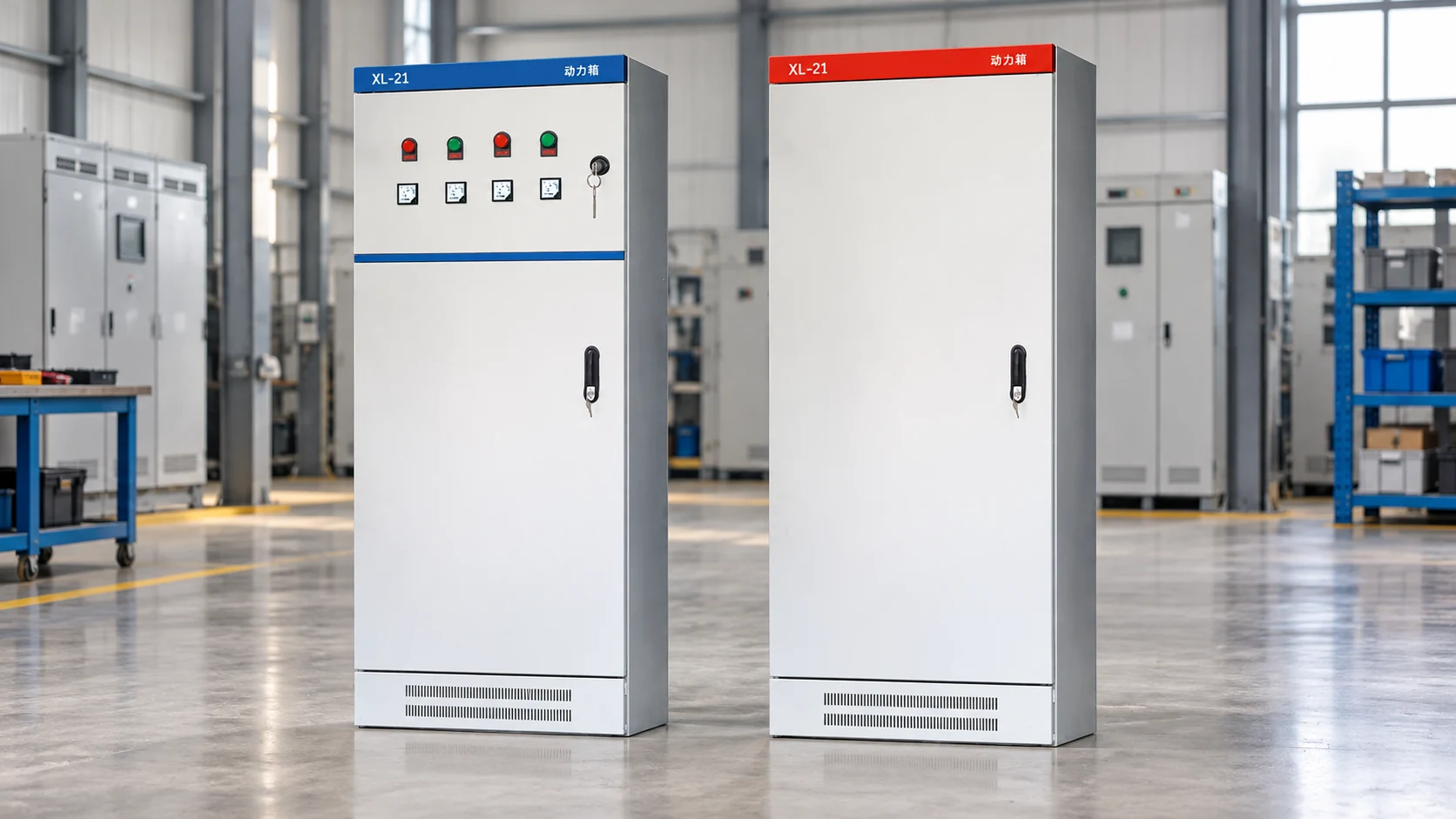
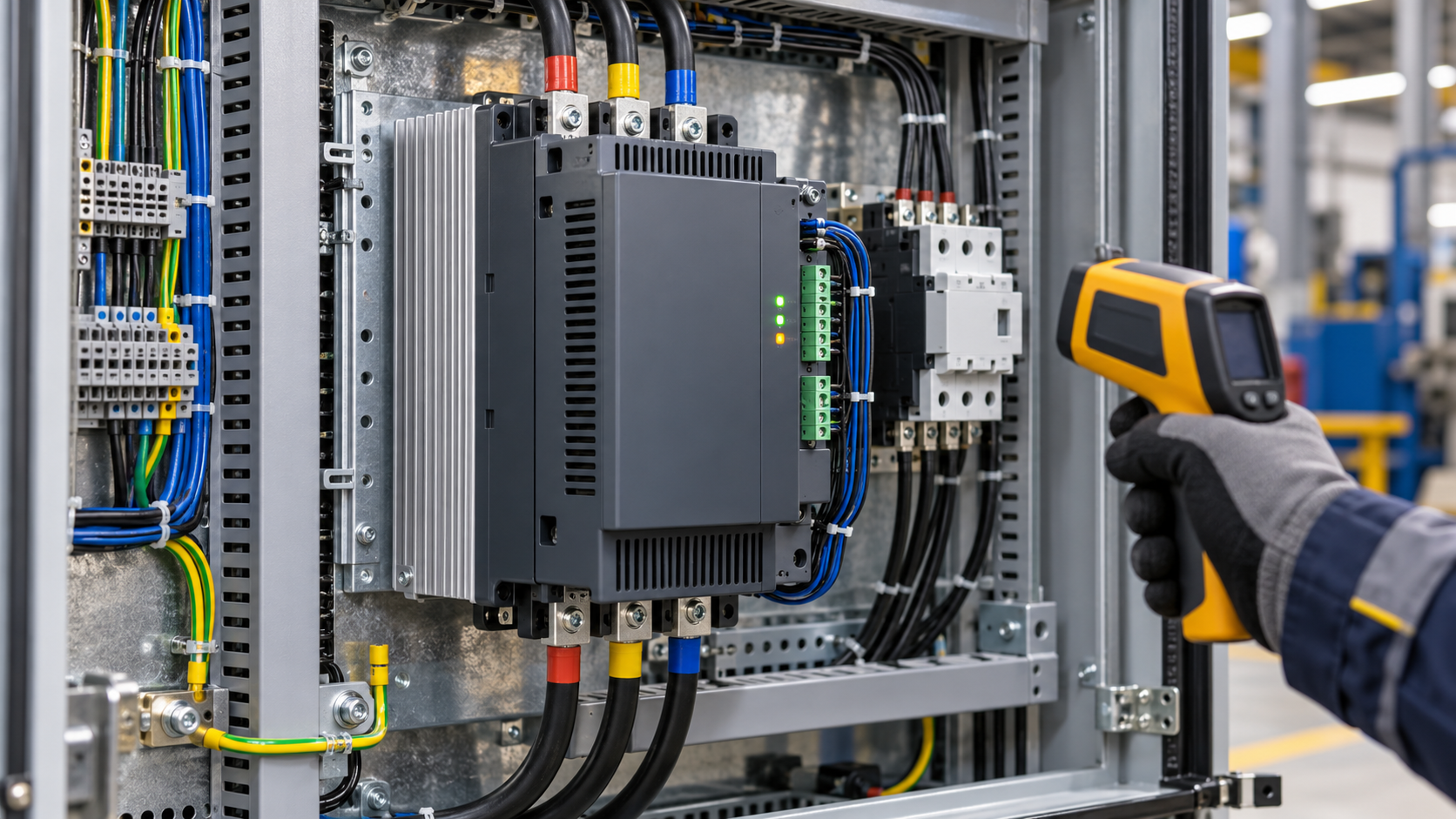 Panel design must coordinate switching, bypass, overload protection, isolation, and heat removal.
The current and thermal rating of softstarters must match the motor duty, not just the horsepower label. Start with motor voltage, full-load current, service factor, connection arrangement, and the actual load profile. Then check starts per hour, starts per day, ambient temperature, enclosure ventilation, altitude, cable length, and whether a restart is requested while the motor is warm.
Load-side data is equally important. Record reflected inertia, static breakaway torque, running torque, acceleration time, pump head or system pressure, and minimum-flow constraints. A starter that is adequate for an unloaded fan may stall a loaded conveyor or a positive-displacement compressor. If a current limit is selected, confirm that available torque stays above load torque throughout acceleration.
For a first-pass thermal check, compare the device’s rated current and permissible start-duty curve with motor current and measured start duration. The final check should follow the manufacturer’s derating data and the relevant test method; do not infer overload capability from a nominal horsepower line alone. In a panel, also verify short-circuit current rating (SCCR), protective-device coordination, control-voltage compatibility, and enclosure heat balance.
The lowest purchase price can become the highest total cost if starts cause trips, mechanical repairs, production stoppages, or hydraulic events. The table compares common methods without assigning a universal price ranking; actual total cost depends on duty, motor size, panel construction, commissioning effort, and site conditions.
| Dimension | Across-the-line starter | Soft starter | Variable-frequency drive | Procurement implication |
|---|---|---|---|---|
| Starting current | Highest; commonly several times full-load current | Reduced and configurable, subject to torque demand | Controlled through frequency and current limits | Verify utility, generator, and voltage-drop limits |
| Starting torque | Full-voltage torque step | Adjustable voltage and torque profile | Broad low-speed torque control | Match the curve to breakaway and acceleration torque |
| Running speed | Line frequency | Normally line frequency after start | Continuously adjustable | Use a VFD when process speed must change |
| Mechanical stress | Highest shock potential | Lower shock when tuned correctly | Low and highly controllable | Consider couplings, belts, valves, and pipework |
| Harmonics and EMC | Generally low switching contribution | Switching waveform effects during ramp | More high-frequency EMC and harmonic work | Follow installation, grounding, and filtering guidance |
| Bypass and heat | Contactor losses; limited electronic heat | Bypass can reduce steady-state SCR losses | Drive remains in the power path unless bypassed | Include panel heat and service access in TCO |
| Maintenance and diagnostics | Simple, fewer parameters | Moderate setup, event records, and protections | More parameters and controls integration | Price commissioning, spares, and training |
| Best-fit example | Small, lightly loaded motor with a stiff supply | Pumps, fans, conveyors, and compressors needing a controlled start | Loads needing speed, torque, or process optimization | Document why the method fits the process |
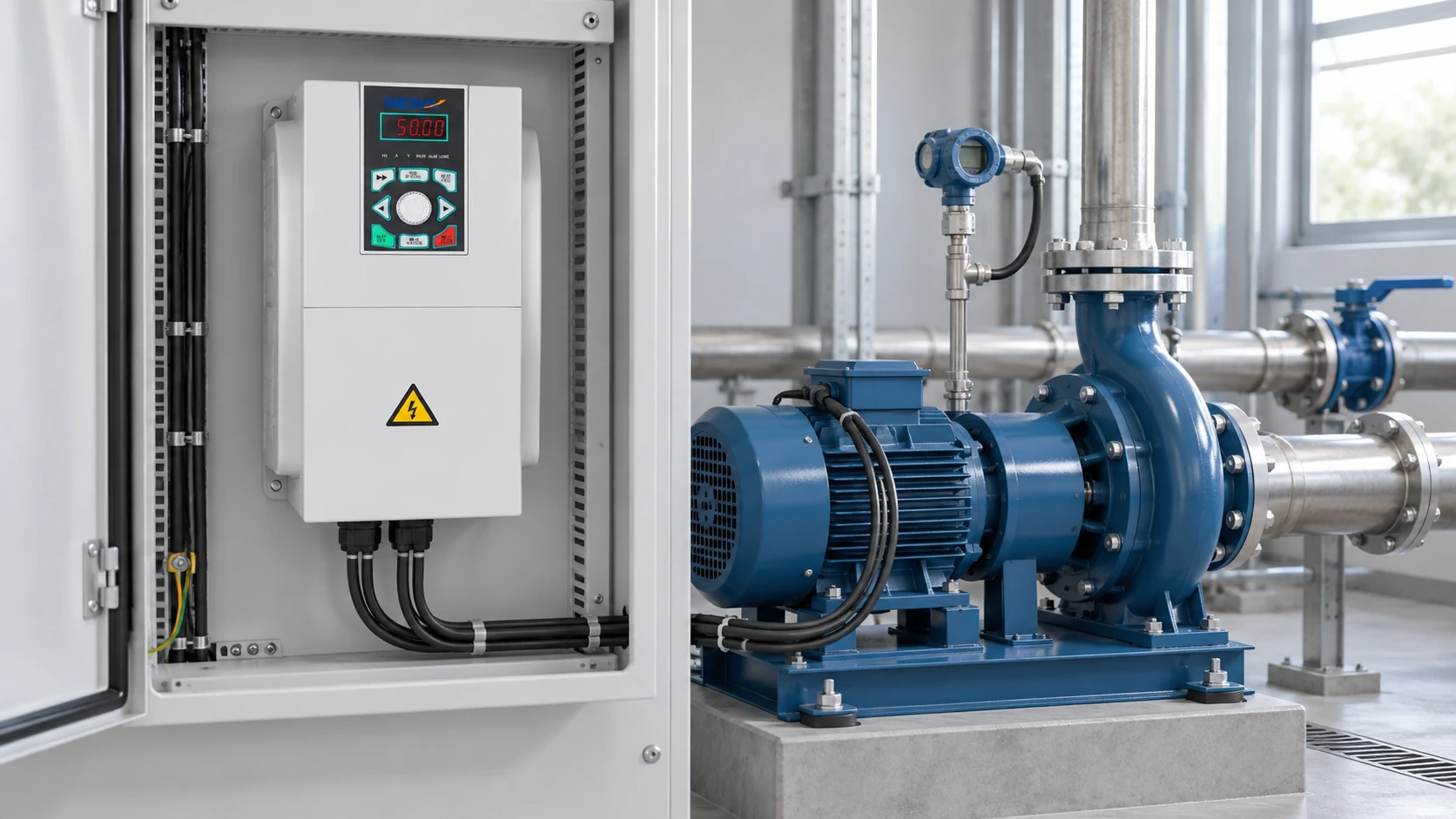
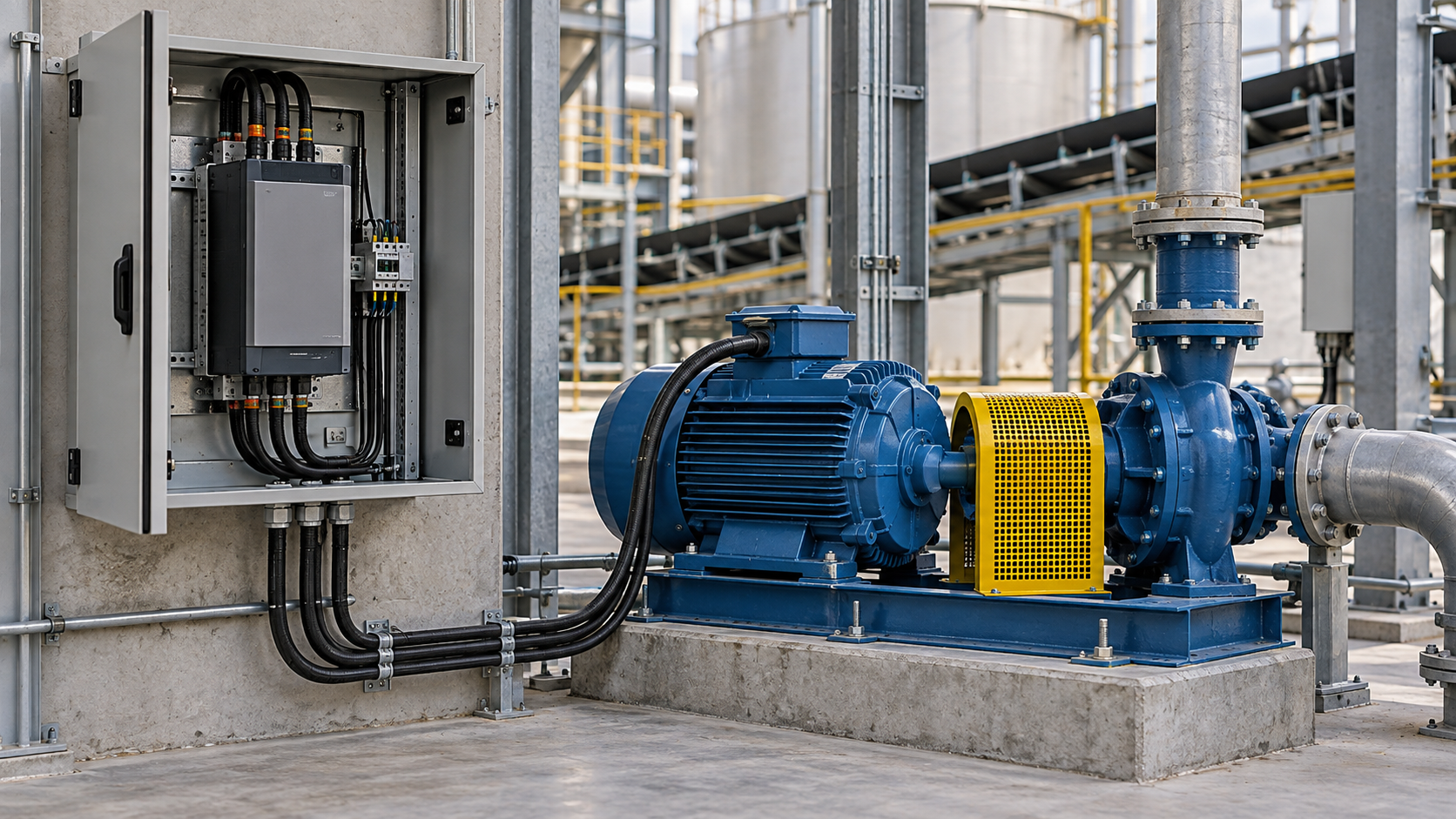 Installation evidence should show cable routing, cooling clearance, motor connection, and inspection access.
Use these five actions before issuing a purchase order:
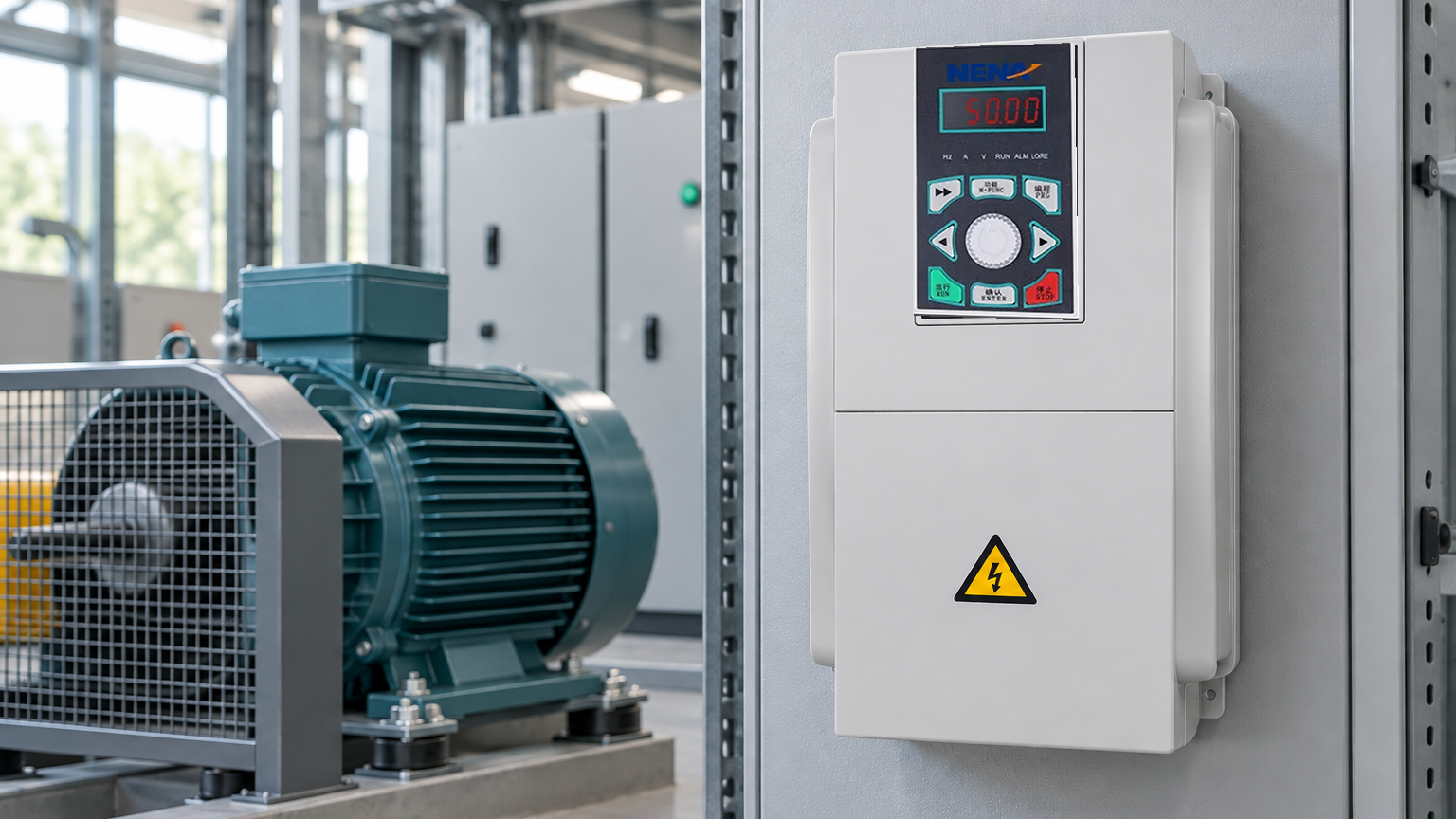
For buyers working with NENA/Zhejiang Xinhang, request a documented configuration review tied to the motor and load data rather than a generic frame-size recommendation. Evaluate product documentation, test evidence, configurable protection, and sourcing support together. Where a bypass path is needed, the bypass soft starter specification should state bypass rating and transition logic explicitly.
A soft starter is an electronic reduced-voltage controller that uses semiconductor switching to ramp voltage to an AC motor during start and stop. It cuts current and torque shock versus direct-on-line starting but does not provide continuous variable-speed operation. Select ratings from motor and load duty, not horsepower alone.
Types include two/three-phase, voltage-ramp, current-limit, torque-control starters, and bypass-equipped units. Pick by motor connection, starting torque, start frequency, thermal duty and panel layout. Confirm wiring, derating and bypass specs before comparing models.
“Easy start” is not a universal technical category—supplier terminology varies. Use a soft starter when a fixed-speed motor mainly needs lower starting shock; choose a VFD or alternative when the process requires speed control or sustained low-speed torque. Define current, torque, speed and stopping requirements before picking a label.
It adjusts SCR firing angles across each AC half-cycle to deliver a controlled voltage waveform during acceleration. Current-limit, voltage-ramp, torque-control, or combined modes may be used, with a bypass contactor carrying current once the motor reaches speed. Match settings to load torque curve, acceleration time, supply strength and thermal duty.
For background on the operating principle, see what a soft starter is for a motor, then confirm the explanation against the actual motor and application data.
If your team is comparing a fixed-speed pump, fan, conveyor, or compressor starting method, contact NENA/Zhejiang Xinhang with the motor nameplate, load description, supply information, required start performance, and destination-market compliance needs. Review the motor soft starter against the site supply and actual load, and use the contact page to resolve missing data before production.